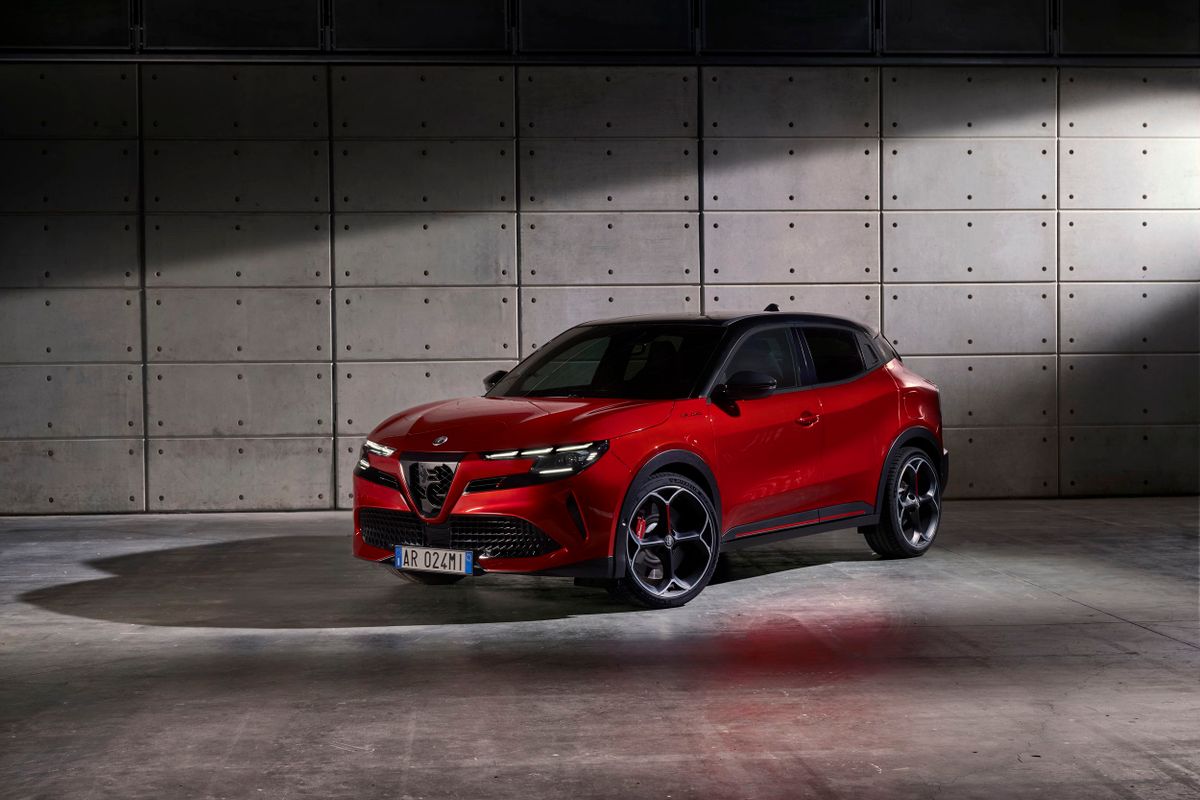
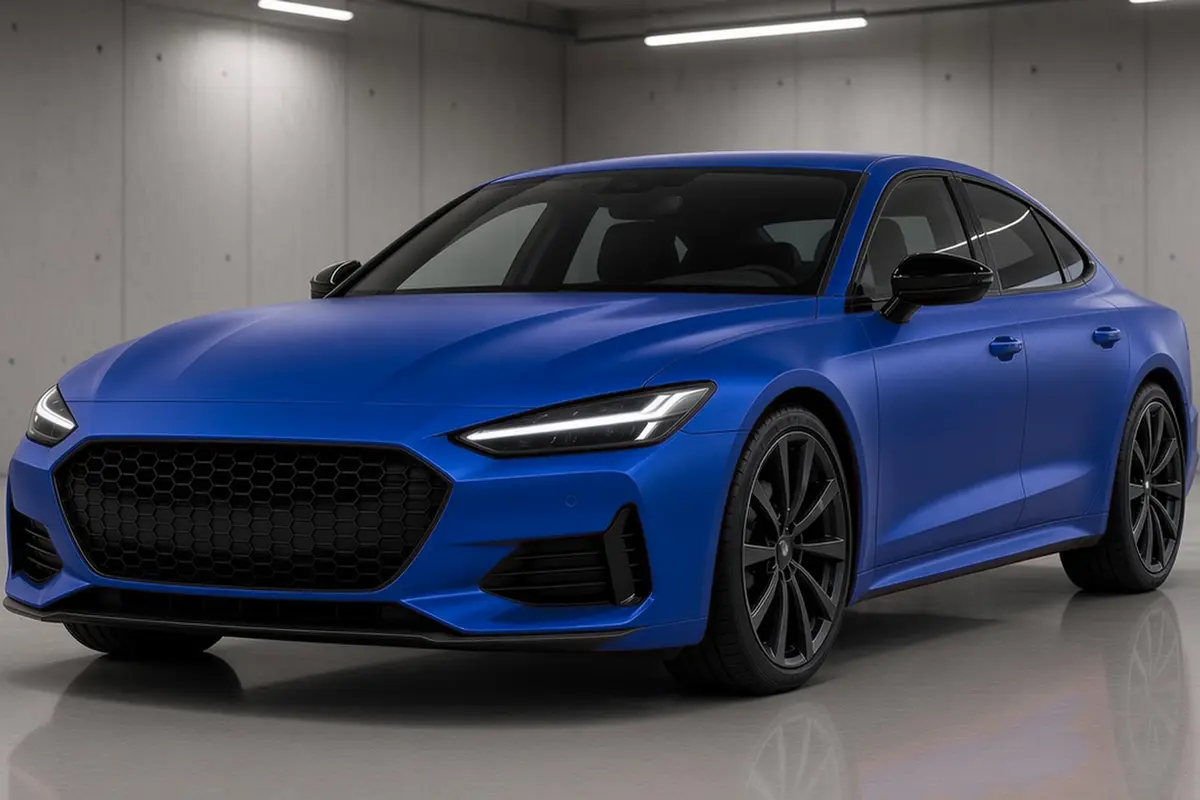
A Milano wrapped in blue starts with the finish and the film, because the same color changes character from matte to gloss. The finish decides how the light hits the body lines of the SUV, and the film line sets the level of depth in the color. Film choice matters on a body with large flat panels like the hood and tailgate, because they show every variation in the finish. The color change is the same process as any full wrap, but the film amount goes up with the Milano's roof and rear glass.
Factory paint only has to be clean and smooth before the blue film goes on, and any small chips or scratches stay hidden under the vinyl. Seams are planned around the Milano's panels: the film is tucked at the edges of the doors, fenders and bumpers. The tailgate has the rear glass in it, so the film ends at the edge of the glass. A plug-in or electric Milano has a charge port door that is wrapped as a small piece of its own.
The blue wrap is removable, and the removal process is what keeps the paint safe, not the film itself. Hand wash the Milano with a soft mitt and clean water, and avoid automated brushes that can lift an edge on the charge port door or tailgate. Dirt sits more visibly on a dark blue gloss film than on a matte one, so some owners wash more often. A removable wrap means you can return the car to its factory paint at the end of a lease or when you want a new color.