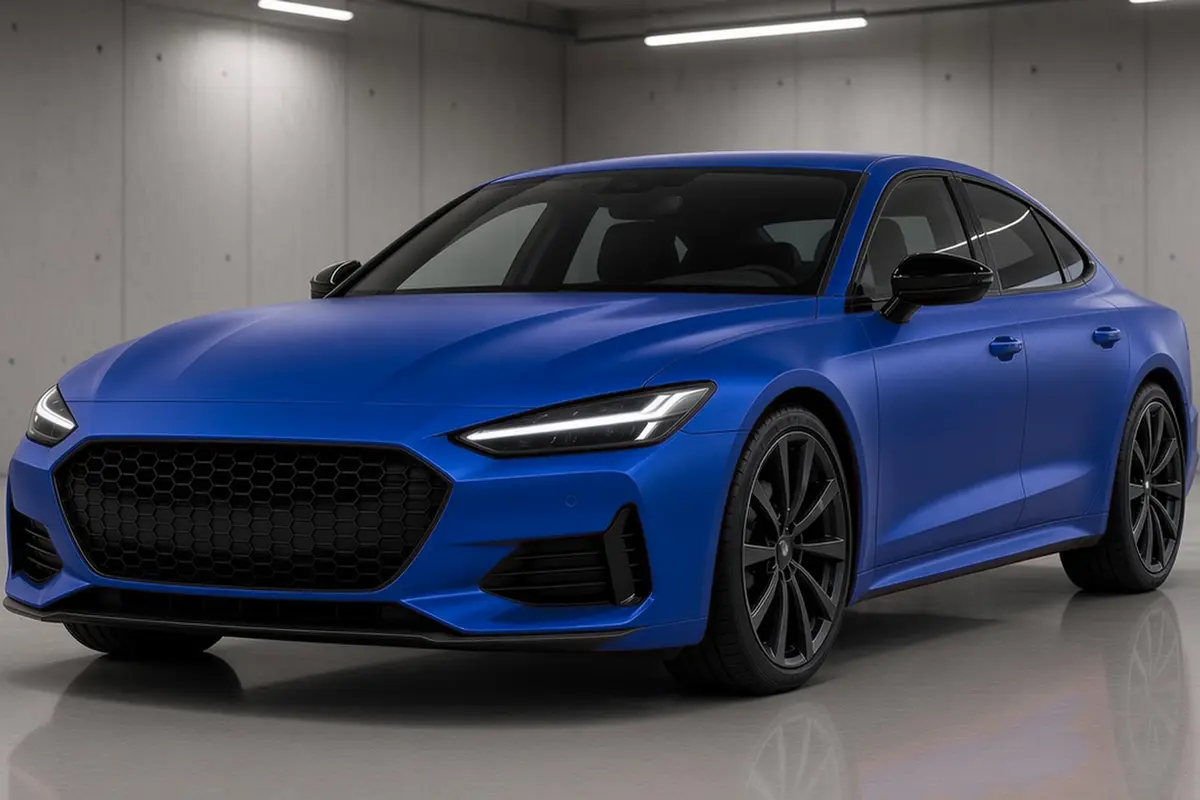
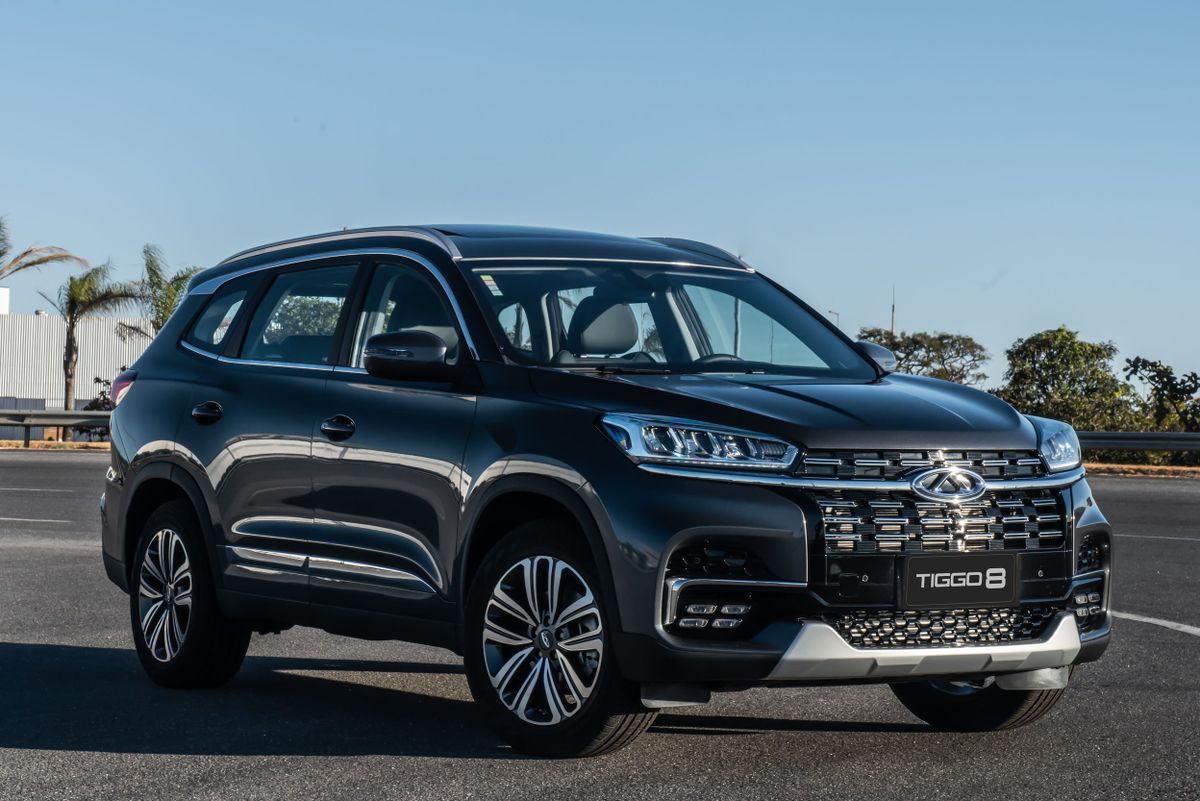
A Tiggo 8 wrapped in blue starts with the finish choice of matte, satin, gloss, or a special effect like metallic or glitter. Matte hides reflections and fingerprints, satin sits between matte and gloss, and gloss looks closest to fresh factory paint. Next pick a film from the catalog lines, because the same finish differs in shade and texture between brands. The final decision is a full or partial wrap: a full color change covers every panel, while a partial wrap accents the roof, hood, and other pieces.
Factory paint affects a blue wrap on the Tiggo 8 because the original color shows in door jambs, under the hood, and in gaps. A wrap in a different shade creates a contrast at the edges unless those areas are also covered. Seams land where panels meet: the tailgate seam follows the edge of the rear glass, and the film is trimmed tight to the aperture. Clean, smooth paint lets the film lay flat, so the body is washed and decontaminated before installation.
A blue wrap on the Tiggo 8 is removable with heat and steady pull, and it releases from factory paint when the paint was sound before wrapping. The adhesive is pressure-sensitive by design, and the installer cuts around sensors, cameras, and other parts rather than removing them in every case. Hand wash the wrapped Tiggo 8 with a mild soap and a soft mitt, and avoid automatic brushes that can lift edges. Park in shade when possible, but the film handles sun and road grime as well as the paint it covers.