Wraps by car

DKW 3=6 wrap

The DKW 3=6 wrap page covers the 1953–1955 first generation, a compact car sold as a convertible, coupe, or two-door sedan. A full vinyl wrap of the newest body takes about 44 ft (13.5 m) for the convertible and up to 51 ft (15.5 m) for the sedan, using 60-inch (1.52 m) cast film. This model has one generation in the catalog, so film estimates are straightforward.

1generations13.5 mof film for a full wrap

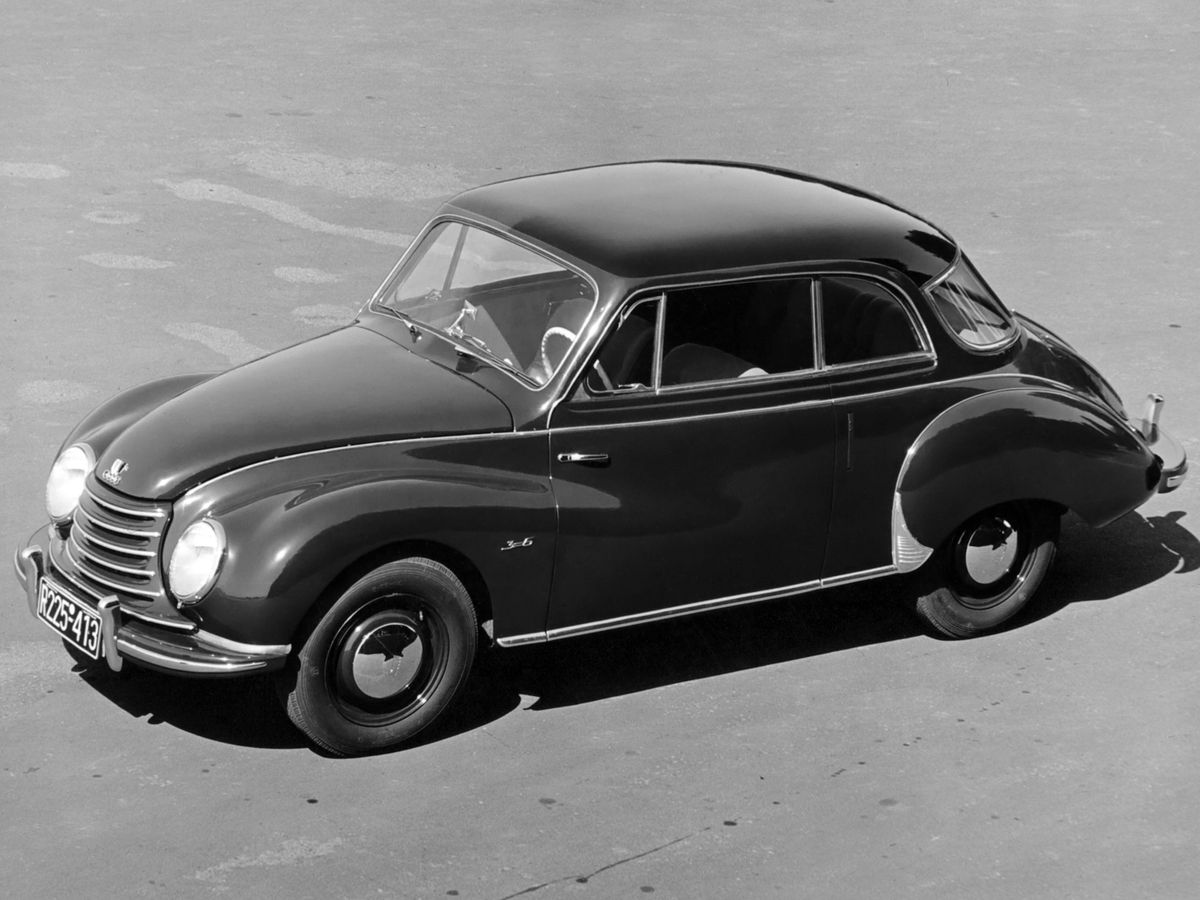
DKW 3=6, first generation, factory photo
DKW 3=6, first generation. Factory color shown.

DKW 3=6 wrap colors and ideas

  • 3=6 black wrap
  • 3=6 white wrap
  • 3=6 gray wrap
  • 3=6 silver wrap
  • 3=6 red wrap
  • 3=6 blue wrap
  • 3=6 green wrap
  • 3=6 yellow wrap
  • 3=6 orange wrap
  • 3=6 purple wrap
  • 3=6 pink wrap
  • 3=6 teal wrap
  • 3=6 brown wrap
  • 3=6 gold wrap
  • 3=6 chrome wrap
  • 3=6 color shift wrap
  • 3=6 carbon fiber wrap
  • 3=6 camo and patterned wrap

How much vinyl to wrap a DKW 3=6

Estimates from the body dimensions in the catalog, for a 1.52 m (60 in) roll.

YearsBodyLengthFilm to order
1953–1955convertible, coupe, sedan (2 doors)165.4 in (4,200 mm)about 44 ft (13.5 m) for the convertible to 51 ft (15.5 m) for the sedan, 60-inch (1.52 m) cast film; chrome or patterned film: up to about 59 ft (18 m)

3=6 wrap cost factors

The 3=6 wrap cost depends on the body style and the amount of film it needs: the convertible uses about 44 ft (13.5 m) and the sedan about 51 ft (15.5 m) of 60-inch cast film. Additional work like removing handles, badges, and side mirrors adds labor time, which affects the total. Chrome delete or patterned film can increase the film needed to up to about 59 ft (18 m) for the sedan. Because this car has only one generation in the catalog, estimates are consistent for any 1953–1955 model.
  • Film for a full wrap: about 44 ft (13.5 m) for the convertible to 51 ft (15.5 m) for the sedan, 60-inch (1.52 m) cast film; chrome or patterned film: up to about 59 ft (18 m).
  • Body: convertible, coupe, sedan (2 doors).
  • Convertible body: a fabric top is not wrapped and the film ends where it begins; a folding hard top is wrapped as panels of its own.
  • Two long side doors: each door is one large piece of film.

3=6 wraps by generation

Swipe sideways. Tap a card for the full description.

DKW 3=6, first generation, factory photo
Factory color shown

1953–1955 3=6 convertible, coupe, sedan (first generation)

1953–1955convertible, coupe, sedan (2 doors)165.4 in (4,200 mm)

The open top of the first generation DKW 3=6 is treated differently depending on the type. A fabric top is not wrapped, and the film ends exactly where the fabric begins, with a clean edge tucked under the trim. A folding hard top, if present, is wrapped as panels of its own, usually separated by the roof seams. This means a convertible wrap stops at the beltline, leaving the top in its original color or material.

Convertible body: a fabric top is not wrapped and the film ends where it begins; a folding hard top is wrapped as panels of its own.

Two long side doors: each door is one large piece of film.

Film: about 44 ft (13.5 m) for the convertible to 51 ft (15.5 m) for the sedan, 60-inch (1.52 m) cast film; chrome or patterned film: up to about 59 ft (18 m).

Roof, hood, chrome delete and PPF on a 3=6

A partial wrap on a DKW 3=6 can cover just the roof, hood, or mirror caps, which reduces material and labor compared to a full wrap. For a chrome delete, the window trim and badges are covered with black film, giving a monochrome look without changing the body color. Paint protection film (PPF) is a clear film applied to the front end to guard against stone chips. These smaller jobs suit the car's compact size and can be done one panel at a time.

  • Partial wrap: roof, hood, mirror caps.
  • Chrome delete: window trim and badges.
  • Paint protection film: clear film for the front end, which can also go over a wrap.

Wrapping a DKW 3=6: body, cut-outs and film

A DKW 3=6 vinyl wrap must handle three body styles of different sizes: the convertible, coupe, and two-door sedan. The car is 165.4 in (4,200 mm) long, which places it in the compact class and keeps the total film area moderate. Each of the two long side doors is one large piece of film, so installers need wide sheets and careful squeegee work. The sedan has the most painted surface to cover, while the convertible reduces the film area because the top is not wrapped.

Several 3=6 wrap ideas require cut-outs or panel removal on this car. The two long doors are wrapped as single large pieces, but handles, locks, and side mirrors are removed or trimmed around. For a convertible, the film ends where the fabric top begins, and a folding hard top is wrapped as its own separate panels. Badges and window trim are also taken off for a clean edge or for chrome delete.

Film needs change between the generations only if you compare this first generation to later cars, since the catalog lists one generation for the DKW 3=6. For this 1953–1955 body, knowing how much vinyl to wrap a 3=6 comes down to the body style: the convertible uses about 44 ft (13.5 m) and the sedan about 51 ft (15.5 m) of 60-inch cast film. The two-door layout means there are no rear door panels, which keeps the total area lower than a four-door. Anyone counting film should measure the actual car, but these figures are a solid starting point.

Questions about wrapping a DKW 3=6

How much vinyl does it take to wrap a DKW 3=6?

It takes about 44 ft (13.5 m) for the convertible and up to 51 ft (15.5 m) for the sedan, using 60-inch (1.52 m) cast film. That estimate from the newest body of the DKW 3=6 covers the first generation, which is the only generation in the catalog. The exact amount depends on the body style and whether you add chrome or patterned film, which can raise the total to about 59 ft (18 m).

Is the top of a 3=6 wrapped?

No, the top of a DKW 3=6 is not wrapped if it is a fabric top. The film ends where the fabric begins, so the convertible roof stays its original material. If the car has a folding hard top, that top is wrapped as its own separate panels because it is a painted surface.

Which 3=6 body takes more film?

The sedan takes more film than the convertible or coupe. The sedan needs about 51 ft (15.5 m) of 60-inch cast film, while the convertible needs about 44 ft (13.5 m). The coupe falls between those, but the estimate ranges from 44 to 51 ft, with the sedan at the high end.

Can I wrap only the hood or the roof of a 3=6?

Yes, you can wrap only the hood or the roof of a DKW 3=6. A partial wrap can cover the roof, hood, or mirror caps as separate jobs. This is a practical way to change the look or protect specific panels without wrapping the whole car. For the roof on a sedan, measure the panel and add a few inches for tucking edges.