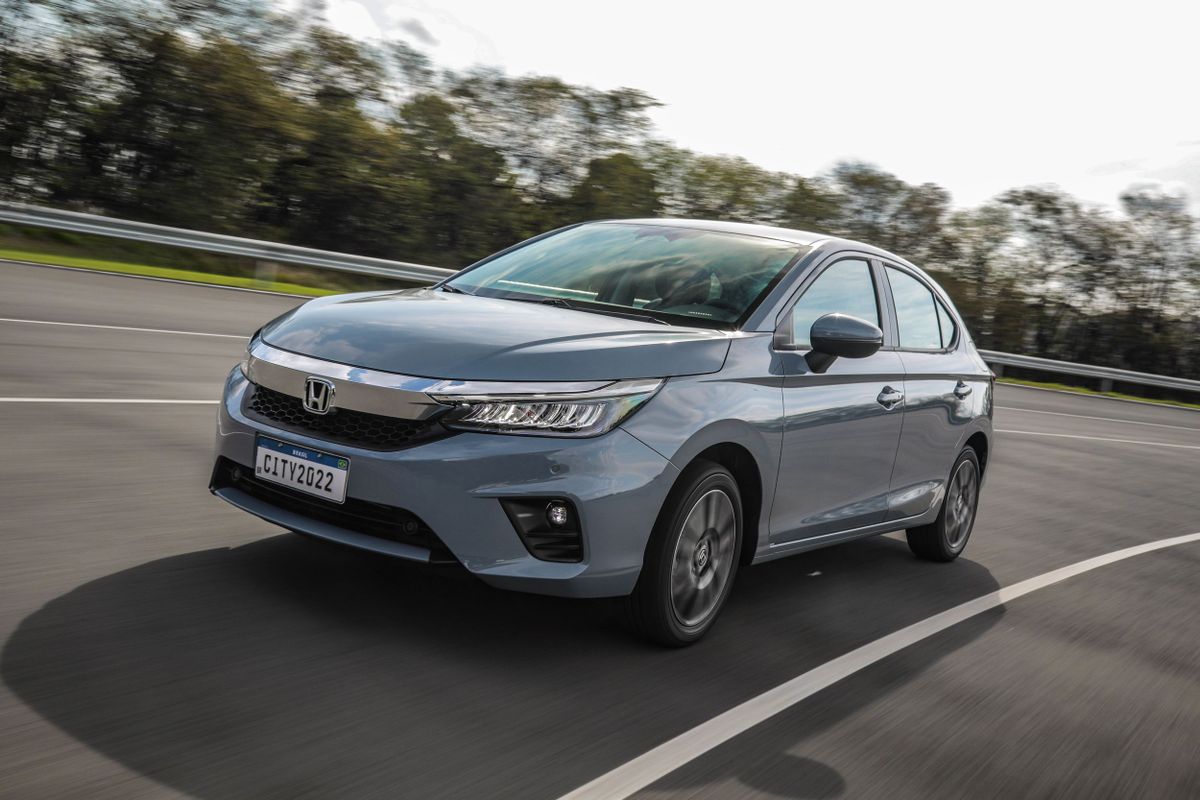
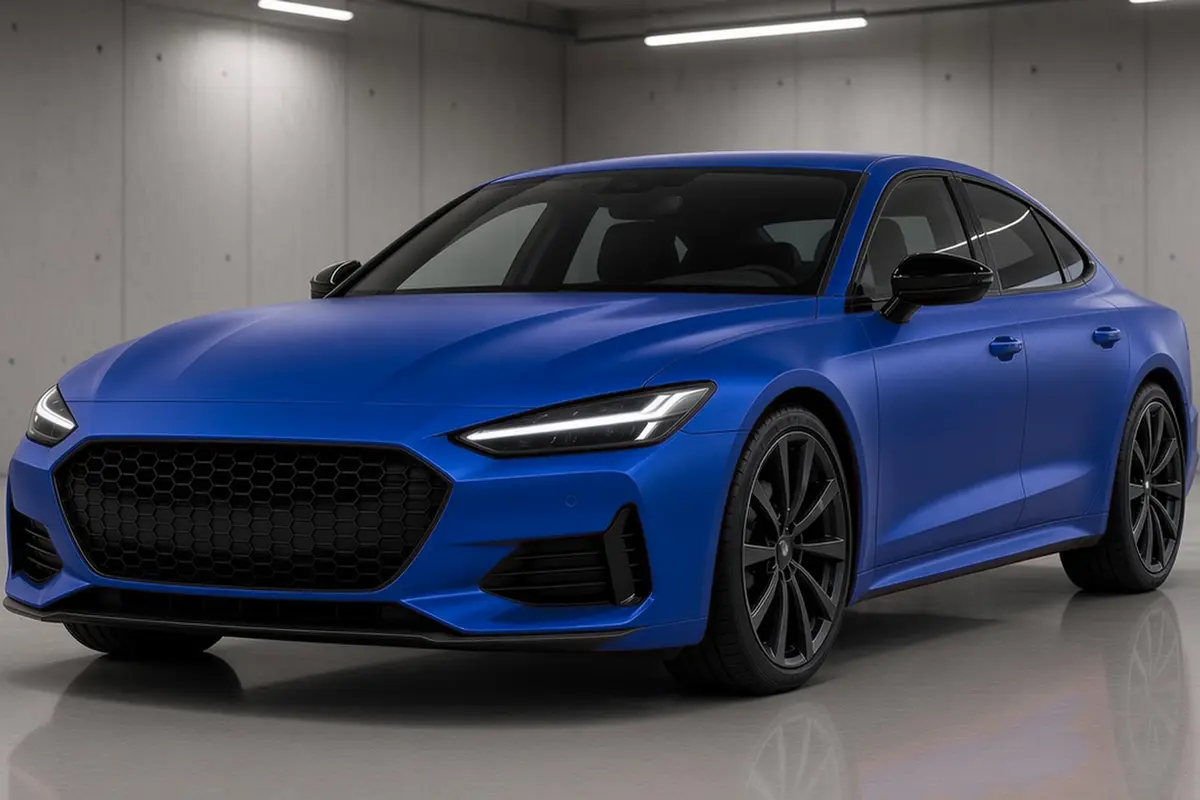
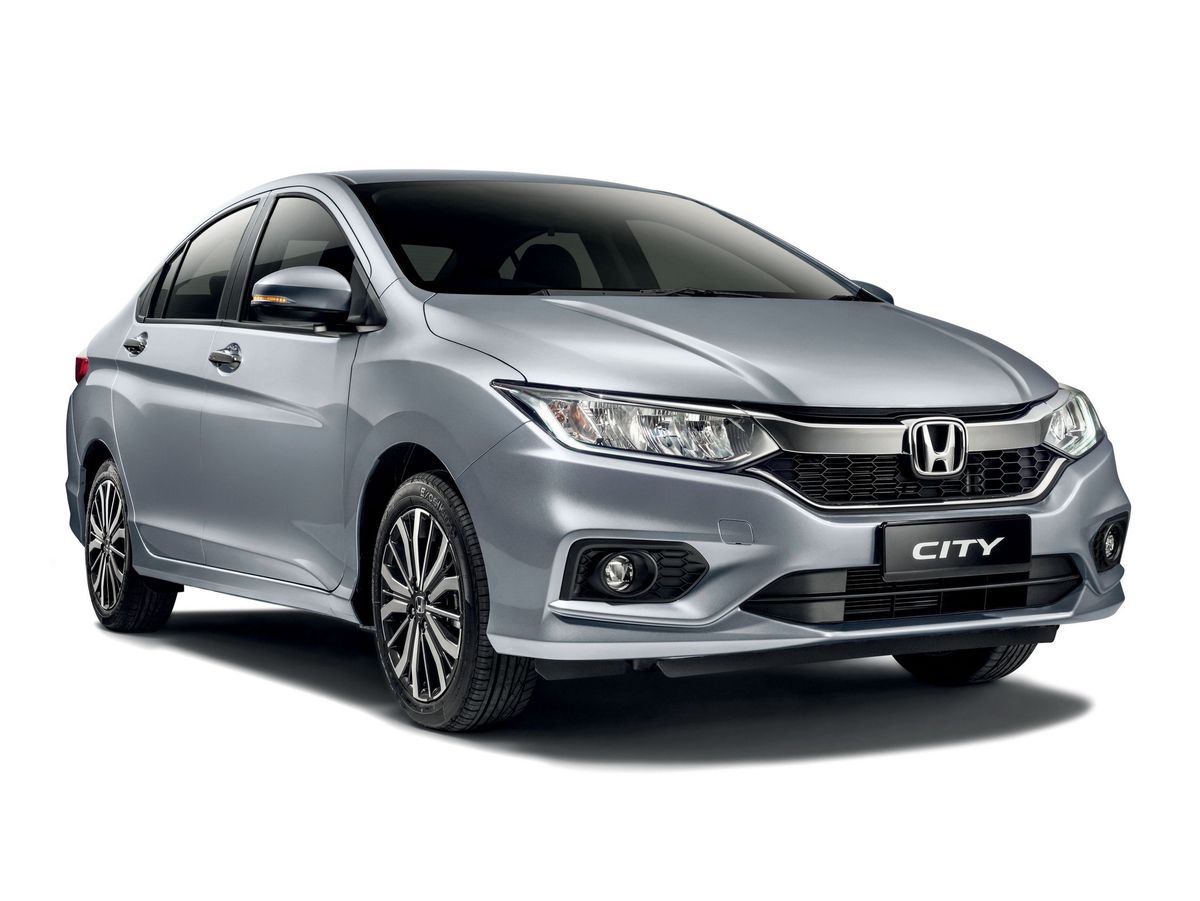
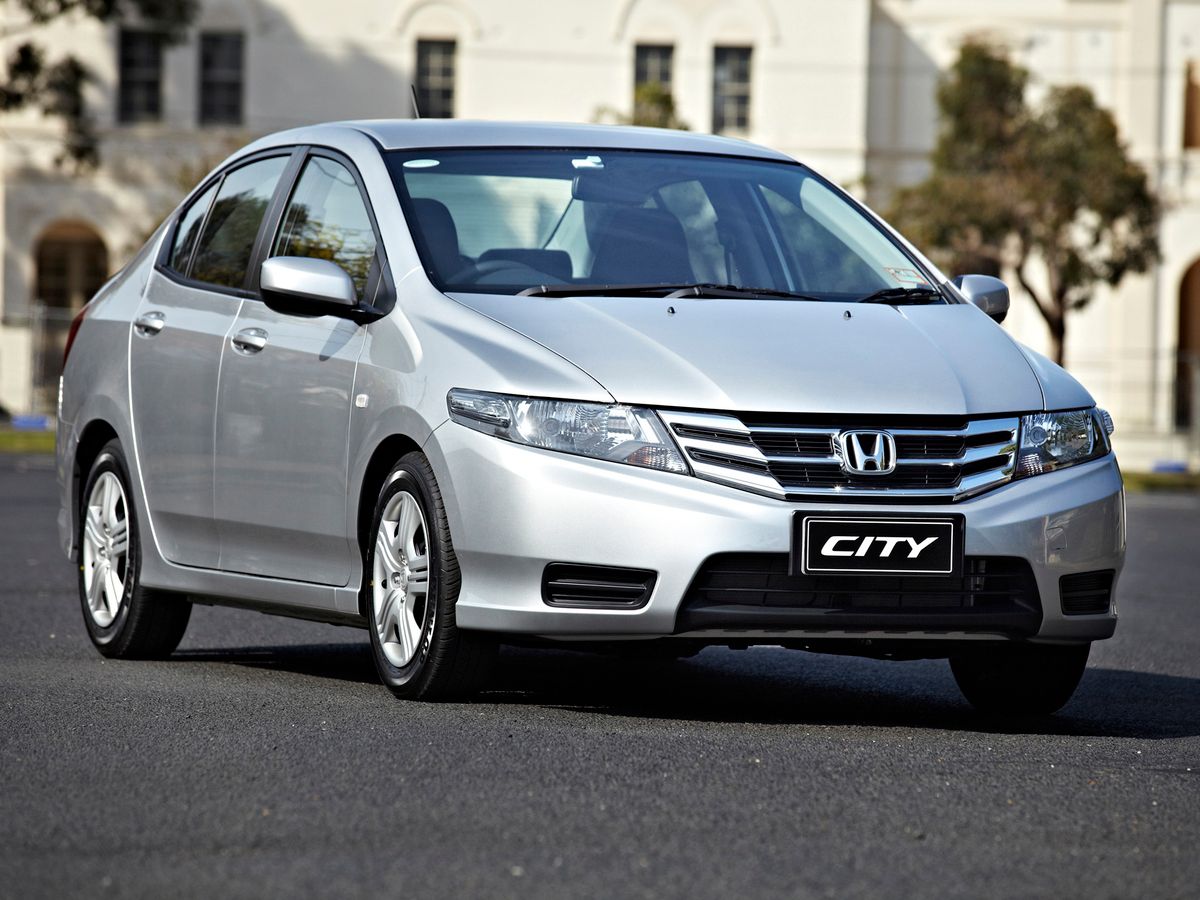
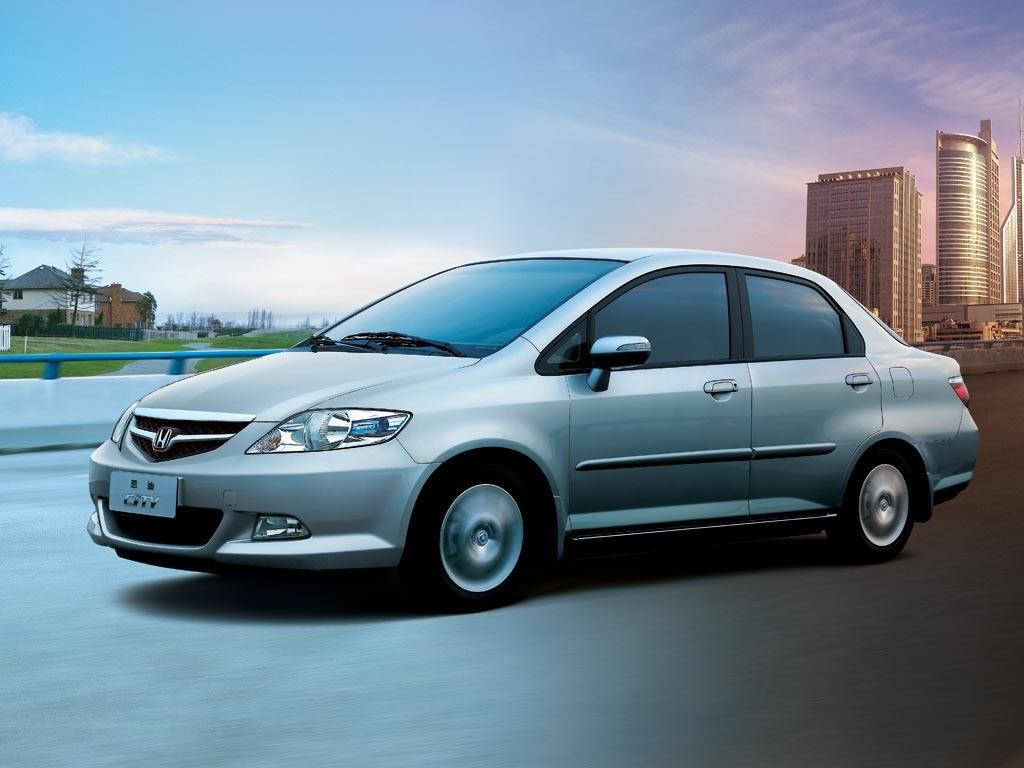
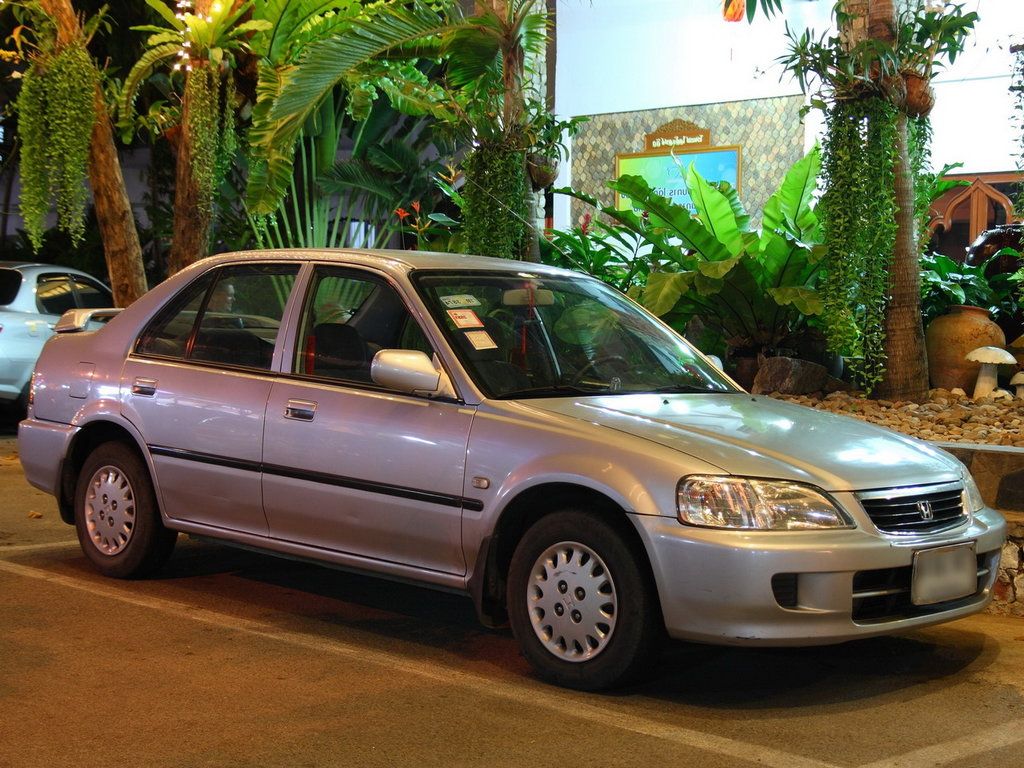
A City wrapped in blue usually starts with choosing a finish, because the car's angles and chrome details change how light plays on the color. Satin blue tones down reflections while still showing the panel lines, and matte blue gives the car a flat, solid look. The next decision is the exact film: 436 options means you can pick a film that matches an original Honda blue or goes far away from it. The last step is the scope of the color change, from a full wrap to just the roof and mirrors.
Factory paint on any City serves as the base for the blue film, so the paint does not have to be perfect but it must be clean and sound. Every body style has panel gaps and trims that can be wrapped as separate pieces, which leaves no visible seams on large flat areas. The hatchback tailgate with its rear glass in the tailgate changes the film plan, because the film ends at the edge of the glass. Every trim has parking sensors in the bumpers, which means the film is cut around each sensor.
The film on a Honda City is removable, so the blue color can be taken off later without leaving adhesive behind on the paint. Hand washing with a soft mitt and mild soap keeps the edges down and the finish clean. A blue wrap also protects the original paint from light scratches and road film while it is on the car. When you want the original color back, a shop peels the film and cleans any residue.