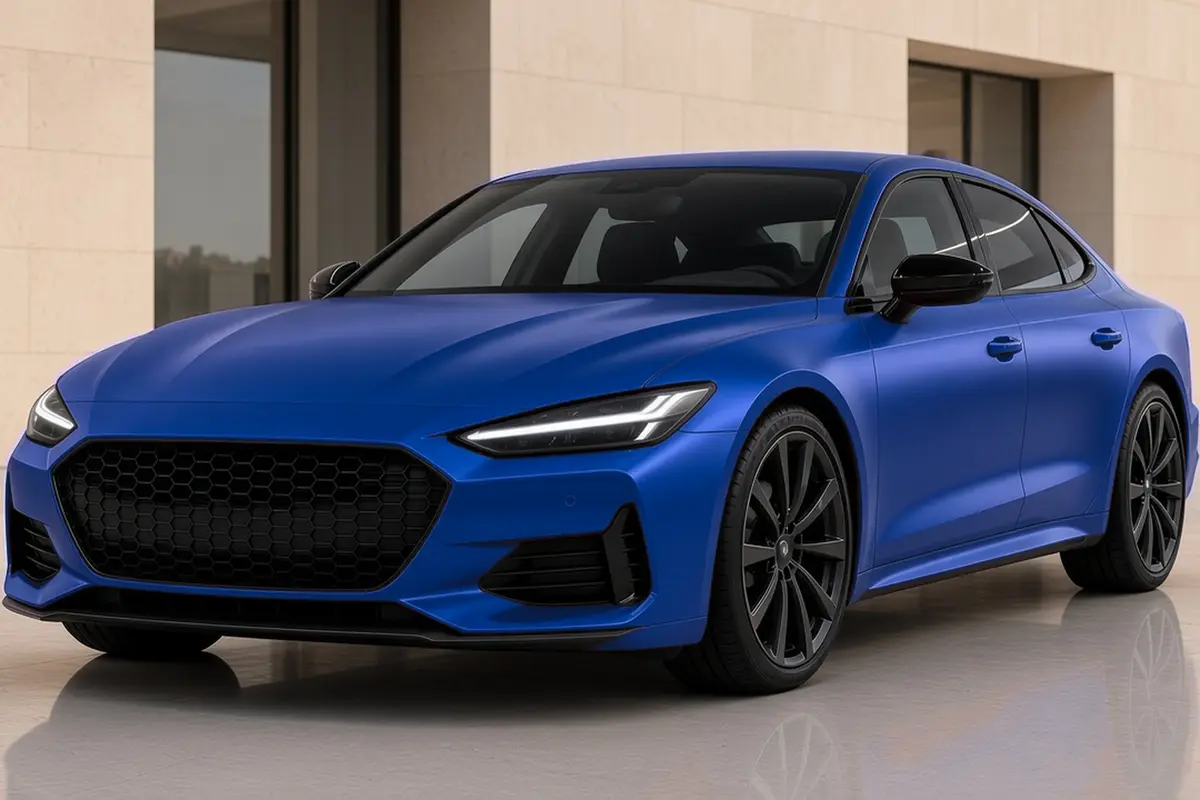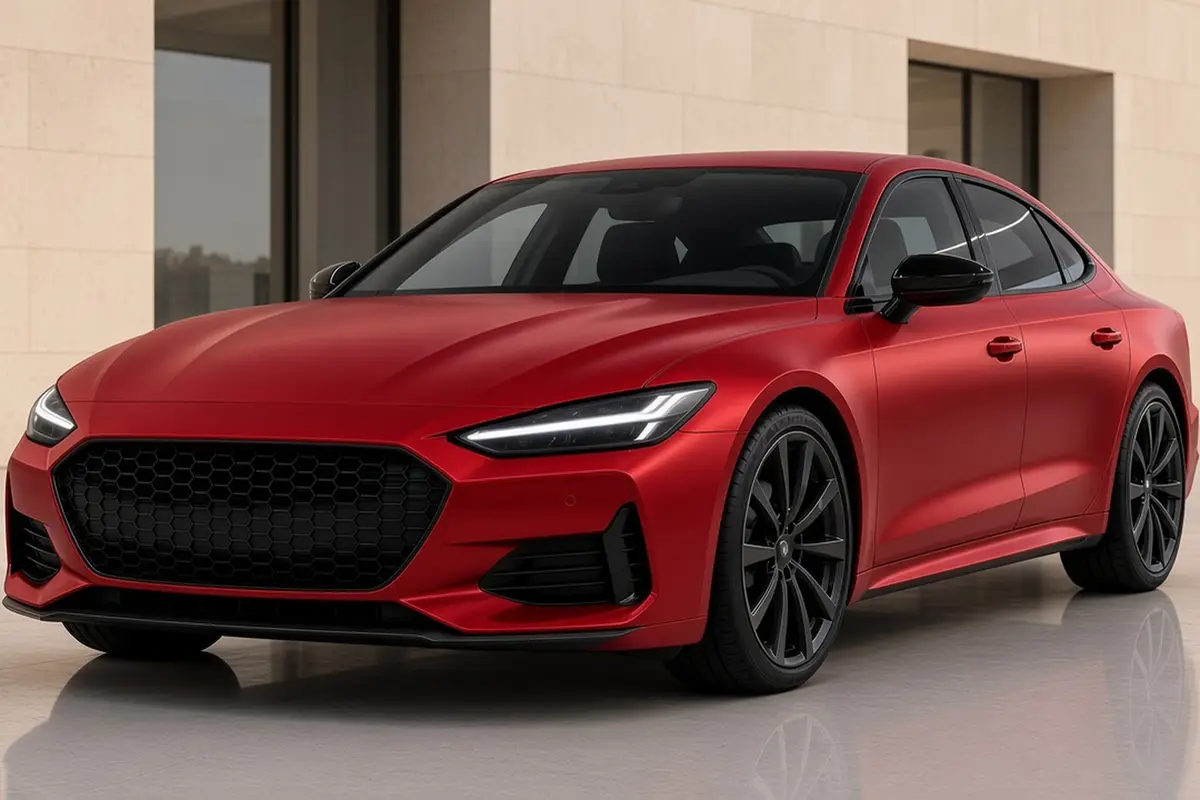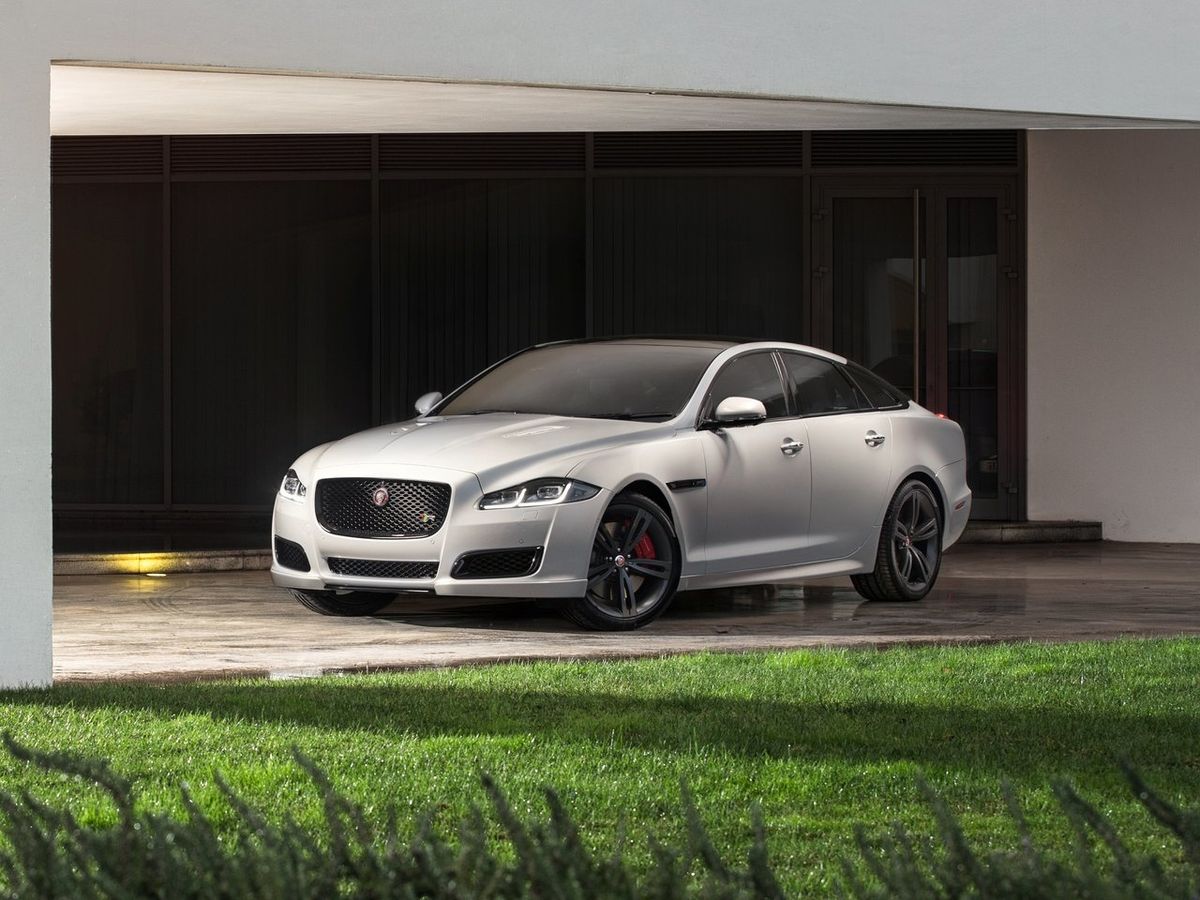
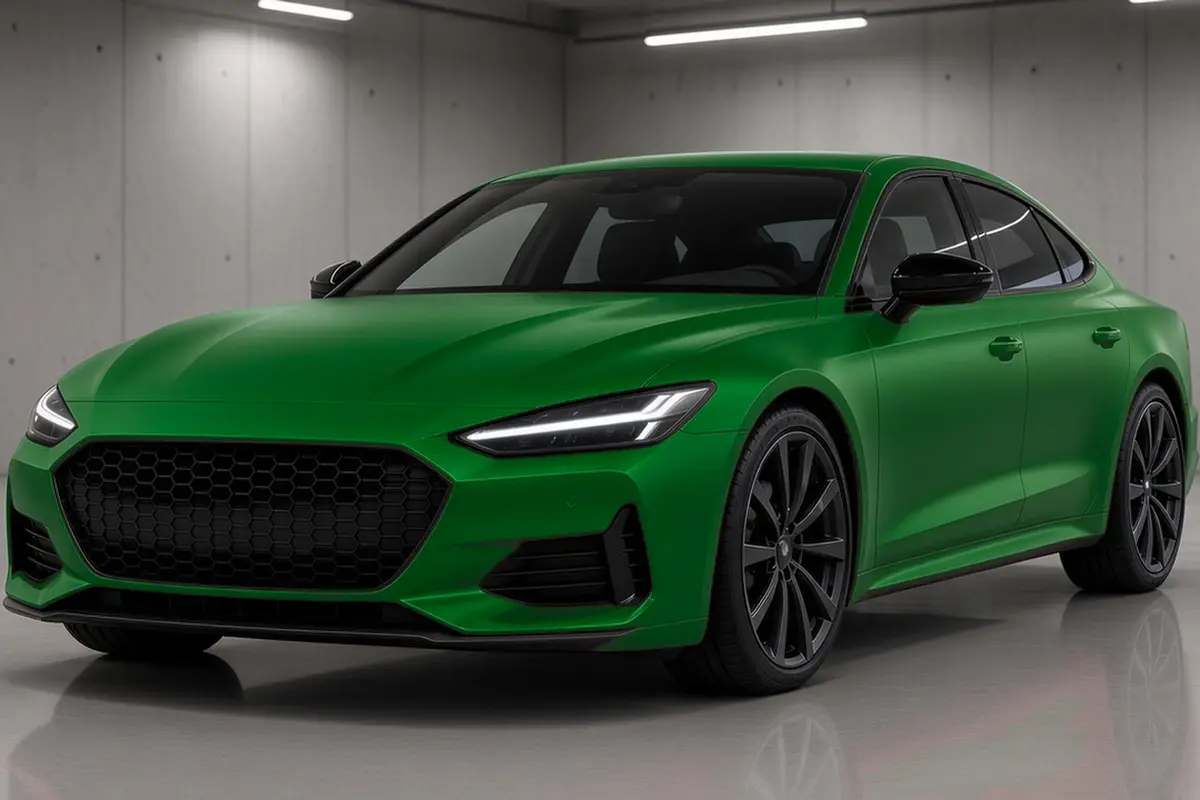
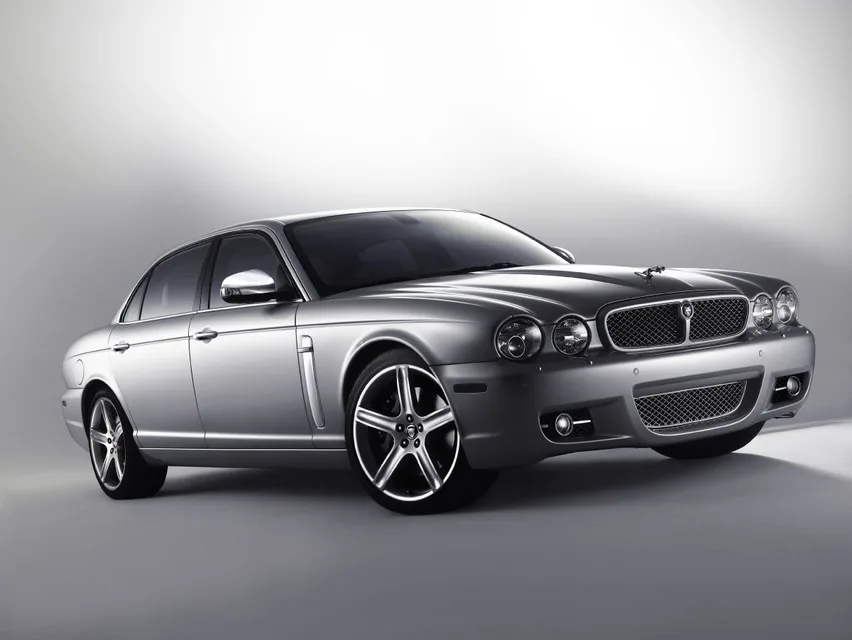
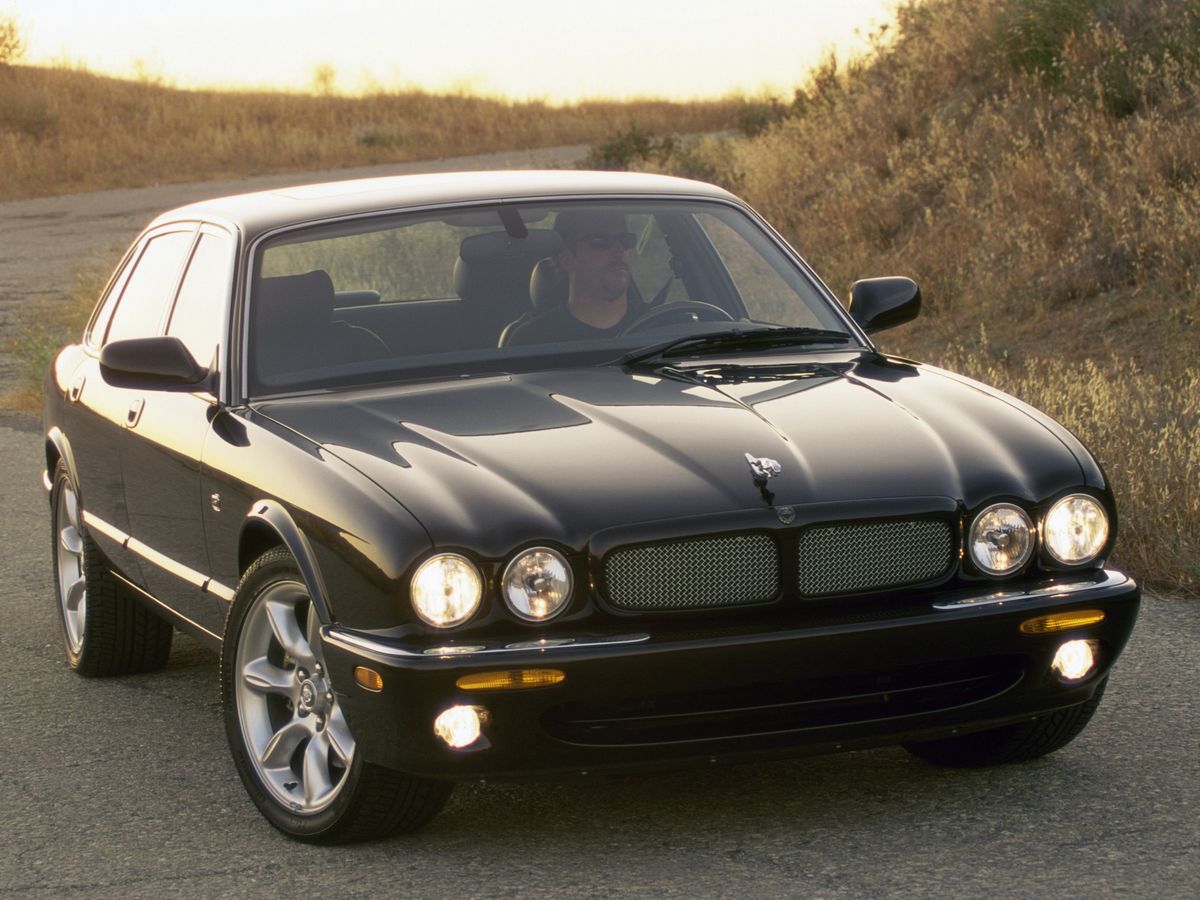
A Jaguar XJR wrapped in green starts with the finish, because matte, satin, and gloss green read differently on this body. Satin green calms the chrome window trim, while a high gloss green makes the body look painted at first glance. The color change wrap covers the factory paint fully, so every visible panel carries the new color. Matte greens hide less than satin on a car this large, so your choice also sets how often you wipe the surface down.
The factory paint’s condition decides whether a green wrap will lay flat and hold its finish. Panels that were repainted with soft or chipped paint can lift film at the edges, so a test spot goes on first. The seams of a full wrap run along shut lines and panel edges, where the installer tucks the film out of sight. On a fourth generation XJR the front and rear bumpers changed in 2015, so the cut for one version does not fit the other.
A green wrap is removable, but removal is cleaner when the film was kept away from automatic brushes and heavy chemicals. Hand wash the XJR with a pH neutral soap and a microfiber mitt, and rinse road salt off the lower edges often. The film is not paint protection film (PPF), so a sharp stone can still chip through the color. Removing a wrap from this car takes a heat gun and slow peeling, which is why installers charge by the panel condition.