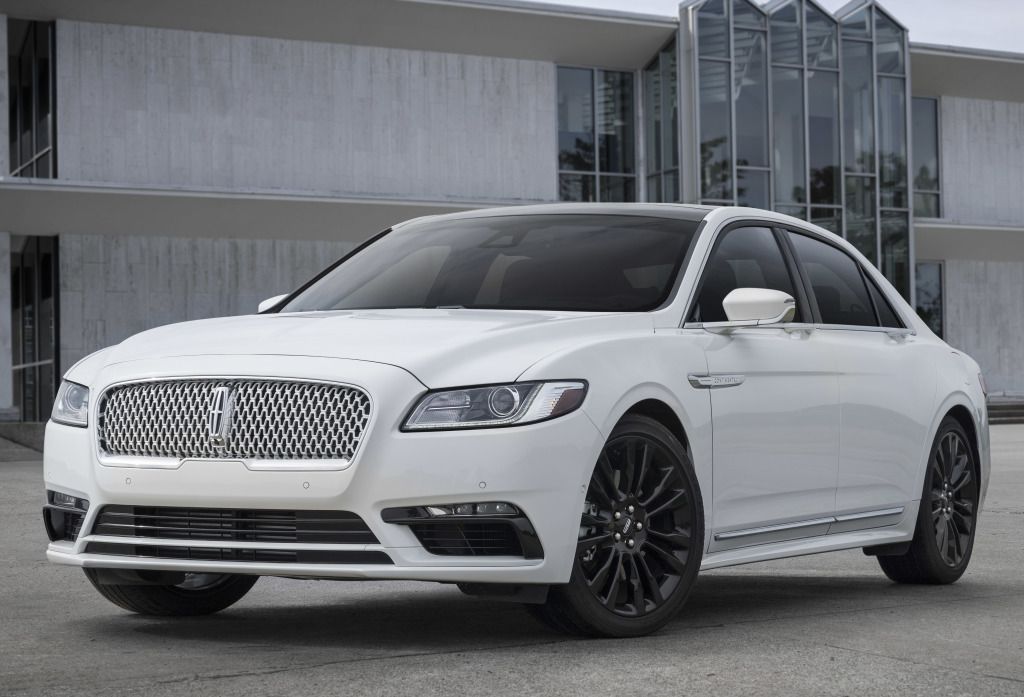

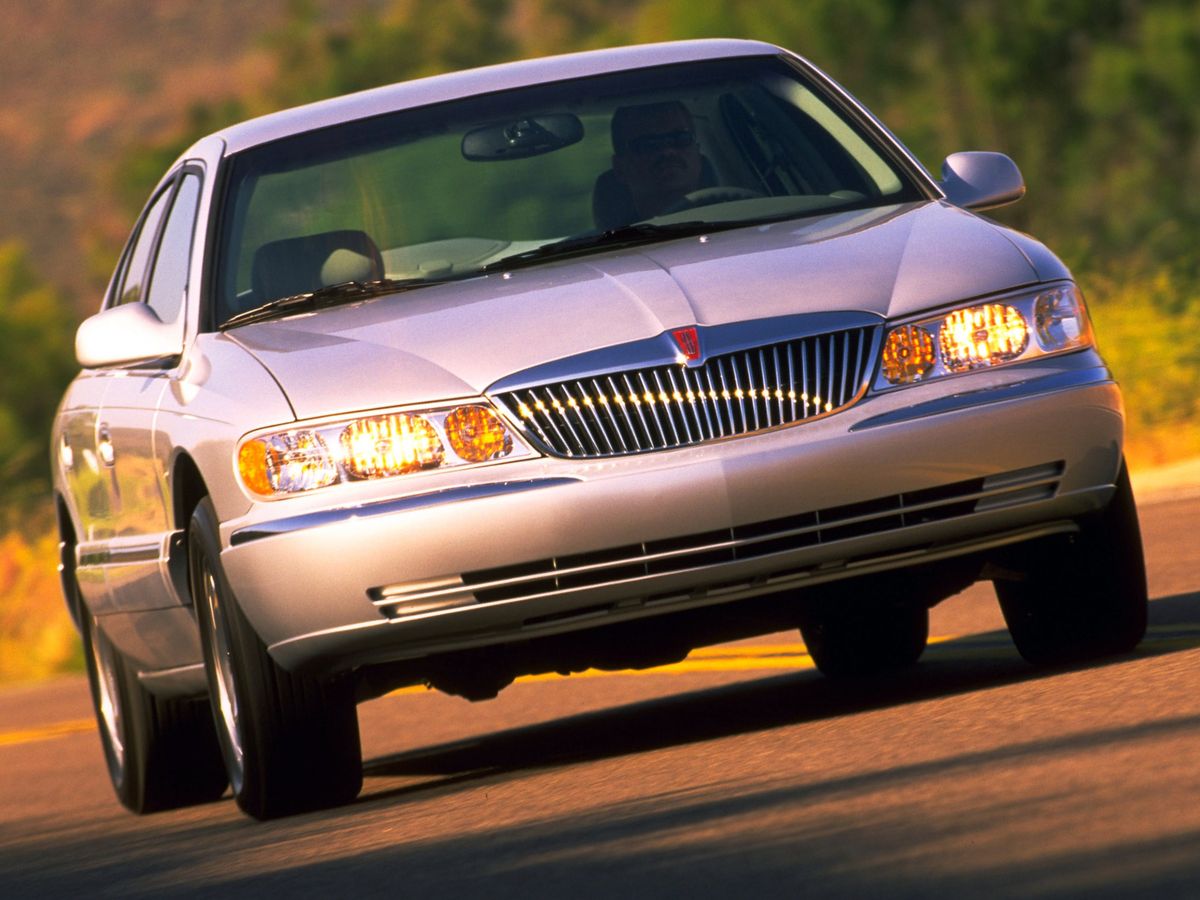
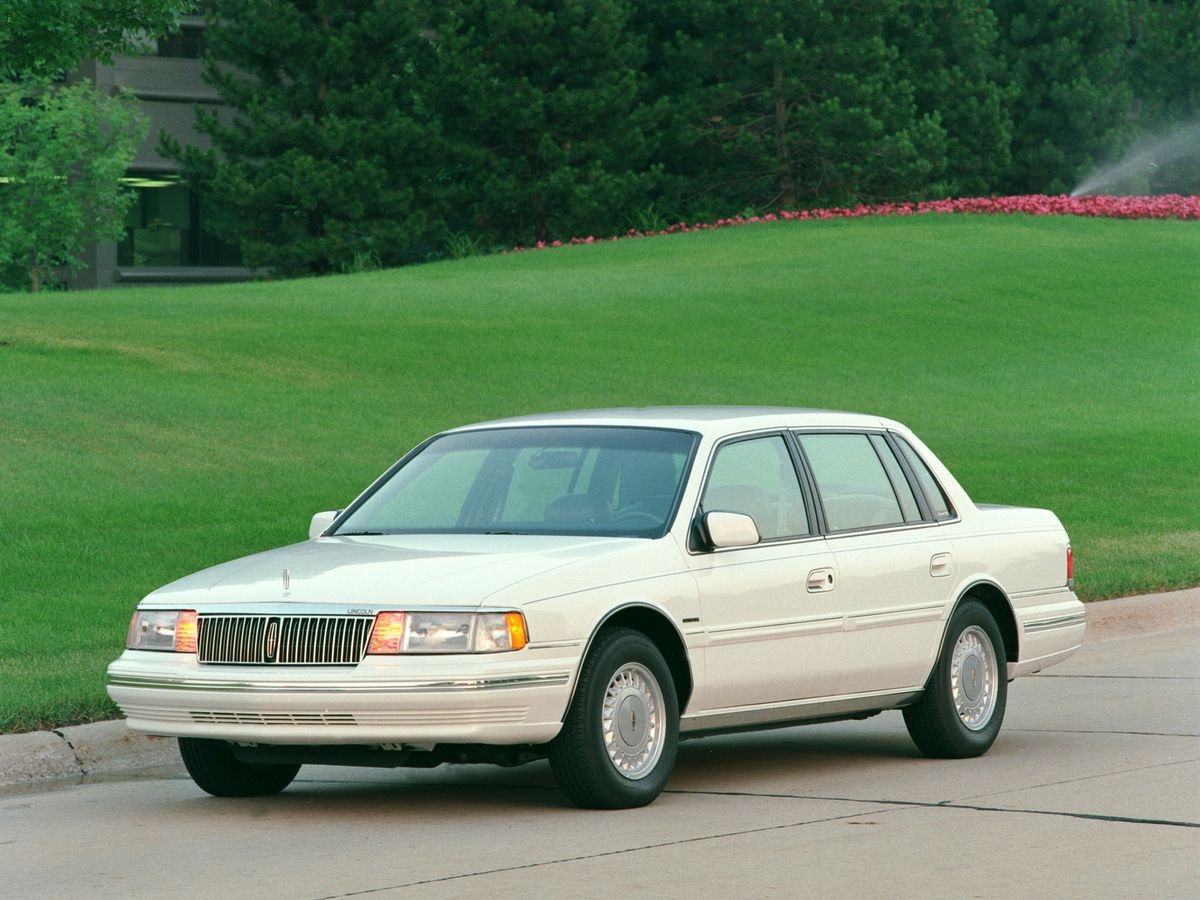
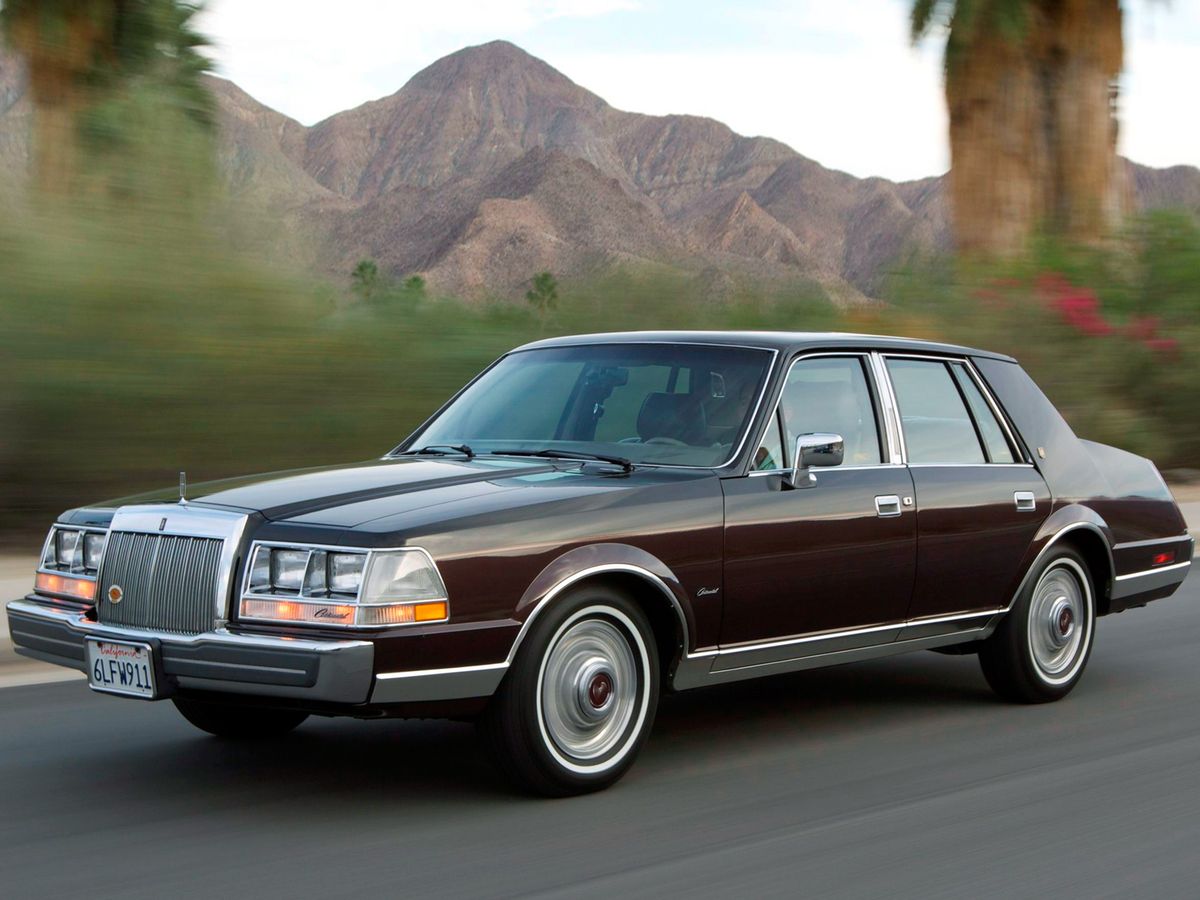
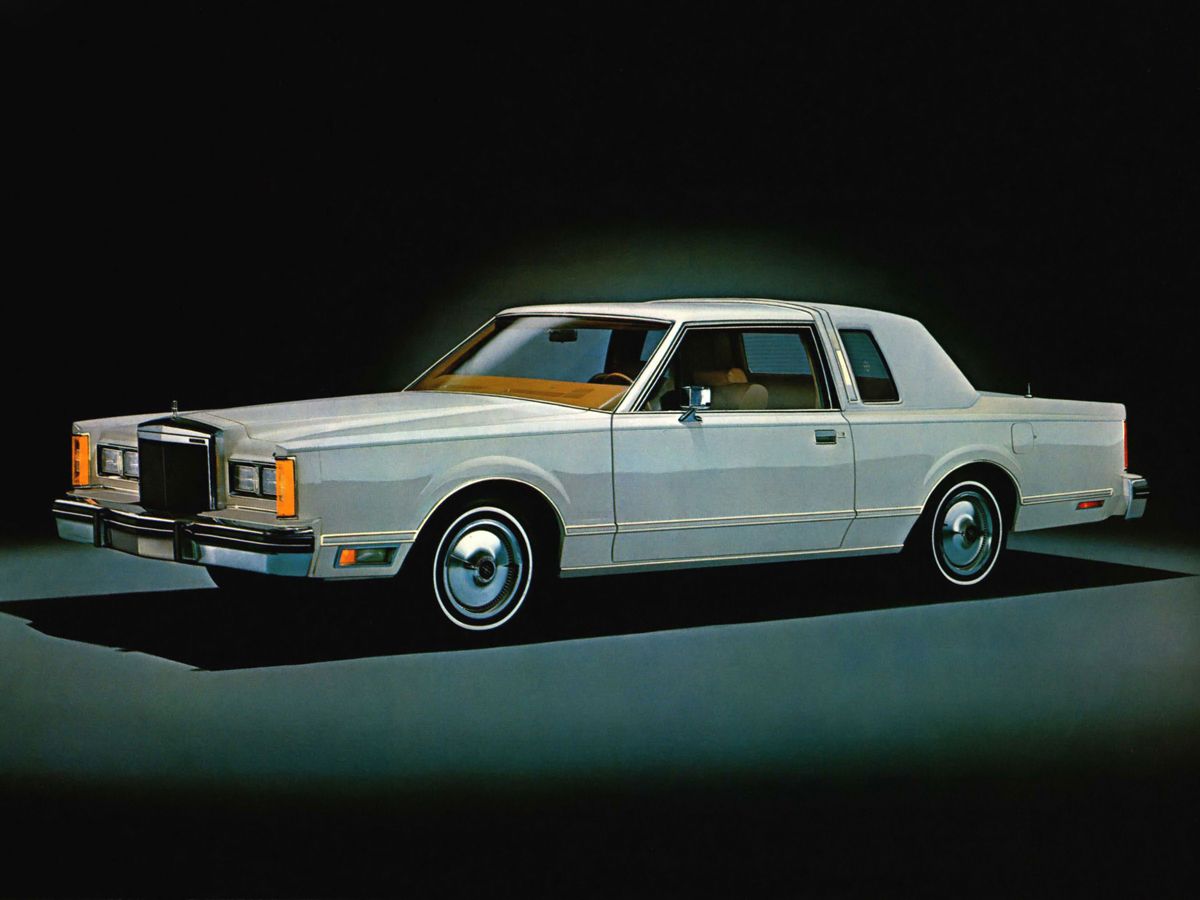
A Continental wrapped in chrome starts with a finish choice between a liquid mirror look, a satin sheen, or a tinted tone like blue or gold. That decision controls how the color change reads in daylight and how it shows the body lines. Then pick a film line that matches how much the installer needs to stretch around the front fenders and trunk lid. Full wraps cover the door jambs and inner edges best, while a partial wrap keeps the look to the roof, hood, and mirror caps.
Factory paint under a chrome wrap matters more than on a plain color because chrome film can show every ripple or paint chip through the material. The installer checks the surface first and may sand small defects before the film goes on. On the Continental the long side panels need seams placed along body lines, so the chrome reflects evenly. A test spot on a lower door shows how the finish lays on that paint.
A chrome wrap on a Continental is removable and returns to the original paint when it is time to sell the car. Hand wash only with a soft mitt and no wax or polish keeps the chrome finish clean without scratching it. The film handles pressure washing on low settings and shade drying is enough for most owners. Avoid automatic car washes because the brushes leave fine marks on any chrome film.