

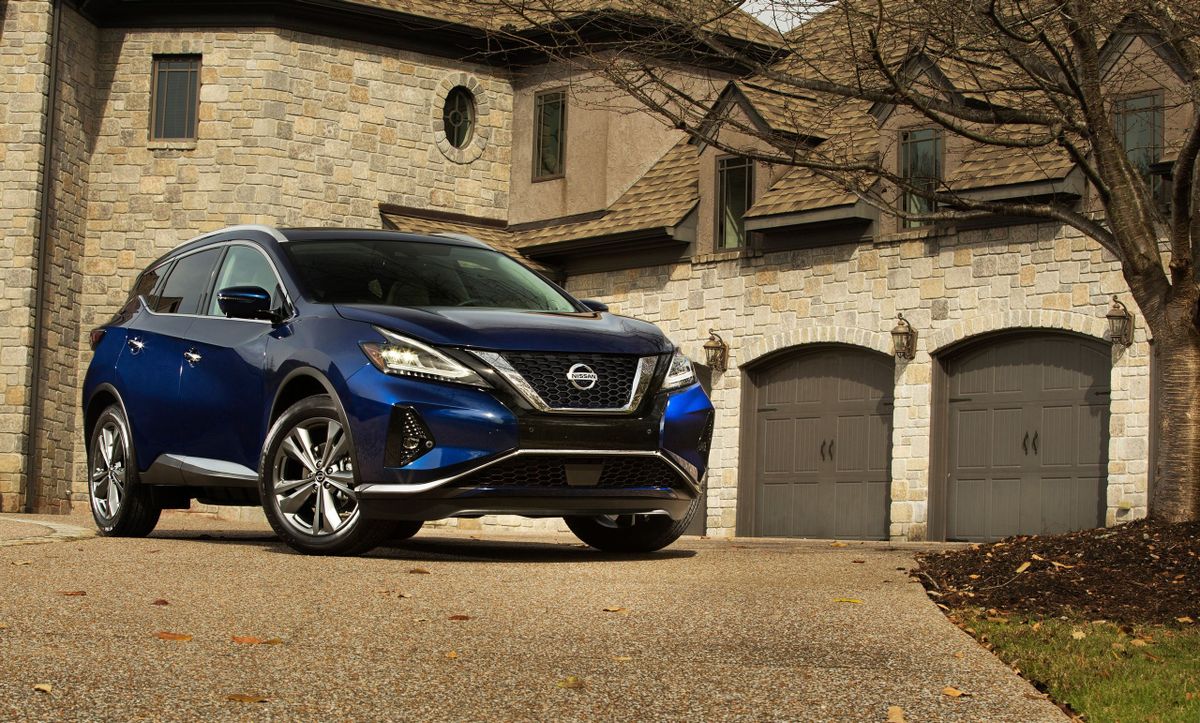
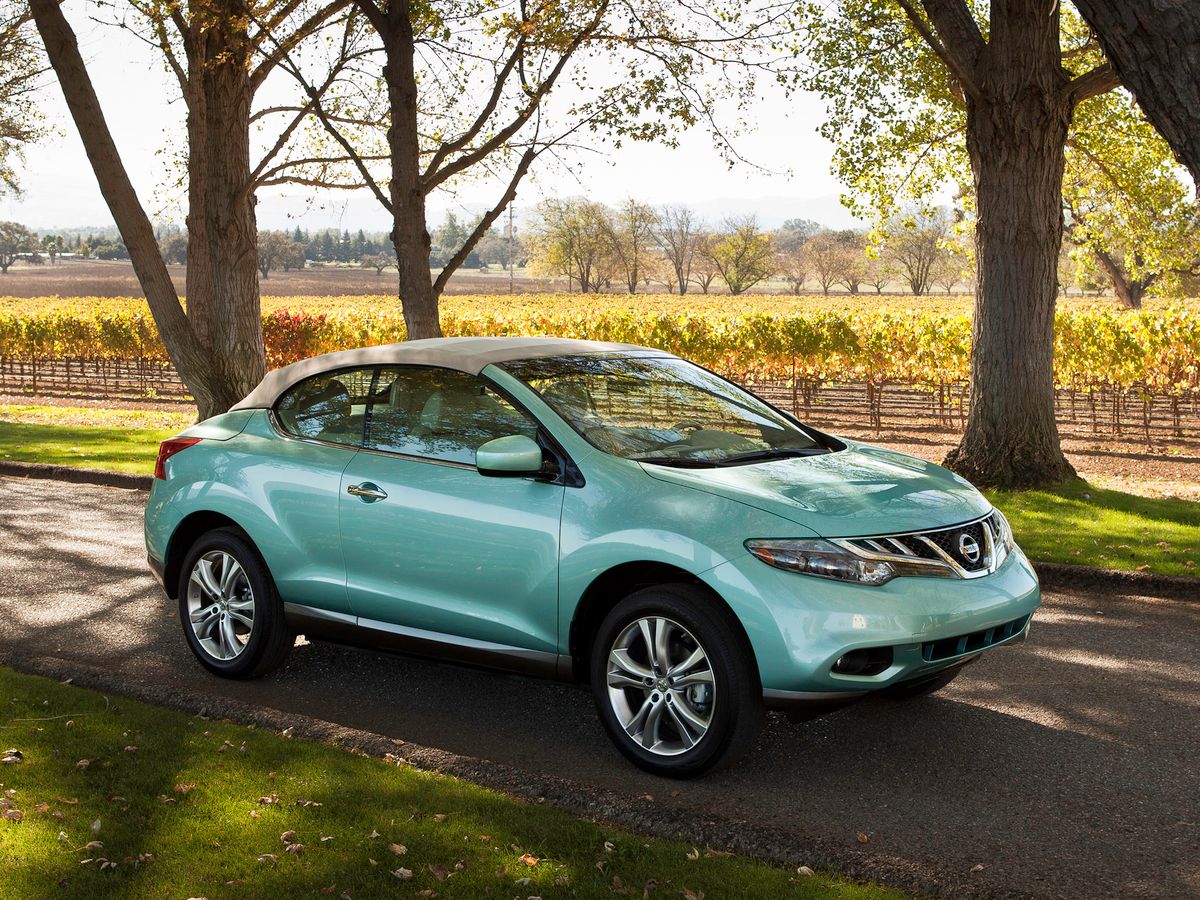

A Murano wrapped in chrome starts with the finish decision: mirror chrome for a highly reflective look or satin chrome for a softer sheen on this color change. Then you pick a film line within the finish, since each brand tunes its chrome vinyl differently for depth and tone. After the film, you decide between a full wrap and a partial one, because the film estimate changes with the amount of chrome vinyl used. The choice between a convertible and an SUV body also sets the size of the job and where the film ends on the open top.
The factory paint under a chrome wrap stays hidden, so the original color only shows in door jambs, under the hood and inside the tailgate opening. Seams are part of the job on a chrome film, because this finish cannot be stretched far and the installer cuts reliefs at deep curves. Laying chrome vinyl over the Murano's tailgate with its rear glass means the film ends at the edge of the glass, not under the seal. That leaves a clean line, while seams on the bumpers follow the body lines so they sit out of sight.
A chrome wrap on the Murano is removable, so the vinyl can be taken back off without a change to the paint underneath when the film was fitted right. Hand wash is the way to clean chrome film, because a pressure washer can lift an edge and automatic brushes scratch the finish. Use a soft mitt and pH-neutral shampoo, then dry the car with a microfiber towel to keep water spots off the chrome. No polish or wax goes on the vinyl, since those products dull the chrome look.