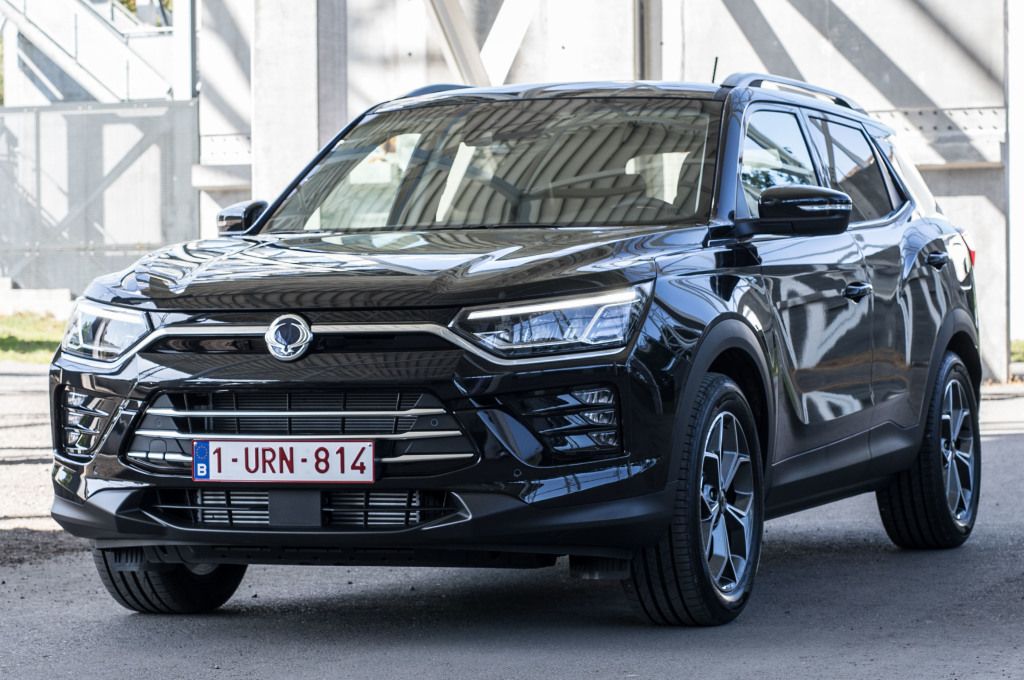
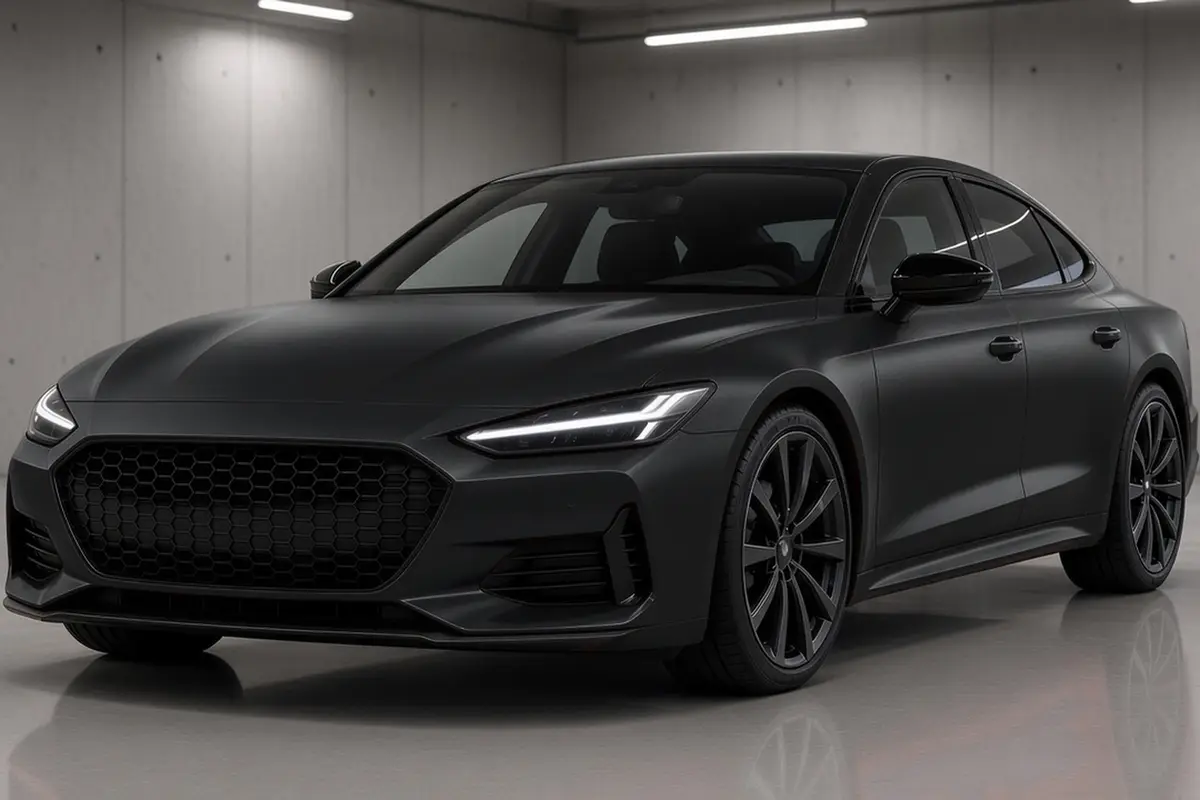
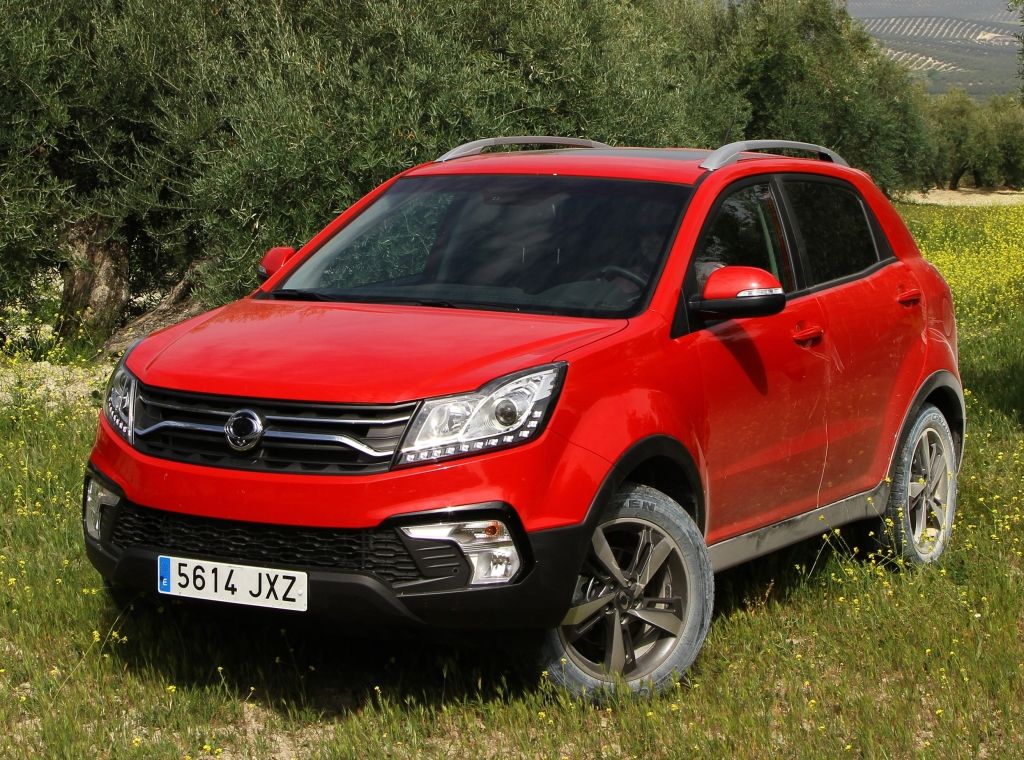
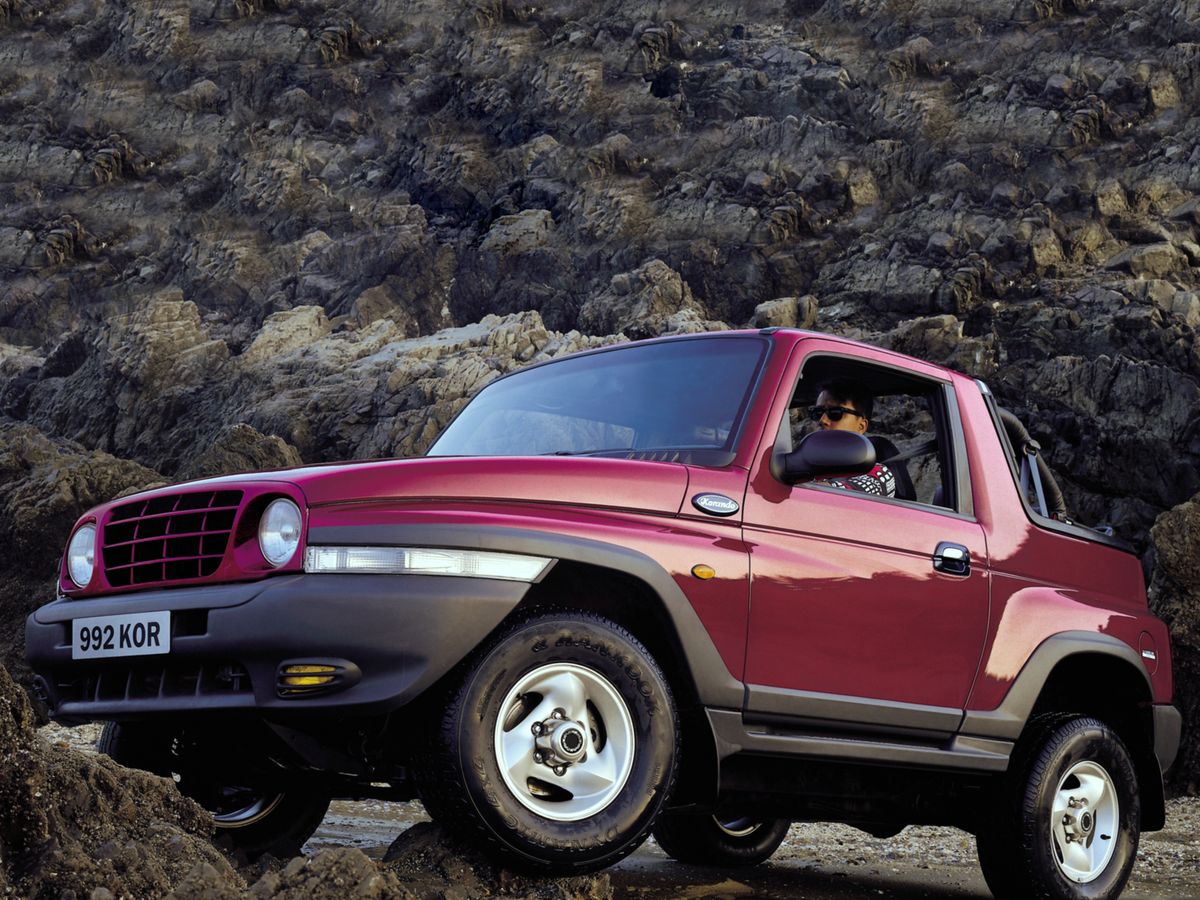
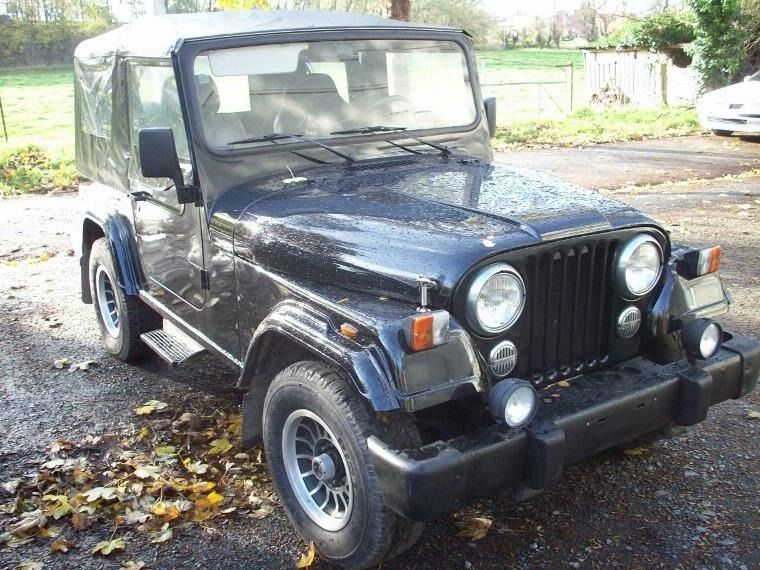
A Korando wrapped in black starts with the finish, since black reacts visually to every change in sheen. Matte black covers the body in a non-reflective layer that hides shallow ripples, while gloss black works like fresh paint and shows every contour. Satin black sits between them with a low sheen that suits the Korando's upright body lines. After the finish, you pick a film from the catalog that matches that look, then decide how much of the car to wrap.
A wrap covers the factory paint without changing it, and the panel edges create natural seams where film stops. On the Korando, the tailgate glass is not wrapped, so the film ends neatly at the glass edge. The bumpers carry parking sensors on every trim of the newest body, and the film is cut around each sensor to keep them working. Door jambs are usually left in the original paint unless you ask for them to be wrapped.
A color change wrap is removable, and careful washing keeps the edges from lifting. Hand wash the Korando with a mild automotive soap and a soft mitt, avoiding pressure washers aimed at film edges. The wrap film is a separate layer from the paint, so it can be peeled off later without changing the color underneath. Dirt and grime should be removed regularly from the lower sills and behind the wheels to protect the film.