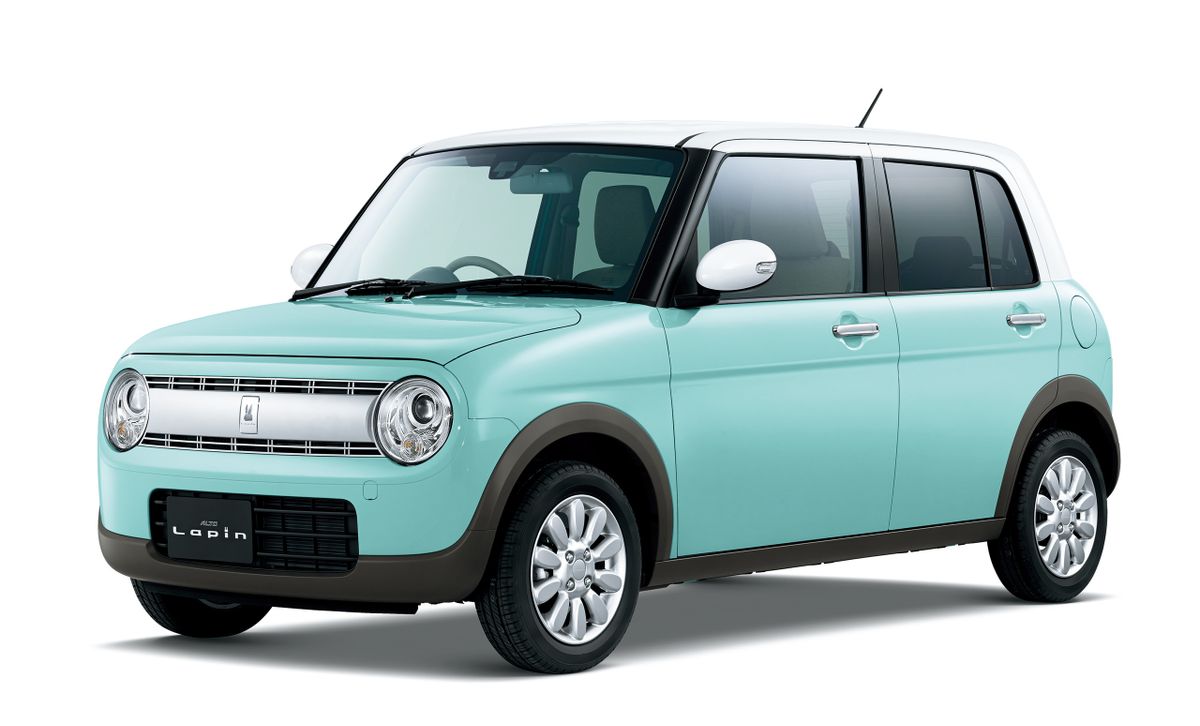

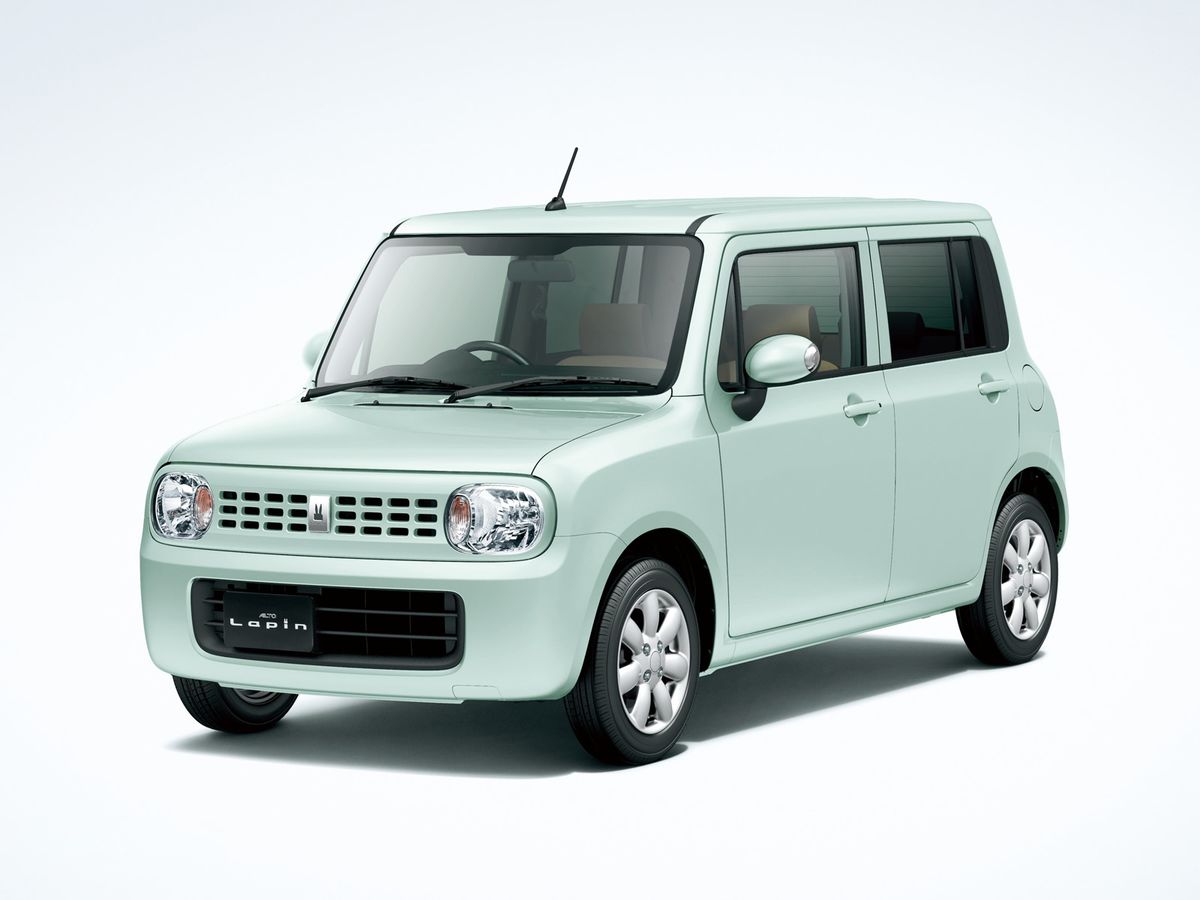
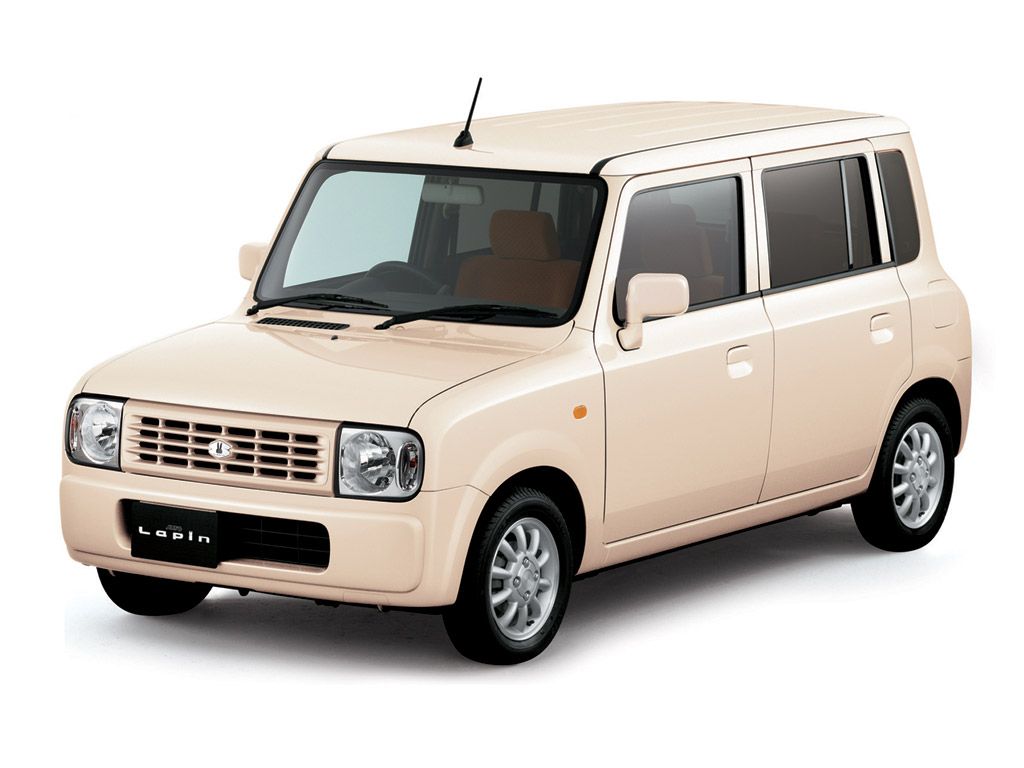
Choosing an Alto Lapin wrapped in orange starts with setting the finish, then picking a film in that finish, and finally deciding between a full or partial color change. Matte and satin films reflect less light and hide small panel curves, while gloss and metallic films add more depth on the slab-sided body. The film estimate stays the same across finishes for a standard cast film, but patterned chrome films require about 52 ft (16 m). Door jambs can be wrapped for a complete color change, though more film and labor are involved.
Factory paint condition matters before wrapping an Alto Lapin: panels may be original or repainted, so a test spot checks adhesion. The tailgate carries the rear glass in it, and the film ends at the edge of the glass with no extra seams. The roof, hood, and door panels on this mini hatchback are easy to reach, so a single installer can handle each panel without piecing. Seams fall on body lines only when a panel is wider than the film, which is rare on this car.
An orange wrap on the Alto Lapin is removable when it was applied over healthy factory paint, so the color change is not permanent. Hand washing with a pH-neutral soap and a soft mitt keeps the film clean without lifting edges. Avoid automatic car washes with brushes and pressure washers aimed at seams. The film can be removed later, and paint condition underneath depends on preparation and care.