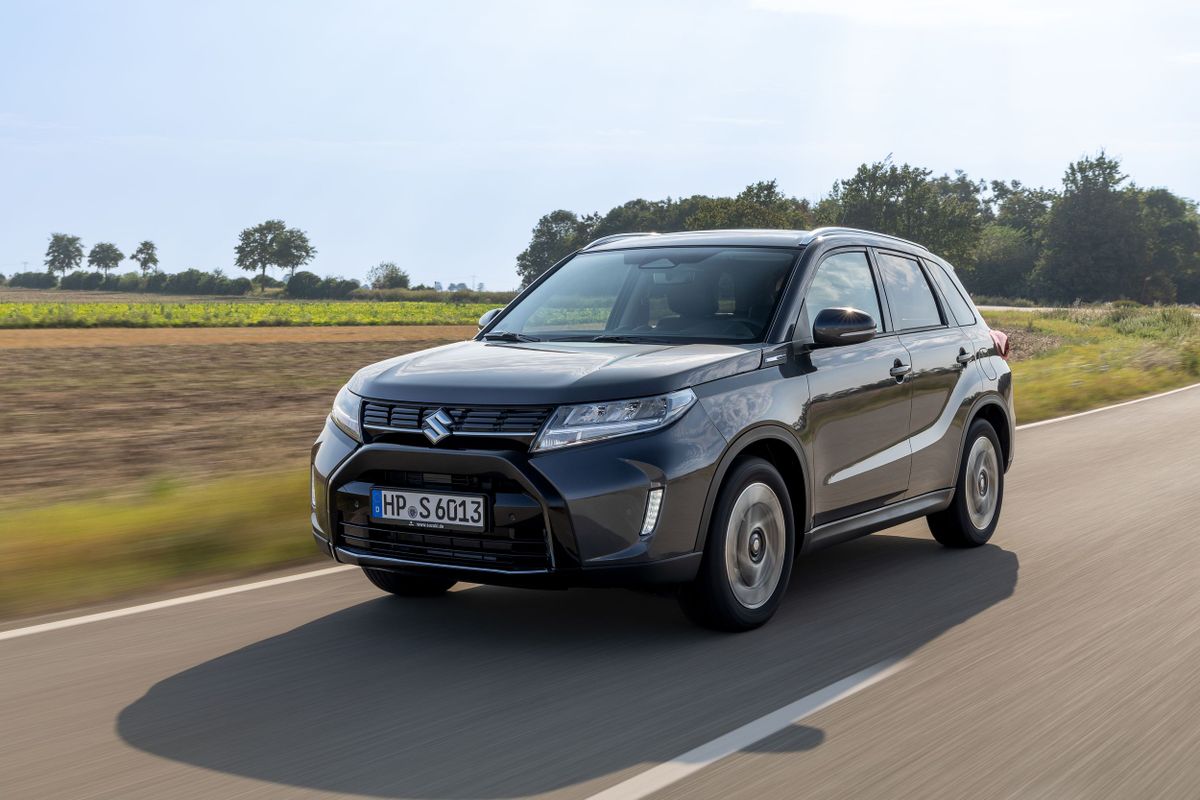
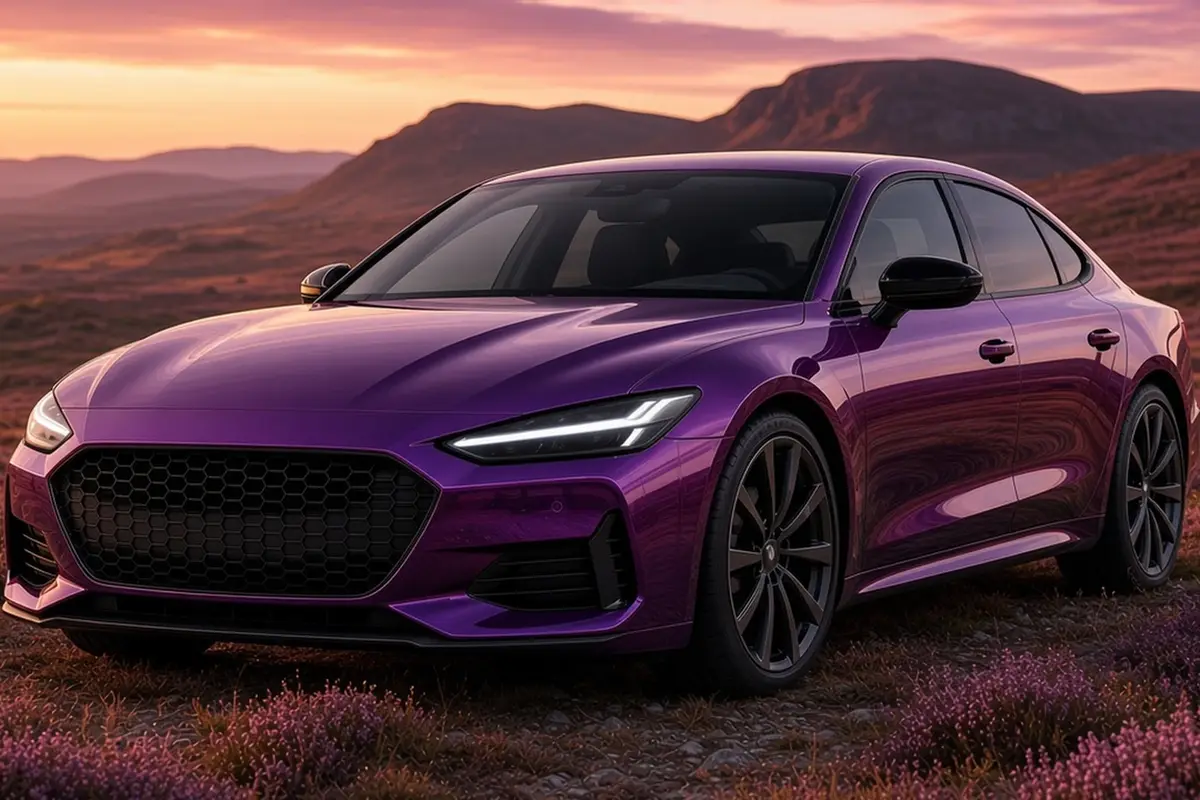
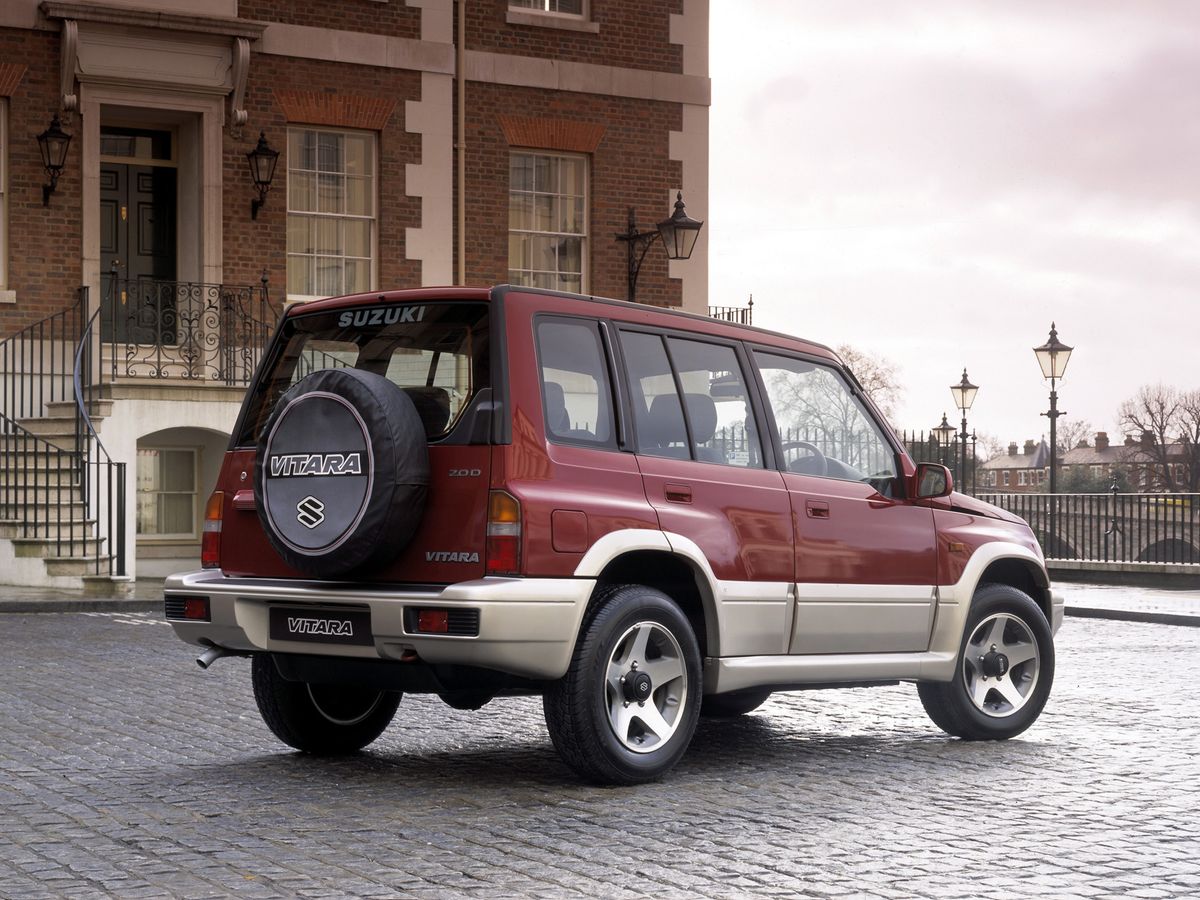
Choosing a color change for a Vitara wrapped in color shift film starts with the finish group, because each group turns differently on this body's panels. Within the finish, the specific film line sets the strength of the shift and the base tone you see in flat light. Some trims have a two-tone body from the factory, and the wrap either keeps that split or covers it. The final decision is whether to wrap the whole car or stop at the door jambs.
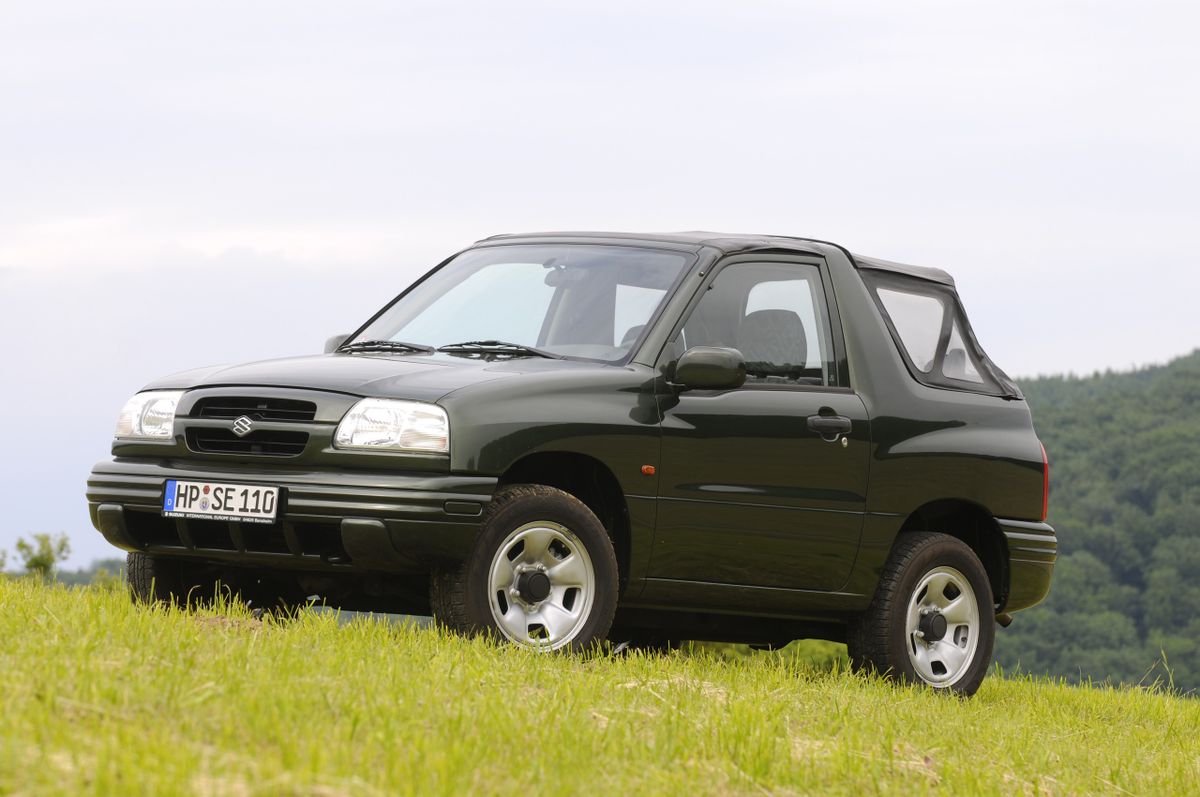
Seams are planned by an installer who knows the Vitara, because the factory paint must stay undamaged. The fourth generation has a tailgate with the rear glass in it, so the film ends at the edge of the glass. On older bodies with an open-top SUV style, a fabric top is not wrapped and the film ends where it begins. Good seam lines follow these edges instead of cutting across a panel.
The film is a removable color change wrap, but it should still be treated as a surface that will be removed later. A test spot on older paint checks that the adhesive releases cleanly before the car is fully wrapped. Hand wash the car with a soft mitt and fresh water, because high-pressure water can lift an edge. The wrap does not seal in rust, so paint flaws have to be corrected first.