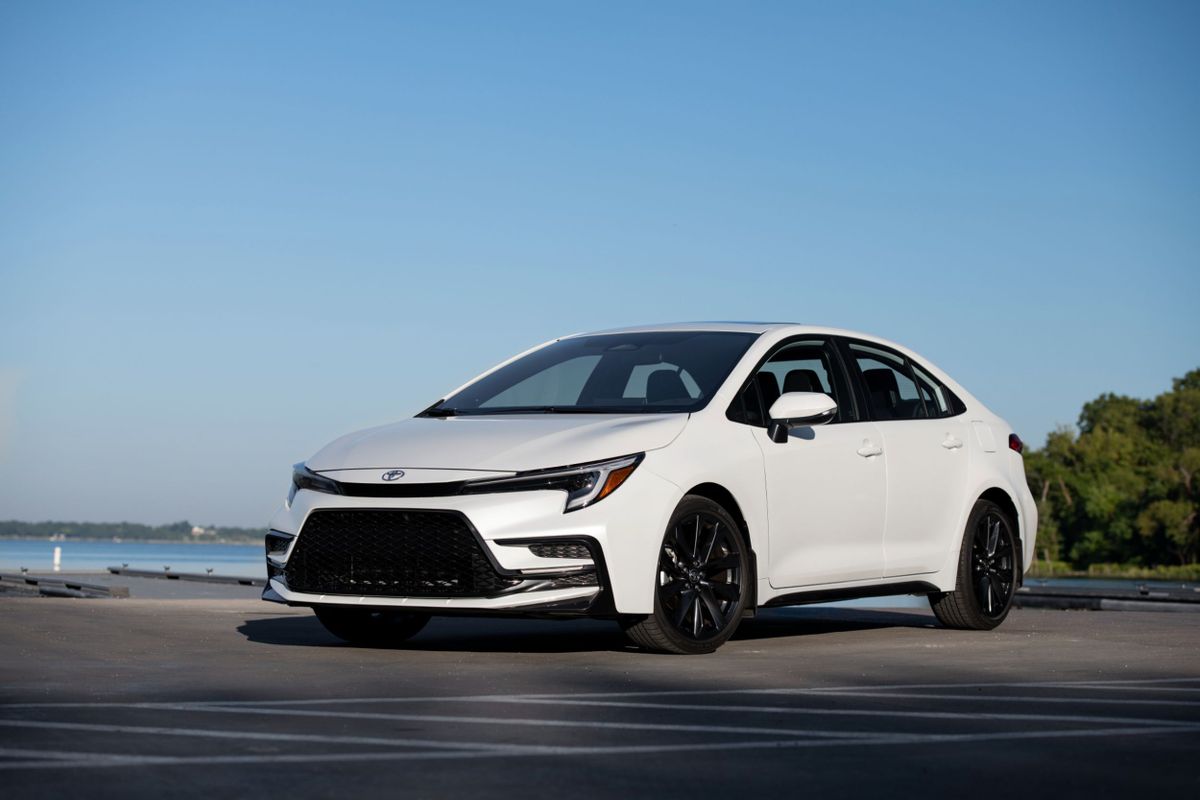
| 2018–now | hatchback, sedan, wagon (4 or 5 doors) | 172.0 in (4,370 mm) to 183.1 in (4,650 mm) | about 51 ft (15.5 m) for the hatchback to 56 ft (17 m) for the wagon, 60-inch (1.52 m) cast film; chrome or patterned film: up to about 72 ft (22 m) |
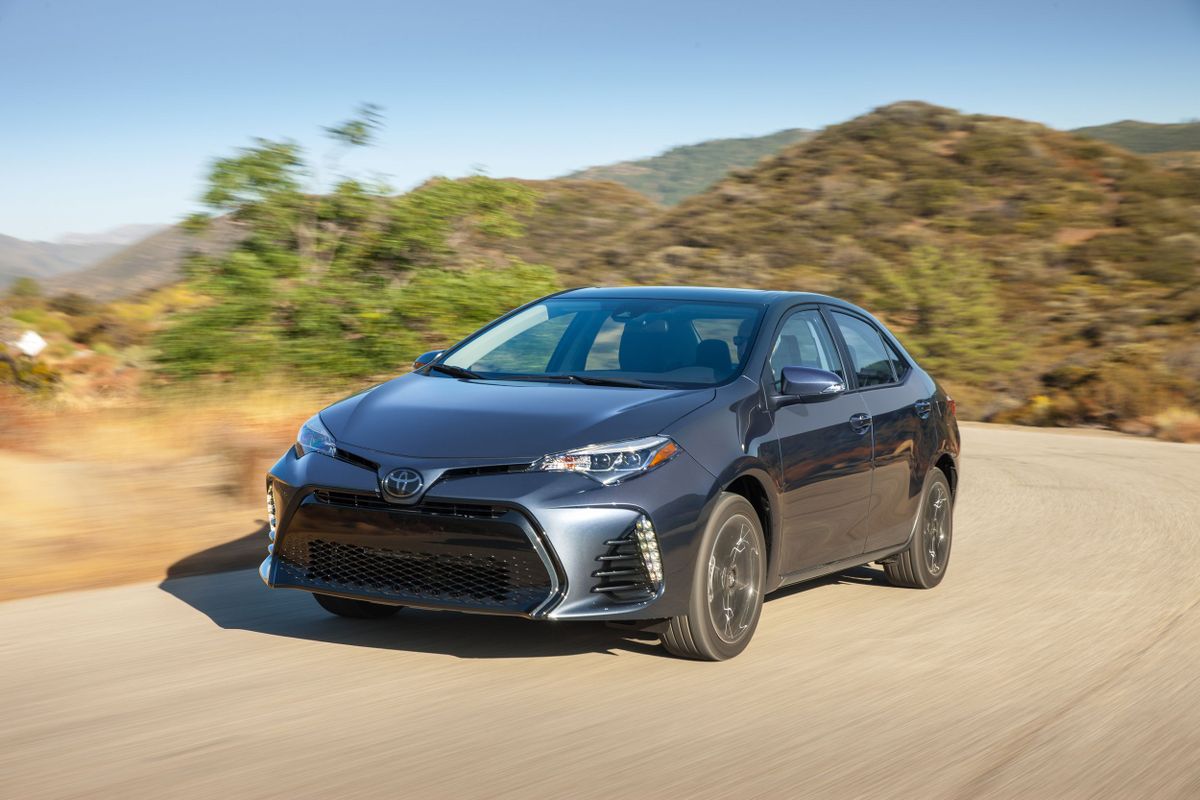
| 2012–2019 | sedan, wagon (4 or 5 doors) | 171.7 in (4,360 mm) to 181.9 in (4,620 mm) | about 52 ft (16 m) for the wagon to 57 ft (17.5 m) for the sedan, 60-inch (1.52 m) cast film; chrome or patterned film: up to about 66 ft (20 m) |
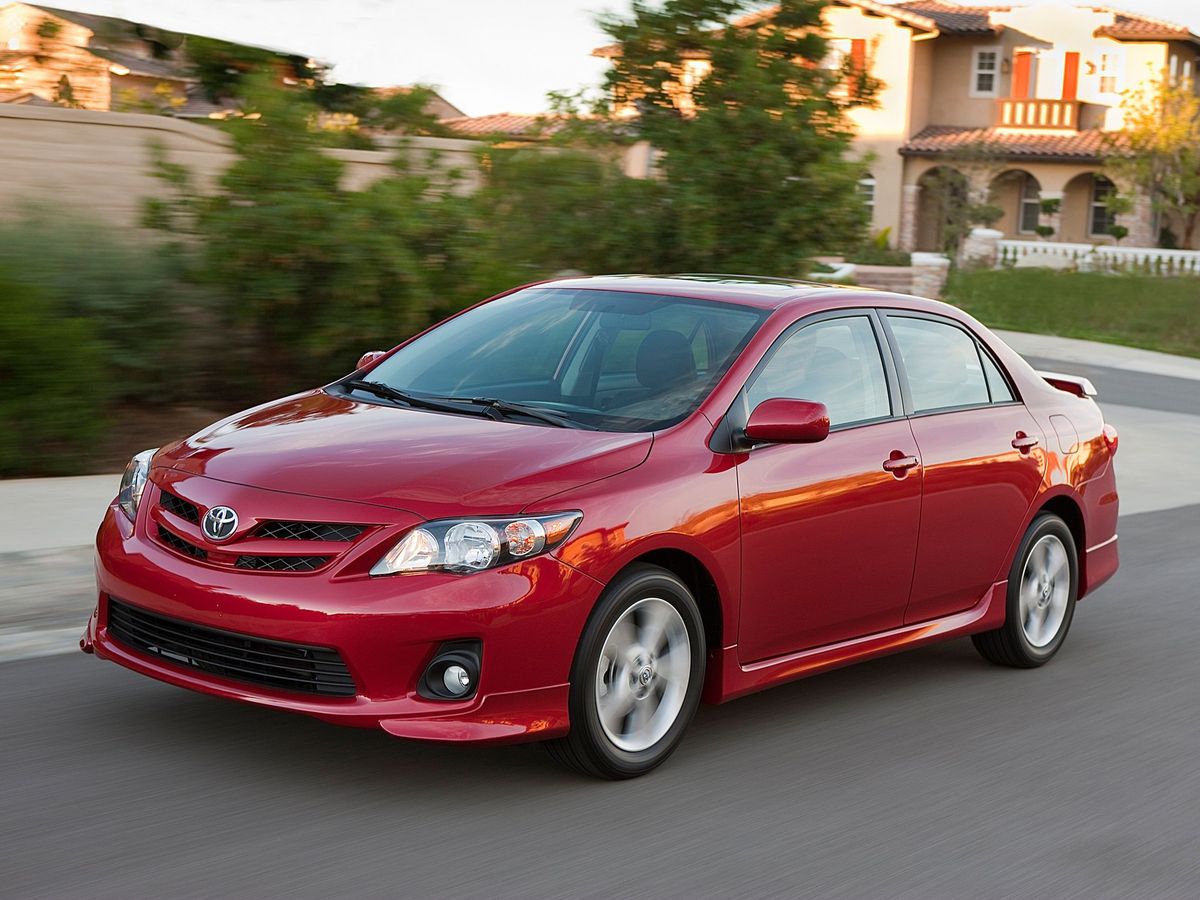
| 2006–2013 | sedan, wagon (4 or 5 doors) | 172.6 in (4,385 mm) to 178.9 in (4,545 mm) | about 52 ft (16 m) for the wagon to 56 ft (17 m) for the sedan, 60-inch (1.52 m) cast film; chrome or patterned film: up to about 66 ft (20 m) |
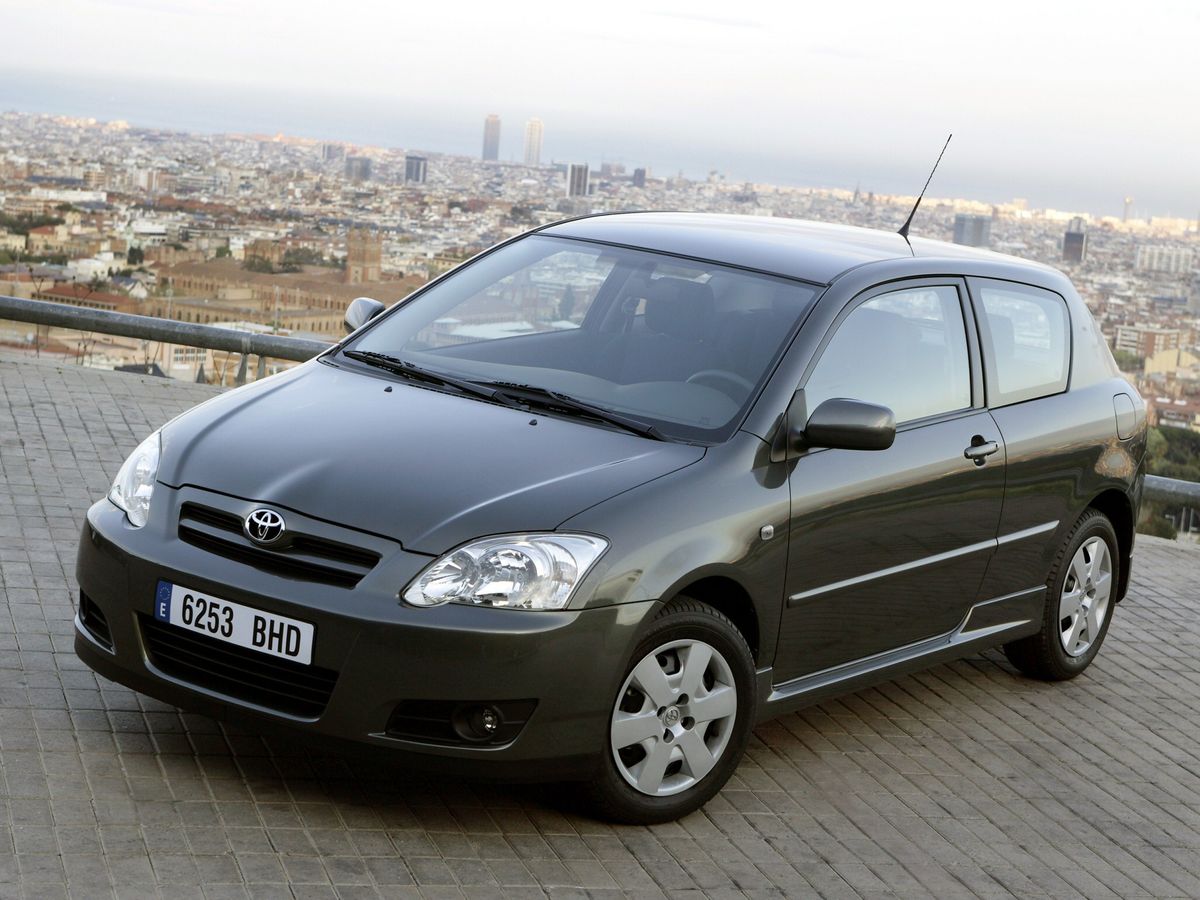
| 2000–2007 | hatchback, sedan, wagon (3 or 4 or 5 doors) | 164.4 in (4,175 mm) to 178.3 in (4,529 mm) | about 52 ft (16 m) for the hatchback to 61 ft (18.5 m) for the wagon, 60-inch (1.52 m) cast film; chrome or patterned film: up to about 67 ft (20.5 m) |
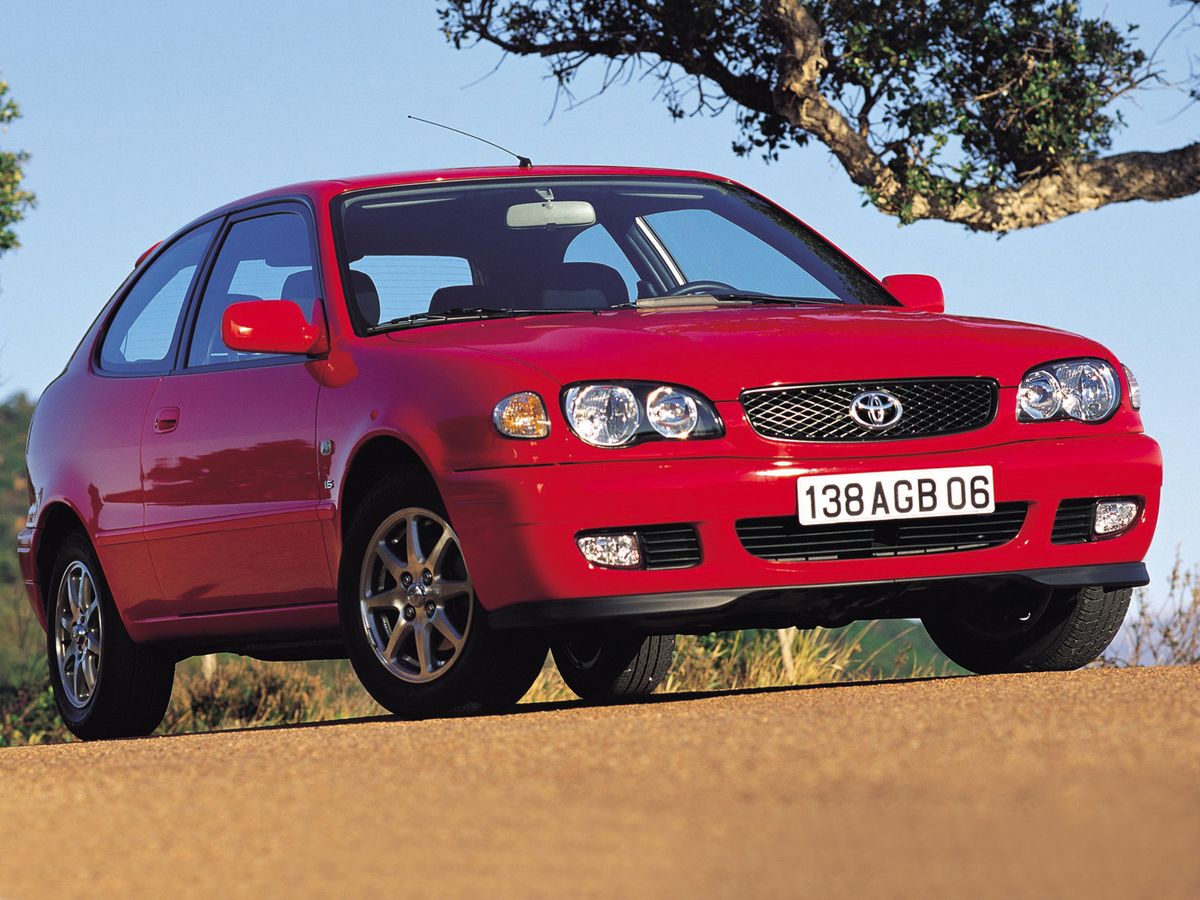
| 1997–2001 | hatchback, liftback, sedan, wagon (3 or 4 or 5 doors) | 162.2 in (4,120 mm) to 170.9 in (4,341 mm) | about 48 ft (14.5 m) for the sedan to 52 ft (16 m) for the wagon, 60-inch (1.52 m) cast film; chrome or patterned film: up to about 67 ft (20.5 m) |
| 1991–1997 | hatchback, liftback, sedan, wagon (3 or 4 or 5 doors) | 161.4 in (4,100 mm) to 171.9 in (4,365 mm) | about 48 ft (14.5 m) for the hatchback to 52 ft (16 m) for the wagon, 60-inch (1.52 m) cast film; chrome or patterned film: up to about 66 ft (20 m) |
| 1987–1992 | coupe, hatchback, liftback, sedan, wagon (2 or 3 or 4 or 5 doors) | 157.3 in (3,995 mm) to 167.1 in (4,245 mm) | about 46 ft (14 m) for the coupe to 51 ft (15.5 m) for the wagon, 60-inch (1.52 m) cast film; chrome or patterned film: up to about 64 ft (19.5 m) |
| 1983–1987 | coupe, hatchback, liftback, sedan (2 or 3 or 4 or 5 doors) | 156.3 in (3,970 mm) to 165.6 in (4,205 mm) | about 44 ft (13.5 m) for the coupe to 48 ft (14.5 m) for the liftback, 60-inch (1.52 m) cast film; chrome or patterned film: up to about 54 ft (16.5 m) |
| 1979–1983 | liftback, sedan, wagon (3 or 4 or 5 doors) | 159.4 in (4,050 mm) to 161.6 in (4,105 mm) | about 46 ft (14 m) for the sedan to 49 ft (15 m) for the wagon, 60-inch (1.52 m) cast film; chrome or patterned film: up to about 64 ft (19.5 m) |
| 1974–1979 | coupe, liftback, sedan (2 or 3 or 4 doors) | 157.3 in (3,995 mm) to 164.4 in (4,175 mm) | about 43 ft (13 m) for the coupe to 48 ft (14.5 m) for the liftback, 60-inch (1.52 m) cast film; chrome or patterned film: up to about 52 ft (16 m) |
| 1970–1974 | coupe, sedan, wagon (2 or 3 or 4 doors) | 155.3 in (3,945 mm) | about 43 ft (13 m) for the coupe to 48 ft (14.5 m) for the wagon, 60-inch (1.52 m) cast film; chrome or patterned film: up to about 61 ft (18.5 m) |
| 1966–1970 | coupe, sedan, wagon (2 or 3 or 4 doors) | 151.5 in (3,848 mm) | about 41 ft (12.5 m) for the coupe to 46 ft (14 m) for the wagon, 60-inch (1.52 m) cast film; chrome or patterned film: up to about 59 ft (18 m) |