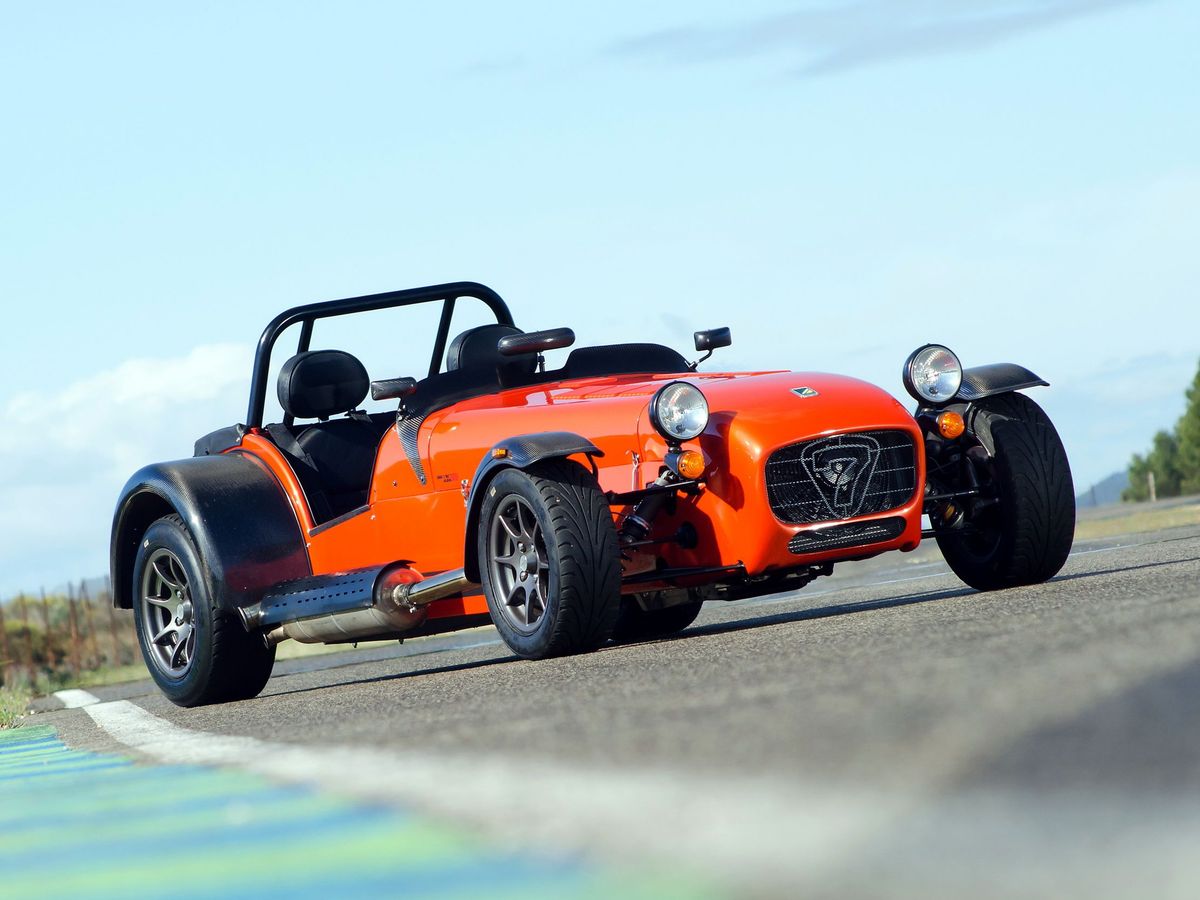
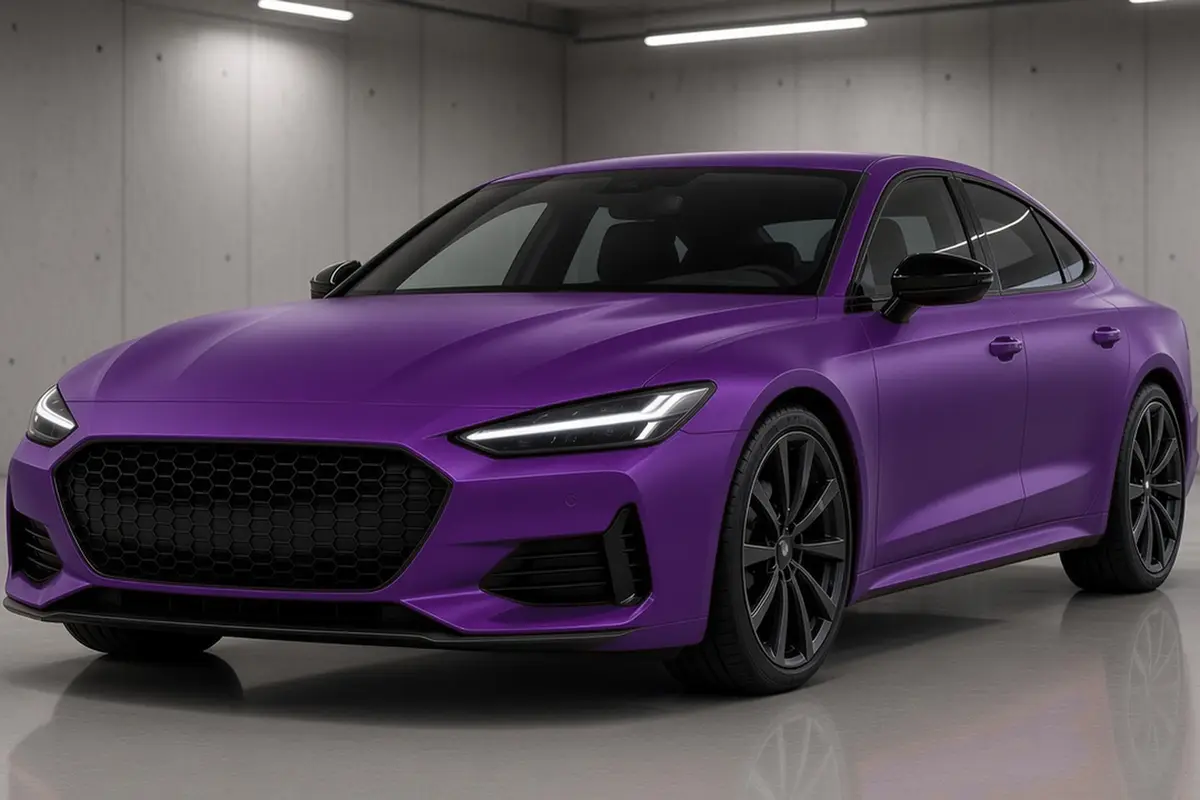
A Seven wrapped in purple starts with a color change decision that follows three steps: finish first, then film, then full or partial coverage. The finish choice sets the final look because matte, satin, gloss and metallic purple read differently on the small open body. After the finish, compare films within that finish for tone, from lilac to deep midnight purple, and confirm the brand you want. Then decide whether to wrap the whole car or only selected panels like the hood and rear deck.
The Seven's factory paint is the base for the wrap, so inspect every panel for chips, cracks or rust before film goes on. A vinyl wrap will not hide damage, and deep flaws can show through the purple film as bumps. On a car built from 1992 to today, original paint condition varies widely, so prep work may mean fixing paint before wrapping. Seams are planned on this 133.1 in (3,380 mm) body to use the 33 ft (10 m) of film efficiently, with edges tucked at panel gaps.
A purple wrap on the Seven is removable, so you can return to the original color without sanding or repainting. The film comes off with heat, and a professional removal protects the paint under it. Hand wash the wrapped Seven with a soft mitt and pH-neutral soap, and avoid automatic brushes. The open body means less surface area than a large car, so washing and drying the purple film takes only a little time.