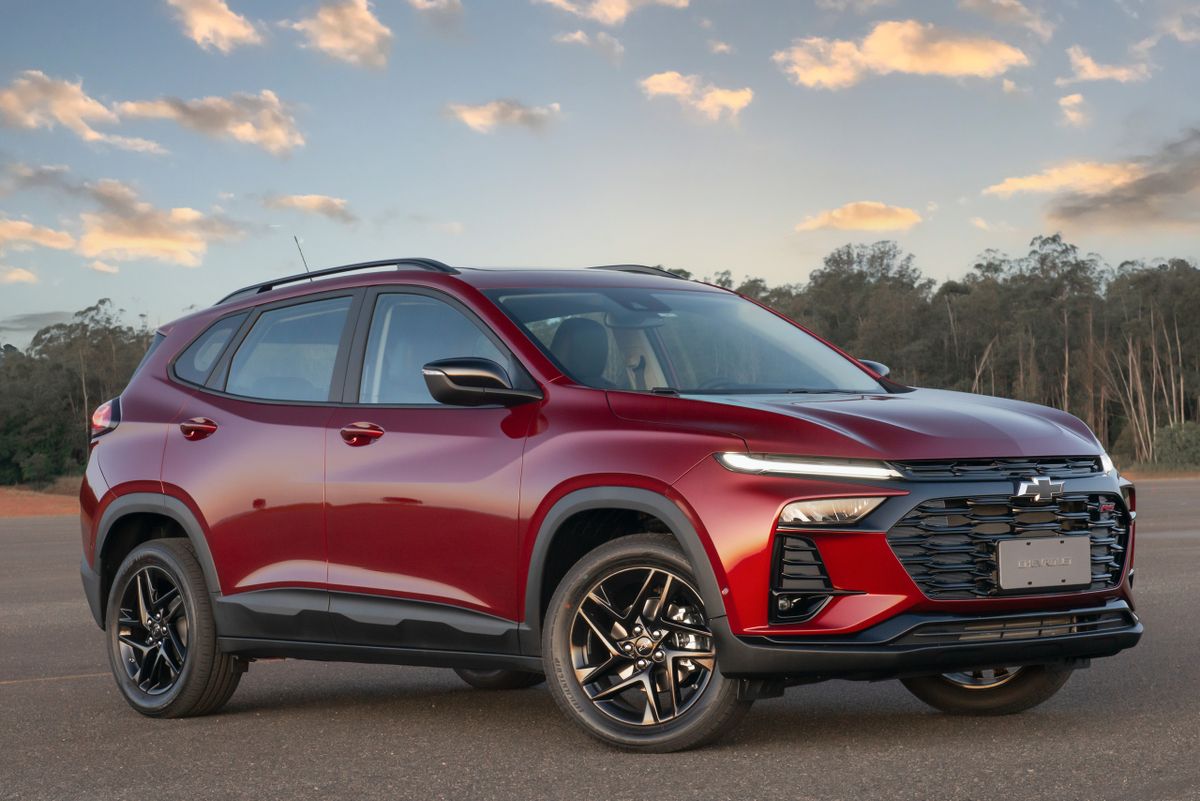

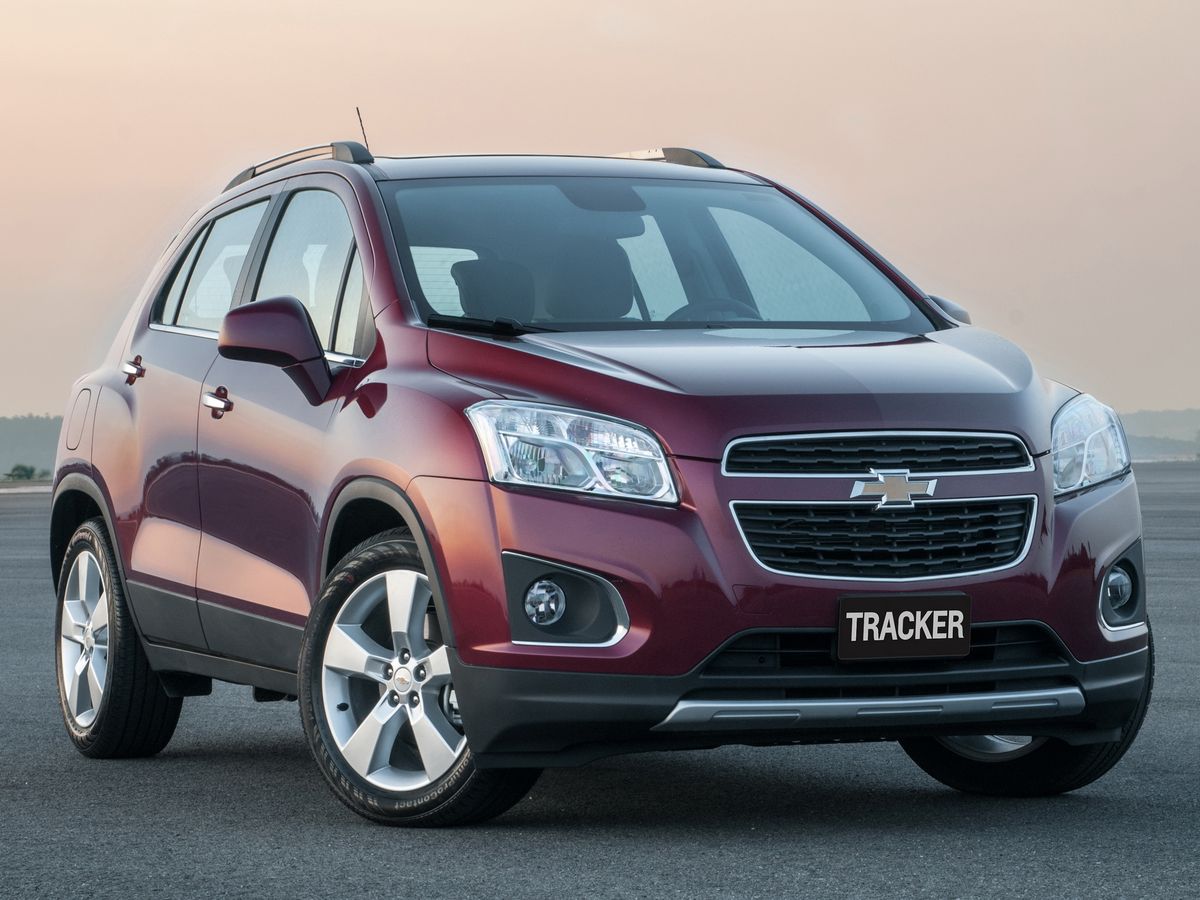
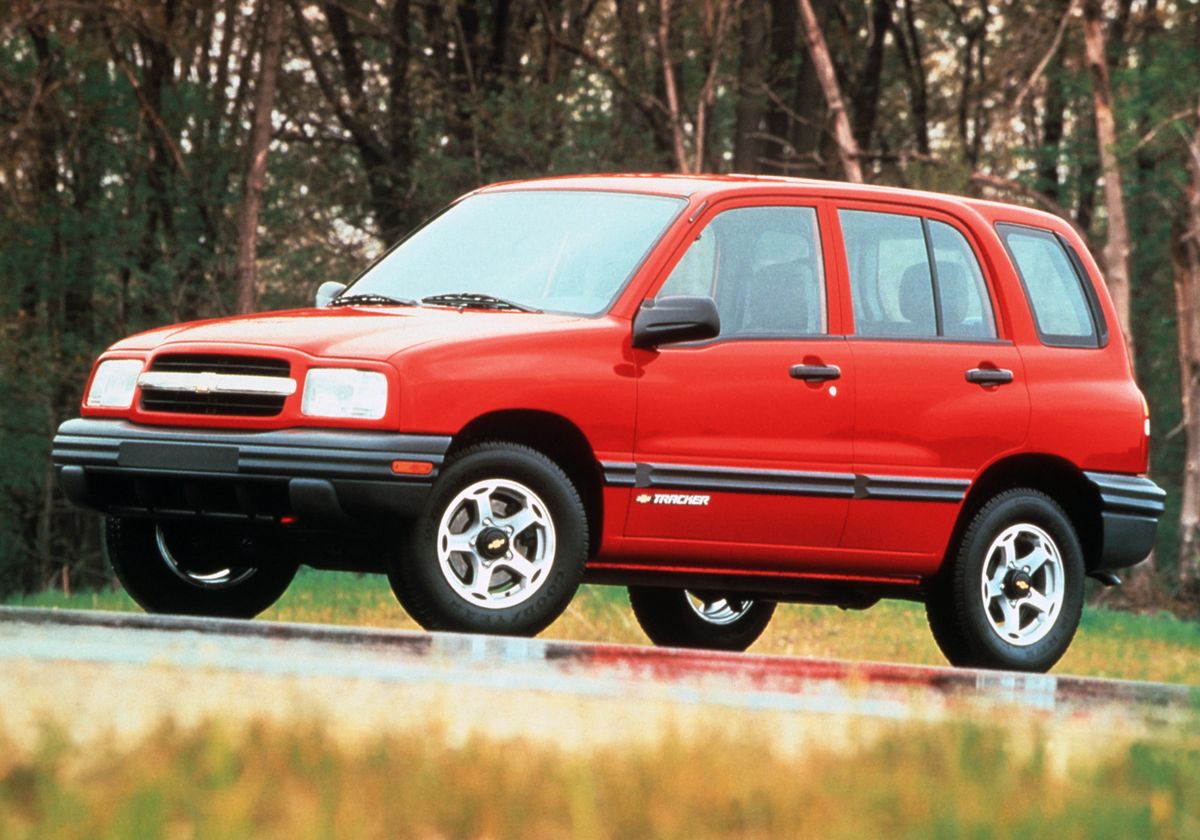
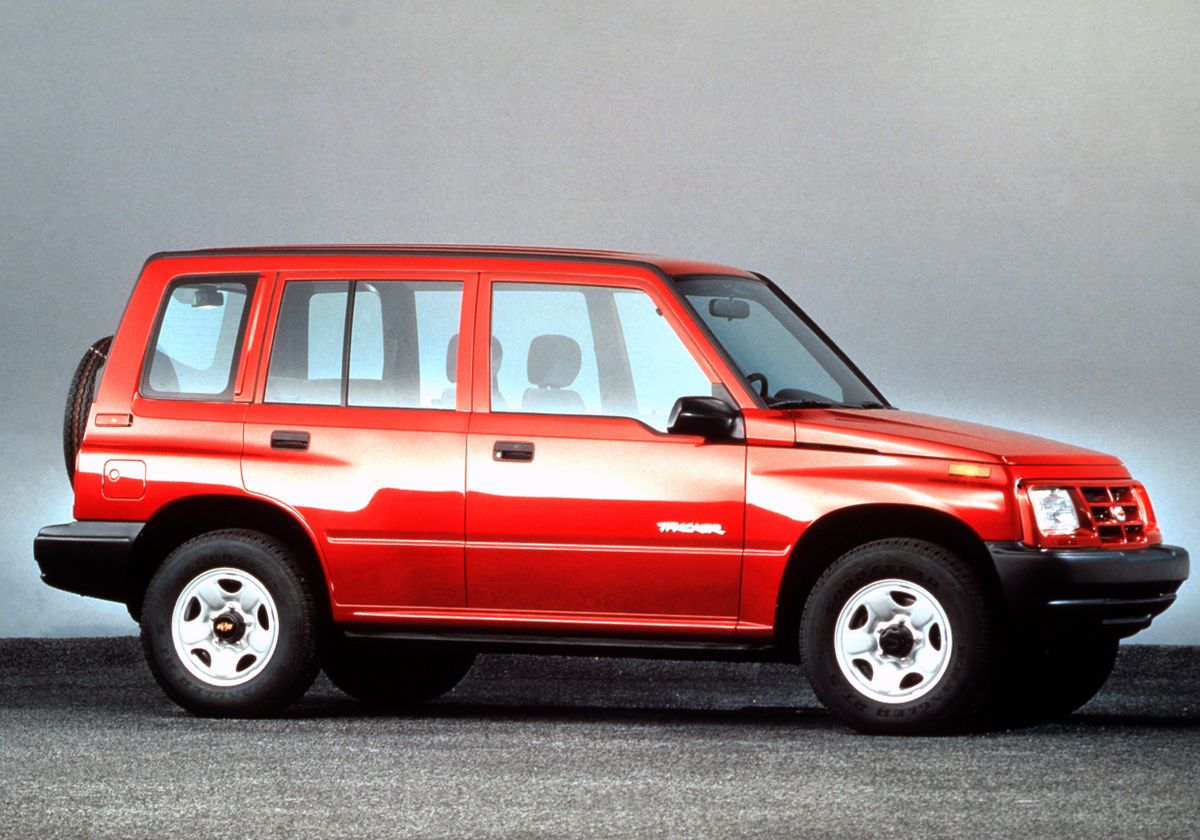
A Chevrolet Tracker in white starts with a choice of finish, then a film line, and then a full or partial color change. Matte and super matte films hide ripples better on large flat panels like the doors. Satin films give a low sheen that many owners read as a modern take on white. Gloss films carry the most reflection and bring the white closest to a factory paint look.
The factory paint under the wrap decides how much preparation a white Tracker needs before the film goes on. Any chips, deep scratches or rust spots stand out through a thin white film, so the surface must be smooth first. The wrap facts list a tailgate with the rear glass in it, which means the film ends at the edge of the glass. A single seam behind that edge is enough for this body.
The white wrap on a Tracker is removable and reversible, but it still needs a hand wash routine. High-pressure wash, automatic brushes and solvent-based cleaners can lift an edge or dull a finish. A soft mitt, a pH-neutral car soap and clean water keep the white film clean without pulling at the seams. On a white wrap, dirt shows less than on a dark color, but road film still builds up over time.