Wraps by car

Chevrolet Tracker wrap

A Chevrolet Tracker wrap covers the SUV with vinyl film on the outside of the body. The catalog presents four generations, from 1988 to the current fourth generation. The newest body, from 2019 onward, needs about 57 ft (17.5 m) of 60-inch (1.52 m) cast film for a full wrap.

4generations17.5 mof film for a full wrap

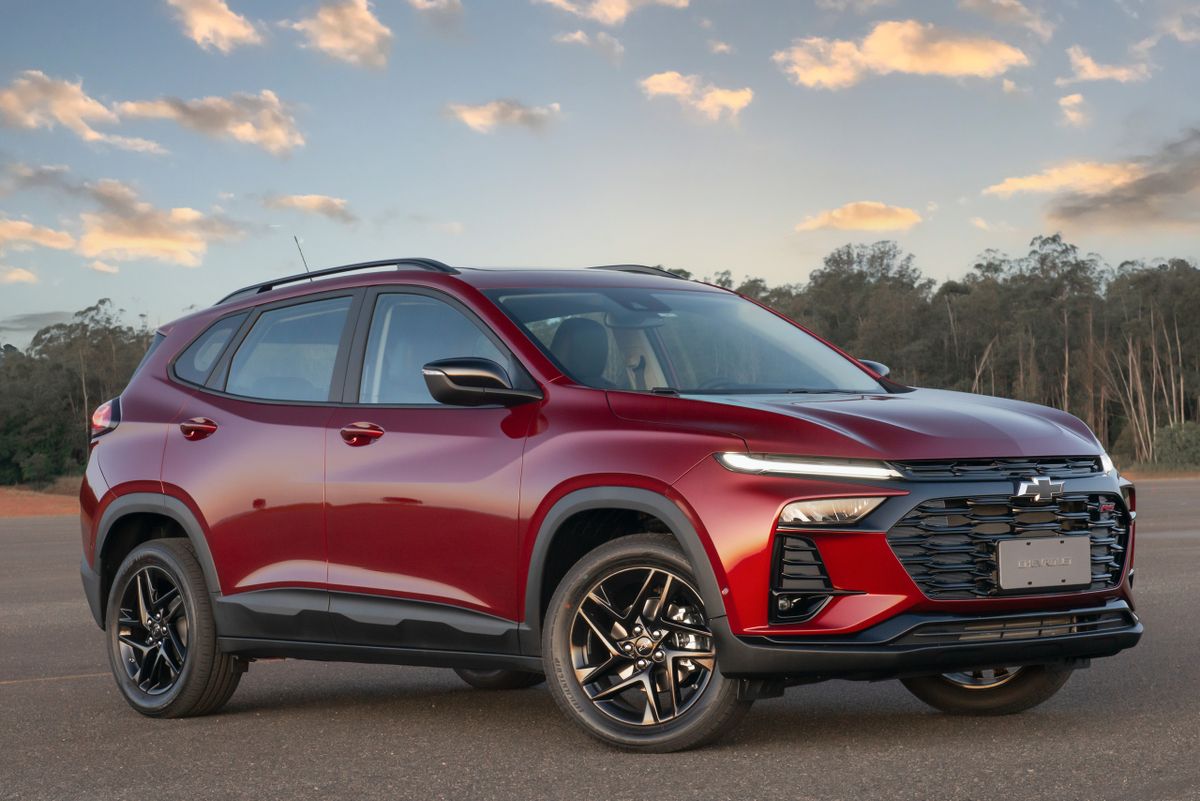
Chevrolet Tracker, fourth generation, factory photo
Chevrolet Tracker, fourth generation. Factory color shown.

Chevrolet Tracker wrap colors and ideas

  • Tracker black wrap
  • Tracker white wrap
  • Tracker gray wrap
  • Tracker silver wrap
  • Tracker red wrap
  • Tracker blue wrap
  • Tracker green wrap
  • Tracker yellow wrap
  • Tracker orange wrap
  • Tracker purple wrap
  • Tracker pink wrap
  • Tracker teal wrap
  • Tracker brown wrap
  • Tracker gold wrap
  • Tracker chrome wrap
  • Tracker color shift wrap
  • Tracker carbon fiber wrap
  • Tracker camo and patterned wrap

How much vinyl to wrap a Chevrolet Tracker

Estimates from the body dimensions in the catalog, for a 1.52 m (60 in) roll.

YearsBodyLengthFilm to order
2019–nowSUV (5 doors)168.1 in (4,270 mm)about 57 ft (17.5 m) of 60-inch (1.52 m) cast film; chrome or patterned film: about 66 ft (20 m)
2013–2015SUV (5 doors)167.2 in (4,248 mm)about 57 ft (17.5 m) of 60-inch (1.52 m) cast film; chrome or patterned film: about 64 ft (19.5 m)
1998–2004SUV (3 or 5 doors)151.8 in (3,855 mm) to 162.8 in (4,135 mm)about 56 ft (17 m) of 60-inch (1.52 m) cast film; chrome or patterned film: about 62 ft (19 m)
1988–1998SUV (3 or 5 doors)143.7 in (3,650 mm) to 158.7 in (4,030 mm)about 51 ft (15.5 m) of 60-inch (1.52 m) cast film; chrome or patterned film: about 57 ft (17.5 m)

Tracker wrap cost factors

Tracker wrap cost depends on the chosen film, the generation size, and the labor for body preparation. The newest body takes about 57 ft (17.5 m) of film, while the first generation takes about 51 ft (15.5 m). Matte or textured films add material cost compared to gloss films. A partial job with fewer panels uses less film and less time.
  • Film for a full wrap: about 57 ft (17.5 m) of 60-inch (1.52 m) cast film; chrome or patterned film: about 66 ft (20 m).
  • Body: SUV (5 doors).
  • A tailgate with the rear glass in it: the film ends at the edge of the glass.
  • Restyled in 2025: bumpers and lights differ between the versions, and so do the film cuts.

Tracker wraps by generation

Swipe sideways. Tap a card for the full description.

Chevrolet Tracker, fourth generation, factory photo
Factory color shown

2019–now Tracker SUV (fourth generation)

2019–nowSUV (5 doors)168.1 in (4,270 mm)

The fourth generation Chevrolet Tracker runs from 2019 to now and was restyled in 2025. The 2025 restyling changed the bumpers and lights, so film kits for earlier years do not fit the newer panels. A full wrap of this body uses about 57 ft (17.5 m) of 60-inch (1.52 m) film. The vehicle length is 168.1 in (4,270 mm).

A tailgate with the rear glass in it: the film ends at the edge of the glass.

Film: about 57 ft (17.5 m) of 60-inch (1.52 m) cast film; chrome or patterned film: about 66 ft (20 m).

Chevrolet Tracker, third generation, factory photo
Factory color shown

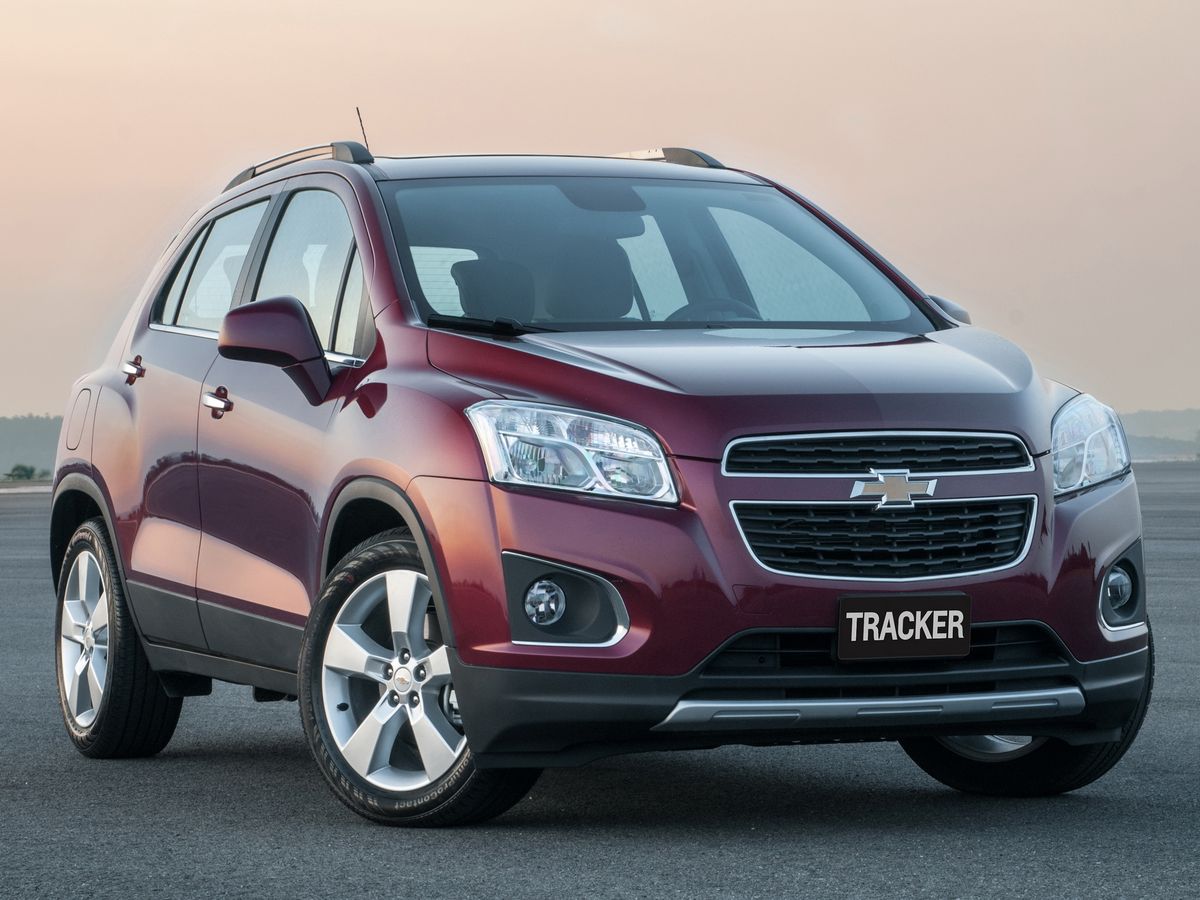
2013–2015 Tracker SUV (third generation)

2013–2015SUV (5 doors)167.2 in (4,248 mm)

The third generation Tracker was produced from 2013 to 2015 as a five-door SUV. It is nearly the same size as the fourth generation, at 167.2 in (4,248 mm) long. A full wrap takes about 57 ft (17.5 m) of 60-inch (1.52 m) film. The body has similar panel shapes, so the number of panels matches the newer model.

A tailgate with the rear glass in it: the film ends at the edge of the glass.

Film: about 57 ft (17.5 m) of 60-inch (1.52 m) cast film; chrome or patterned film: about 64 ft (19.5 m).

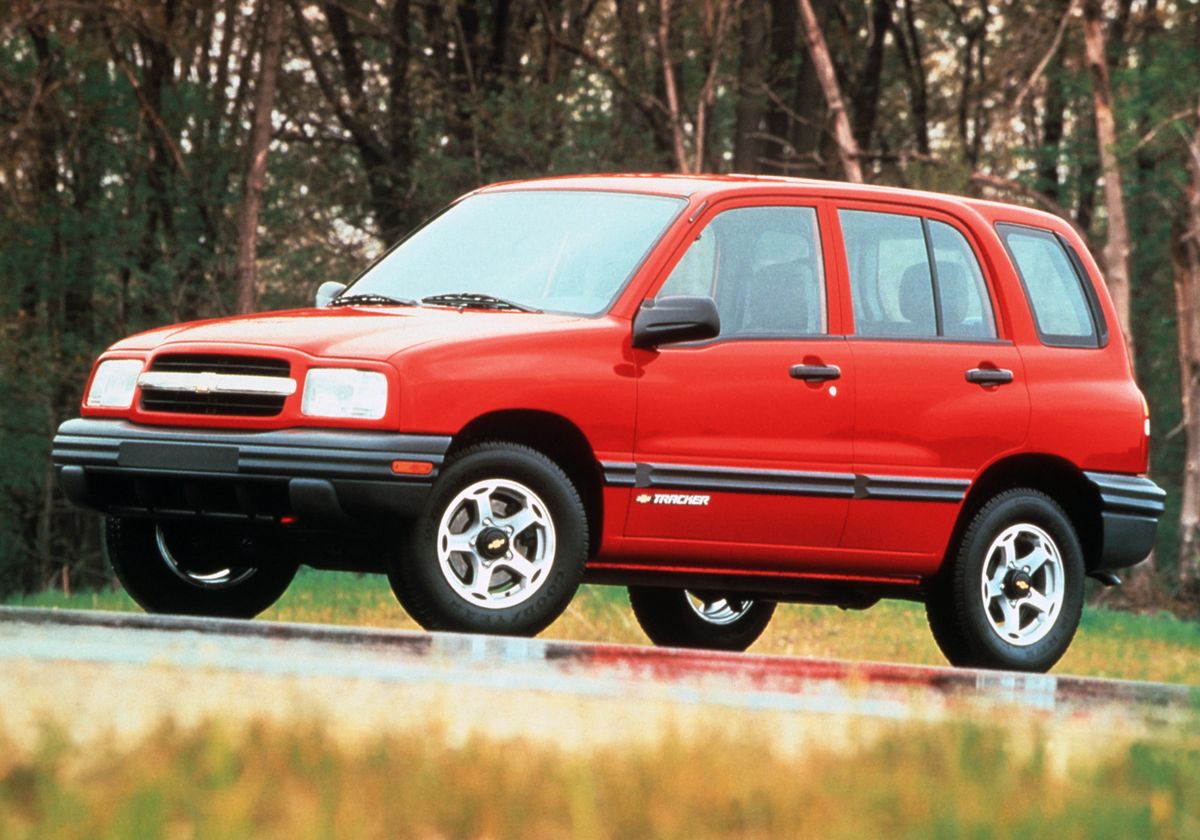
Chevrolet Tracker, second generation, factory photo
Factory color shown

1998–2004 Tracker SUV (second generation)

1998–2004SUV (3 or 5 doors)151.8 in (3,855 mm) to 162.8 in (4,135 mm)

The second generation Tracker spans 1998 to 2004 and came as a three- or five-door SUV. On a car of these years, some panels may be repainted, so a test spot checks paint adhesion before a full wrap. The length ranges from 151.8 in (3,855 mm) to 162.8 in (4,135 mm). A full wrap uses about 56 ft (17 m) of 60-inch (1.52 m) film.

A tailgate with the rear glass in it: the film ends at the edge of the glass.

Film: about 56 ft (17 m) of 60-inch (1.52 m) cast film; chrome or patterned film: about 62 ft (19 m).

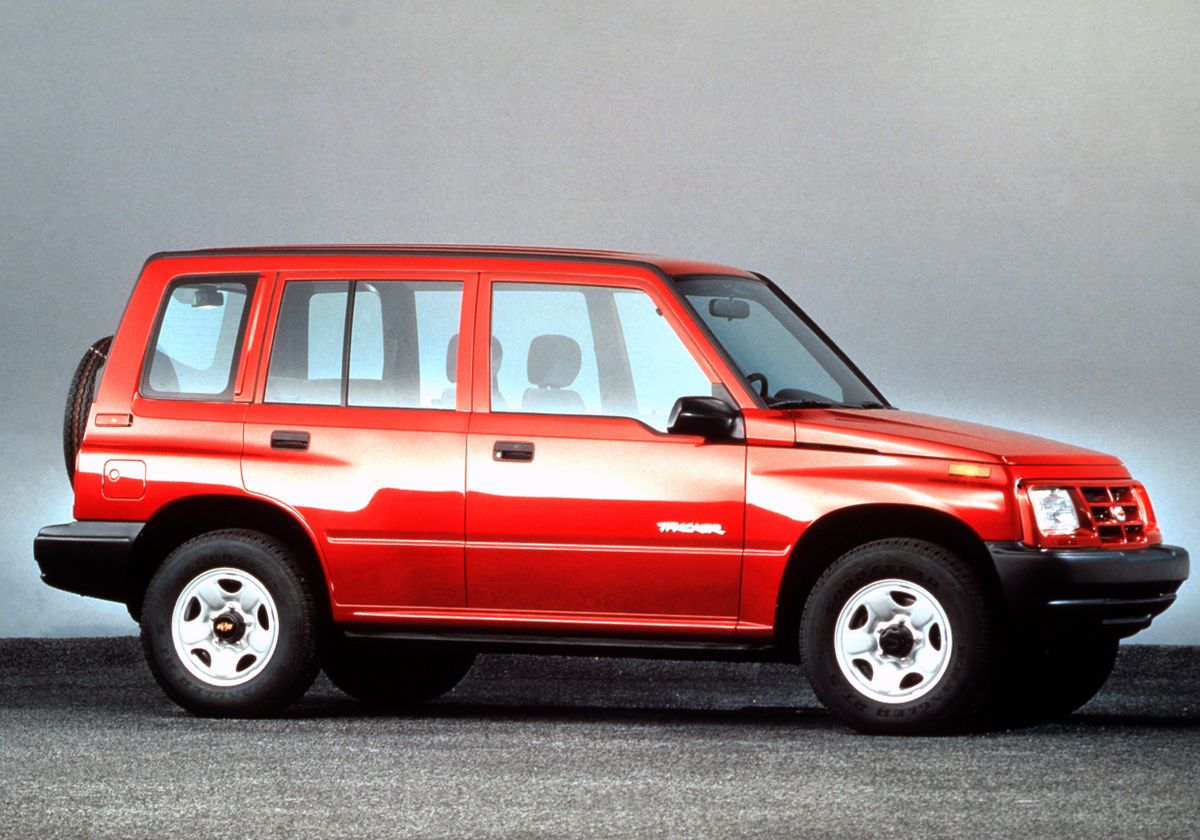
Chevrolet Tracker, first generation, factory photo
Factory color shown

1988–1998 Tracker SUV (first generation)

1988–1998SUV (3 or 5 doors)143.7 in (3,650 mm) to 158.7 in (4,030 mm)

The first generation Tracker was built from 1988 to 1998 as a three- or five-door SUV. The shorter body, from 143.7 in (3,650 mm) to 158.7 in (4,030 mm), needs about 51 ft (15.5 m) of 60-inch (1.52 m) film. Fewer panels and tighter curves can make the wrap job slightly different from newer models. The tailgate glass remains a cut-out area on this generation.

A tailgate with the rear glass in it: the film ends at the edge of the glass.

Film: about 51 ft (15.5 m) of 60-inch (1.52 m) cast film; chrome or patterned film: about 57 ft (17.5 m).

Roof, hood, chrome delete and PPF on a Tracker

Not every Tracker wrap needs to cover the whole vehicle. A partial wrap can include the roof, hood, mirror caps, or a combination of these areas. For a Tracker chrome delete, the window trim and badges are covered with black film. Paint protection film (PPF) is a clear option for the front end to guard against stone chips.

  • Partial wrap: roof, hood, mirror caps.
  • Chrome delete: window trim and badges.
  • Paint protection film: clear film on the front end, also over a wrap.

Wrapping a Chevrolet Tracker: body, cut-outs and film

A Chevrolet Tracker vinyl wrap is sized to the compact SUV body. The fourth generation, from 2019 to now, measures 168.1 in (4,270 mm) in length. The first generation from 1988 to 1998 was shorter, at 143.7 in (3,650 mm) to 158.7 in (4,030 mm). All generations are five-door SUVs, with three-door options in the first and second generations.

Tracker wrap ideas include clear paint protection film (PPF) on the front end. The rear tailgate has glass in it, so the film ends at the edge of the glass. For a clean look, window trim and badges can be covered in black film for a chrome delete. Mirror caps, the roof, and the hood are also good partial wrap areas.

How much vinyl to wrap a Tracker depends on the generation and its length. The fourth generation needs about 57 ft (17.5 m) of 60-inch (1.52 m) film. The first generation uses about 51 ft (15.5 m) of the same film. The second generation falls between, with lengths from 151.8 in (3,855 mm) to 162.8 in (4,135 mm).

Questions about wrapping a Chevrolet Tracker

How much vinyl does it take to wrap a Chevrolet Tracker?

A full Chevrolet Tracker wrap takes about 57 ft (17.5 m) of 60-inch (1.52 m) vinyl film. This figure comes from the fourth generation, which is 168.1 in (4,270 mm) long. Older generations need slightly less film because they are shorter. The exact amount also depends on the film pattern and the installer's cutting layout.

Which years of the Tracker take the same film cuts?

The same film cuts fit the 2019 to 2024 fourth generation Tracker. In 2025 the bumpers and lights changed, so those panels need different patterns. The third generation from 2013 to 2015 has a distinct body. The first and second generations are smaller and use separate kits.

Can I wrap only the hood or the roof of a Tracker?

Yes, a hood or roof wrap on a Tracker is a standard partial job. The roof and mirror caps are also wrapped together or separately. A hood wrap covers the top surface and can be done with a single piece of film. Partial wraps need less material than a full wrap.

Is a Tracker hard to wrap?

A Tracker is not a hard wrap, but it has one tricky area. The tailgate has glass in it, so the film must be trimmed exactly at the edge of the glass. The small size of the vehicle, especially the first generation at 143.7 in (3,650 mm), helps with handling panels. The shape is fairly square, which makes vinyl application straightforward.