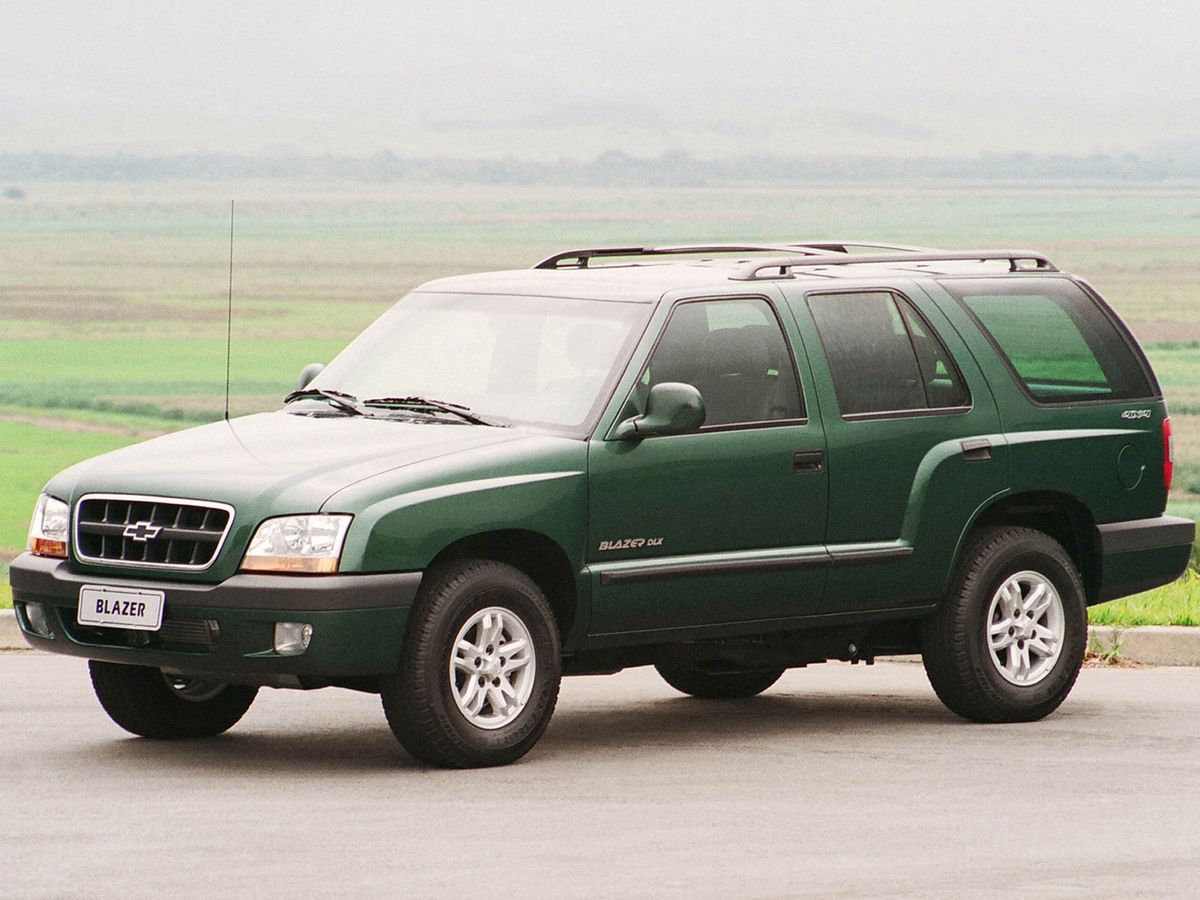
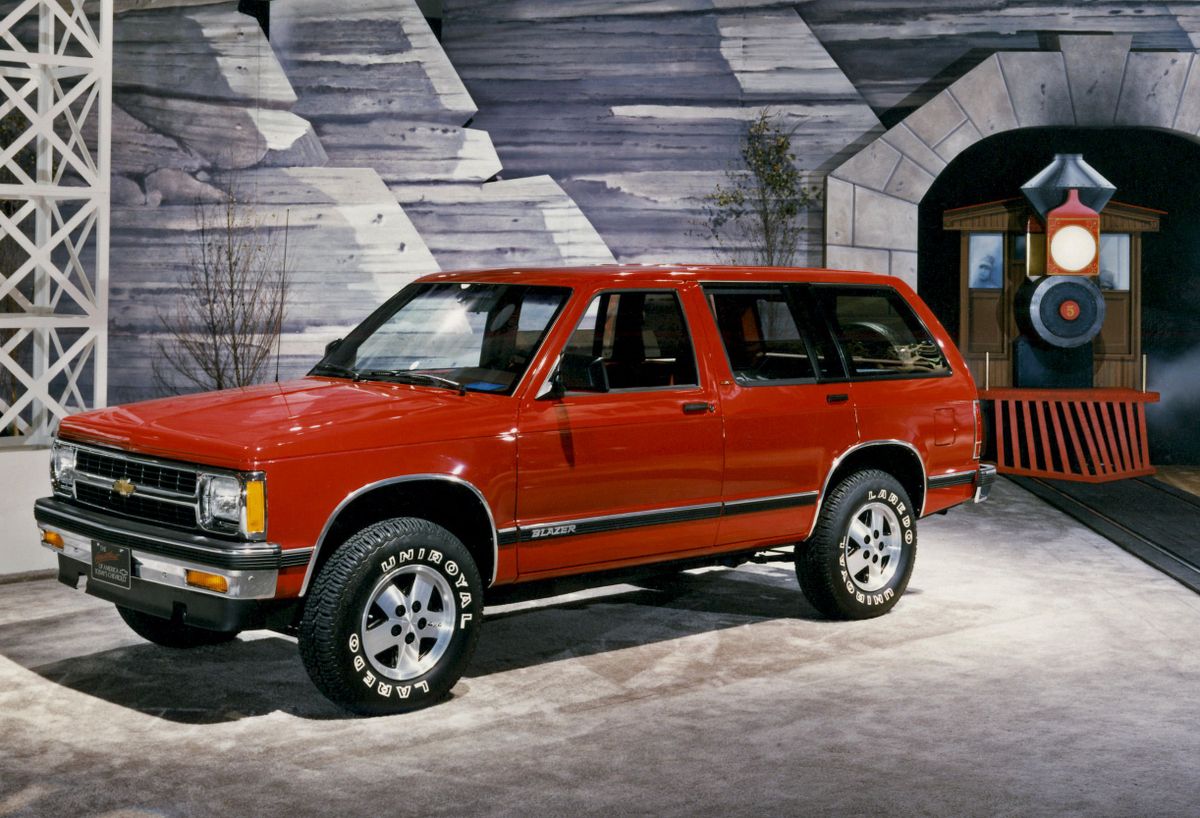
The Blazer wrap cost depends on the size of the car, the film chosen, and the amount of disassembly. For the third generation, a full wrap uses about 66 ft (20 m) of film, and chrome or patterned film adds about 8 ft (2.5 m) more. The number of cut-outs, such as those for sensors and cameras, also affects labor. A partial wrap or chrome delete will reduce the cost compared to a full color change.
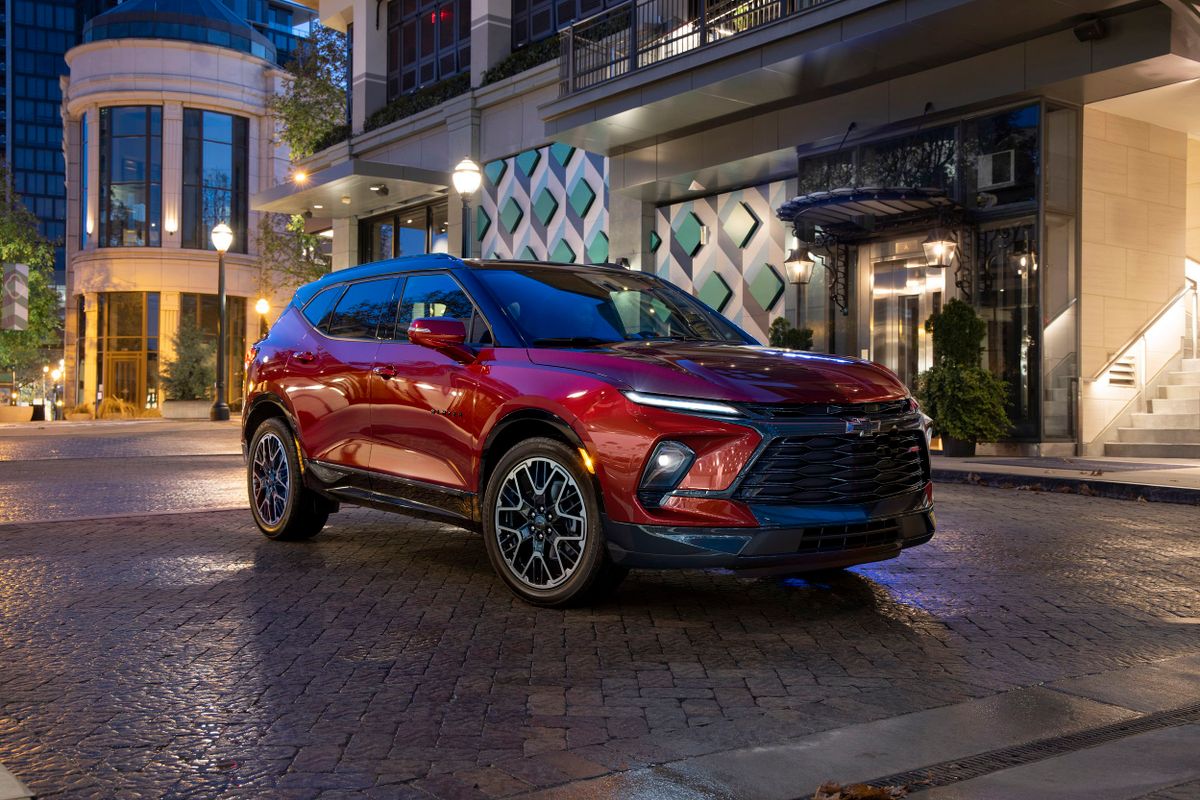
2018–now Blazer SUV (third generation)
The third generation Chevrolet Blazer has a glass roof on some trims that is not wrapped. Since glass is not covered with vinyl, the roof panel remains dark regardless of the film color chosen for the rest of the car. The wrap stops at the edge of the glass, leaving a clean line. This means the roof area is smaller than on models without the glass roof.
A tailgate with the rear glass in it: the film ends at the edge of the glass.
Some trims have a panoramic glass roof: glass is not wrapped, and the film ends at the roof rails.
Some trims have a sunroof: the roof film is cut around its opening.
Every trim has roof rails: they come off before the roof is wrapped, or the film is cut along them.
Some trims have bright decorative moldings: they stay bright next to the film unless a chrome delete covers them.
Some trims have parking sensors in the bumpers: the film is cut around each sensor.
Every trim has cameras in the body: the film is cut around each lens.
Some trims have fog lamps in the front bumper: cut-outs in the bumper film.
Film: about 66 ft (20 m) of 60-inch (1.52 m) cast film; chrome or patterned film: about 74 ft (22.5 m).