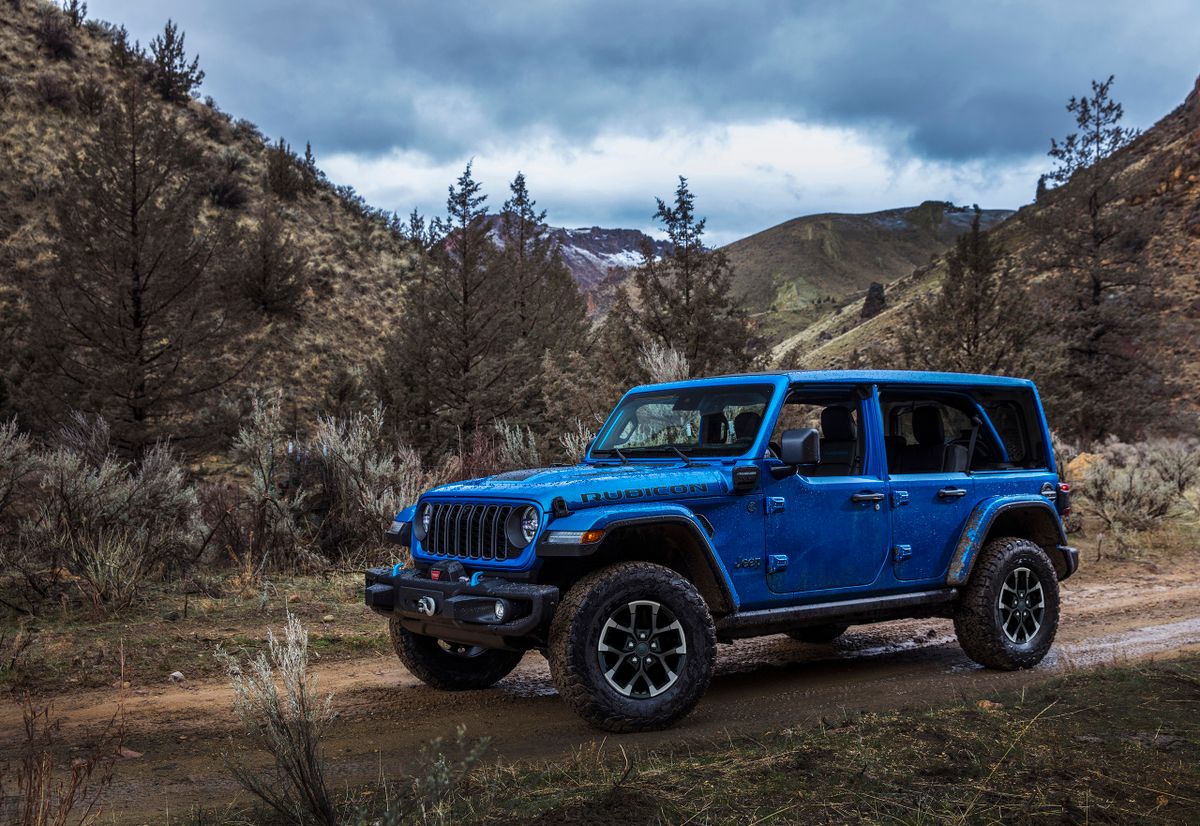
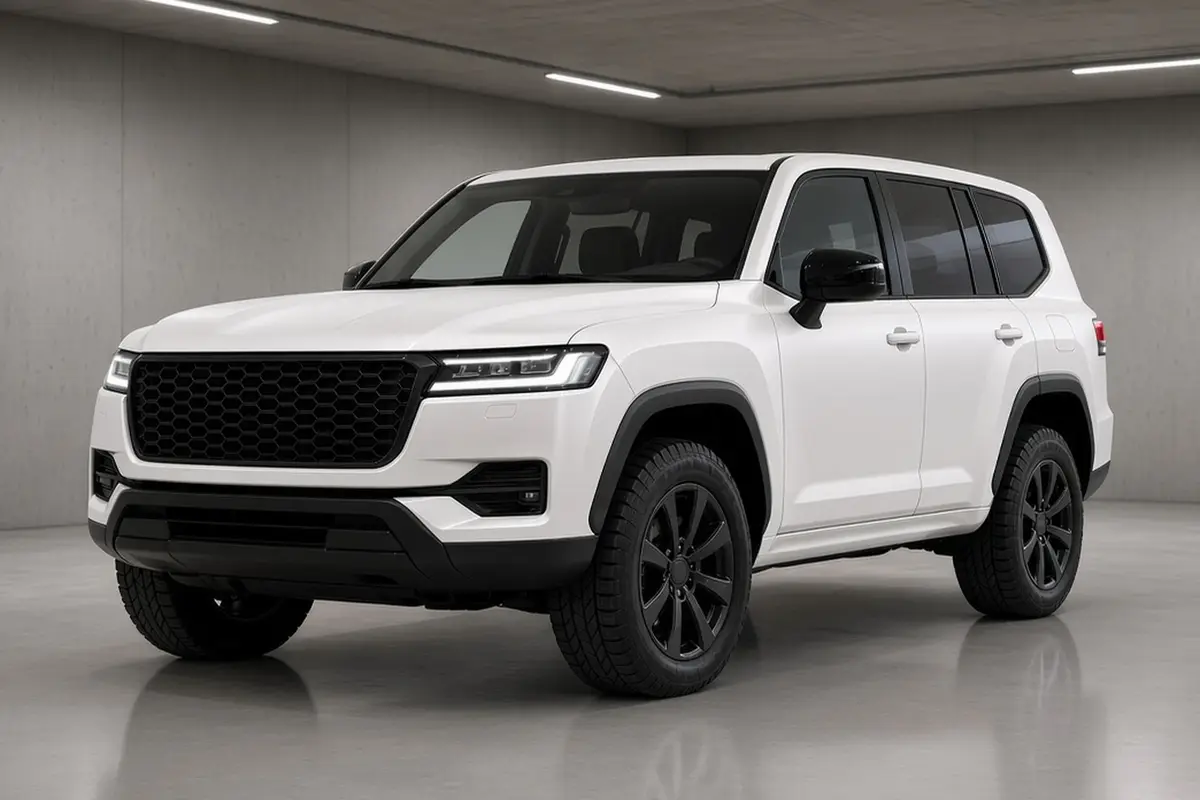
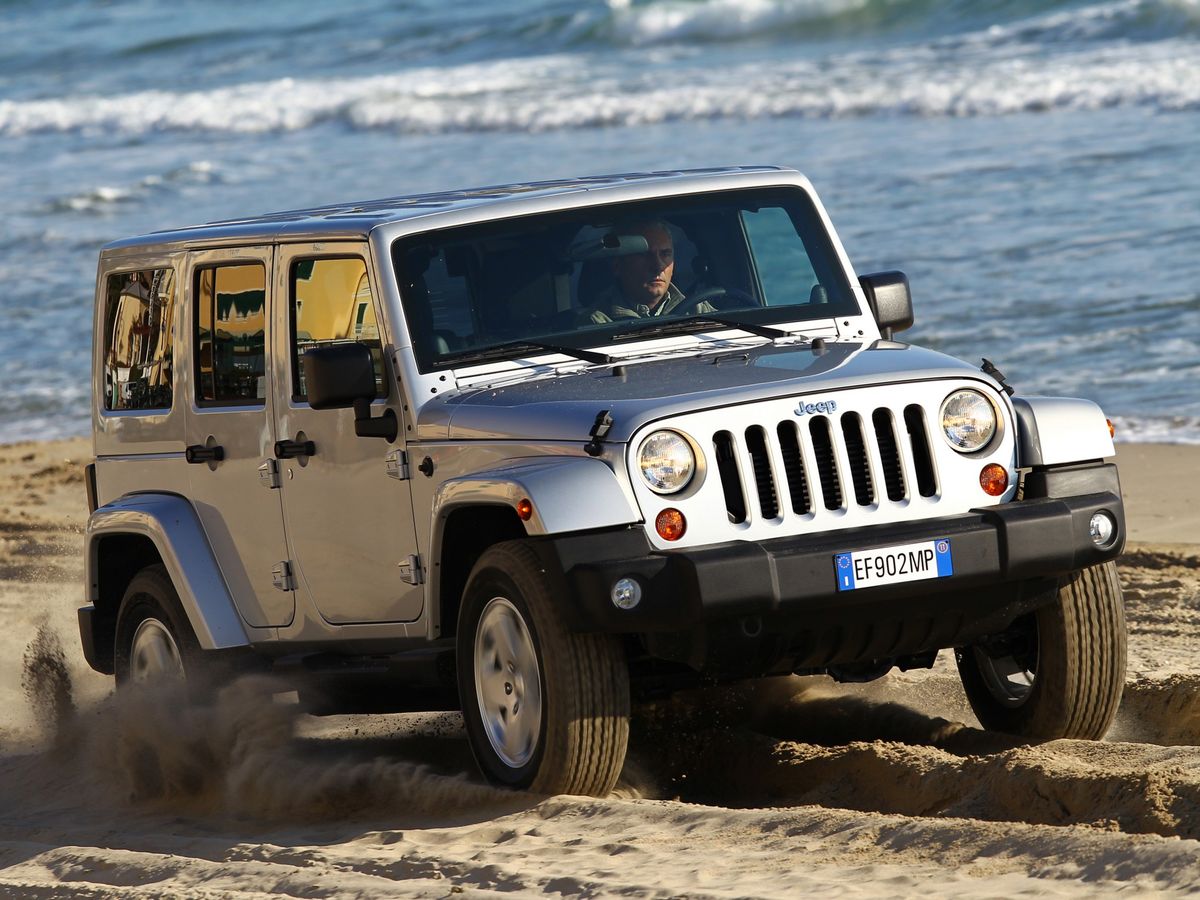
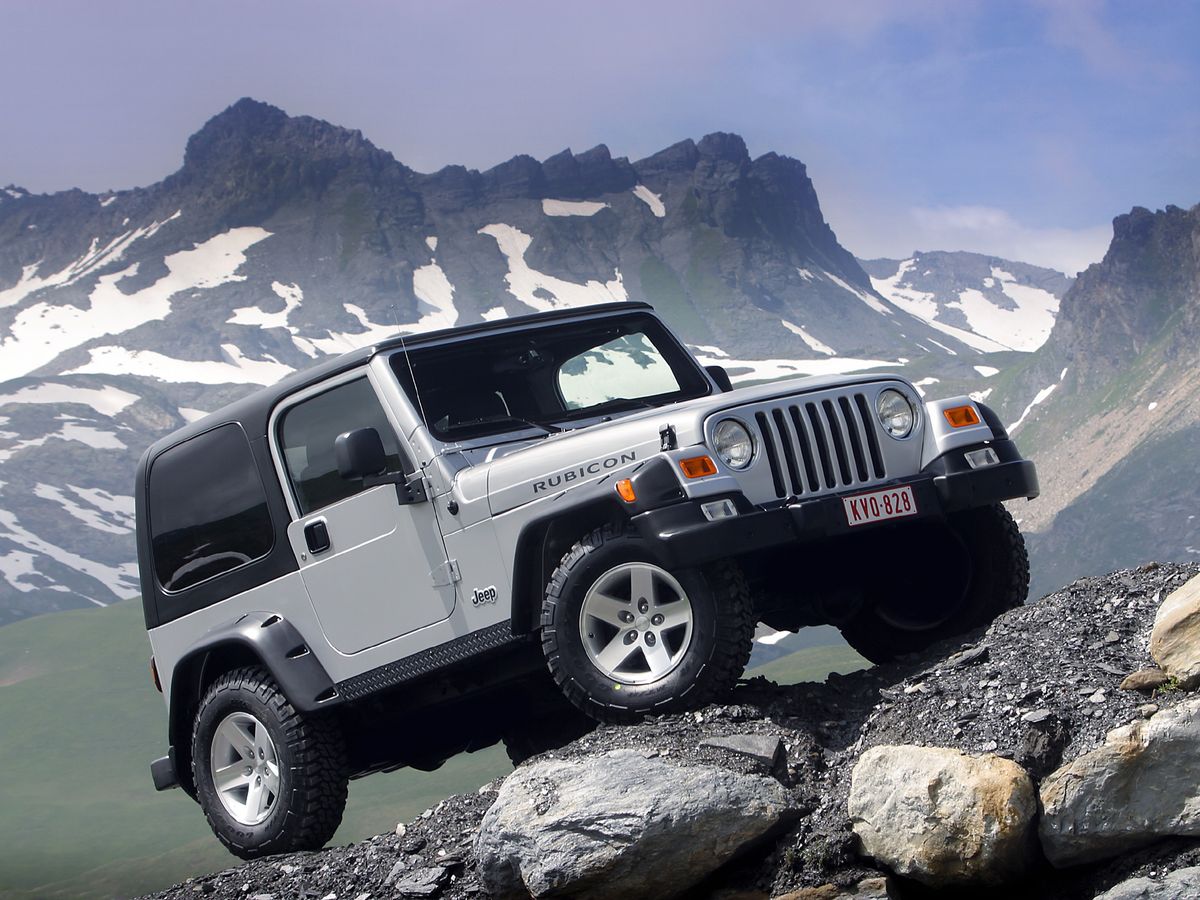
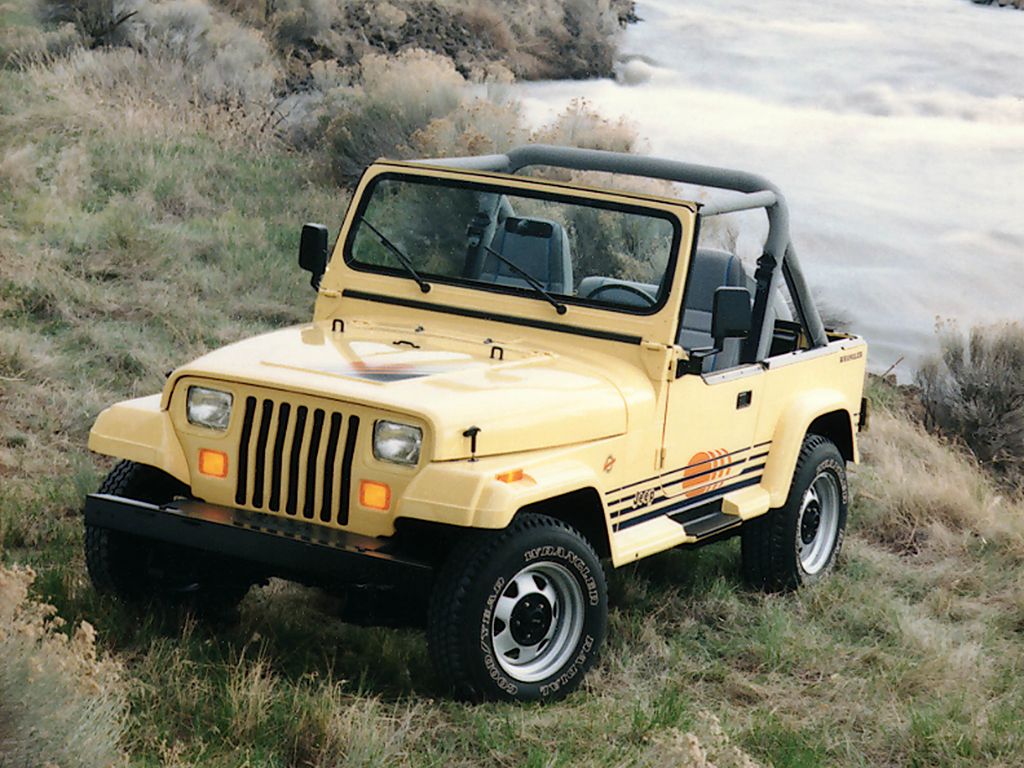
A Wrangler wrapped in white starts with the finish choice, because matte, satin, and gloss read differently on the same body. Matte and super matte films level out the boxy surfaces and hide small imperfections, but they demand careful handling. Gloss white mirrors the Wrangler's factory paint and is the easiest to maintain with a hand wash. Satin sits between them: it has a light sheen that is less flat than matte and less reflective than gloss.
Factory paint condition decides how the white film will look after the color change, and the Wrangler often carries trail scratches and stone chips. Any deep marks should be filled and sanded before the film goes on, because the film copies the surface under it. Seams are part of a white wrap on a Wrangler: the tailgate, bumpers, and the edges around the glass roof are cut lines. A good installer places seams at panel edges so they disappear into the body lines.
A white wrap on a Wrangler is removable, and the film is designed to be taken off without leaving adhesive on the paint. Hand wash is the safest way to clean it, because a pressure washer can lift edges at seams and cutouts. Avoid automatic car washes with brushes: they can scratch matte white and peel the film at door edges. For a white Wrangler that goes off-road, a hand wash after mud or salt protects the wrap.