Wraps by car

Jeep Wrangler wrap

This page is a reference for a Jeep Wrangler wrap, covering four generations from 1986 to the present. The newest body, introduced in 2017 and restyled in 2023, needs about 66 ft (20 m) of 60-inch (1.52 m) cast film for a full color change wrap. That amount rises to about 82 ft (25 m) when you choose a chrome or patterned film.

4generations20 mof film for a full wrap

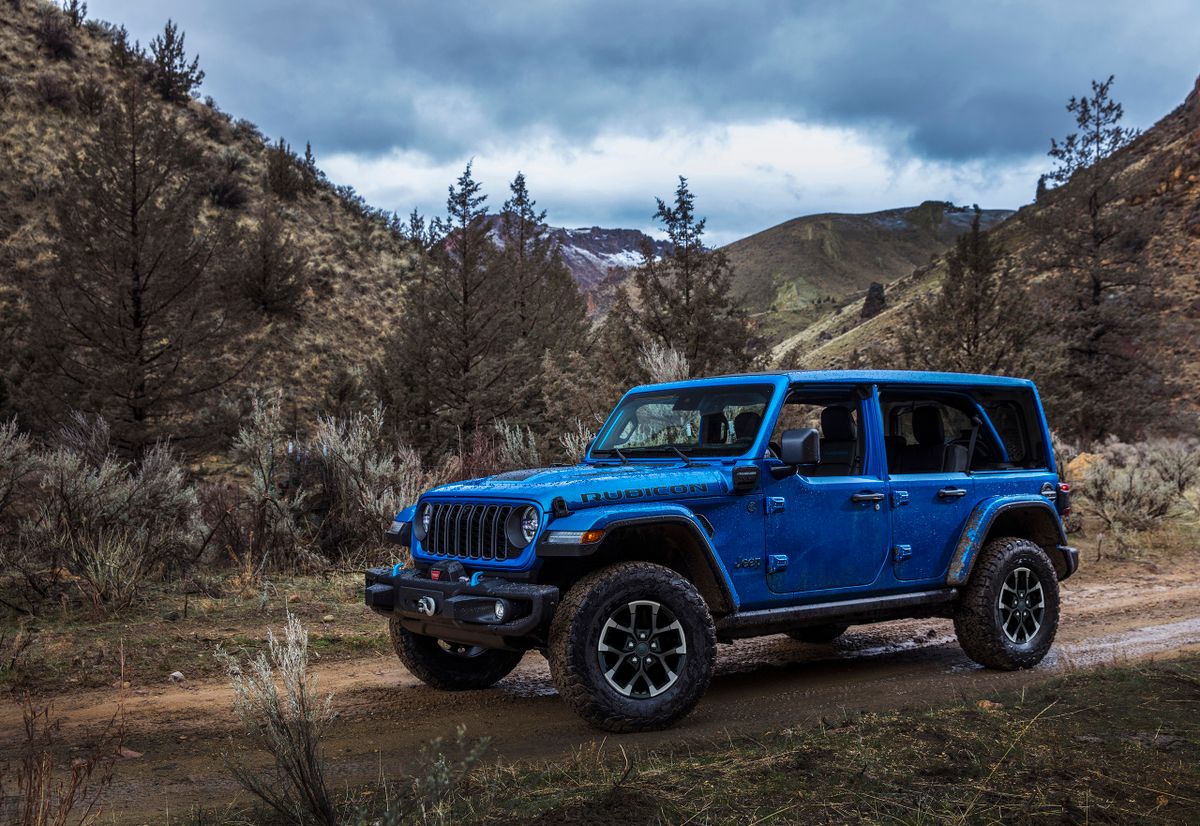
Jeep Wrangler, fourth generation, factory photo
Jeep Wrangler, fourth generation. Factory color shown.

Jeep Wrangler wrap colors and ideas

  • Wrangler black wrap
  • Wrangler white wrap
  • Wrangler gray wrap
  • Wrangler silver wrap
  • Wrangler red wrap
  • Wrangler blue wrap
  • Wrangler green wrap
  • Wrangler yellow wrap
  • Wrangler orange wrap
  • Wrangler purple wrap
  • Wrangler pink wrap
  • Wrangler teal wrap
  • Wrangler brown wrap
  • Wrangler gold wrap
  • Wrangler chrome wrap
  • Wrangler color shift wrap
  • Wrangler carbon fiber wrap
  • Wrangler camo and patterned wrap

How much vinyl to wrap a Jeep Wrangler

Estimates from the body dimensions in the catalog, for a 1.52 m (60 in) roll.

YearsBodyLengthFilm to order
2017–nowSUV (3 or 5 doors)170.6 in (4,334 mm) to 192.2 in (4,882 mm)about 66 ft (20 m) of 60-inch (1.52 m) cast film; chrome or patterned film: about 82 ft (25 m)
2006–2017SUV (3 or 5 doors)166.3 in (4,223 mm) to 187.0 in (4,751 mm)about 64 ft (19.5 m) of 60-inch (1.52 m) cast film; chrome or patterned film: about 80 ft (24.5 m)
1996–2007open-top SUV (3 doors)152.9 in (3,883 mm)about 44 ft (13.5 m) of 60-inch (1.52 m) cast film; chrome or patterned film: about 49 ft (15 m)
1986–1996open-top SUV (2 doors)152.7 in (3,879 mm)about 44 ft (13.5 m) of 60-inch (1.52 m) cast film; chrome or patterned film: about 49 ft (15 m)

Wrangler wrap cost factors

Wrangler wrap cost depends mainly on the size of the body and how many parts must be removed or cut around. A first-generation two-door uses about 44 ft (13.5 m) of film, while the newest five-door needs about 66 ft (20 m), so the amount of film changes the material cost. The number of sensors, cameras, fog lamps, and trim pieces on the bumpers adds time for cutting and finishing. Chrome delete work on bright moldings or a partial wrap on specific panels also changes the total because it is priced by the area covered, not by the whole car.
  • Film for a full wrap: about 66 ft (20 m) of 60-inch (1.52 m) cast film; chrome or patterned film: about 82 ft (25 m).
  • Body: SUV (3 or 5 doors).
  • A tailgate with the rear glass in it: the film ends at the edge of the glass.
  • Some trims have a panoramic glass roof: glass is not wrapped, and the film ends at the roof rails.
  • Some trims have roof rails: they come off before the roof is wrapped, or the film is cut along them.
  • Some trims have bright decorative moldings: they stay bright next to the film unless a chrome delete covers them.
  • Every trim has parking sensors in the bumpers: the film is cut around each sensor.
  • Every trim has cameras in the body: the film is cut around each lens.
  • Every trim has fog lamps in the front bumper: cut-outs in the bumper film.
  • Some trims have a tow hitch: a cut-out in the rear bumper film.
  • Plug-in and electric versions: the charge port door is wrapped as a small piece of its own.
  • A tall body (74.4 in (1,891 mm)): the roof is wrapped from a platform.
  • Restyled in 2023: bumpers and lights differ between the versions, and so do the film cuts.

Wrangler wraps by generation

Swipe sideways. Tap a card for the full description.

Jeep Wrangler, fourth generation, factory photo
Factory color shown

2017–now Wrangler SUV (fourth generation)

2017–nowSUV (3 or 5 doors)170.6 in (4,334 mm) to 192.2 in (4,882 mm)

The fourth generation Jeep Wrangler, produced from 2017 and restyled in 2023, has a glass roof on some trims that is not wrapped. The panoramic glass panel stays dark no matter what color film goes on the surrounding roof, so the wrap ends at the roof rails. This means the roof area of the wrap is smaller than on a metal-roof car of the same size.

A tailgate with the rear glass in it: the film ends at the edge of the glass.

Some trims have a panoramic glass roof: glass is not wrapped, and the film ends at the roof rails.

Some trims have roof rails: they come off before the roof is wrapped, or the film is cut along them.

Some trims have bright decorative moldings: they stay bright next to the film unless a chrome delete covers them.

Every trim has parking sensors in the bumpers: the film is cut around each sensor.

Every trim has cameras in the body: the film is cut around each lens.

Every trim has fog lamps in the front bumper: cut-outs in the bumper film.

Some trims have a tow hitch: a cut-out in the rear bumper film.

Plug-in and electric versions: the charge port door is wrapped as a small piece of its own.

A tall body (74.4 in (1,891 mm)): the roof is wrapped from a platform.

Film: about 66 ft (20 m) of 60-inch (1.52 m) cast film; chrome or patterned film: about 82 ft (25 m).
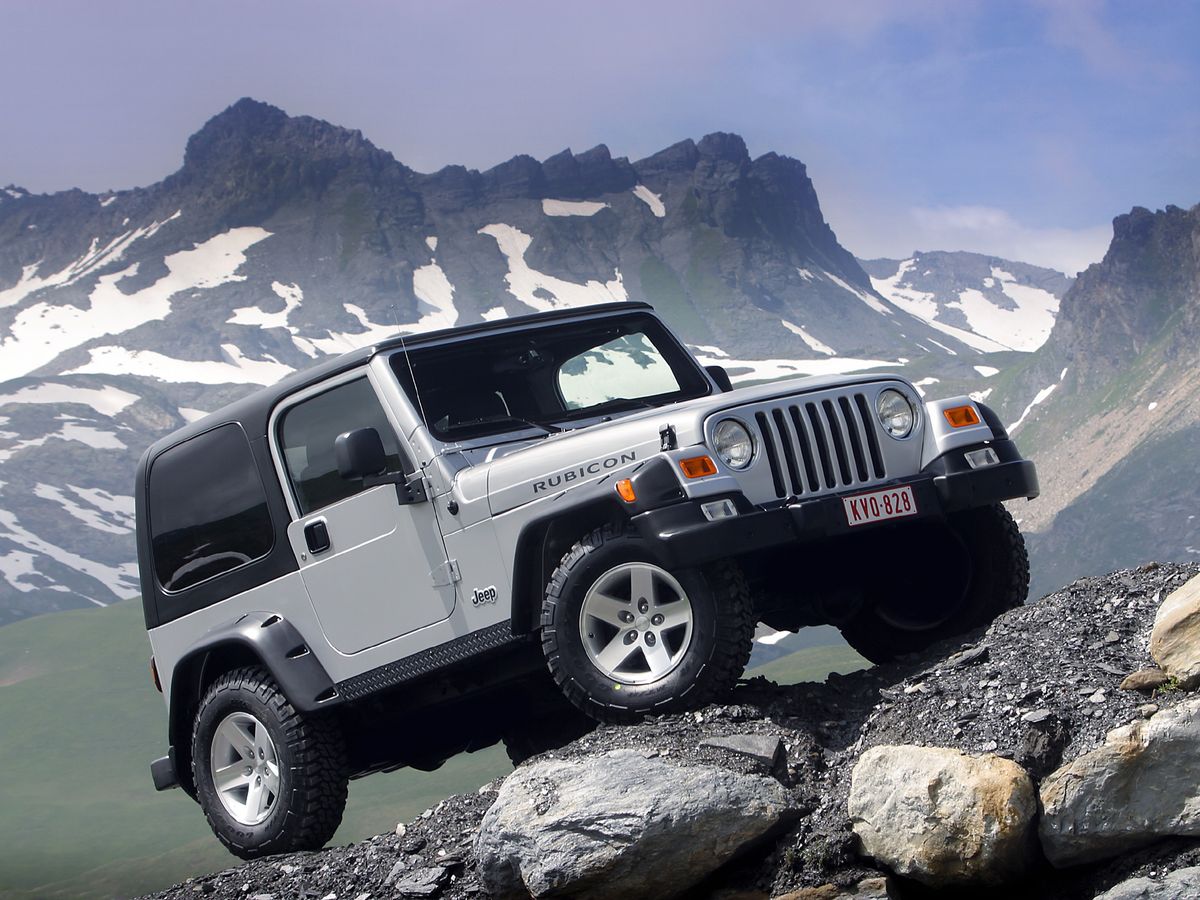
Jeep Wrangler, third generation, factory photo
Factory color shown

2006–2017 Wrangler SUV (third generation)

2006–2017SUV (3 or 5 doors)166.3 in (4,223 mm) to 187.0 in (4,751 mm)

The third generation Jeep Wrangler from 2006 to 2017 has a tall body measuring 70.9 in (1,800 mm), which makes the roof harder to reach. The roof is wrapped from a platform rather than from the ground ladders, and that takes more time than wrapping the lower panels. The extra height does not change the amount of film, but it does add to the labor.

A tailgate with the rear glass in it: the film ends at the edge of the glass.

Every trim has fog lamps in the front bumper: cut-outs in the bumper film.

A tall body (70.9 in (1,800 mm)): the roof is wrapped from a platform.

Film: about 64 ft (19.5 m) of 60-inch (1.52 m) cast film; chrome or patterned film: about 80 ft (24.5 m).

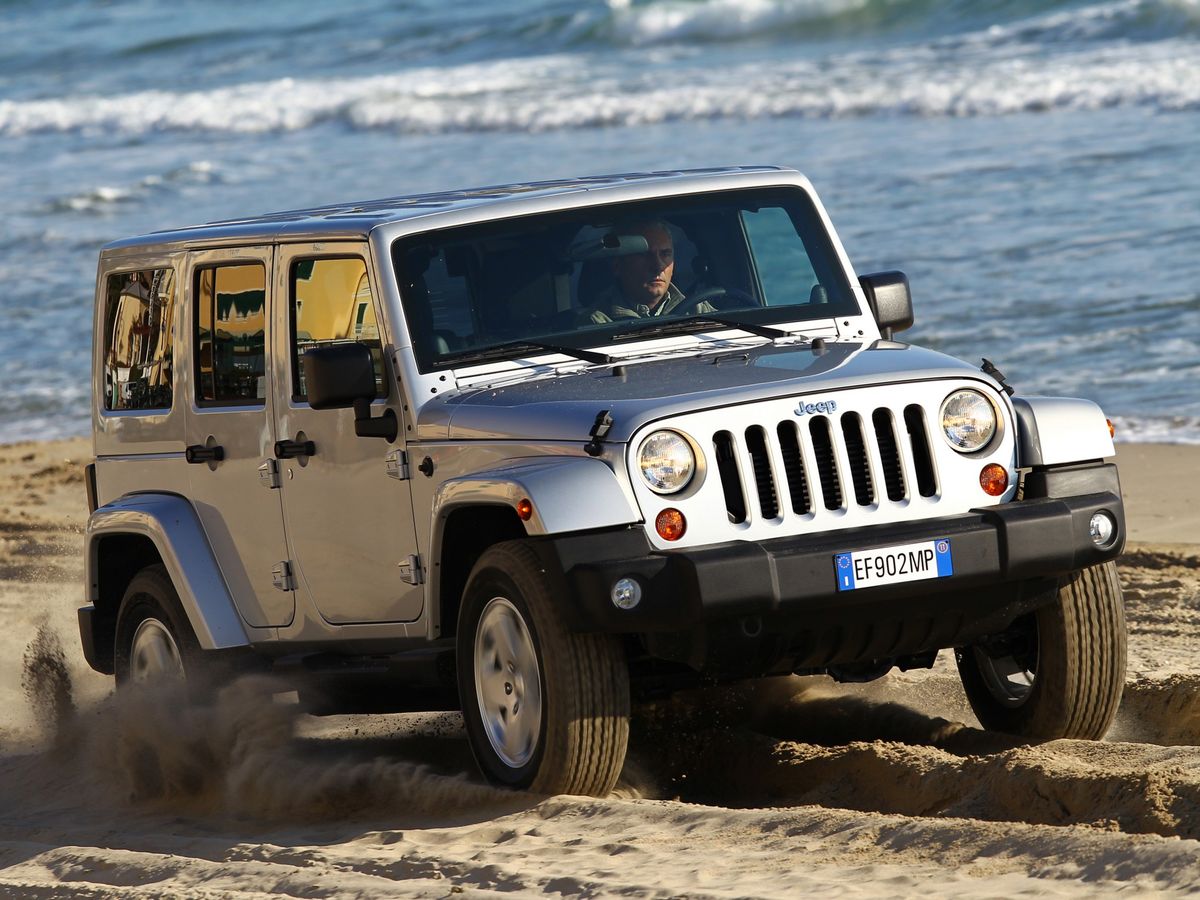
Jeep Wrangler, second generation, factory photo
Factory color shown

1996–2007 Wrangler open-top SUV (second generation)

1996–2007open-top SUV (3 doors)152.9 in (3,883 mm)

The second generation Jeep Wrangler from 1996 to 2007 is an open-top SUV available only as a three-door. The fabric top is not wrapped, and the film ends where the top begins at the beltline. If the car has a folding hard top, that top is wrapped as separate panels of its own, not as part of the main body wrap.

Open-top SUV body: a fabric top is not wrapped and the film ends where it begins; a folding hard top is wrapped as panels of its own.

A tailgate with the rear glass in it: the film ends at the edge of the glass.

A tall body (70.2 in (1,782 mm)): the roof is wrapped from a platform.

Film: about 44 ft (13.5 m) of 60-inch (1.52 m) cast film; chrome or patterned film: about 49 ft (15 m).

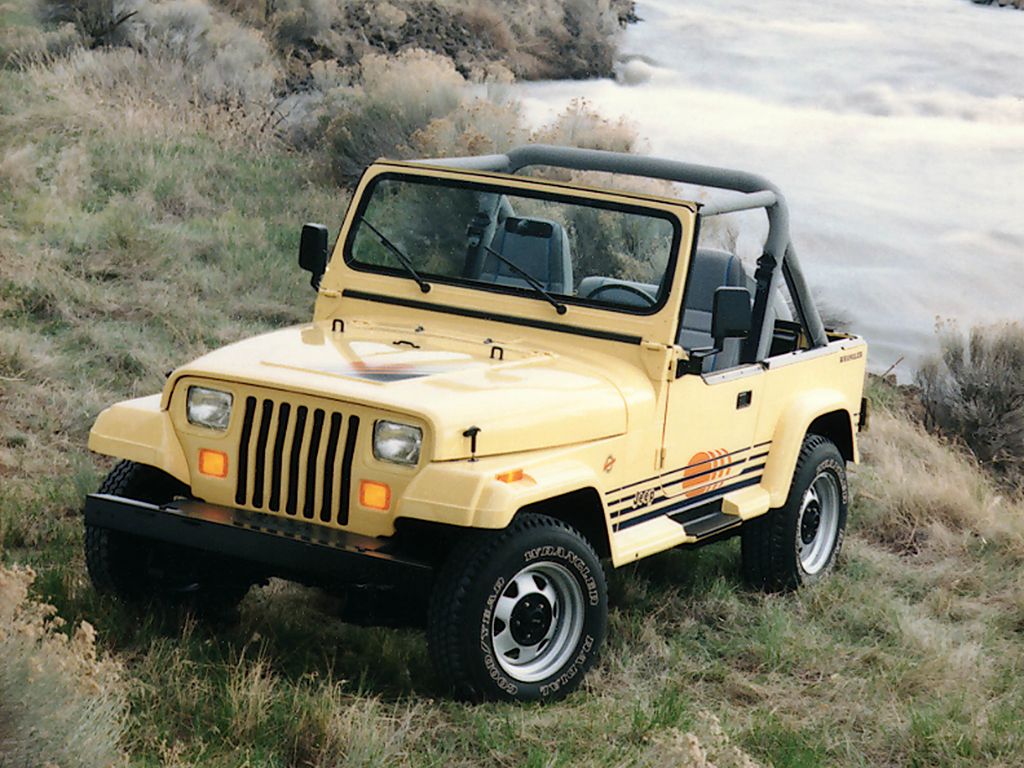
Jeep Wrangler, first generation, factory photo
Factory color shown

1986–1996 Wrangler open-top SUV (first generation)

1986–1996open-top SUV (2 doors)152.7 in (3,879 mm)

The first generation Jeep Wrangler was built from 1986 to 1996, and by now the paint on many of these cars has been repainted on some panels. Paint age matters because a test spot on each panel shows whether the film will bond well to the surface. On a car of these years, a full wrap should always begin with that test to avoid lifting on older or mismatched paint.

Open-top SUV body: a fabric top is not wrapped and the film ends where it begins; a folding hard top is wrapped as panels of its own.

A tailgate with the rear glass in it: the film ends at the edge of the glass.

Film: about 44 ft (13.5 m) of 60-inch (1.52 m) cast film; chrome or patterned film: about 49 ft (15 m).

Roof, hood, chrome delete and PPF on a Wrangler

A partial wrap on a Jeep Wrangler can cover just the hood, the mirror caps, or the roof when the car does not have the glass panel. A Wrangler chrome delete covers the window trim, decorative moldings, and badges with black film, which changes the look without a full color change. Paint protection film (PPF) is a clear film applied to the front end to protect the hood, fenders, and bumper from stone chips.

  • Partial wrap: hood, mirror caps, roof on cars without the glass panel.
  • Chrome delete: window trim, decorative moldings and badges.
  • Paint protection film: clear film on the front end, also over a wrap.

Wrapping a Jeep Wrangler: body, cut-outs and film

The Jeep Wrangler vinyl wrap has to fit body lengths that range from 152.7 in (3,879 mm) on the first generation to 192.2 in (4,882 mm) on the newest four-door version. Three- and five-door SUVs share the same boxy shape, so the main difference is the number of door panels and the overall length of the sides. Open-top generations have no fixed roof for the film to follow, and the wrap ends where the fabric or hard top begins. A tall body, up to 74.4 in (1,891 mm), means the roof area is wrapped from a platform rather than from the ground.

Wrangler wrap ideas have to account for the parts that interrupt the body panels. Every generation has a tailgate with the rear glass in it, so the film ends at the edge of the glass. Fog lamps, parking sensors, and cameras need cut-outs in the bumper film, and some trims add a tow hitch or a charge port door that becomes a small wrapped piece of its own. For a clean result, roof rails come off before the roof is wrapped, or the film is cut along them, and bright moldings stay bright unless they are covered with a chrome delete.

To estimate how much vinyl to wrap a Wrangler, compare the four generations because the bodies are not all the same size. The first and second generations, from 1986 to 2007, need about 44 ft (13.5 m) of cast film, while the third generation from 2006 to 2017 needs about 64 ft (19.5 m). The current fourth generation runs longer, from 170.6 in (4,334 mm) to 192.2 in (4,882 mm), and takes about 66 ft (20 m). Chrome or patterned film always requires more material because the pattern has to be matched across panels.

Questions about wrapping a Jeep Wrangler

How much vinyl does it take to wrap a Jeep Wrangler?

It takes about 66 ft (20 m) of 60-inch (1.52 m) cast film to wrap a current Jeep Wrangler, the body introduced in 2017. That estimate covers a full color change wrap on the whole SUV, including the doors, fenders, tailgate, and roof. If you choose a chrome or patterned film, the amount goes up to about 82 ft (25 m) because the pattern must be matched across the panels.

Can the roof of a Wrangler be wrapped?

Yes, the roof of a Jeep Wrangler can be wrapped when it is a solid metal panel. The glass roof on some trims of the fourth generation is not wrapped, and the film ends at the roof rails. For the tall bodies of earlier generations, the roof is wrapped from a platform, which adds time but does not change the film amount.

Which years of the Wrangler take the same film cuts?

The same film cuts are used within each generation: 1986–1996 for the first generation, 1996–2007 for the second, 2006–2017 for the third, and 2017 onward for the fourth. The fourth generation was restyled in 2023, so a 2023–present bumper may have different cut lines for sensors and cameras than a 2017–2022 bumper. The other generations were not restyled, so their cut files stay the same throughout their production years.

Can I wrap only the hood or the roof of a Wrangler?

Yes, you can wrap only the hood or the roof of a Jeep Wrangler as a partial wrap. A partial wrap can also cover the mirror caps or the roof when the car does not have the glass panel. A chrome delete is a separate partial option that covers the window trim, decorative moldings, and badges.