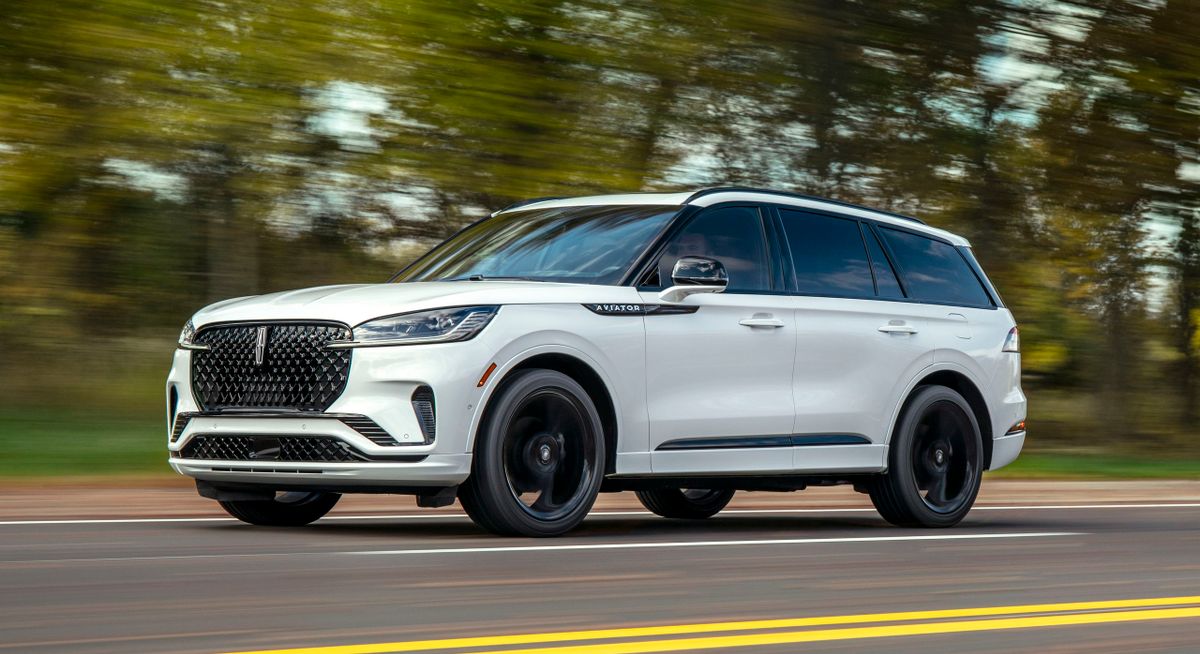
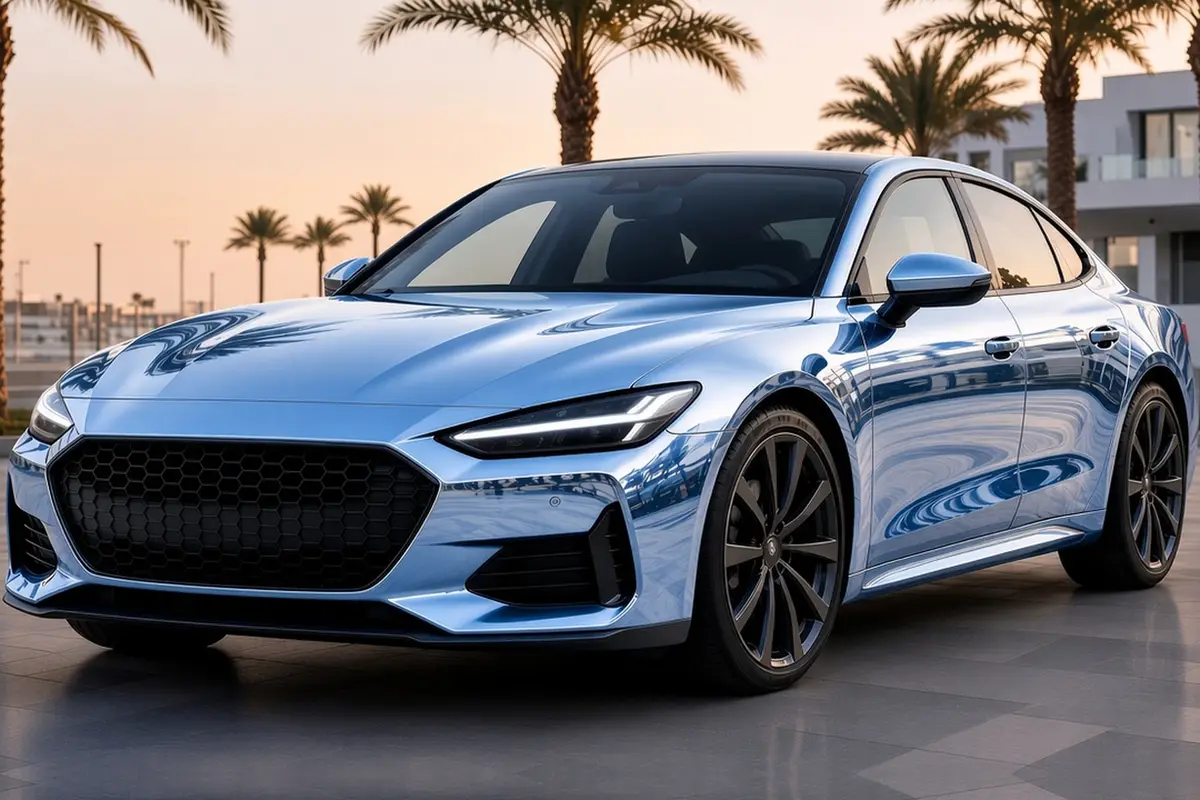
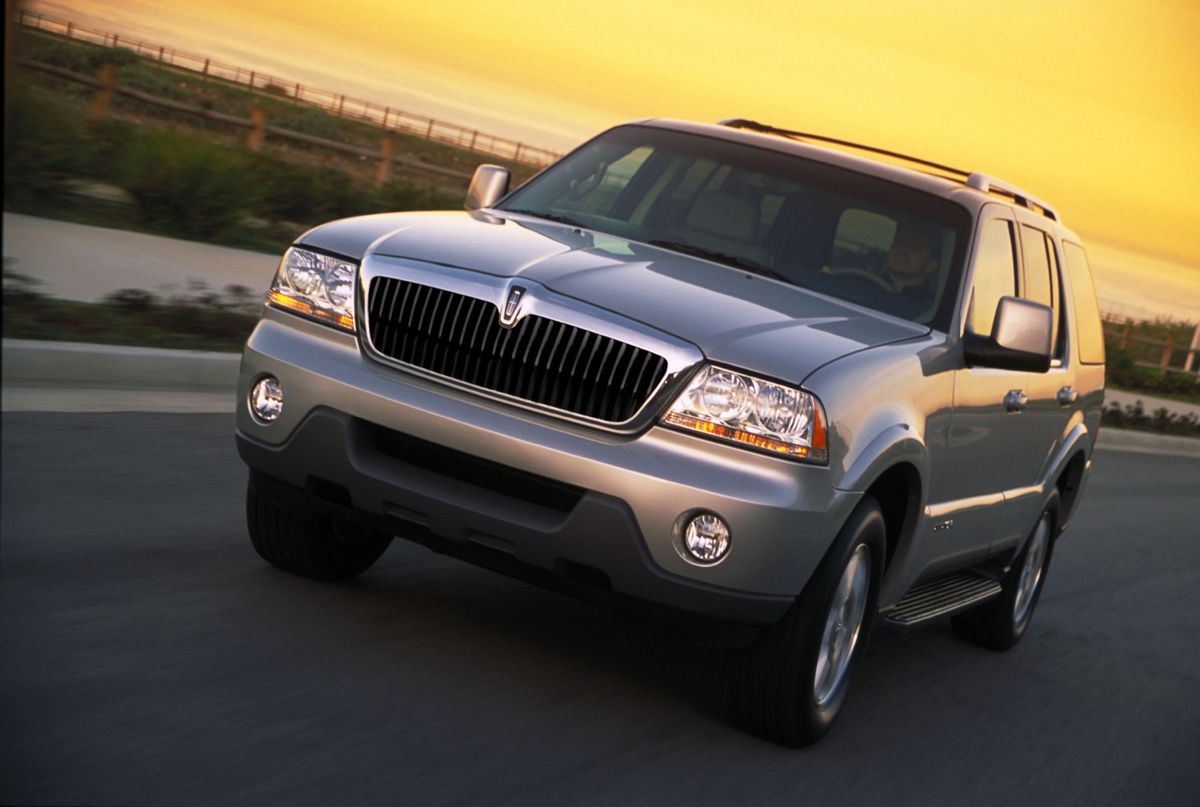
A Lincoln Aviator wrapped in chrome starts as a color change from its factory paint to a full metallic look. The first decision is finish: mirror chrome reflects like a bright mirror, satin chrome has less glare, and colored chrome shifts among hues. Your second decision is film line, because each brand has its own tone and stretch behavior. Your last decision is full-body coverage or a partial wrap on the roof, hood, and mirrors.
Chrome vinyl hides the Aviator's factory paint entirely, so door jambs and inner edges stay the original color. Installers split most chrome films into separate pieces for the doors, bumpers, and fenders, leaving a seam where panels meet. The rear tailgate of every Aviator has glass set into it, so film ends at the glass edge. A tall body like the 69.6 in (1,768 mm) second-generation Aviator means the roof is wrapped from a platform.
A chrome wrap on the Aviator is removable, so the film can be peeled off later to return to the factory paint. Hand wash the car with a mild soap and a soft mitt, and avoid automatic brushes that can scratch chrome film. Rinse the wrap before washing to lift grit away from the surface. Use a clean drying towel because chrome shows streaks and water spots.