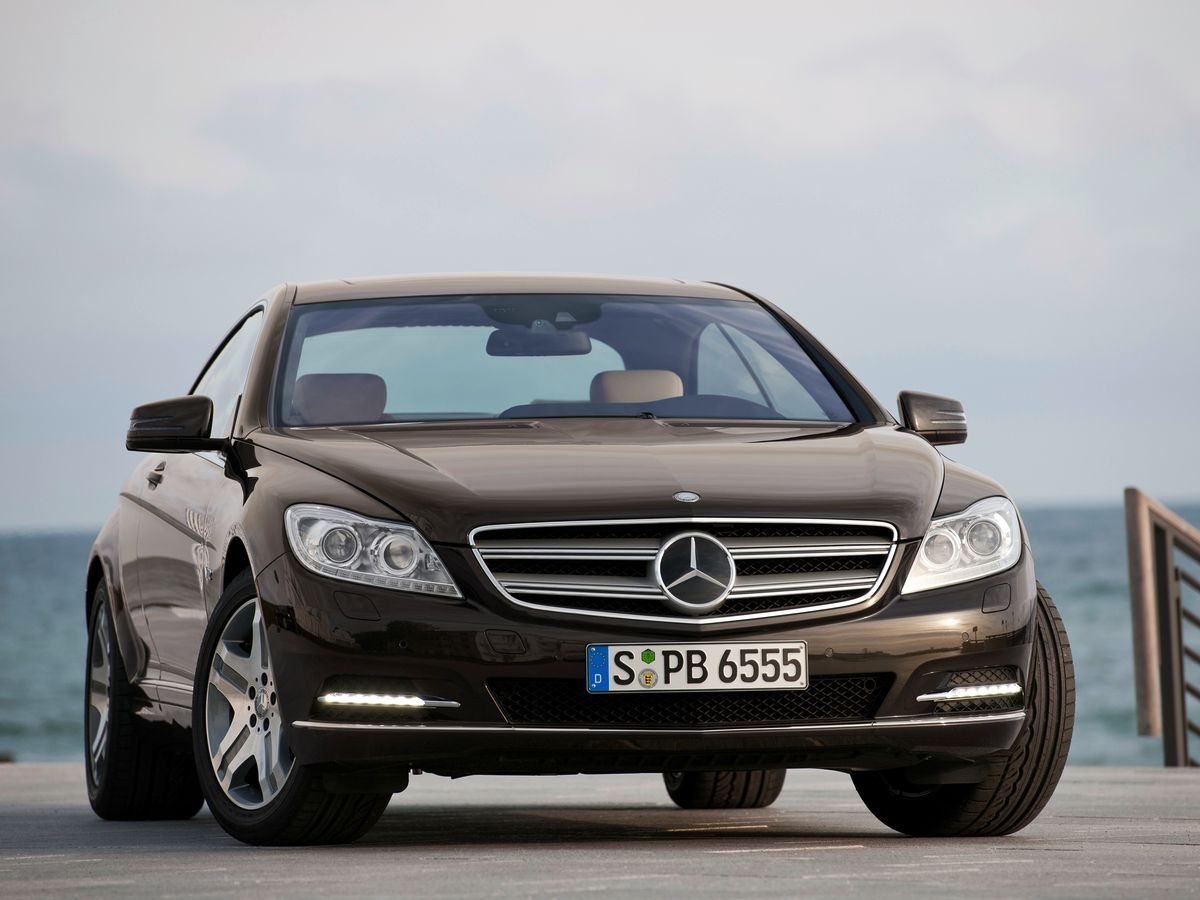

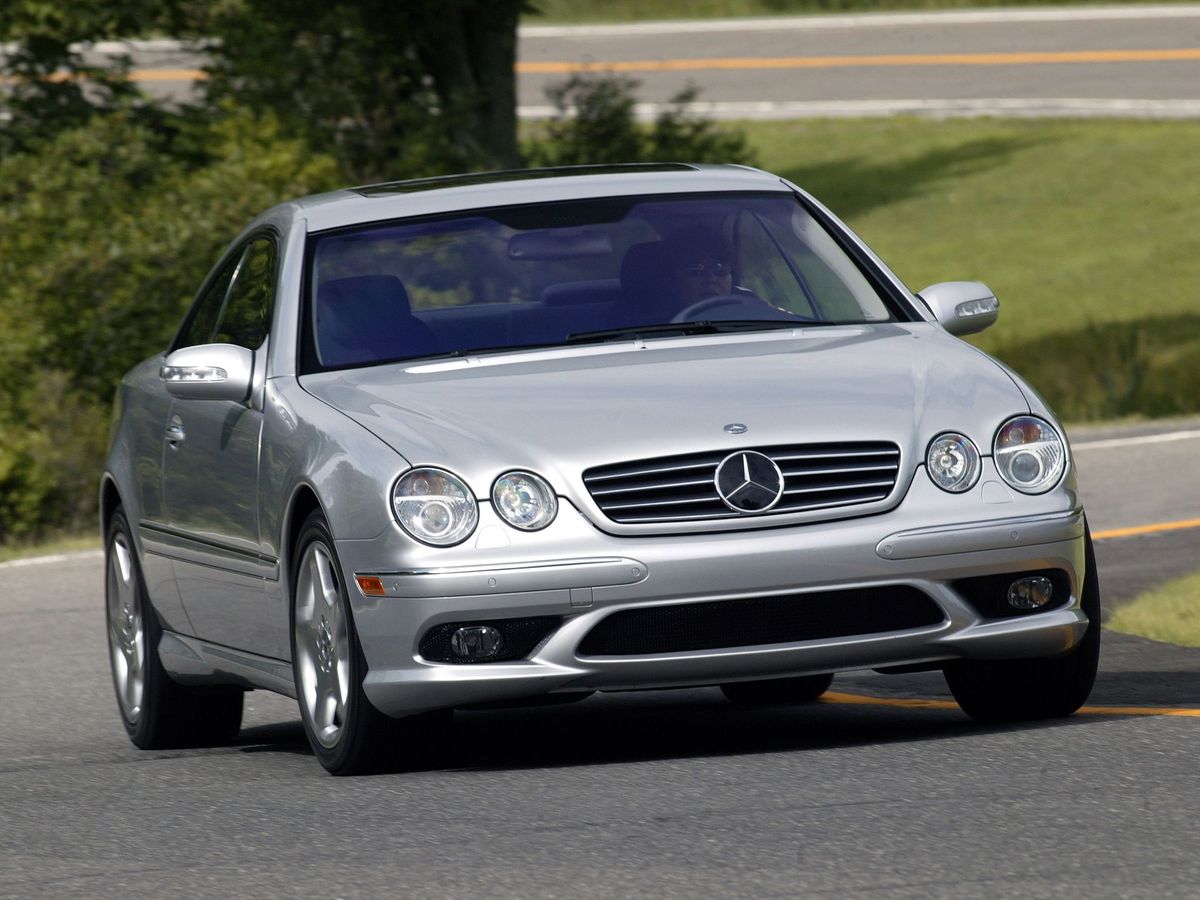
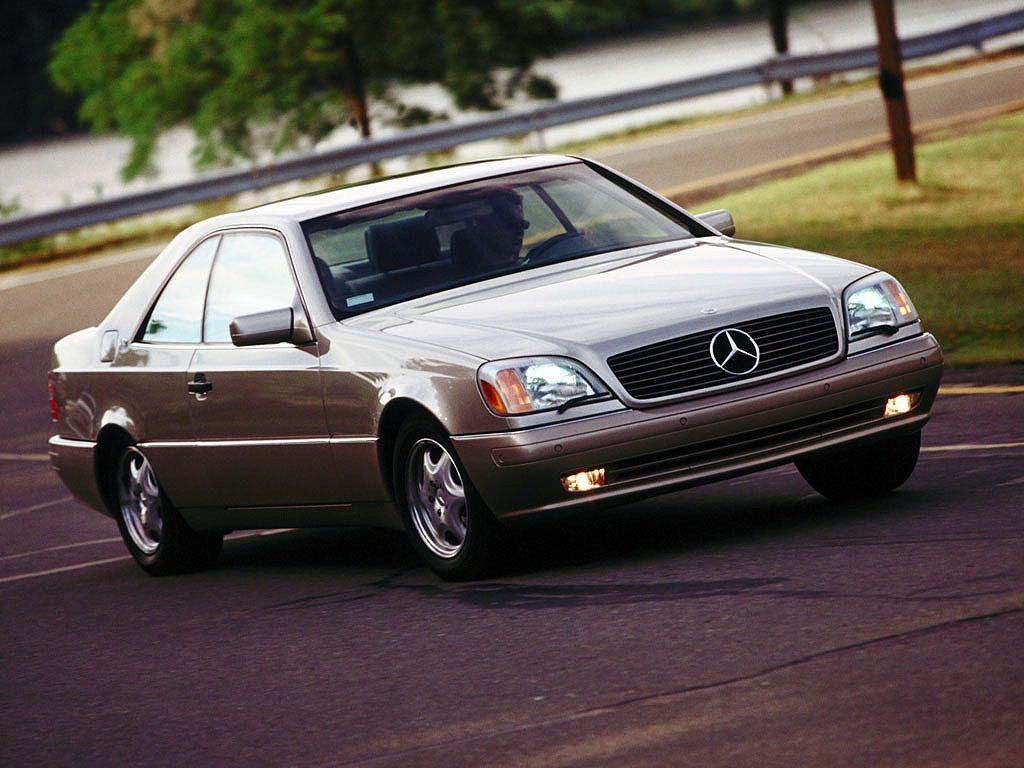
Choosing a CL-Class wrapped in white starts with the finish because matte, satin, gloss, pearl, metallic and glitter read differently on the coupe's large panels. The next decision is the film line, since each name has its own adhesive behavior and handling in the shop. After that comes the scope of the color change: a full wrap, a partial wrap or smaller pieces. The two long side doors are each one large piece of film, so a full wrap changes the whole body in a continuous surface.
Factory paint condition matters before a white wrap because film lies thinner than clearcoat and shows every chip or scratch through the finish. On the third generation, some trims have bright decorative moldings; they stay bright next to the film unless a chrome delete covers them. Seams are placed on body lines and panel edges to keep them out of sight on the CL-Class. Installing film over old clearcoat risks lifting it when the wrap is removed, so the paint must be checked first.
A white wrap on the CL-Class is removable, but removal must be done with a heat gun and steady pull to avoid stressing the factory clearcoat. Hand wash the wrapped car with a pH-neutral shampoo and a soft mitt, not a pressure washer at door edges. Avoid waxes made for paint because they can leave a haze on matte and satin finishes. When the film comes off later, the factory color underneath is unchanged if the paint was sound before wrapping.