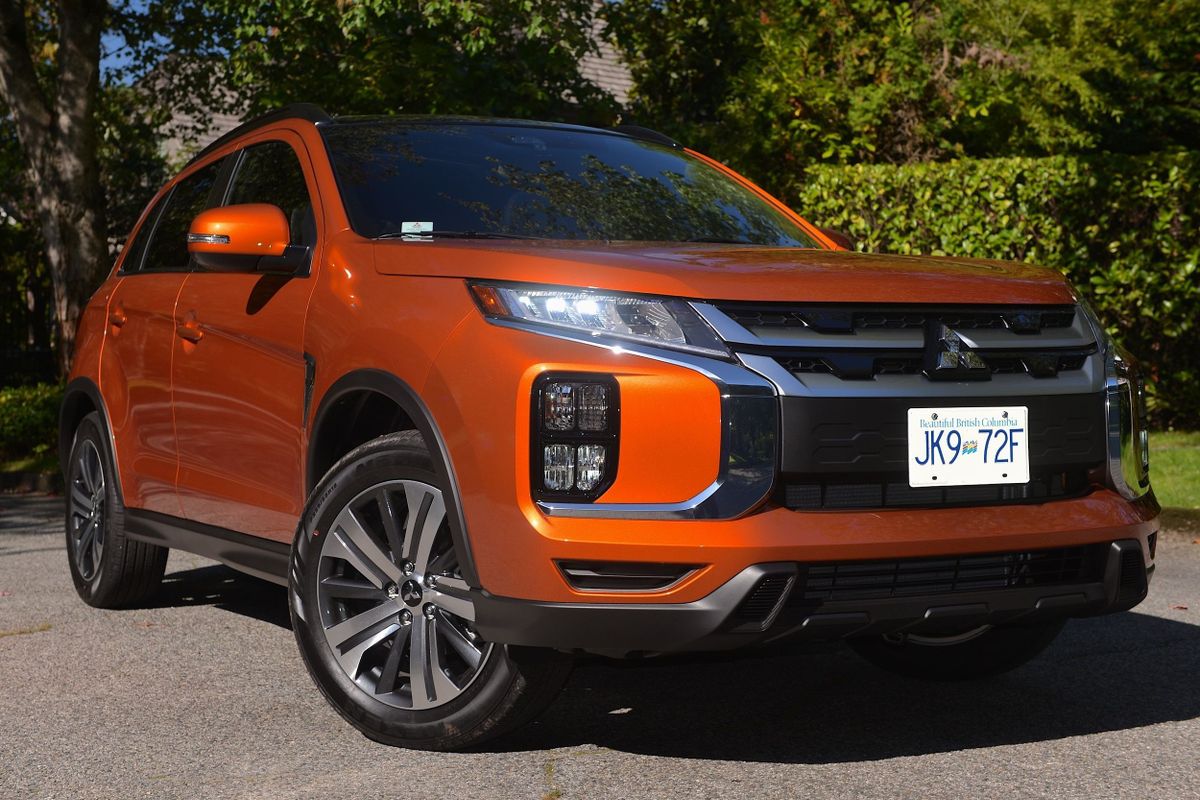
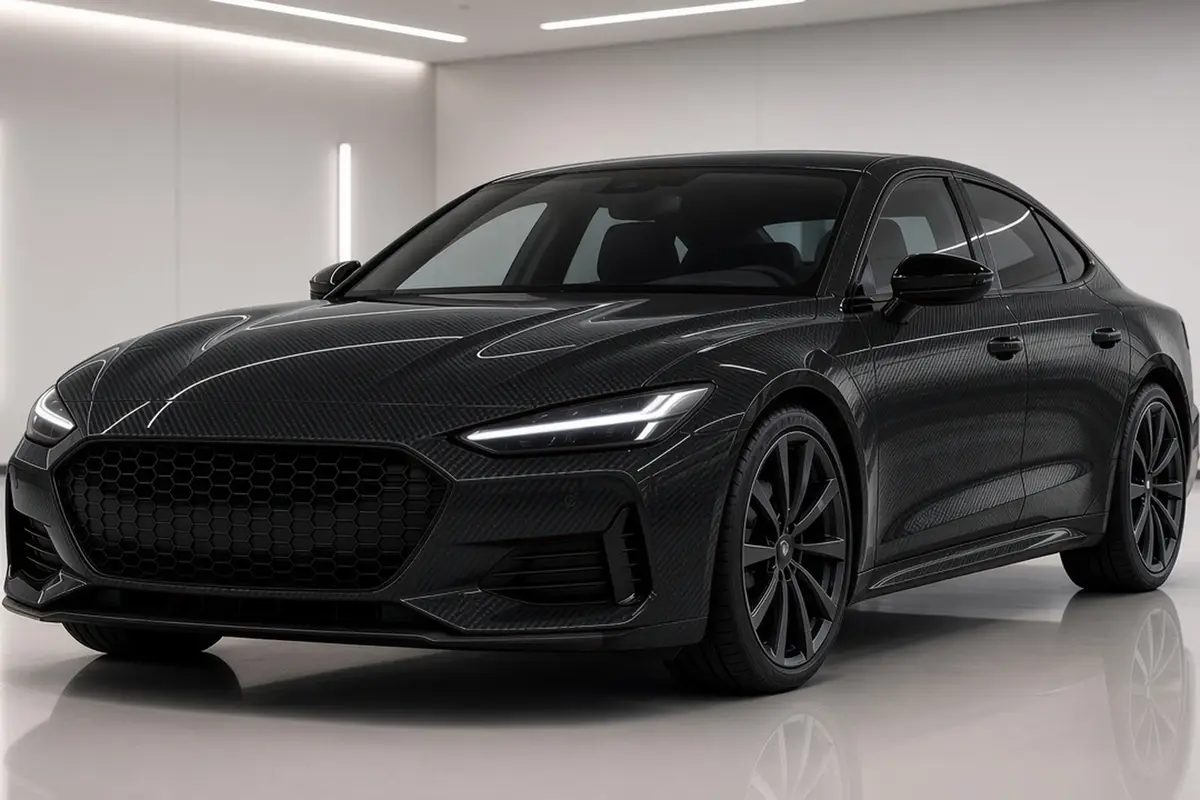
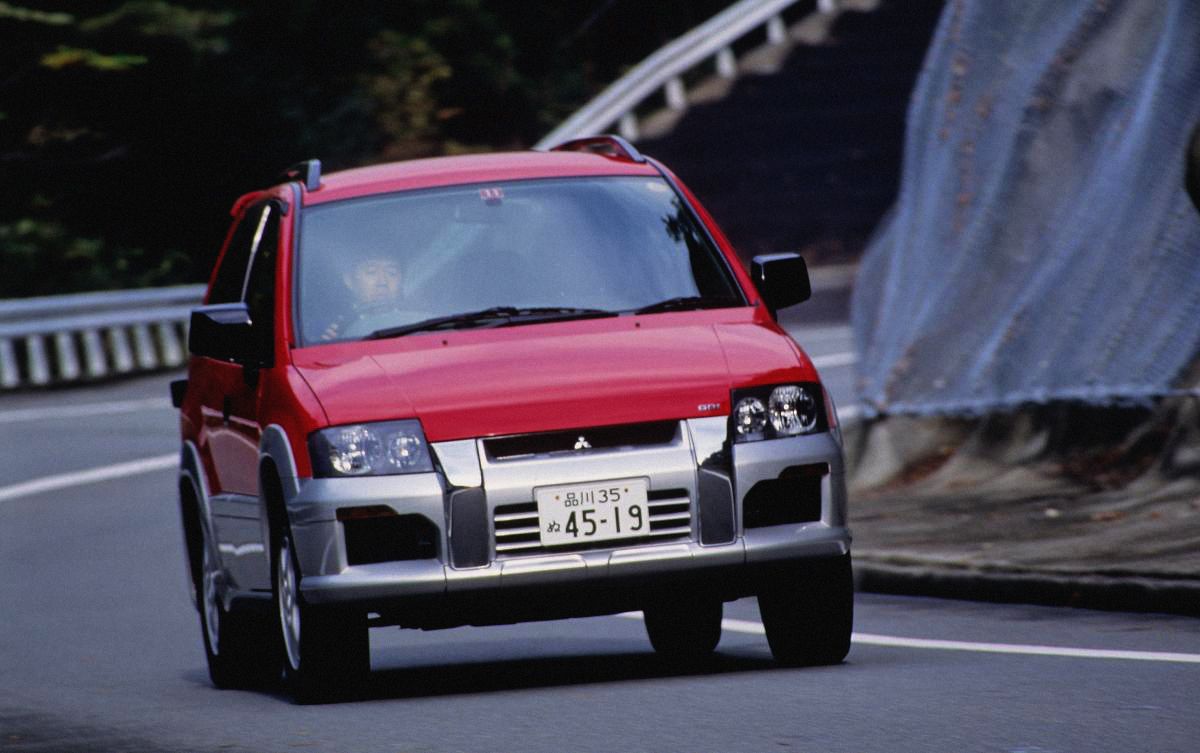
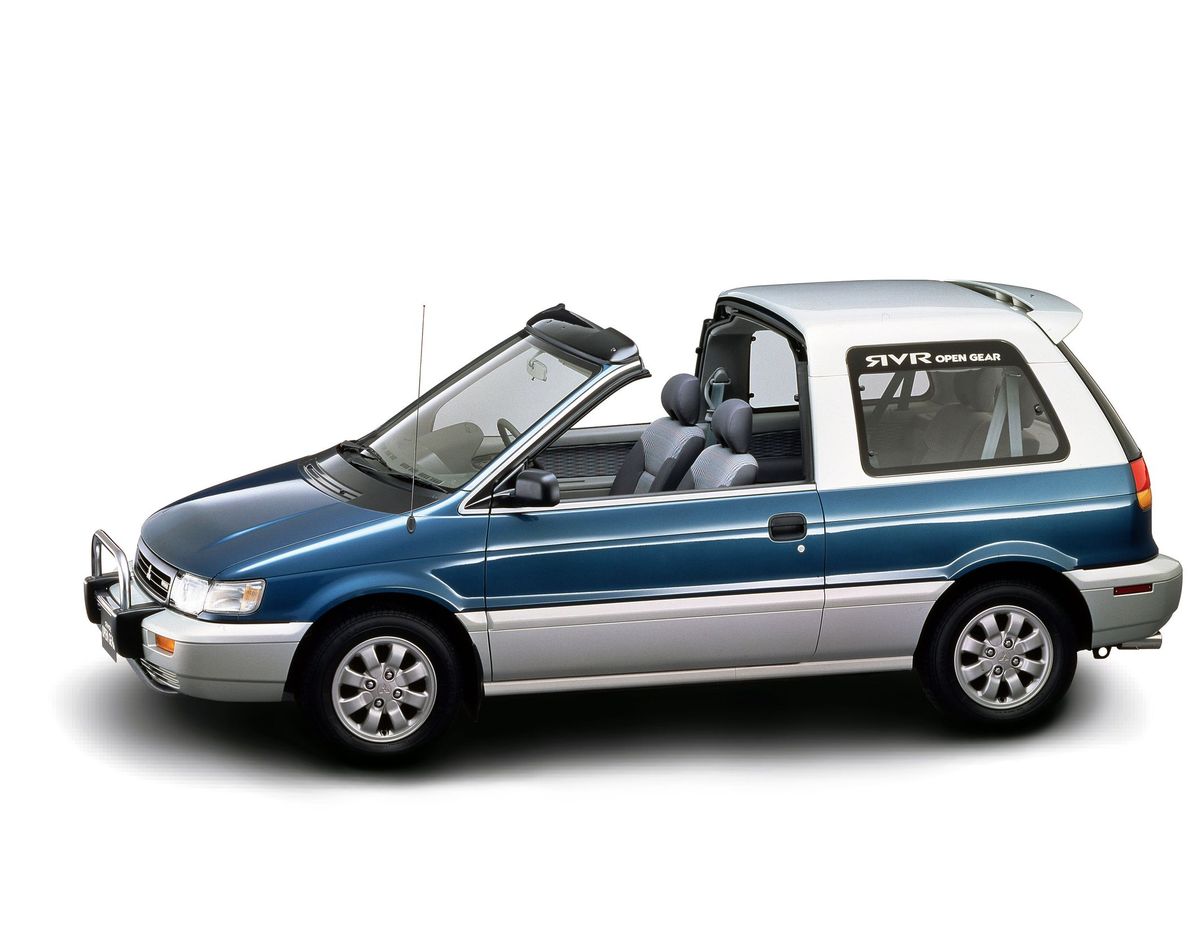
A Mitsubishi RVR wrapped in carbon fiber film starts with choosing a finish, and the two groups read very differently on the car. Carbon weave has a repeating woven pattern that suits the RVR's upright body panels. Forged carbon has a more random, clouded look that hides layout mistakes better on curved areas. The finish decision changes how much film you order, so make it before measuring.
The RVR's factory paint still decides how much preparation a carbon fiber vinyl wrap needs. Any chip, scratch, or rust spot must be leveled before the film goes on, because the textured finish will make them more visible. The second generation's sliding doors leave the tracks bare, and seams are cut along the tracks for a clean line. Every body style has its own natural seam points: the tailgate glass on the third generation and the fabric top edges on the first generation targa.
Carbon fiber wrap on the RVR is removable and should be washed by hand when dirty. Hand washing avoids lifting the film edges at panel gaps and sliding door tracks. Use a mild soap and microfiber cloth, and never direct a pressure washer at a seam. With hand washing, the film stays down and the carbon pattern stays sharp.