

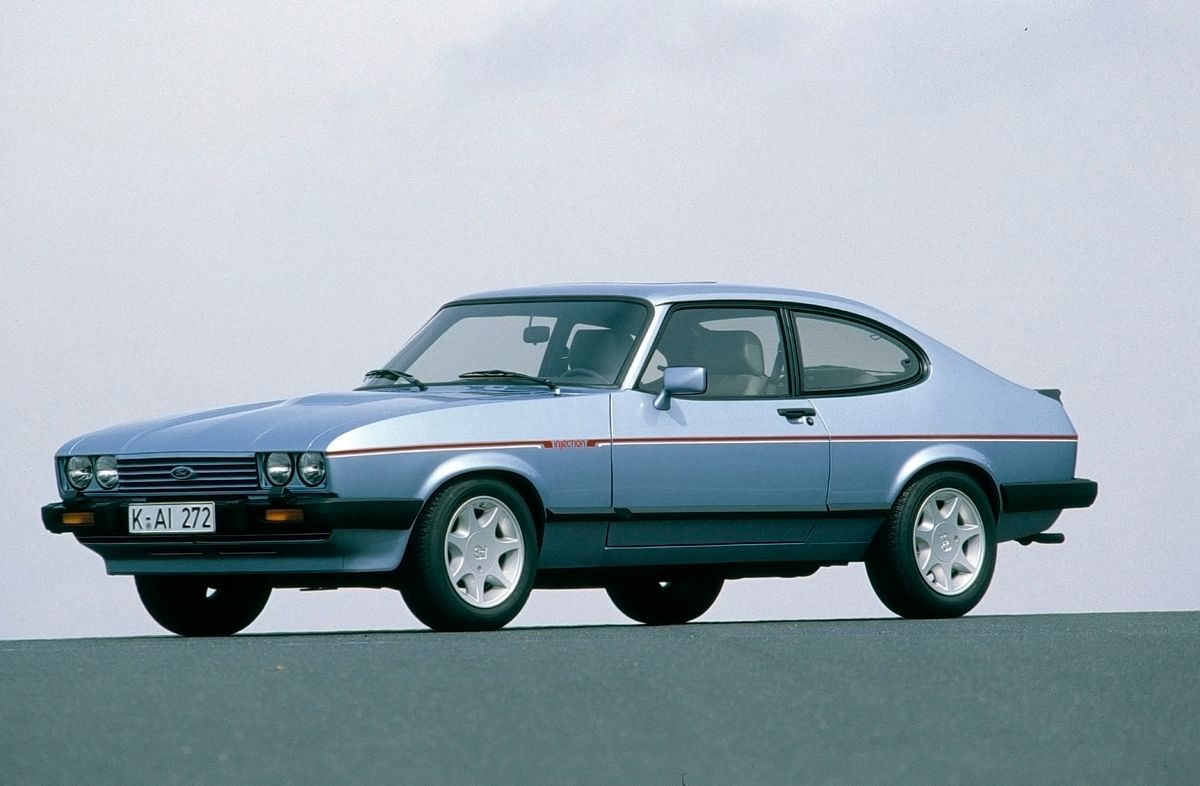
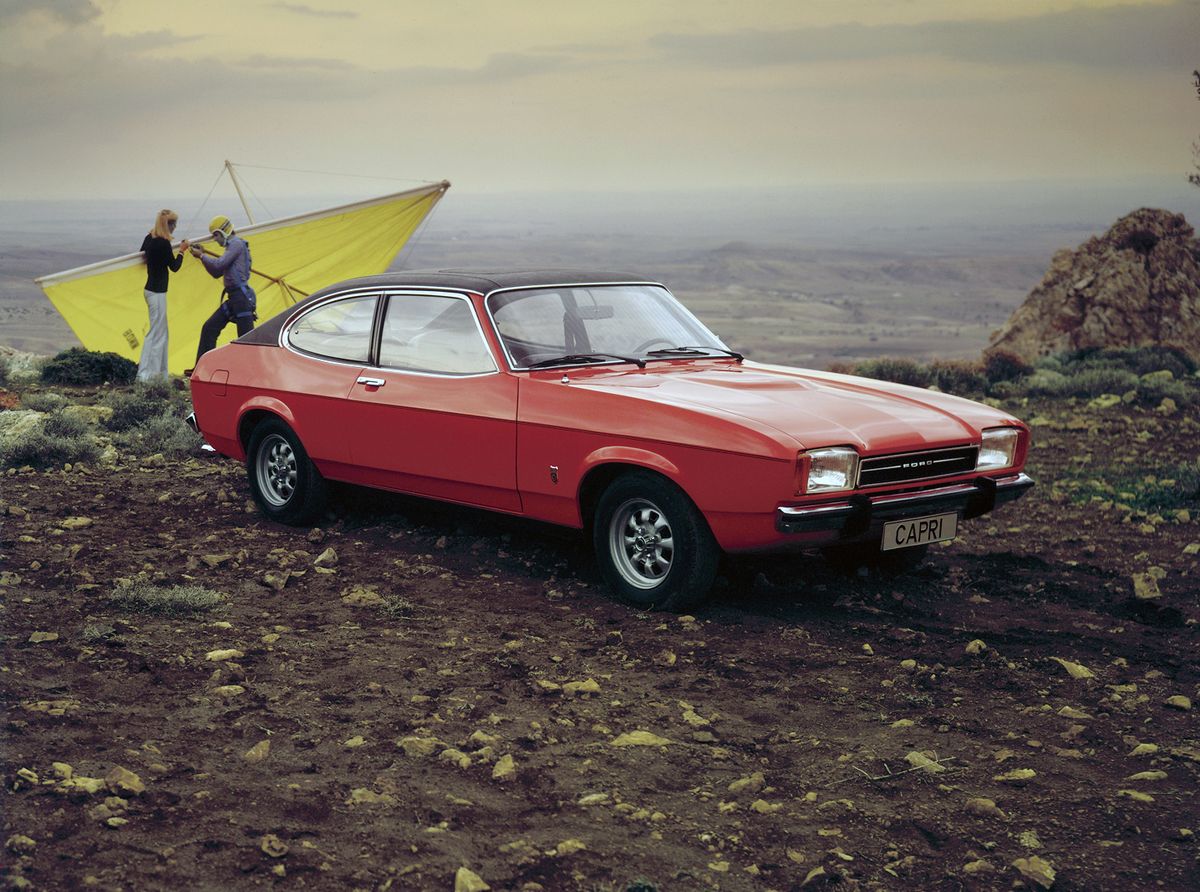
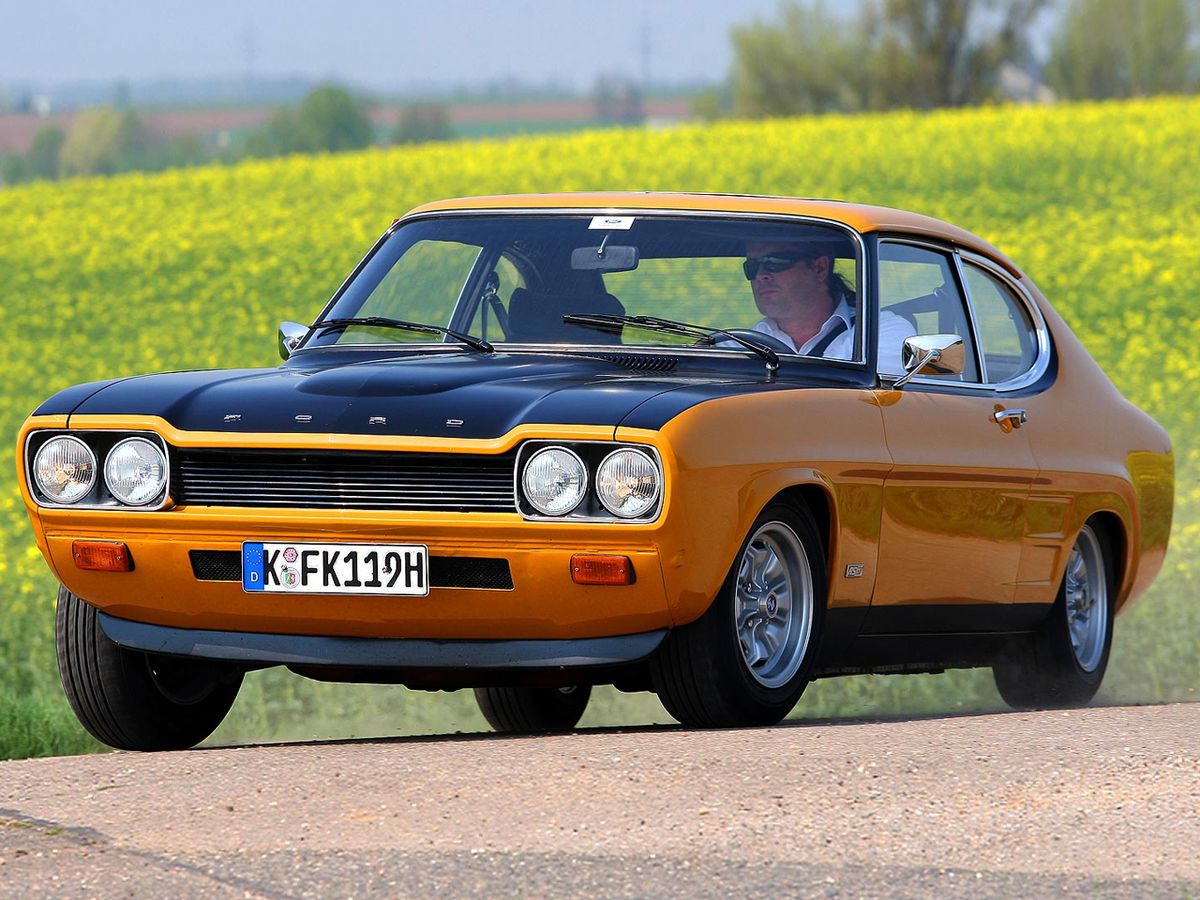
A Capri wrapped in chrome starts with the finish choice, because mirror, satin, and prismatic films read differently on the sheet metal. Pick a finish first, then a film line, and finally decide between a full wrap and a partial wrap. On the classic coupes, the two long side doors mean each door is one large piece of film. On the new SUV, the wrapped tailgate ends at the edge of the rear glass.
Factory paint condition matters before any chrome vinyl goes on, and seams are planned around the body features. The classic coupes have long doors, so each door is one large piece with no seam in the middle. The electric SUV has a charge port door that is wrapped as a small piece of its own. Old paint or clear coat issues should be fixed first, and a test spot is wise on cars from 1969–1987.
A chrome wrap on the Capri is removable, and hand washing keeps the film clean. Avoid automatic brushes and pressure washers close to edges, because chrome film scratches easily. If the wrap is removed carefully, the factory paint underneath stays intact. The wrap also protects the paint from light scuffs while it is on.