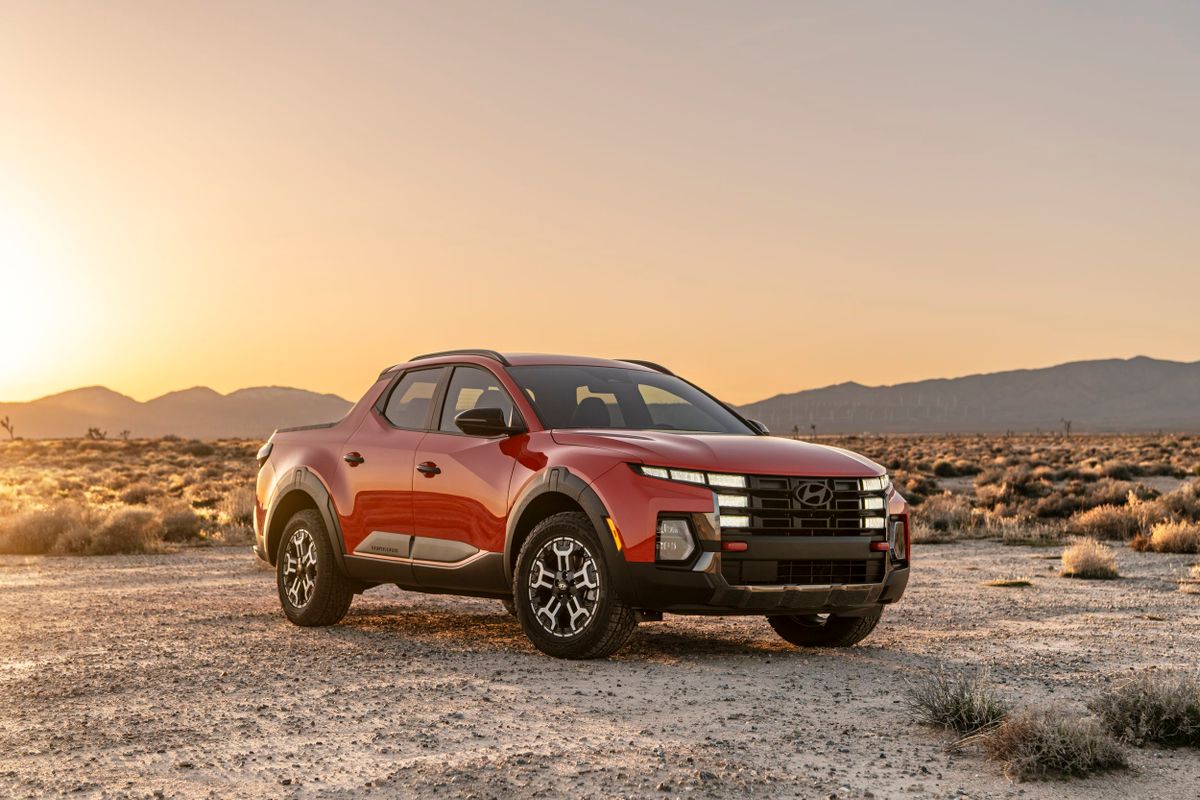

A Santa Cruz wrapped in chrome starts with choosing a finish, from bright mirror chrome to softer satin or brushed looks. The film line matters next, because each brand's chrome differs in reflectivity and how it handles the truck's panels. A color change is then planned as a full wrap or a partial job on the roof, hood, or mirror caps. The Santa Cruz's short bed and tall bed sides make those choices more visible than on an SUV.
A chrome wrap covers the factory paint so the original color no longer shows, and no paint is harmed. The 2024 restyle changed the grille and bumpers, so film patterns for earlier Santa Cruz models may not fit the updated nose. Seams are placed along the pickup's body lines where the cab meets the bed and around the tailgate. A color change wrap leaves the door jambs and the inside of the bed in the factory paint, which can be an intended contrast.
Chrome film is removable and is taken off by heating the vinyl and pulling it away from the panel. A hand wash is the safest cleaning for a chrome wrap, using a soft mitt, mild soap, and low water pressure. The truck's tall bed sides catch road spray, so the lower doors and rocker panels need more frequent washing. Avoid automatic car washes with brushes, because their stiff bristles can scratch the film's face.