Wraps by car

Morris Minor wrap

The Morris Minor wrap page covers the classic British car from 1952 to 1971, across its final two generations. A full vinyl wrap of the newest sedan body takes about 46 ft (14 m) of 60-inch (1.52 m) cast film. Chrome or patterned film adds roughly six feet, bringing the total to about 52 ft (16 m). The page explains what changes between the two bodies and what smaller wrap jobs suit the car.

2generations

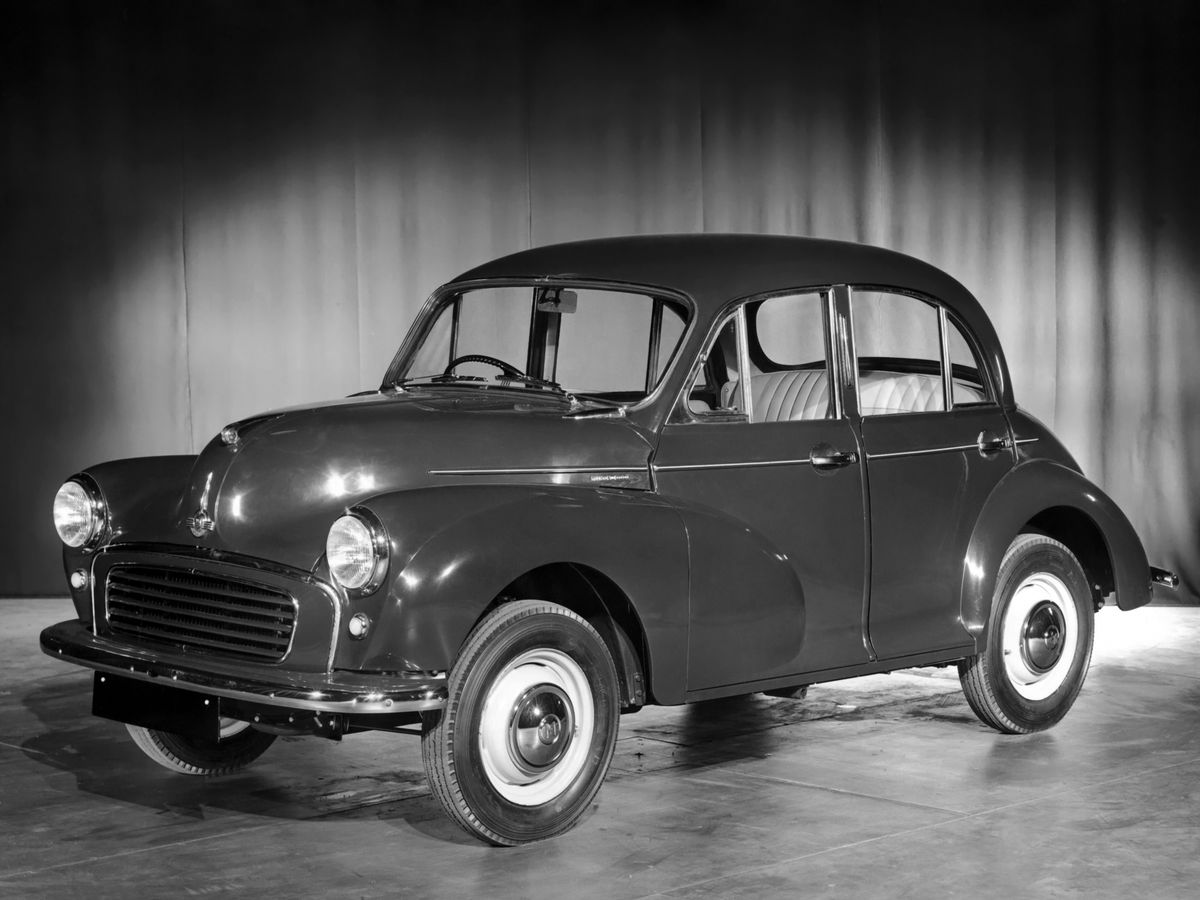
Morris Minor, third generation, factory photo
Morris Minor, third generation. Factory color shown.

Morris Minor wrap colors and ideas

  • Minor black wrap
  • Minor white wrap
  • Minor gray wrap
  • Minor silver wrap
  • Minor red wrap
  • Minor blue wrap
  • Minor green wrap
  • Minor yellow wrap
  • Minor orange wrap
  • Minor purple wrap
  • Minor pink wrap
  • Minor teal wrap
  • Minor brown wrap
  • Minor gold wrap
  • Minor chrome wrap
  • Minor color shift wrap
  • Minor carbon fiber wrap
  • Minor camo and patterned wrap

How much vinyl to wrap a Morris Minor

Estimates from the body dimensions in the catalog, for a 1.52 m (60 in) roll.

YearsBodyLengthFilm to order
1956–1971sedan (4 doors)——
1952–1956sedan (4 doors)148.0 in (3,759 mm)about 46 ft (14 m) of 60-inch (1.52 m) cast film; chrome or patterned film: about 52 ft (16 m)

Minor wrap cost factors

Minor wrap cost depends mainly on the amount of film and the number of panels on this small sedan. A full wrap of the 148.0 in (3,759 mm) body requires about 46 ft (14 m) of cast film, which is less than a long modern car, but the panel count is still high for its size. The older the car, the more the installer has to clean and prepare the paint, and original paint needs a test spot before any film goes on. Chrome delete and protective film are priced by the part, not by the whole car.
  • Body: sedan (4 doors).

Minor wraps by generation

Swipe sideways. Tap a card for the full description.

Morris Minor, third generation, factory photo
Factory color shown

1956–1971 Minor sedan (third generation)

1956–1971sedan (4 doors)

The third-generation Morris Minor, built from 1956 to 1971, is the newest body this page covers and the one the main film estimate is for. On a car of these years the paint may be original or repainted, and a test spot comes before a full wrap because aged paint can pull away when the film is lifted. The sedan is a small four-door with a length close to 148.0 in (3,759 mm), so a full color change takes about 46 ft (14 m) of 60-inch (1.52 m) film. The upright flat sides and large window area leave little complex curvature for the installer to fight.

1952–1956 Minor sedan (second generation)

1952–1956sedan (4 doors)148.0 in (3,759 mm)

The second-generation Morris Minor, made from 1952 to 1956, is the body with the published film estimate of about 46 ft (14 m) of 60-inch (1.52 m) cast film. Its length of 148.0 in (3,759 mm) and four-door sedan shape mean the wrap is split into eleven main panels plus the roof and pillars. The side windows are large and the roof is narrow, so the roof film is cut from one piece without a seam. This body is a few inches shorter than the later car, but the panel count and the amount of film stay the same.

Film: about 46 ft (14 m) of 60-inch (1.52 m) cast film; chrome or patterned film: about 52 ft (16 m).

Roof, hood, chrome delete and PPF on a Minor

A partial wrap on a Minor can be as small as the roof and hood, or just the mirror caps, and it leaves the doors and fenders in the original paint. Minor chrome delete is also a good fit for this car, with the window trim and badges covered in black film. For protection, clear paint protection film (PPF) on the front end guards the hood, fenders and headlight surrounds from stone chips. These smaller jobs use less film than a full color change wrap, so they are a lighter way to change or protect the car.

  • Partial wrap: roof, hood, mirror caps.
  • Chrome delete: window trim and badges.
  • Paint protection film: clear film for the front end, which can also go over a wrap.

Wrapping a Morris Minor: body, cut-outs and film

A Morris Minor vinyl wrap suits its small, upright sedan body, which has a simple four-door shape and a length of 148.0 in (3,759 mm) on the second-generation model. The flat door panels and modest curves help the film lay down without heavy stretching. Because the car is short and narrow, a full wrap uses less film than a modern compact. The roof, hood and trunk are all easy to reach for a clean install.

Minor wrap ideas begin with the details that separate a neat job from a rushed one. The door handles, badges and window trim need careful cutting and tucking, and the bumpers are best removed for a clean edge. The headlight surrounds and grille are also taken off so the film can wrap around the panel edges. These small parts add time, but taking them off leads to a finish that hides the film's edges.

If you count how much vinyl to wrap a Minor, the second-generation 1952–1956 sedan is the body this page uses for its film estimate. The third-generation 1956–1971 car is the same length and shape, so a full wrap needs the same amount of material. A chrome delete or patterned job needs about 52 ft (16 m) because those films have no stretch allowance and the installer cuts more waste. For a standard color change, the figure is about 46 ft (14 m).

Questions about wrapping a Morris Minor

How much vinyl does it take to wrap a Morris Minor?

Yes, a Morris Minor takes about 46 ft (14 m) of 60-inch (1.52 m) cast film for a full color change wrap on the second-generation 1952–1956 sedan. If you use chrome or patterned film, the amount rises to about 52 ft (16 m) because those films stretch less and the installer wastes more around the panels. The third-generation car from 1956 to 1971 is the same size, so the figures are the same. The roof, hood and trunk are small, so they add little to the total.

Can I wrap only the hood or the roof of a Minor?

Yes, you can wrap only the hood or the roof of a Minor, and the shop also does mirror caps as a small partial wrap. The roof is a simple flat panel on the 1952–1956 sedan, so it is one of the quickest panels to cover. For a chrome delete on a Minor, the window trim and badges are wrapped in black film. Clear paint protection film (PPF) on the front end is another option that covers the hood, fenders and headlight surrounds.

Is a Minor hard to wrap?

A Minor is not a hard car to wrap, but its age and small panels add some work. The 148.0 in (3,759 mm) body has flat doors and a simple roof, so the film lays down without much stretching. The extra work comes from the old paint, which may be original or repainted, and the installer has to test a small spot before the full wrap. The bumpers, grille and headlight surrounds also need to come off for a clean edge, which adds time but not difficulty.

How many generations of the Minor does this page cover?

This page covers two generations of the Morris Minor: the second generation from 1952 to 1956 and the third generation from 1956 to 1971. Both are four-door sedans of the same size and shape, so they share one film estimate of about 46 ft (14 m) of 60-inch (1.52 m) cast film. The third-generation body is a few inches longer, but the panel count and the wrap coverage are the same. The page gives one set of facts for both, with a note on paint age for the later cars.