

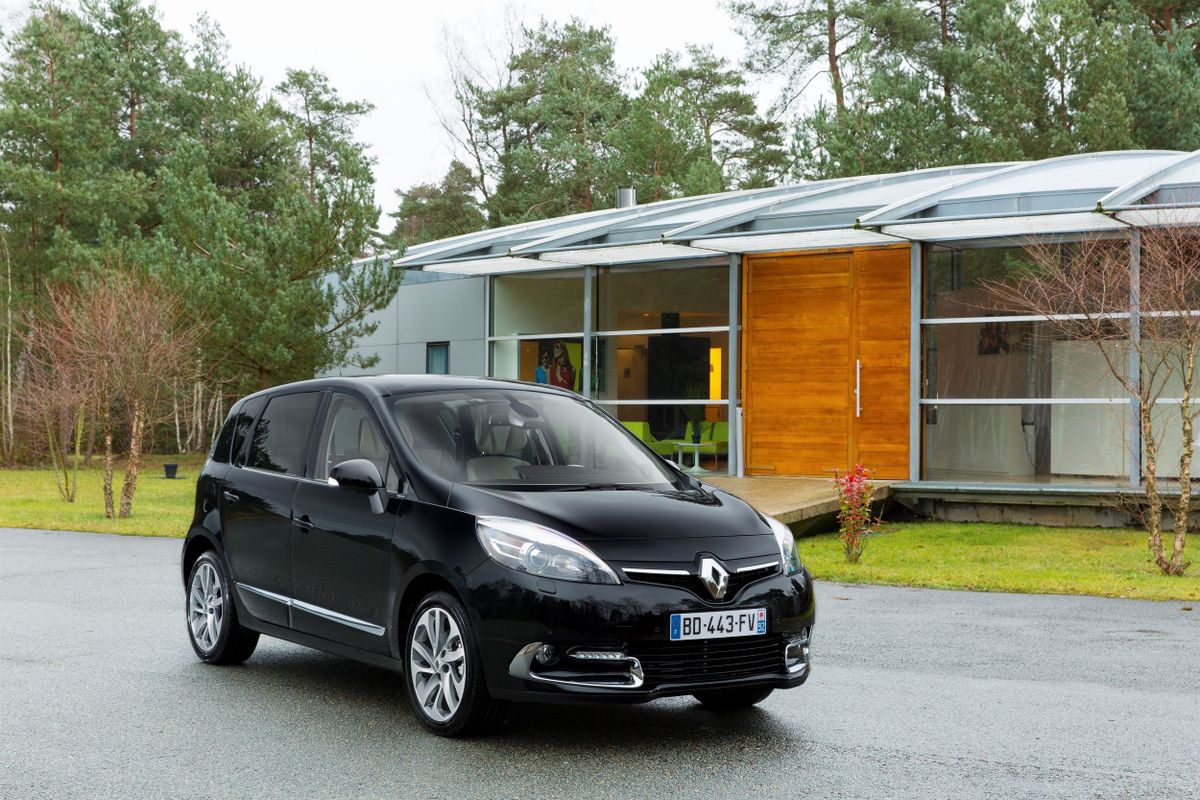

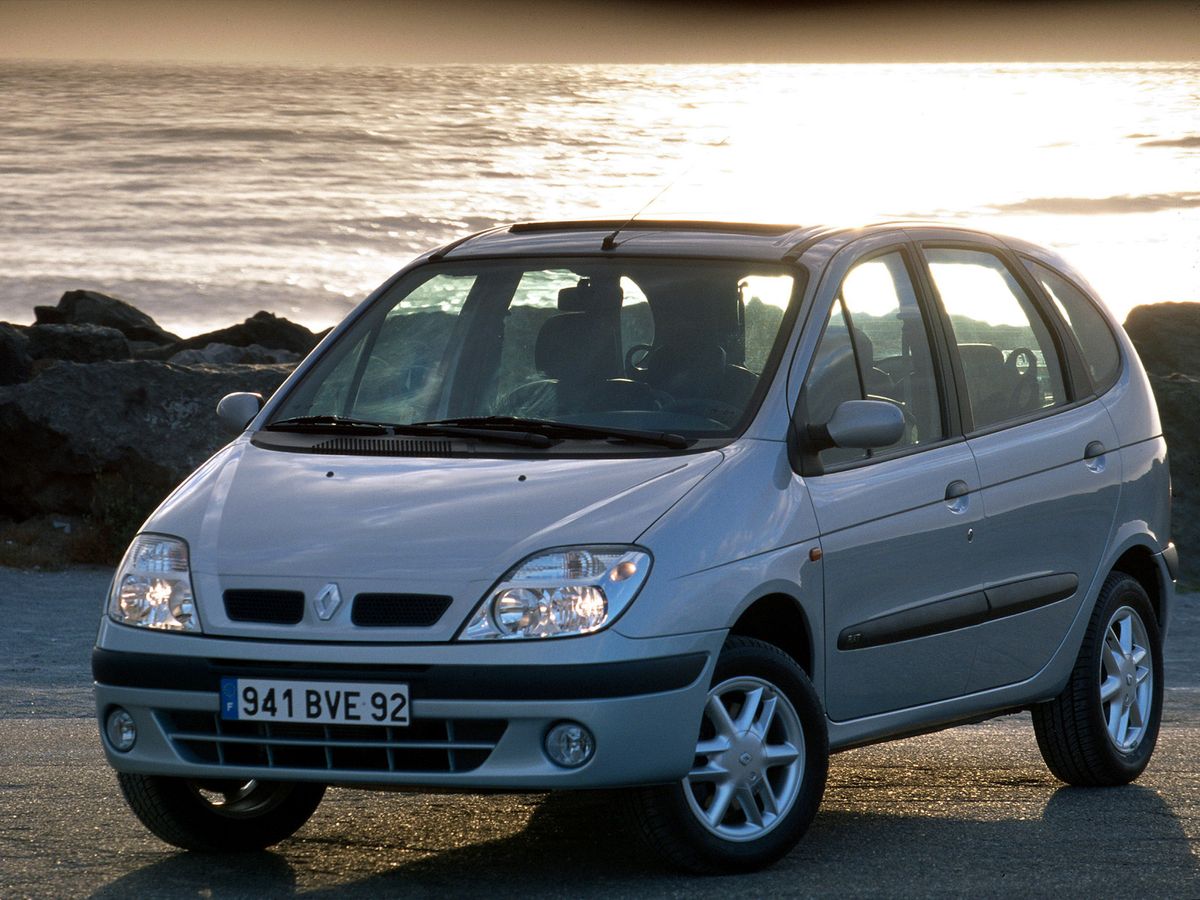
A Scenic wrapped in black begins with choosing the finish, because matte, satin and gloss each change how the color change reads on the tall sides. The finish choice drives the film selection, since some finishes only come in certain film lines. Then decide between a full wrap and a partial one, because the sliding doors can make a full wrap more involved. The fourth generation's roof rails and glass panel also affect how much black film the body actually takes.
The factory paint is the foundation of the wrap, so deep scratches and peeling clear coat have to be fixed before the black film goes on. On older Scenics, test a small piece of film first, because original paint and repainted panels grip adhesive differently. The seams are planned around the sliding door tracks and the edges of the bumpers, where black film can be split into smaller pieces. Good seam placement keeps the black finish clean on a body with long straight sides.
The wrap is removable, but the adhesive needs a clean surface to release without lifting old paint. On the Scenic, the door tracks and sensor openings stay bare, so removal is easier when those edges are cut neatly. Hand wash the wrapped van with a soft mitt and pH-neutral soap, because brush car washes can lift seams. Never use a pressure washer close to the film edges.