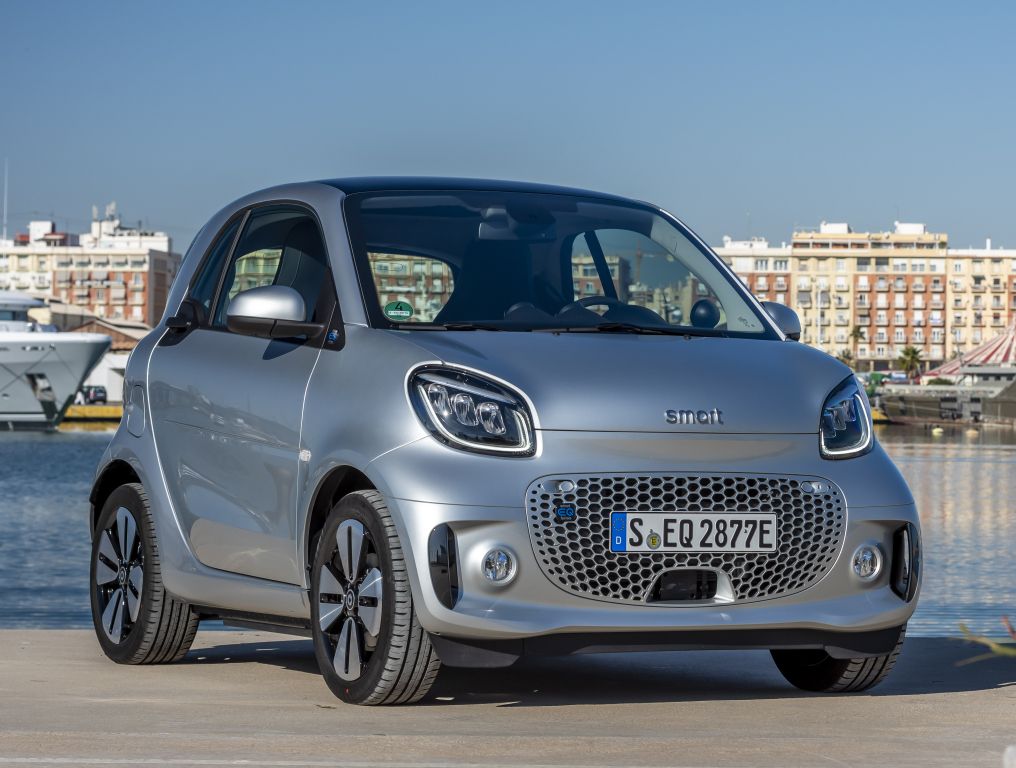
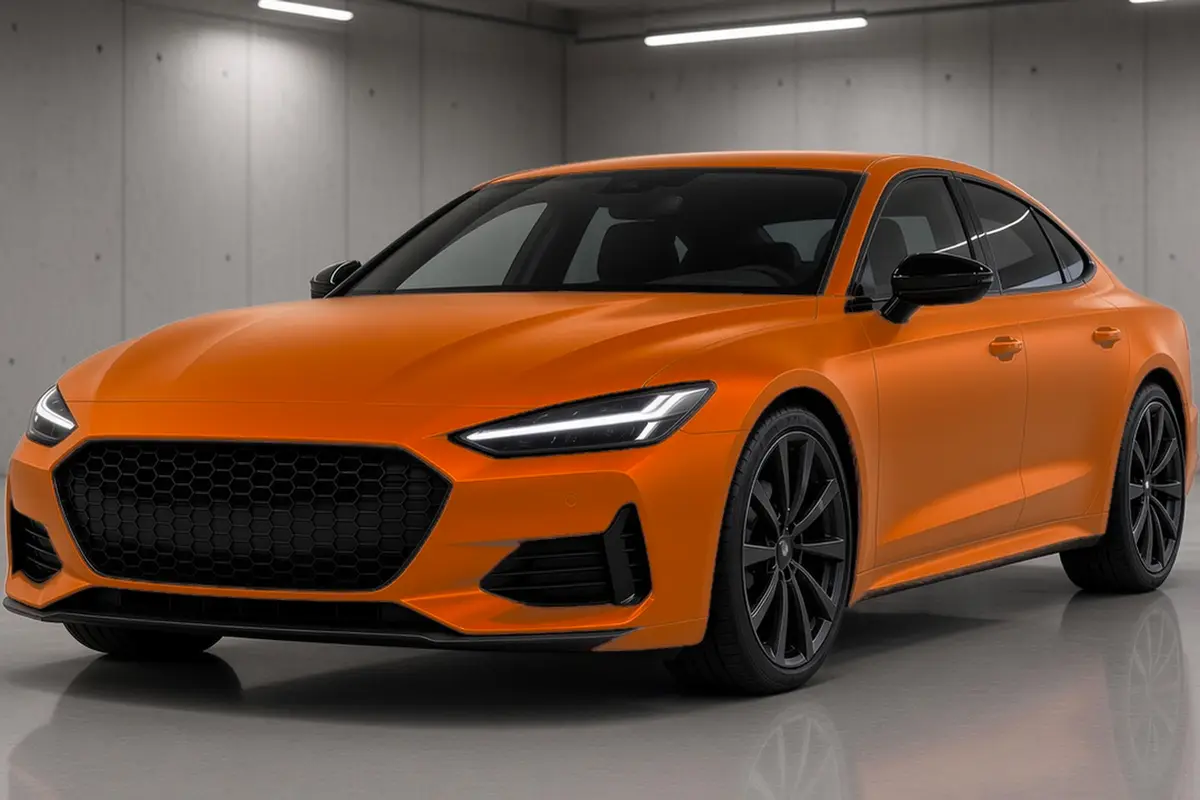
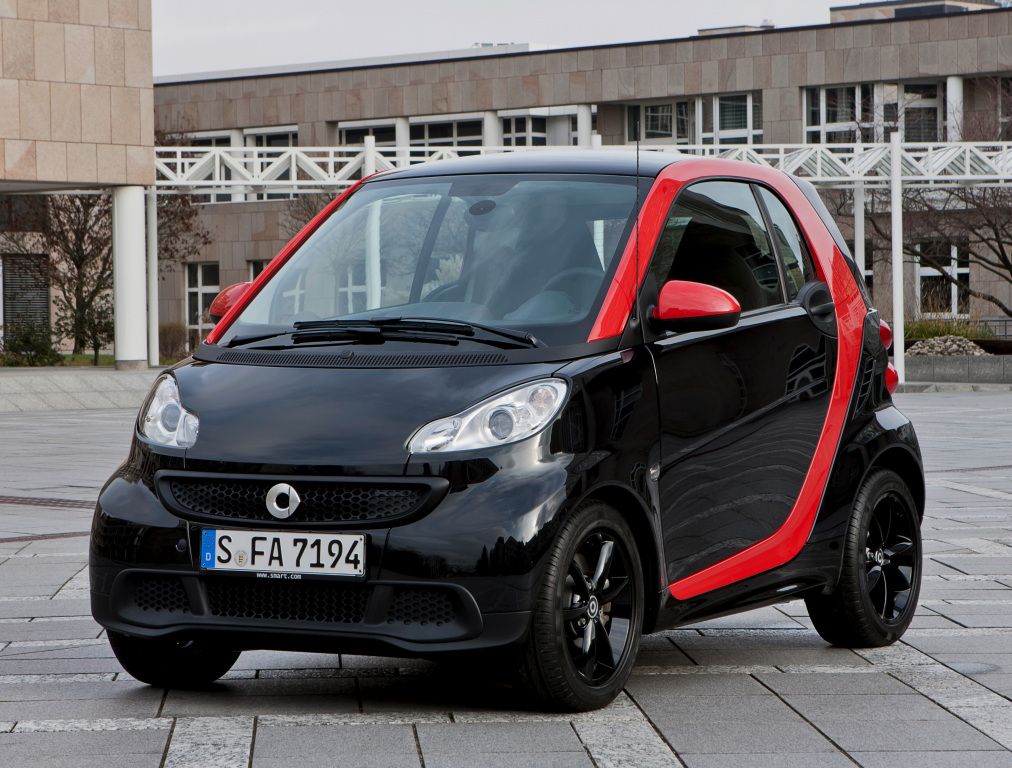
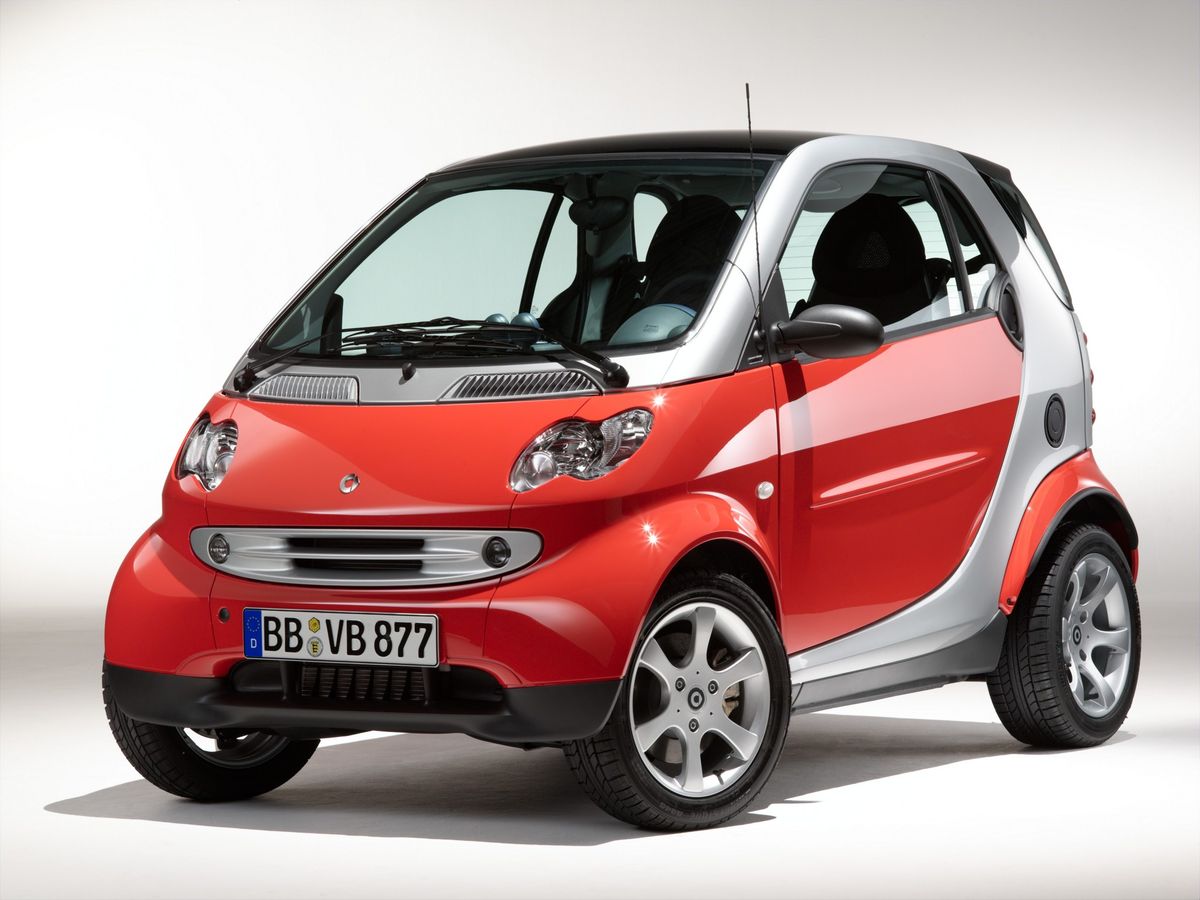
A Fortwo wrapped in orange starts with the finish you want, because matte, satin, gloss, metallic, candy and glitter all change how the color reads on the body. After the finish, choose the exact film from the line-up and decide between a full wrap or a partial one. The third-generation car has complicated areas like the charge port door, fog lamp cut-outs and camera lenses that add labor. The second and first generations have two or three doors and a tailgate with glass, which means the film must be trimmed to the glass edge.
Factory paint condition drives how an orange wrap looks on the Fortwo, because film follows every stone chip, scratch and ripple in the original surface. On repainted panels, the film can pull weak paint when it is removed, so test spots are wise before a full wrap. Seams are needed where the film cannot stretch enough, like around the door handles, the front bumper fog lamps and the tailgate glass. A good installer places seams along body lines and edges so they are hard to see.
An orange wrap on a Smart Fortwo is removable, so you can return to the factory paint later if the film is removed correctly. Wash the wrapped car by hand with a mild soap and avoid high-pressure spray on edges and seams. The convertible fabric top is not wrapped, and the film ends where the roof panel meets the fabric, so clean that joint carefully. The wrap needs no wax or sealant, and a soft cloth is enough for daily cleaning.