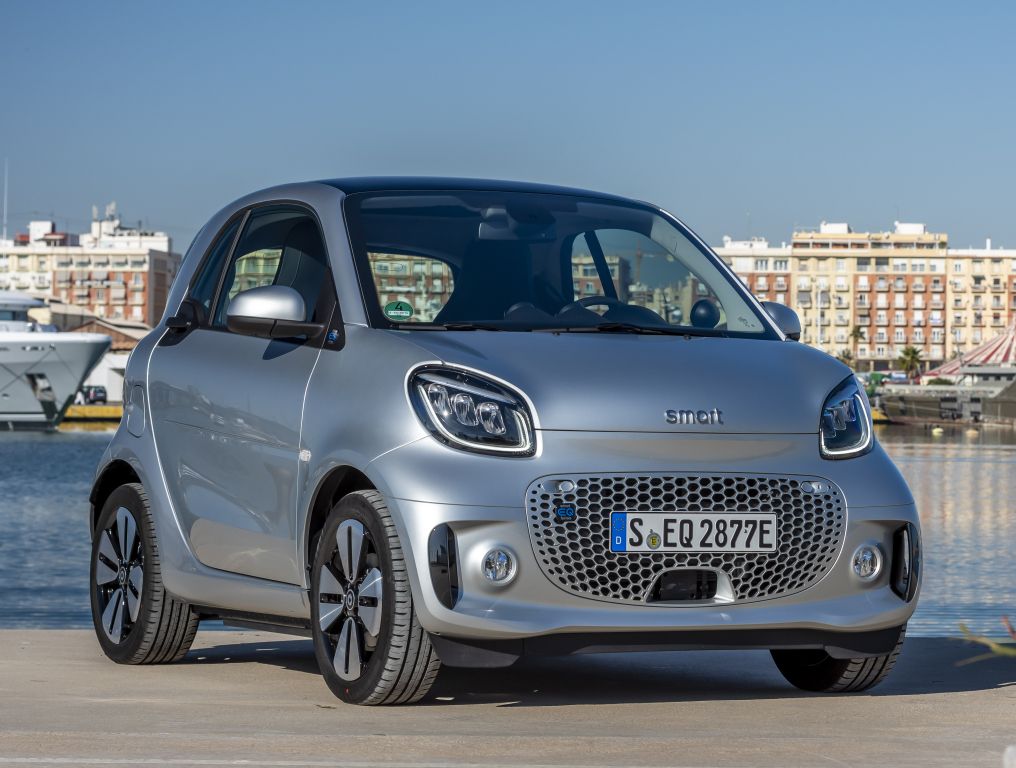
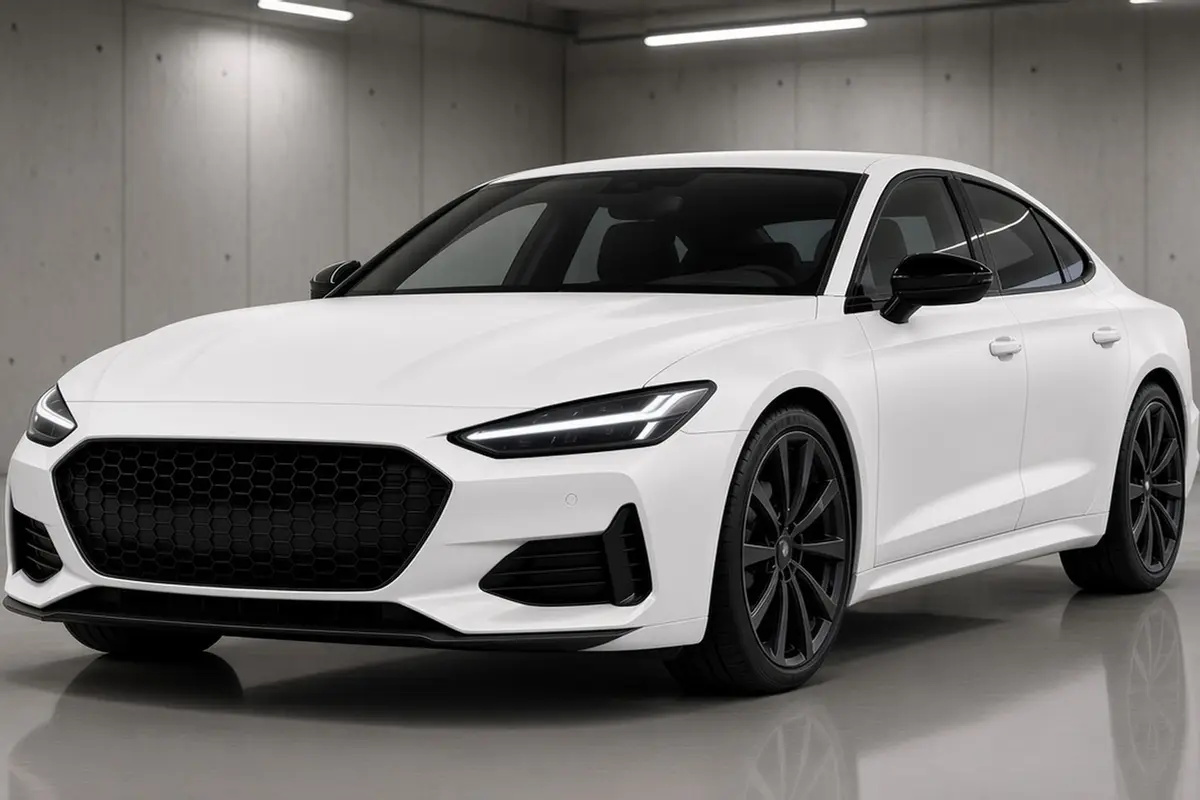
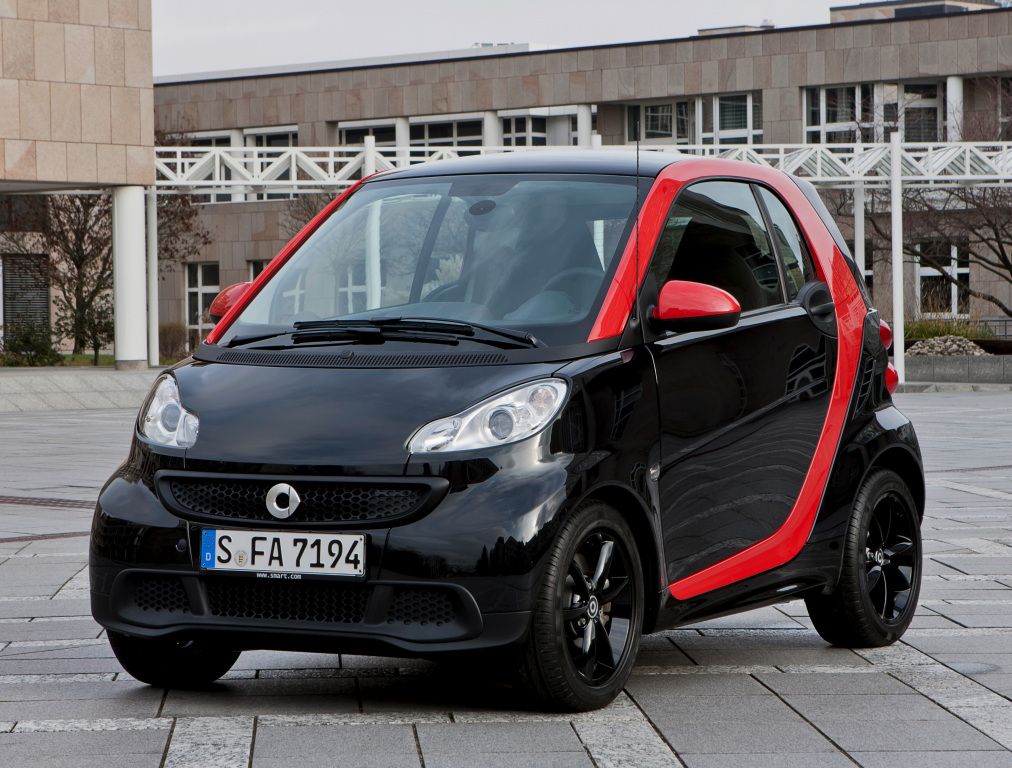
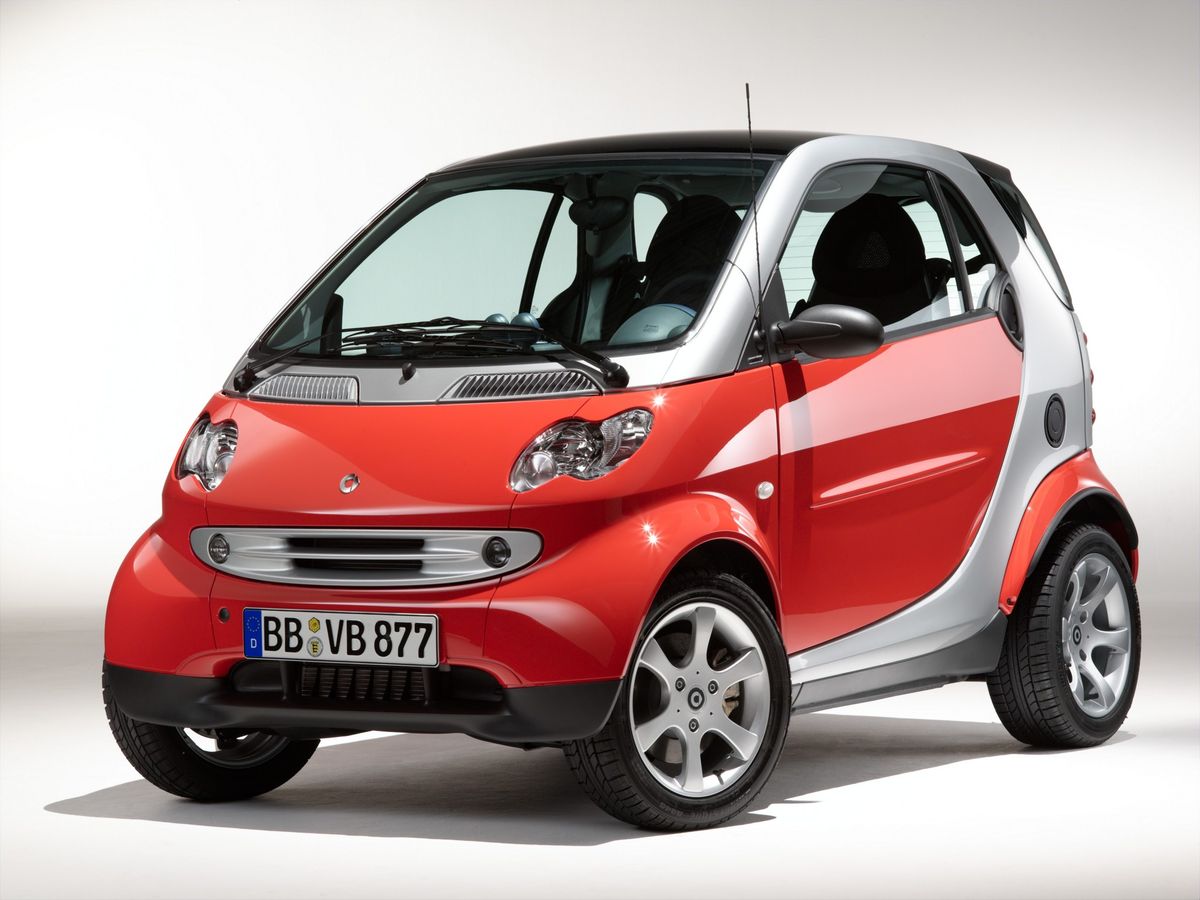
A Fortwo wrapped in white is a full color change, so the visible body panels under the fabric or folding top are all covered. Film choice comes first: the finish changes how the color reads on the small upright panels, and matte hides surface marks better than gloss. After the finish, pick a specific film for its exact shade of white and its working feel during the install. The last decision is coverage: all painted panels including door jambs, or only the outside faces that show when the doors are closed.
Factory paint on the Fortwo is short, and the two long side doors never hide a bad seam or a lifted edge. A white film in a satin or matte finish makes those seams less visible than gloss on this car. Every body has a tailgate with the rear glass in it, so the film ends at the edge of the glass and leaves a clean line. On convertible versions the film also ends where the fabric top begins, which makes the wrap outline much shorter than on the hatchback.
A removable white wrap is a film that can be taken off later without leaving adhesive on the paint when it is removed correctly. Hand wash the Fortwo after a wrap, because automatic brushes can peel the edges where the film ends at the glass or roof. On a car this small, washing takes little water and time, but the film still needs the same careful touch on the mirrors, tailgate and door edges. The wrap protects the paint under it, so the car can go back to its original color when the film is removed.