

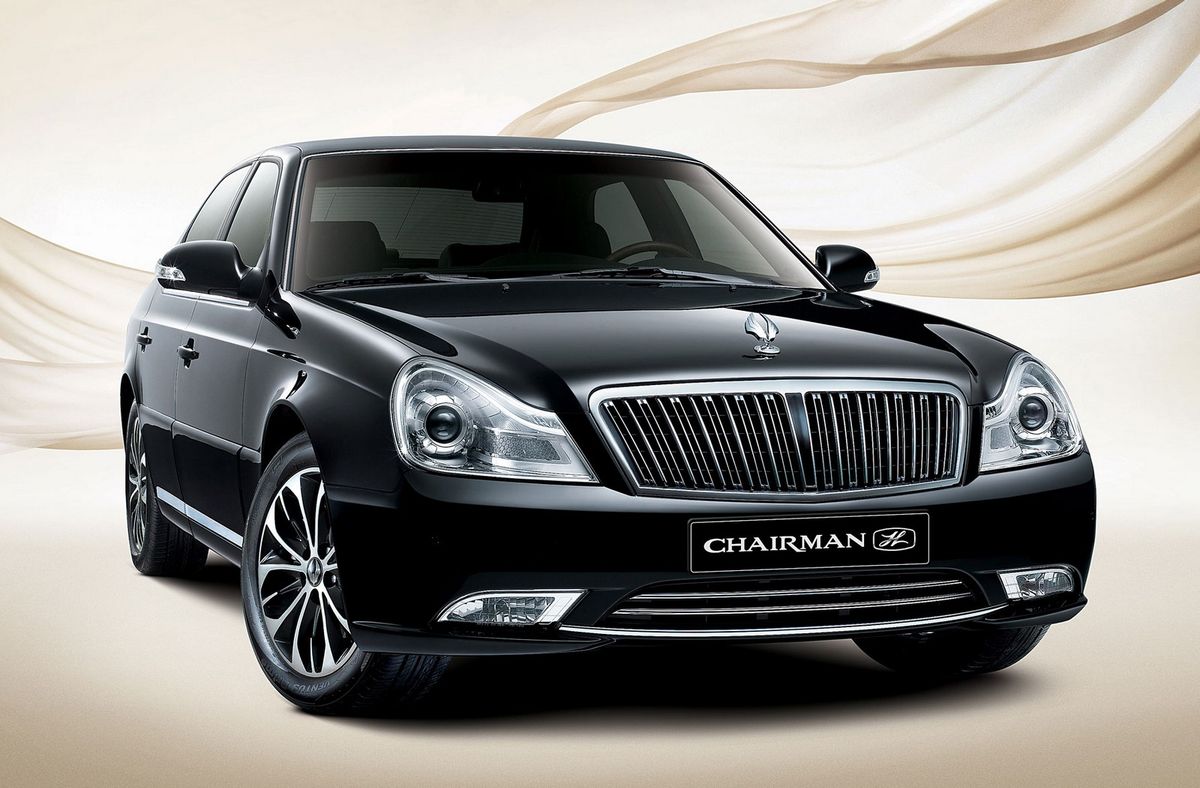
Choosing the right carbon fiber film for the Chairman is a three-step decision: pick a finish, then a film line, then decide on full or partial coverage. Start with the finish because it sets the character: a glossy black carbon fiber weave reads as lacquered factory carbon, while a matte forged carbon film looks like a dry, technical composite. The Chairman wrapped in carbon fiber film needs a uniform weave direction across its long hood and roof, so a full color change is better done in one film line rather than mixing brands. Any of these films is designed for a permanent color change, not a temporary proof.
This sedan's bodywork dictates how much time goes into paint preparation and seam control. The Chairman has a large, flat hood and roof with no sharp creases, which makes laying film easier, but the doors carry a high character line that must be wrapped as one piece or split cleanly along the edge. Wrapping over factory paint on a car of this age means checking for stone chips, repainted panels, or failing clear coat before any film goes on. Seams are unavoidable on the front and rear bumper corners, where a skilled installer hides them on the underside or along the body line.
Caring for a carbon fiber wrap on the Chairman is straightforward and keeps the film removable. Wash by hand with a pH-neutral soap and a soft mitt, because pressure washers can lift film edges at door handles, mirrors, and the grille surround. Avoid solvent-based cleaners or waxes with petroleum distillates, which can dull the matte or satin finishes over time. The film is removable without leaving adhesive on healthy factory paint, but only if it is removed by a shop that heats the panels evenly. Hand wash the car at least once a month to stop road film from bonding to the textured surface.