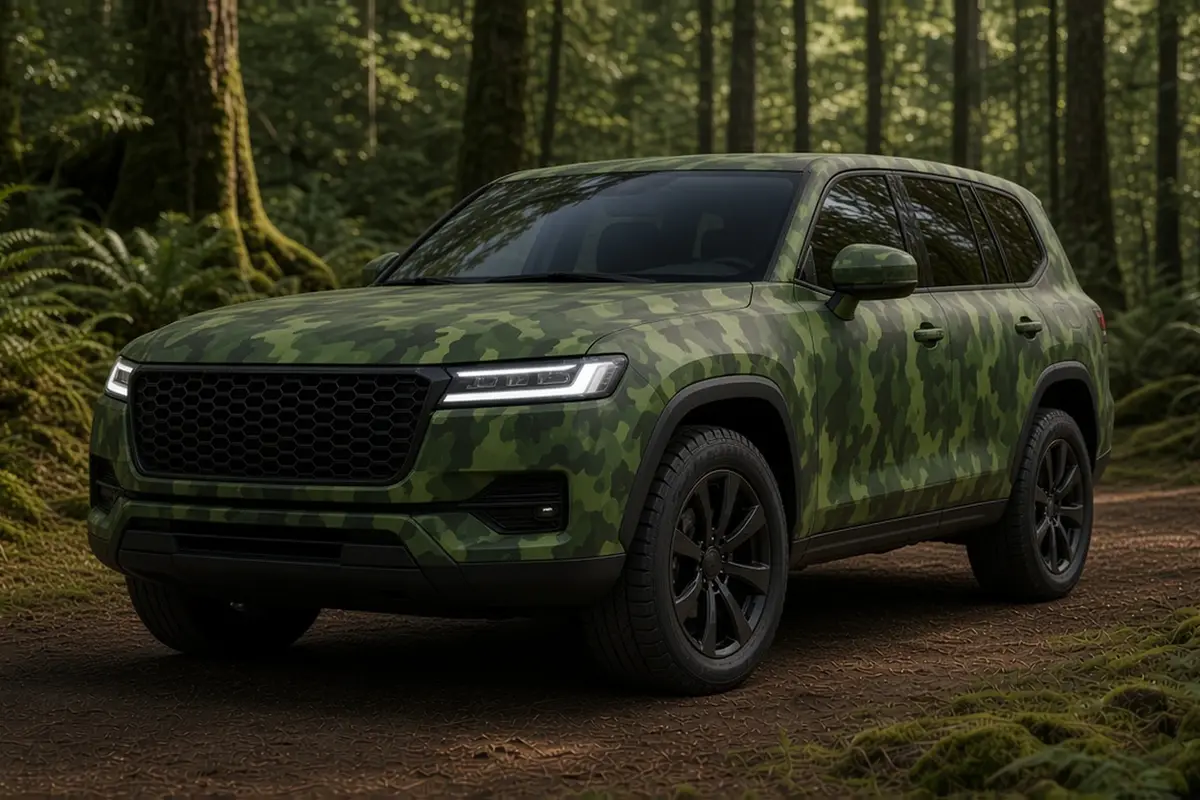
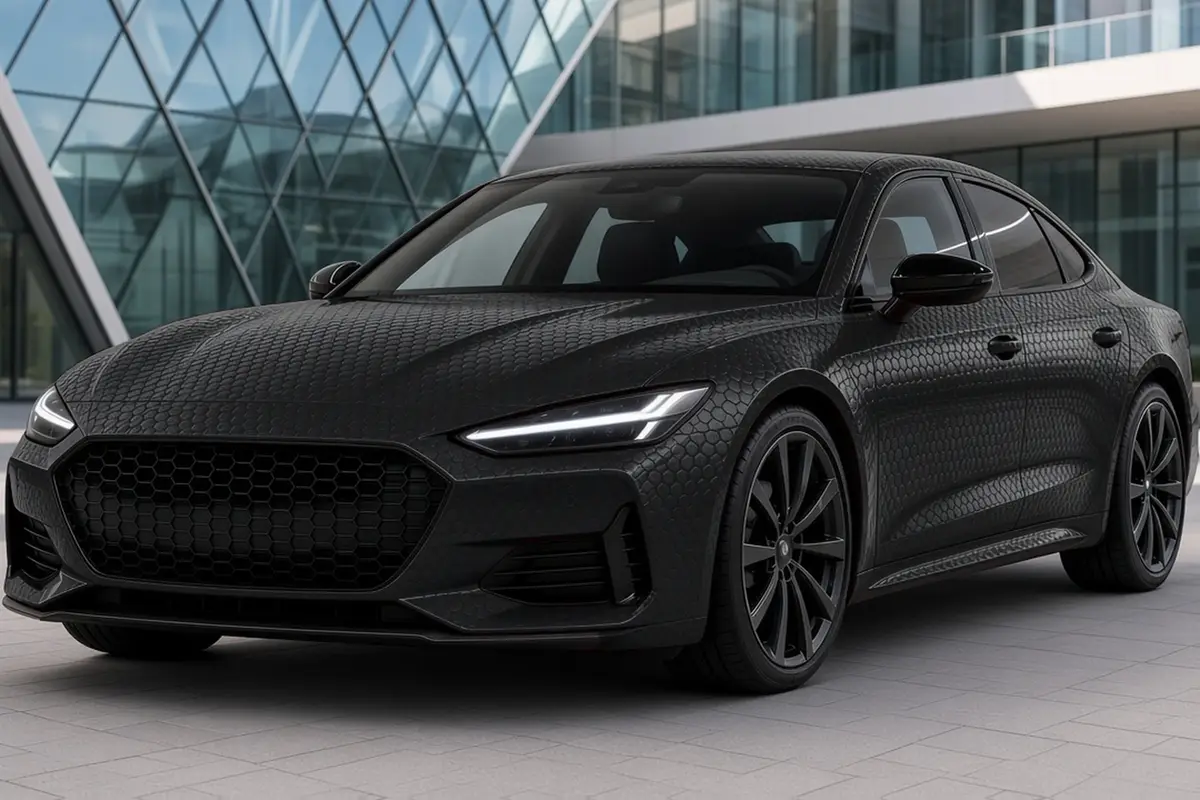
For an FJ Cruiser wrapped in camo or patterned film, choose the pattern first because it sets the look before you pick a brand. The honeycomb group is the most subtle of the three, with small repeating cells that read as texture from a distance. Brushed metal has fine directional lines like a machined surface, which makes the FJ Cruiser look more industrial. Camouflage and snakeskin are the boldest options and they hide the body’s shape less, so the tall flat sides stay visible.
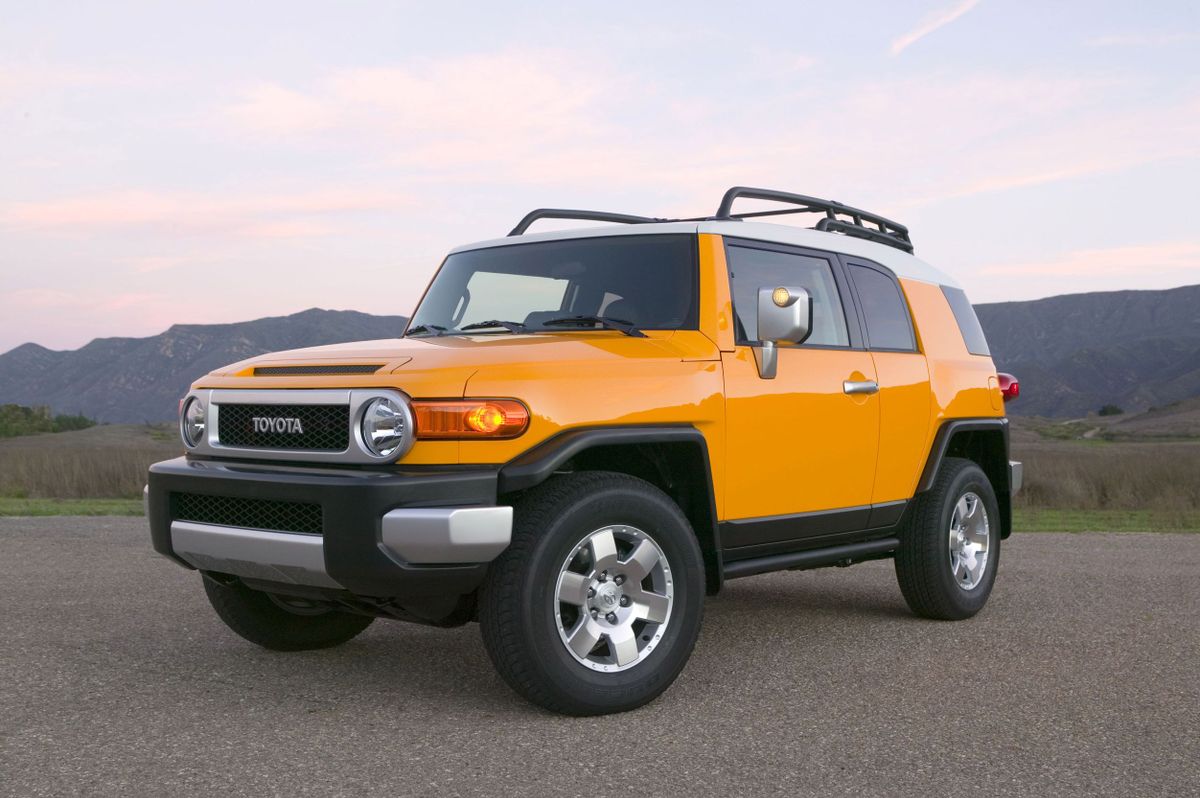
Factory paint is the base you build on with a camo and patterned wrap, so it needs to be clean and smooth before install. The FJ Cruiser’s roof is high at 71.3 in (1,811 mm) and is wrapped from a platform, so an installer cleans that panel carefully to avoid dirt in the film. Seams are placed along body lines like the front fender tops and the hood edge, which this boxy SUV has plenty of. The door jambs are separate from the main wrap and can be left or covered depending on the width of the film you choose.
The wrap on the FJ Cruiser is removable and it does not change the factory paint underneath, so you can return to stock later. Hand wash the wrapped vehicle with a soft mitt and a gentle automotive soap, because a pressure washer can lift an edge. The rear door has a tailgate with the rear glass in it, so water can sit around that glass seal and needs to be dried by hand. Avoid waxes and solvents on a matte or textured finish, since they can change the way the pattern reflects light.