Wraps by car

Donkervoort D8 Zetec wrap

The Donkervoort D8 Zetec wrap page covers the first generation of the Donkervoort D8 Zetec, a convertible sports car produced from 1993 to 1998. A full vinyl wrap of this body takes about 34 ft (10.5 m) of 60-inch (1.52 m) cast film. The car's compact length of 141.7 in (3,600 mm) helps keep the wrap area manageable.

1generations10.5 mof film for a full wrap

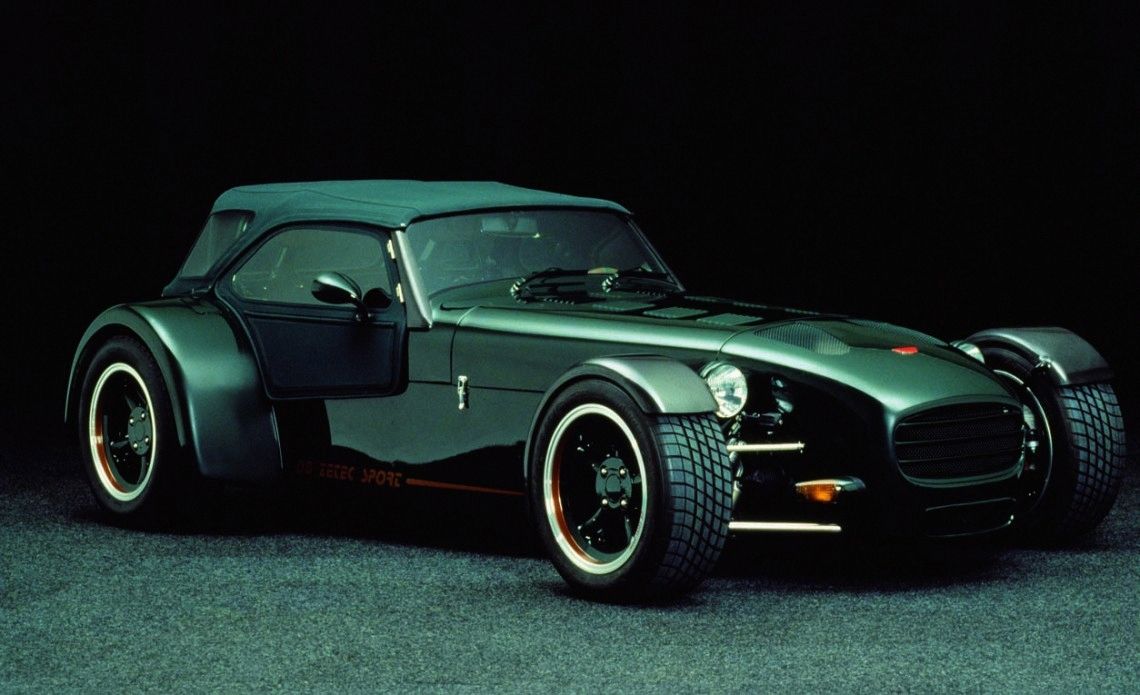
Donkervoort D8 Zetec, first generation, factory photo
Donkervoort D8 Zetec, first generation. Factory color shown.

Donkervoort D8 Zetec wrap colors and ideas

  • D8 Zetec black wrap
  • D8 Zetec white wrap
  • D8 Zetec gray wrap
  • D8 Zetec silver wrap
  • D8 Zetec red wrap
  • D8 Zetec blue wrap
  • D8 Zetec green wrap
  • D8 Zetec yellow wrap
  • D8 Zetec orange wrap
  • D8 Zetec purple wrap
  • D8 Zetec pink wrap
  • D8 Zetec teal wrap
  • D8 Zetec brown wrap
  • D8 Zetec gold wrap
  • D8 Zetec chrome wrap
  • D8 Zetec color shift wrap
  • D8 Zetec carbon fiber wrap
  • D8 Zetec camo and patterned wrap

How much vinyl to wrap a Donkervoort D8 Zetec

Estimates from the body dimensions in the catalog, for a 1.52 m (60 in) roll.

YearsBodyLengthFilm to order
1993–1998convertible (2 doors)141.7 in (3,600 mm)about 34 ft (10.5 m) of 60-inch (1.52 m) cast film; chrome or patterned film: about 39 ft (12 m)

D8 Zetec wrap cost factors

The D8 Zetec wrap cost depends on the body area, film type, and the condition of the paint. The car's short 141.7 in (3,600 mm) length reduces the total material needed compared to larger sports cars. Chrome or patterned film adds a higher material count at about 39 ft (12 m), while standard cast film uses about 34 ft (10.5 m). Extra labor comes from the open top, small panels, and any trim removal.
  • Film for a full wrap: about 34 ft (10.5 m) of 60-inch (1.52 m) cast film; chrome or patterned film: about 39 ft (12 m).
  • Body: convertible (2 doors).
  • Convertible body: a fabric top is not wrapped and the film ends where it begins; a folding hard top is wrapped as panels of its own.

D8 Zetec wraps by generation

Swipe sideways. Tap a card for the full description.

Donkervoort D8 Zetec, first generation, factory photo
Factory color shown

1993–1998 D8 Zetec convertible (first generation)

1993–1998convertible (2 doors)141.7 in (3,600 mm)

The open top of the first generation Donkervoort D8 Zetec is not wrapped because the fabric would reject the adhesive and flex too much. The film is cut to end where the fabric top begins, usually along the top edge of the windshield and the rear deck. The roll bar is a separate solid part that can be wrapped to match the body. A folding hard top would be wrapped as its own panels, but the D8 Zetec uses a simple fabric roof.

Convertible body: a fabric top is not wrapped and the film ends where it begins; a folding hard top is wrapped as panels of its own.

Film: about 34 ft (10.5 m) of 60-inch (1.52 m) cast film; chrome or patterned film: about 39 ft (12 m).

Roof, hood, chrome delete and PPF on a D8 Zetec

A partial wrap on a D8 Zetec can cover the hood, mirror caps, or rear deck without a full body change. Chrome delete on the D8 Zetec involves covering the window trim and badges with black film. Paint protection film (PPF) is a clear wrap for the front end to guard against stone chips. These smaller jobs use much less film and are easier to quote than a complete wrap.

  • Partial wrap: hood, mirror caps, rear deck.
  • Chrome delete: window trim and badges.
  • Paint protection film: clear film for the front end, which can also go over a wrap.

Wrapping a Donkervoort D8 Zetec: body, cut-outs and film

A Donkervoort D8 Zetec vinyl wrap must follow the lines of its convertible body, with a fabric top that remains unwrapped. The film ends where the top begins, so the wrapped area covers the hood, doors, front fenders, rear deck, and the small rear section. Its 141.7 in (3,600 mm) length makes the D8 Zetec one of the shorter cars a wrap installer handles. The two-door layout means no rear door jambs to work around.

D8 Zetec wrap ideas often start with protecting the front end or changing the bright trim. The windshield surround and any chrome badges can be covered with black film for a chrome delete. The roll bar behind the seats is a visible part that can be wrapped, but the fabric top is left alone. Removing the mirrors and door handles makes a cleaner install, and the front cycle fenders can be wrapped separately from the body.

When counting how much vinyl to wrap a D8 Zetec, a single generation means the estimate stays consistent. The 1993–1998 production run used one body style, so the film amount does not change between model years. The only variation comes from film type: chrome or patterned film needs about 39 ft (12 m) because pattern matching adds waste. Standard cast film needs about 34 ft (10.5 m) of 60-inch (1.52 m) material.

Questions about wrapping a Donkervoort D8 Zetec

How much vinyl does it take to wrap a Donkervoort D8 Zetec?

A Donkervoort D8 Zetec takes about 34 ft (10.5 m) of 60-inch (1.52 m) cast film for a full wrap. That estimate covers the standard body and allows for some waste during installation. If the film has a chrome or pattern finish, the amount rises to about 39 ft (12 m) because the pattern must be matched at the seams.

Is the top of a D8 Zetec wrapped?

No, the fabric top of a D8 Zetec is not wrapped. The film will not stick properly to a soft top, and wrapping it would stop the roof from folding. Installers end the wrap at the edge where the fabric begins, leaving the top in its original color.

Can I wrap only the hood or the roof of a D8 Zetec?

Yes, you can wrap only the hood or the rear deck of a D8 Zetec. A partial wrap on the hood is a common way to change the look without covering the whole car. The mirror caps can also be done as a small accent. These jobs use much less film and take less time than a full wrap.

Is a D8 Zetec hard to wrap?

A D8 Zetec is not a hard car to wrap, but the convertible body and small panels add some work. The fabric top must be masked off so the film does not touch it, and the edges around the windshield and rear deck need careful cutting. The cycle fenders and small nose sections require more seams than a smooth coupe body.