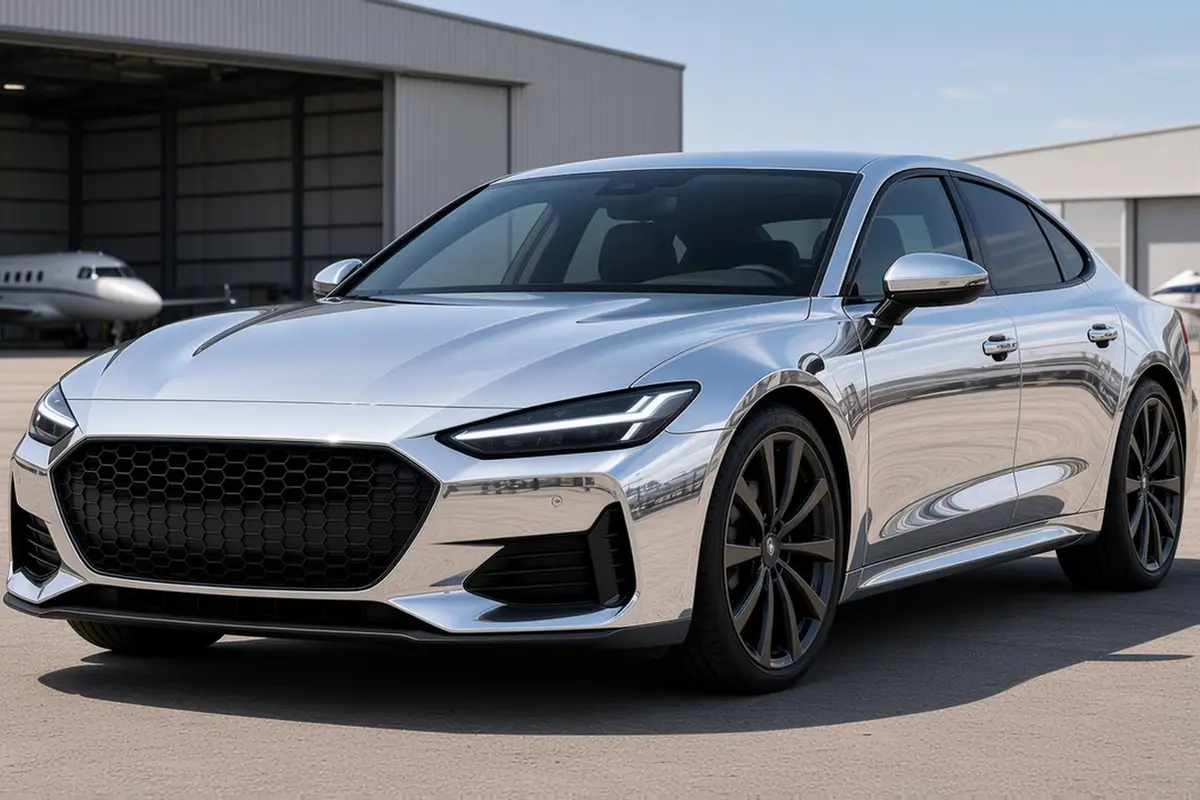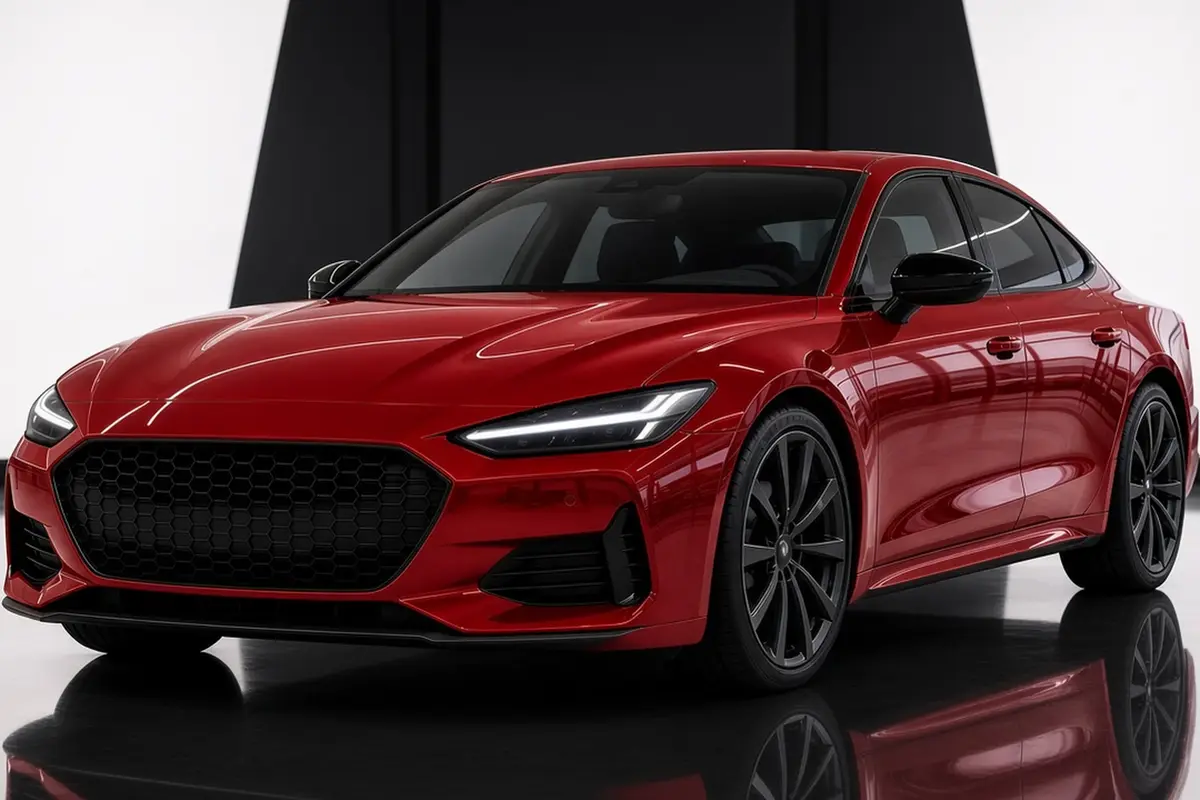
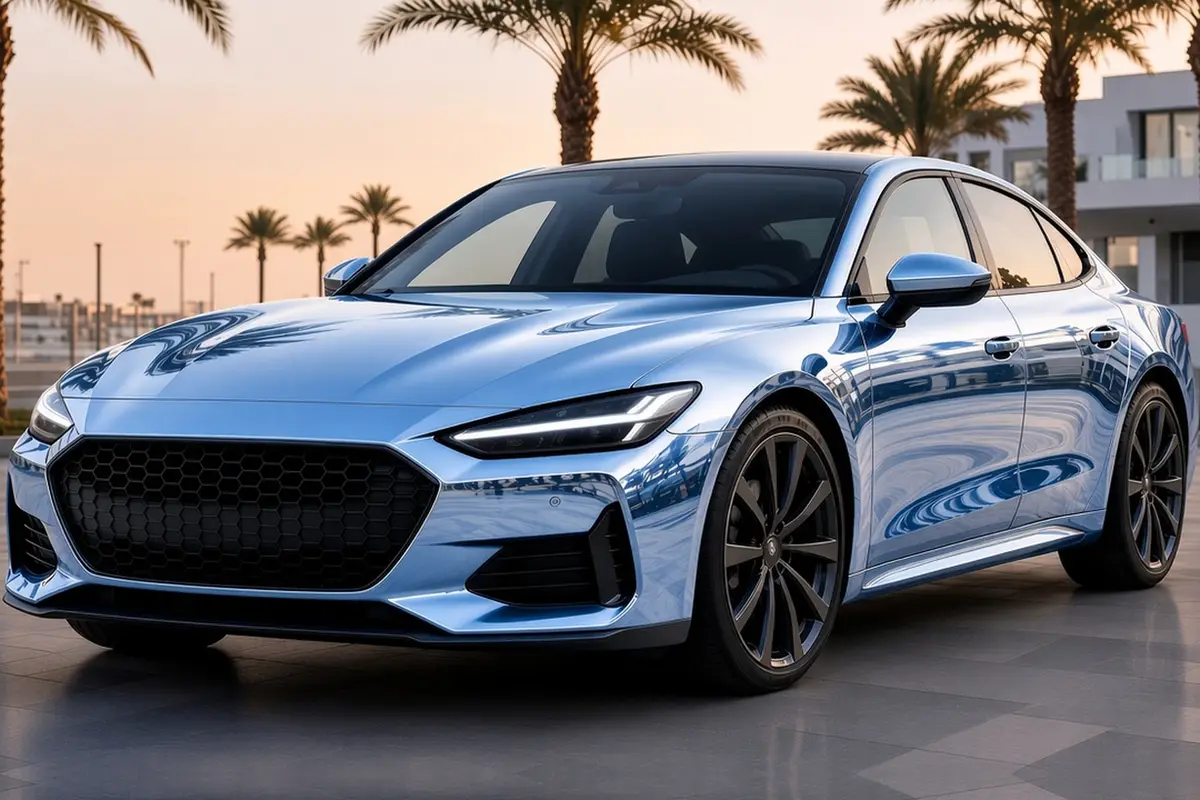
A Honda N-One wrapped in chrome starts with the finish: silver, black and gray chrome read as a subtle color change, while red, gold and pink chrome are much louder. The finish changes how the car's shape shows, because chrome vinyl reflects light differently across the curved body. After the finish, choose a film from the 182 options and then decide between a full wrap or a partial one. On this mini hatchback, a full wrap covers every painted panel, while a partial wrap leaves some original paint visible.
Factory paint on the N-One is the base for the wrap and must be clean and smooth before any film goes on. If the paint has chips or peeling clear coat, the wrap will show those defects, so they should be fixed first. The first generation has a tailgate with the rear glass in it, so the film ends at the edge of the glass. Seams are planned along panel edges and body lines, and a skilled installer hides them well on this small car.
A chrome wrap on the N-One is removable, so you can return to the factory paint later without permanent change. The film is designed to come off with heat and careful pulling, but the removal work is best left to a professional. After the wrap is installed, hand wash the car with a soft sponge and mild soap, and avoid automatic car washes with brushes. A chrome finish needs gentle care because the surface can show fine scratches more than a matte or satin color.