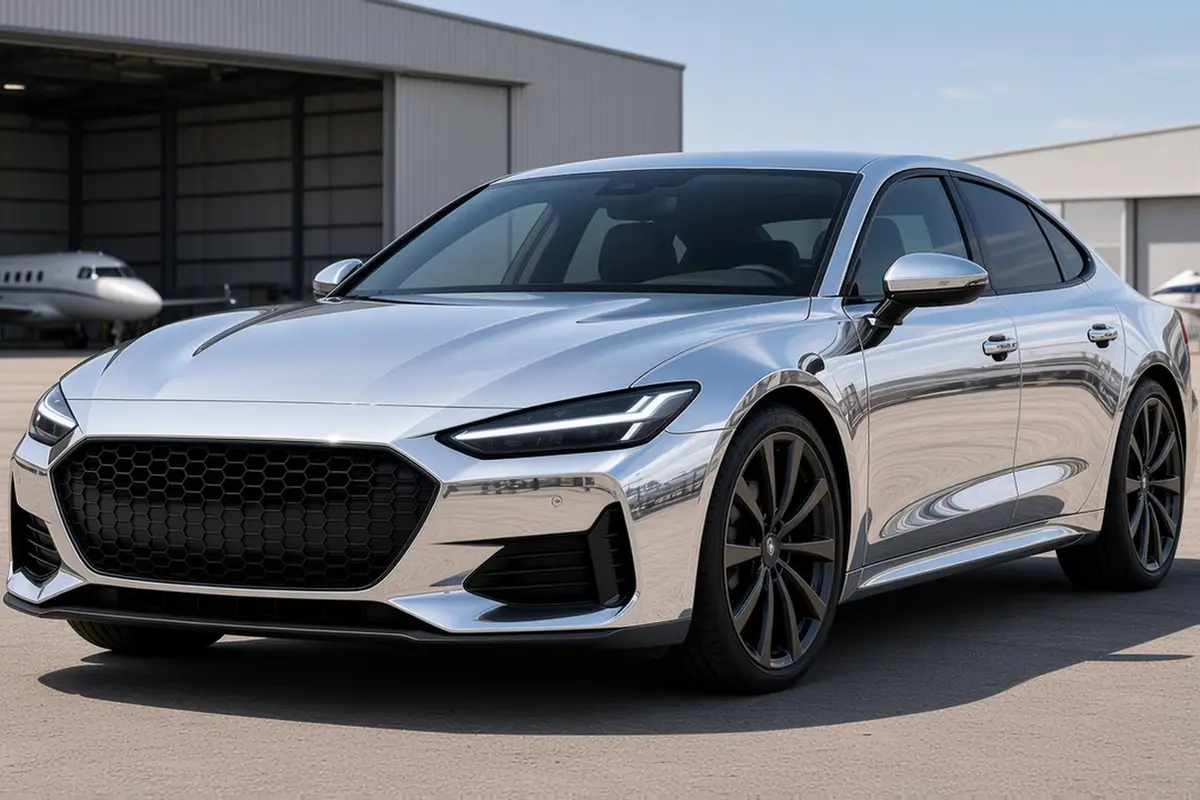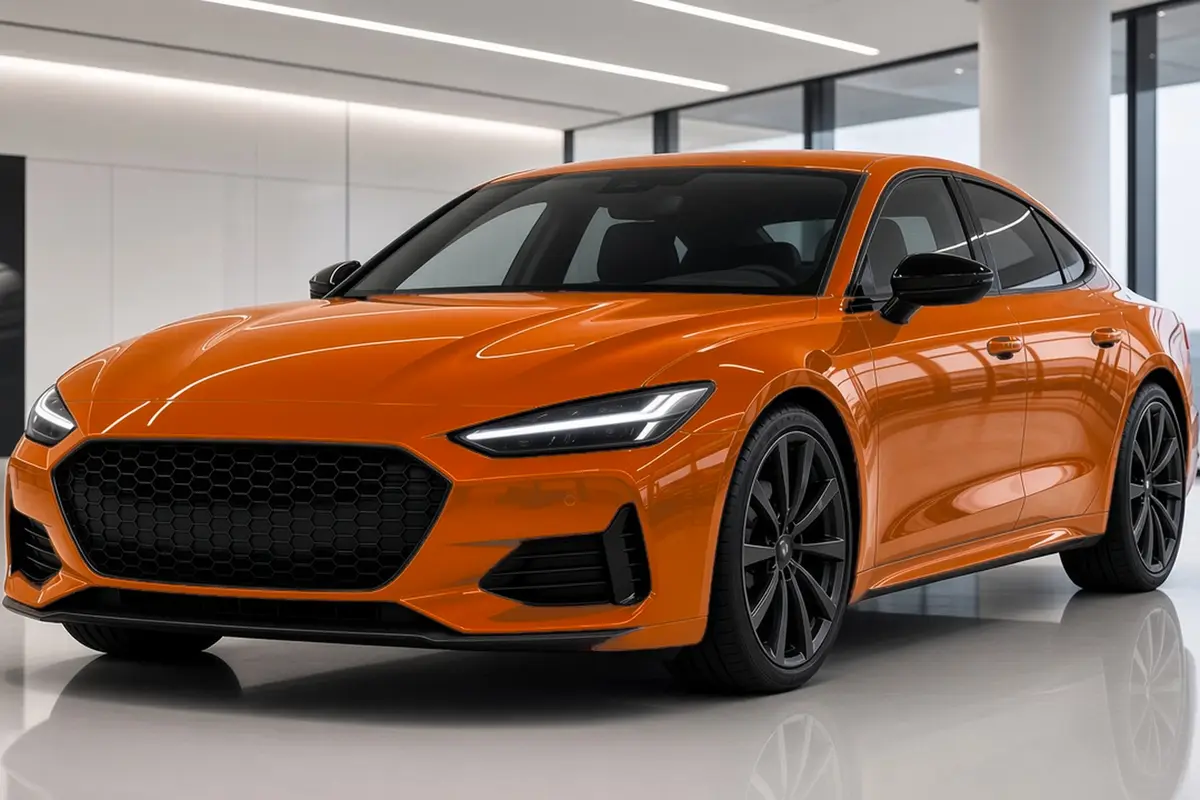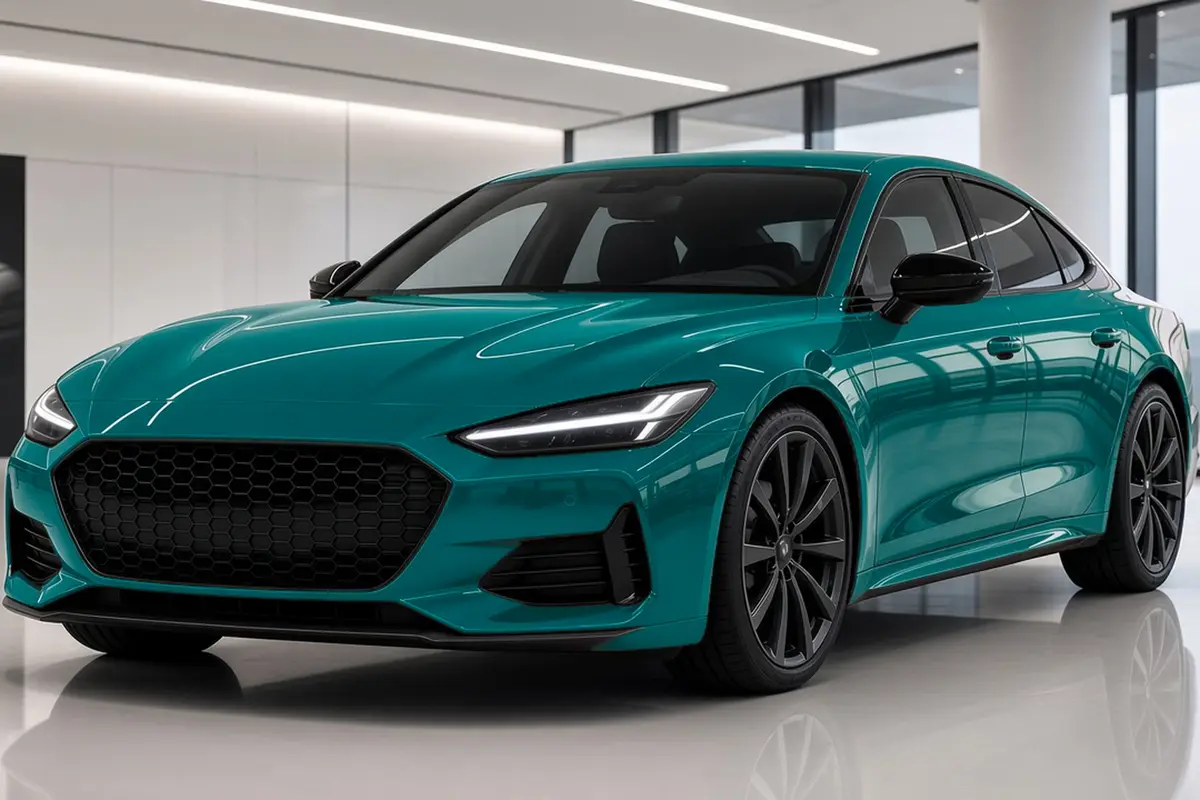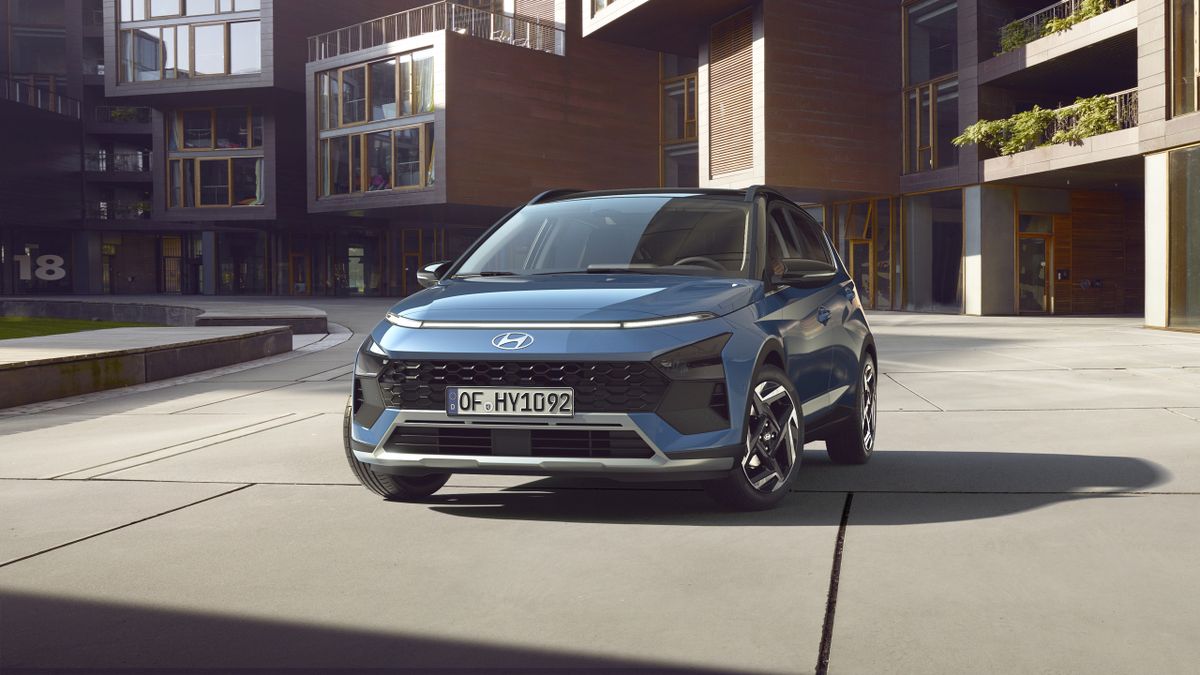
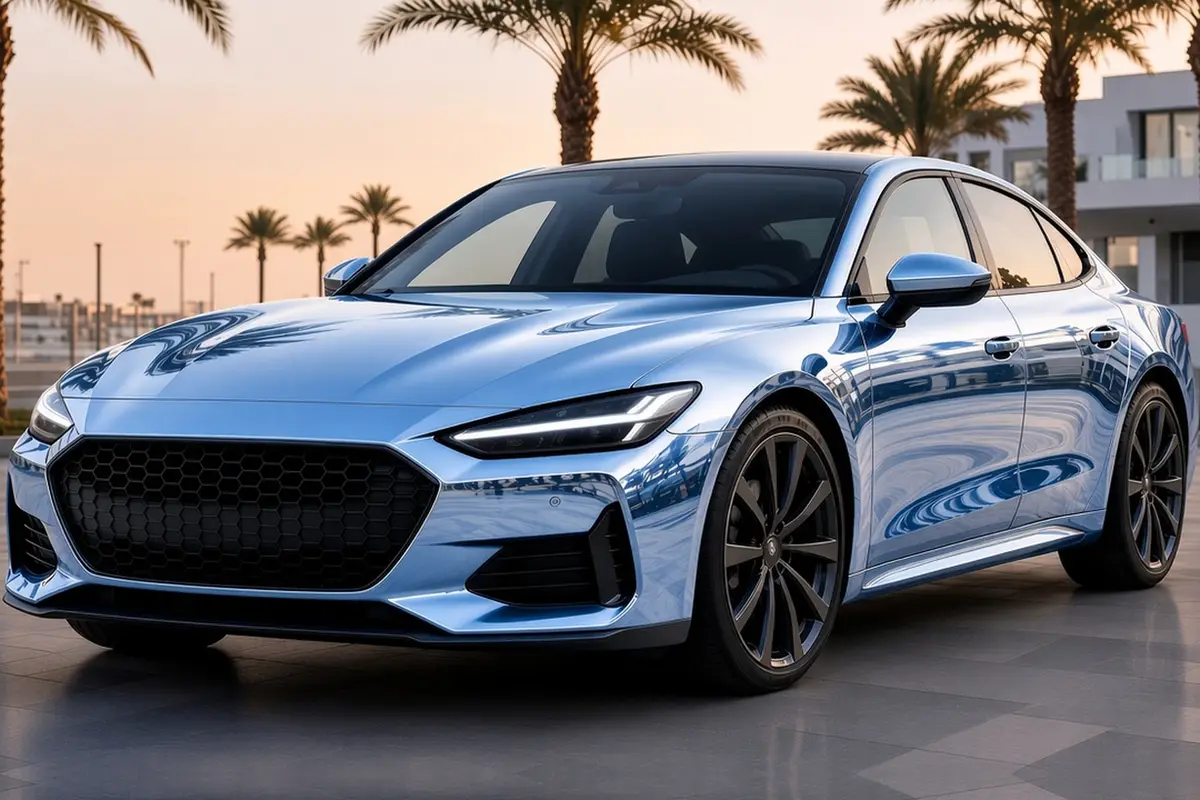
A Bayon wrapped in chrome starts with choosing the finish, then the film, then whether to wrap the whole body or only parts. The finish decides how the chrome vinyl reflects light, from mirror to satin to subtle gray chrome. The film choice affects how the material handles the bumpers, the tailgate, and the door edges. A full color change gives one consistent chrome look, while partial wraps leave some factory paint in view.
The factory paint under a chrome wrap matters because its condition changes how smooth the finish looks. Scratches and chips can show through reflective film, so they need repair before fitting. The installer plans seams to follow the Bayon's panel lines and the edge of the rear glass. Seams are placed away from the roof rails and the parking sensors so the film ends cleanly.
Chrome vinyl on the Bayon is removable, which means the next owner can return the car to factory paint. The film lifts with heat and leaves no adhesive when removed correctly. Hand wash the wrapped car with soft mitts and pH-neutral soap to avoid scratching the reflective surface. Do not use automated brushes or high-pressure water near edges, sensors, or seams.