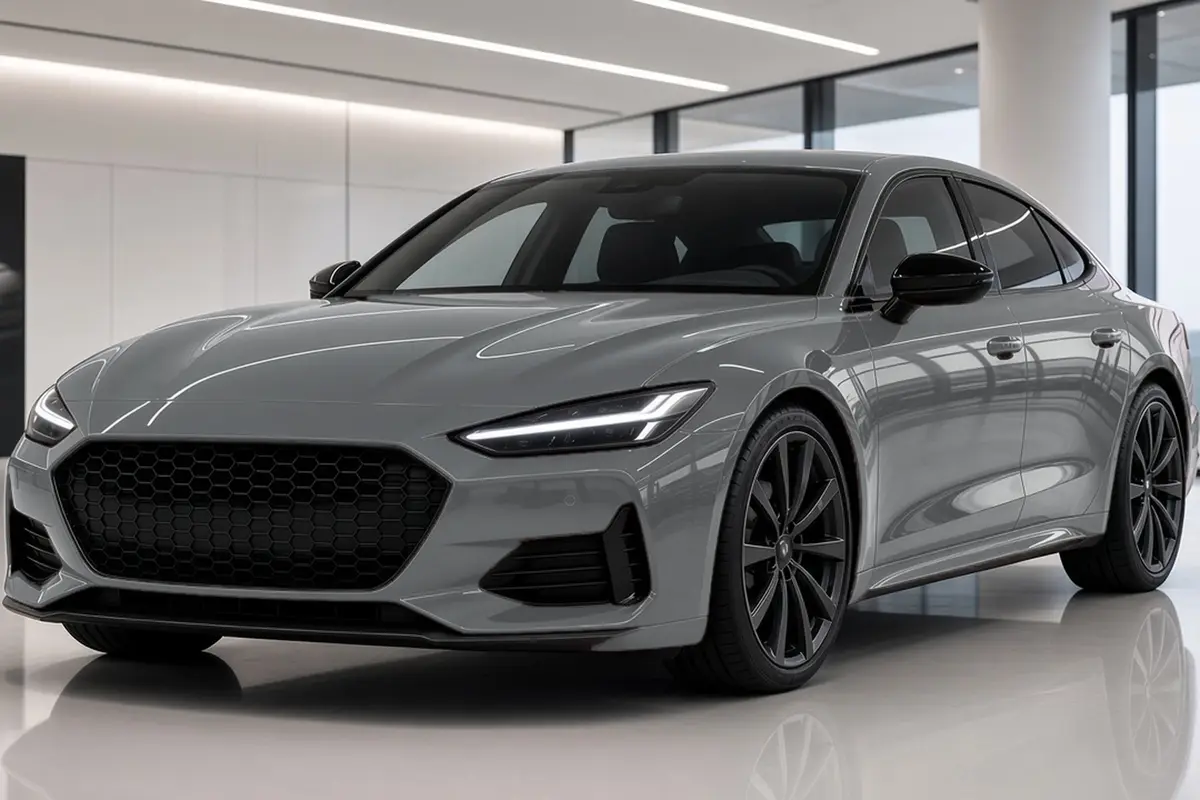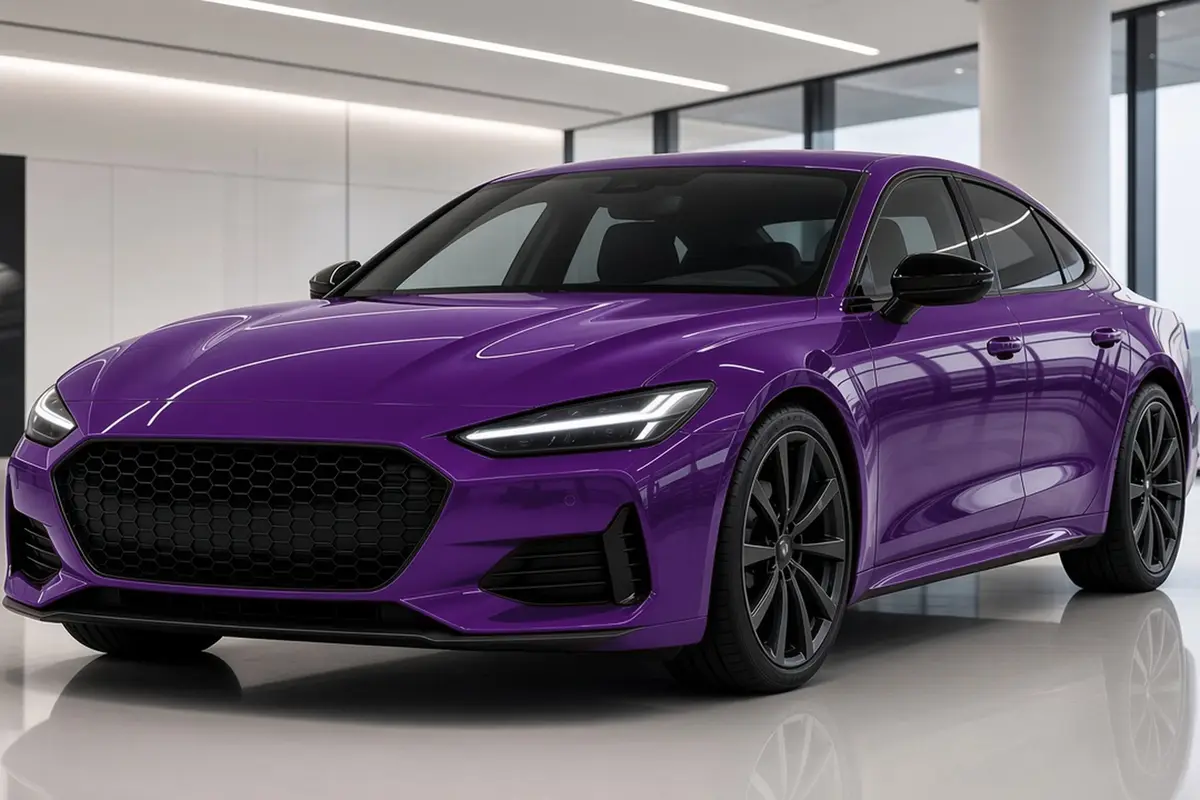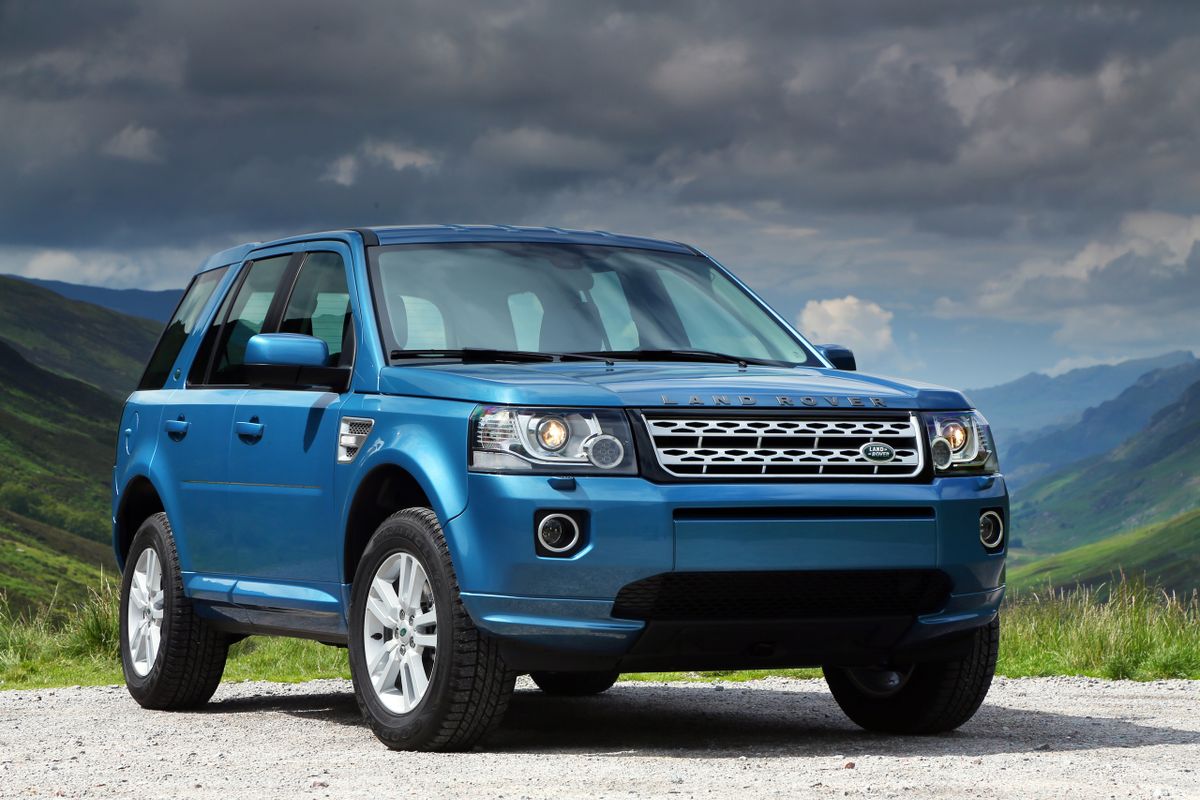
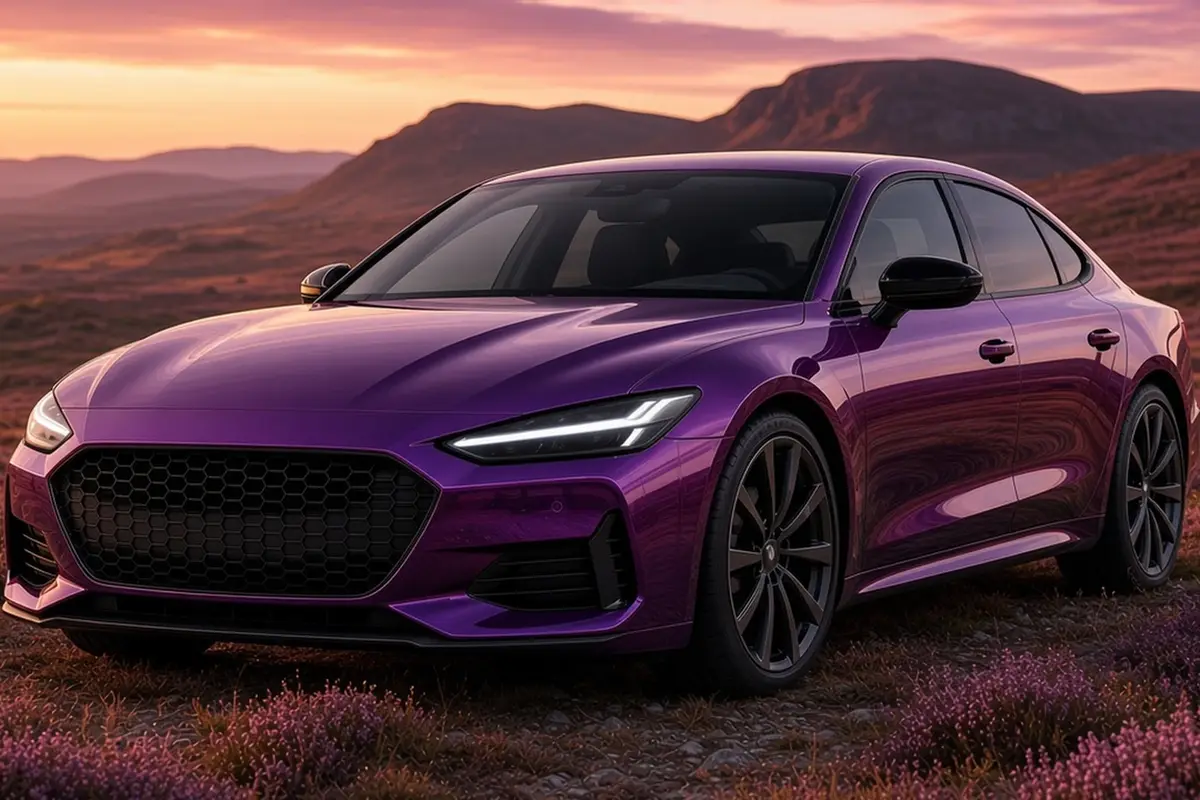
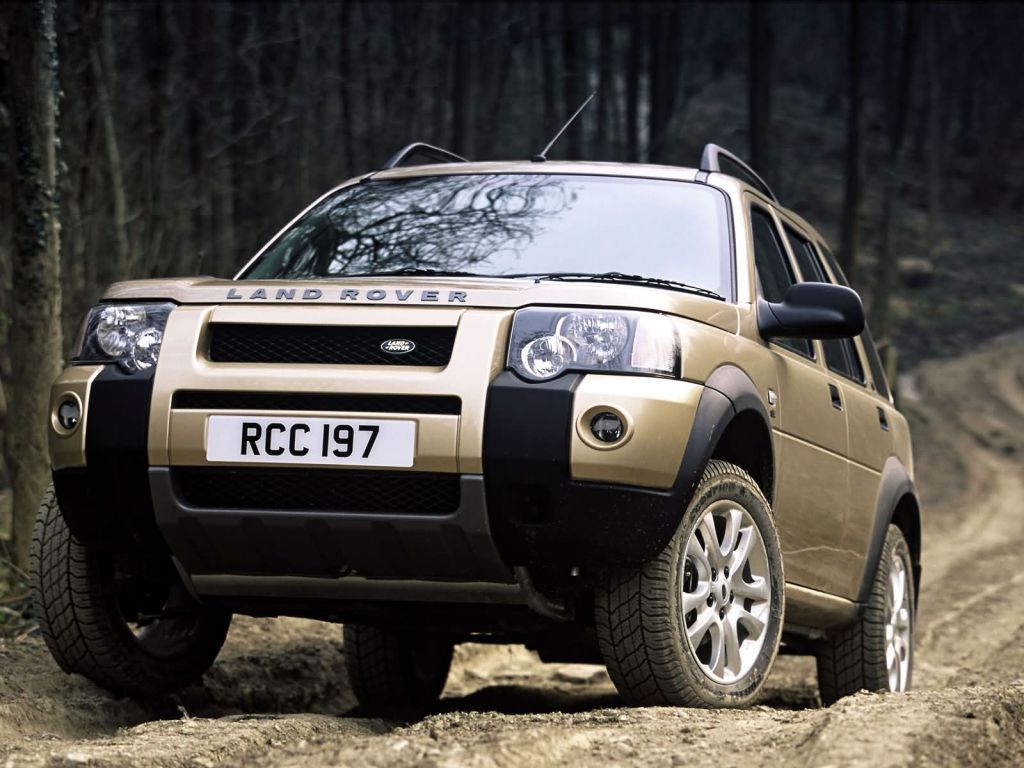
Choosing a Freelander wrapped in color shift film starts with the finish you want, because every finish changes how the shift reads on the body. Gloss finishes give the strongest prismatic effect, while satin and matte options soften the color change. The second step is choosing a film from the 233 color shift films listed, since each line has a different base color and shift range. The third step is deciding between a full color change and a partial wrap, which depends on how much of the original paint you want covered.
Factory paint condition matters before you wrap the Freelander, because film will not hide deep scratches or chips. The first generation (1997–2006) may have repainted panels, so a test spot on the paint is worth doing before the full wrap. Seams are placed at the edge of the rear glass on both generations, since the tailgate carries the glass. The 2010 and 2012 restyling of the second generation changed the bumpers and lights, so film cut for one version will not fit the other.
A color shift wrap on the Freelander is removable, which means you can return the car to its original paint later. Use hand wash only after the wrap is installed, because brushes and high pressure can lift the edges. The roof film is cut around the sunroof opening where the car has one. The color shift vinyl also needs all panels installed in the same direction, otherwise the shift reads differently from panel to panel.