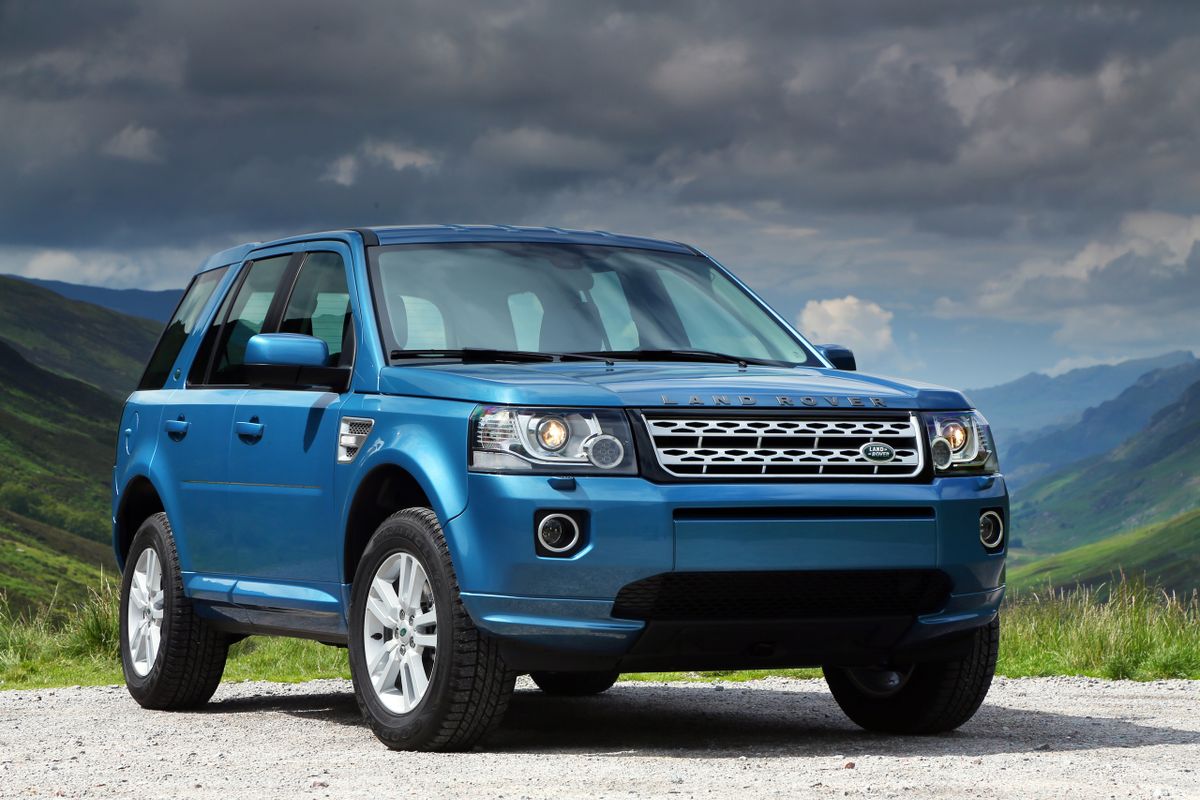
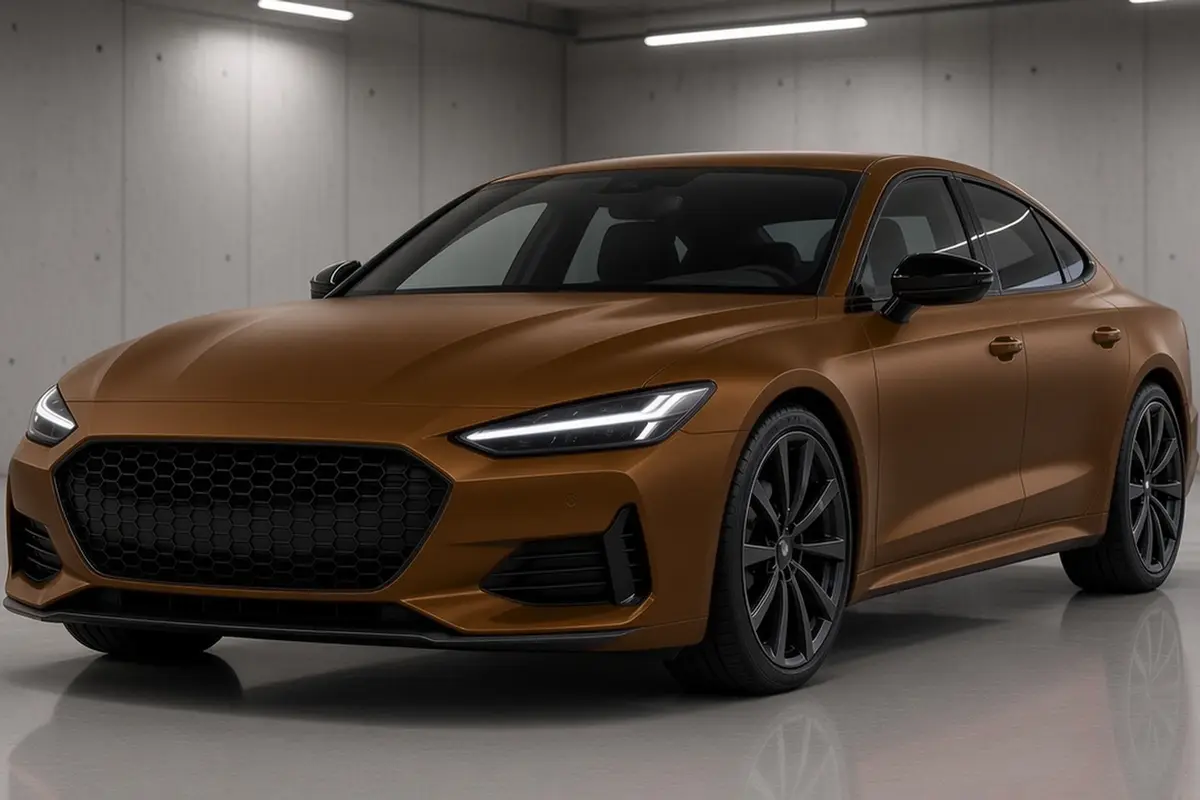
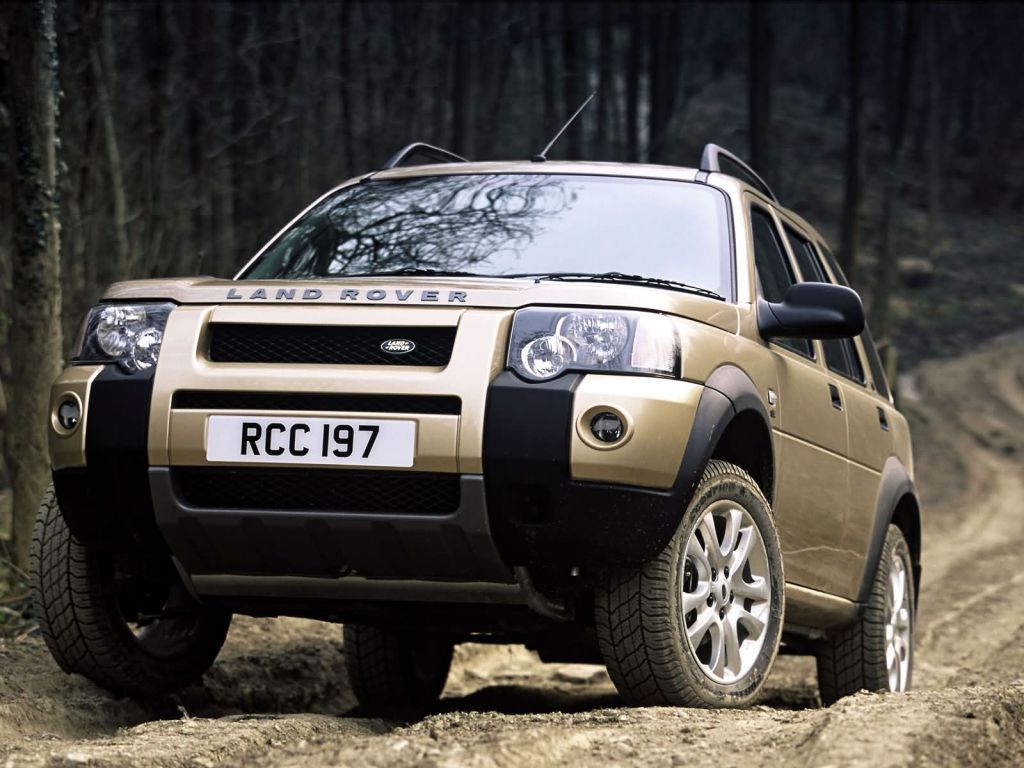
A Freelander wrapped in brown changes the car without a respray, and the film can be removed later. The first decision is the finish: matte and satin browns are flat and non-reflective, while gloss browns have a deep shine, and metallic browns catch the light. Matte brown on a Freelander hides small imperfections in the panels and gives a modern look. Satin brown is between matte and gloss for a smooth, soft sheen.
The factory paint on a Freelander matters because the vinyl wrap sits over it, so chips and scratches must be fixed before the wrap. The second-generation Freelander has a tailgate with the rear glass in it, so the film ends at the edge of the glass. Some trims have a sunroof, and the roof film is cut around its opening. Seams are placed at body lines or panel edges where they are less visible.
A brown wrap on a Freelander is removable, so it does not change the car's original paint permanently. To care for the film, hand wash with a soft sponge and mild soap, and avoid automatic car washes with brushes. After a wash, dry the seams and edges with a clean microfiber cloth to keep them from lifting. Keep the wrap clean to prevent dirt from settling at the film edges.