Wraps by car

Volkswagen Golf wrap

The Volkswagen Golf wrap page covers all eight generations of the Golf and the film a full wrap of the newest body takes. The newest Golf, the eighth generation from 2019, needs about 49 ft (15 m) for the hatchback to 62 ft (19 m) for the wagon with 60-inch (1.52 m) cast film. This page explains body styles, cut-outs, and the vinyl wrap work on each generation.

8generations15 mof film for a full wrap

Volkswagen Golf, eighth generation, factory photo
Volkswagen Golf, eighth generation. Factory color shown.

Volkswagen Golf wrap colors and ideas

  • Golf black wrap
  • Golf white wrap
  • Golf gray wrap
  • Golf silver wrap
  • Golf red wrap
  • Golf blue wrap
  • Golf green wrap
  • Golf yellow wrap
  • Golf orange wrap
  • Golf purple wrap
  • Golf pink wrap
  • Golf teal wrap
  • Golf brown wrap
  • Golf gold wrap
  • Golf chrome wrap
  • Golf color shift wrap
  • Golf carbon fiber wrap
  • Golf camo and patterned wrap

How much vinyl to wrap a Volkswagen Golf

Estimates from the body dimensions in the catalog, for a 1.52 m (60 in) roll.

YearsBodyLengthFilm to order
2019–nowhatchback, wagon (5 doors)167.6 in (4,258 mm) to 182.4 in (4,633 mm)about 49 ft (15 m) for the hatchback to 62 ft (19 m) for the wagon, 60-inch (1.52 m) cast film; chrome or patterned film: up to about 72 ft (22 m)
2012–2020hatchback, wagon (3 or 5 doors)167.5 in (4,255 mm) to 179.8 in (4,567 mm)about 49 ft (15 m) for the hatchback to 62 ft (19 m) for the wagon, 60-inch (1.52 m) cast film; chrome or patterned film: up to about 70 ft (21.5 m)
2008–2016convertible, hatchback, wagon (2 or 3 or 5 doors)165.3 in (4,199 mm) to 178.5 in (4,534 mm)about 44 ft (13.5 m) for the convertible to 62 ft (19 m) for the wagon, 60-inch (1.52 m) cast film; chrome or patterned film: up to about 70 ft (21.5 m)
2003–2009hatchback, wagon (3 or 5 doors)165.5 in (4,204 mm) to 179.4 in (4,556 mm)about 54 ft (16.5 m) for the hatchback to 62 ft (19 m) for the wagon, 60-inch (1.52 m) cast film; chrome or patterned film: up to about 70 ft (21.5 m)
1997–2007convertible, hatchback, wagon (2 or 3 or 5 doors)160.7 in (4,081 mm) to 173.1 in (4,397 mm)about 43 ft (13 m) for the convertible to 57 ft (17.5 m) for the wagon, 60-inch (1.52 m) cast film; chrome or patterned film: up to about 67 ft (20.5 m)
1991–1999convertible, hatchback, wagon (2 or 3 or 5 doors)158.3 in (4,020 mm) to 170.9 in (4,340 mm)about 43 ft (13 m) for the convertible to 59 ft (18 m) for the wagon, 60-inch (1.52 m) cast film; chrome or patterned film: up to about 67 ft (20.5 m)
1983–1992hatchback (3 or 5 doors)159.6 in (4,053 mm) to 167.5 in (4,255 mm)about 54 ft (16.5 m) of 60-inch (1.52 m) cast film; chrome or patterned film: about 62 ft (19 m)
1974–1993convertible, hatchback (2 or 3 or 5 doors)150.4 in (3,820 mm) to 155.3 in (3,945 mm)about 41 ft (12.5 m) for the convertible to 44 ft (13.5 m) for the hatchback, 60-inch (1.52 m) cast film; chrome or patterned film: up to about 56 ft (17 m)

Golf wrap cost factors

A Golf wrap cost depends on the body style, the film amount, and the cut-outs on the car. A wagon from 2019 takes about 62 ft (19 m) of film, while a convertible from 2008 takes about 44 ft (13.5 m), so the film amount changes the cost. Chrome or patterned film adds up to about 72 ft (22 m) on the newest body, which raises the material figure. The number of parking sensors, cameras, and sunroof openings also changes the labor time.
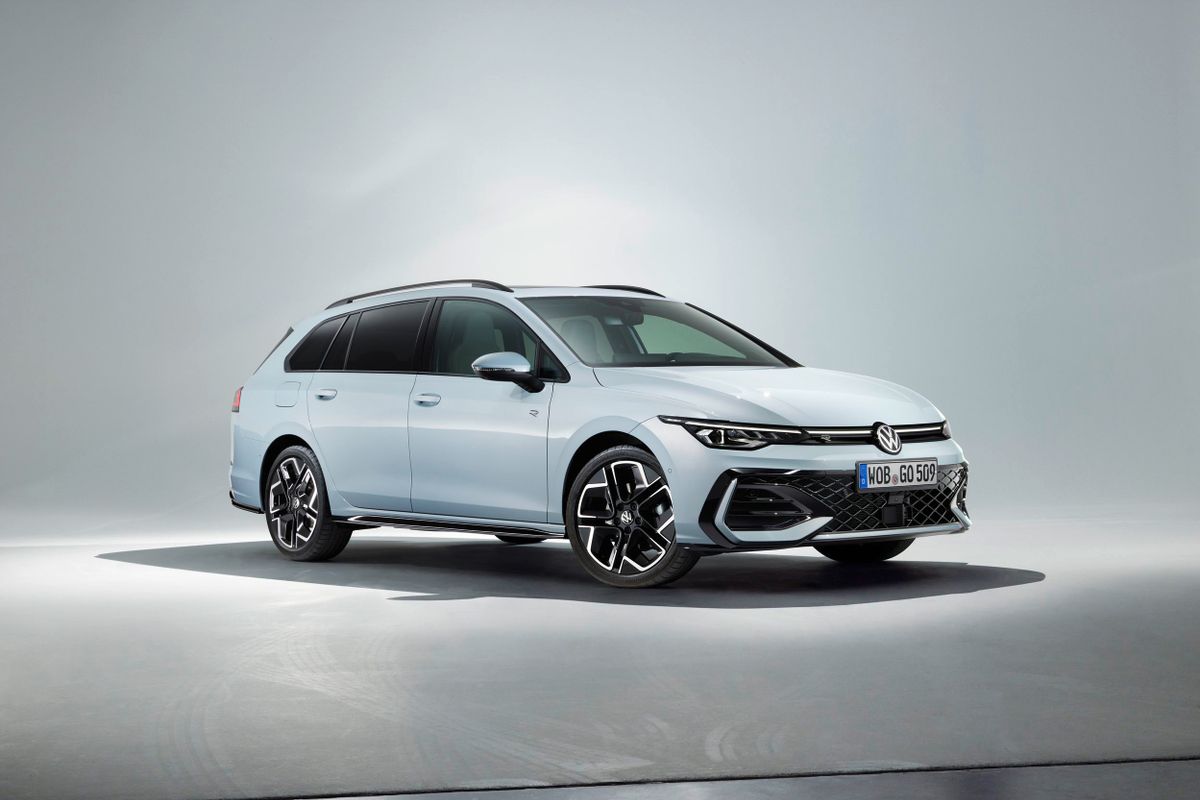
  • Film for a full wrap: about 49 ft (15 m) for the hatchback to 62 ft (19 m) for the wagon, 60-inch (1.52 m) cast film; chrome or patterned film: up to about 72 ft (22 m).
  • Body: hatchback, wagon (5 doors).
  • A tailgate with the rear glass in it: the film ends at the edge of the glass.
  • Some trims have a panoramic glass roof: glass is not wrapped, and the film ends at the roof rails.
  • Some trims have a sunroof: the roof film is cut around its opening.
  • Some trims have parking sensors in the bumpers: the film is cut around each sensor.
  • Some trims have cameras in the body: the film is cut around each lens.
  • Some trims have fog lamps in the front bumper: cut-outs in the bumper film.
  • Plug-in and electric versions: the charge port door is wrapped as a small piece of its own.
  • Restyled in 2024: bumpers and lights differ between the versions, and so do the film cuts.

Golf wraps by generation

Swipe sideways. Tap a card for the full description.

Volkswagen Golf, eighth generation, factory photo
Factory color shown

2019–now Golf hatchback, wagon (eighth generation)

2019–nowhatchback, wagon (5 doors)167.6 in (4,258 mm) to 182.4 in (4,633 mm)

The eighth generation Golf from 2019 has a glass roof option, and that glass is not wrapped. On trims with a panoramic glass roof, the film ends at the roof rails. A sunroof is cut around its opening in the roof film. The charge port door on plug-in and electric versions is wrapped as a small panel of its own.

A tailgate with the rear glass in it: the film ends at the edge of the glass.

Some trims have a panoramic glass roof: glass is not wrapped, and the film ends at the roof rails.

Some trims have a sunroof: the roof film is cut around its opening.

Some trims have parking sensors in the bumpers: the film is cut around each sensor.

Some trims have cameras in the body: the film is cut around each lens.

Some trims have fog lamps in the front bumper: cut-outs in the bumper film.

Plug-in and electric versions: the charge port door is wrapped as a small piece of its own.

Film: about 49 ft (15 m) for the hatchback to 62 ft (19 m) for the wagon, 60-inch (1.52 m) cast film; chrome or patterned film: up to about 72 ft (22 m).

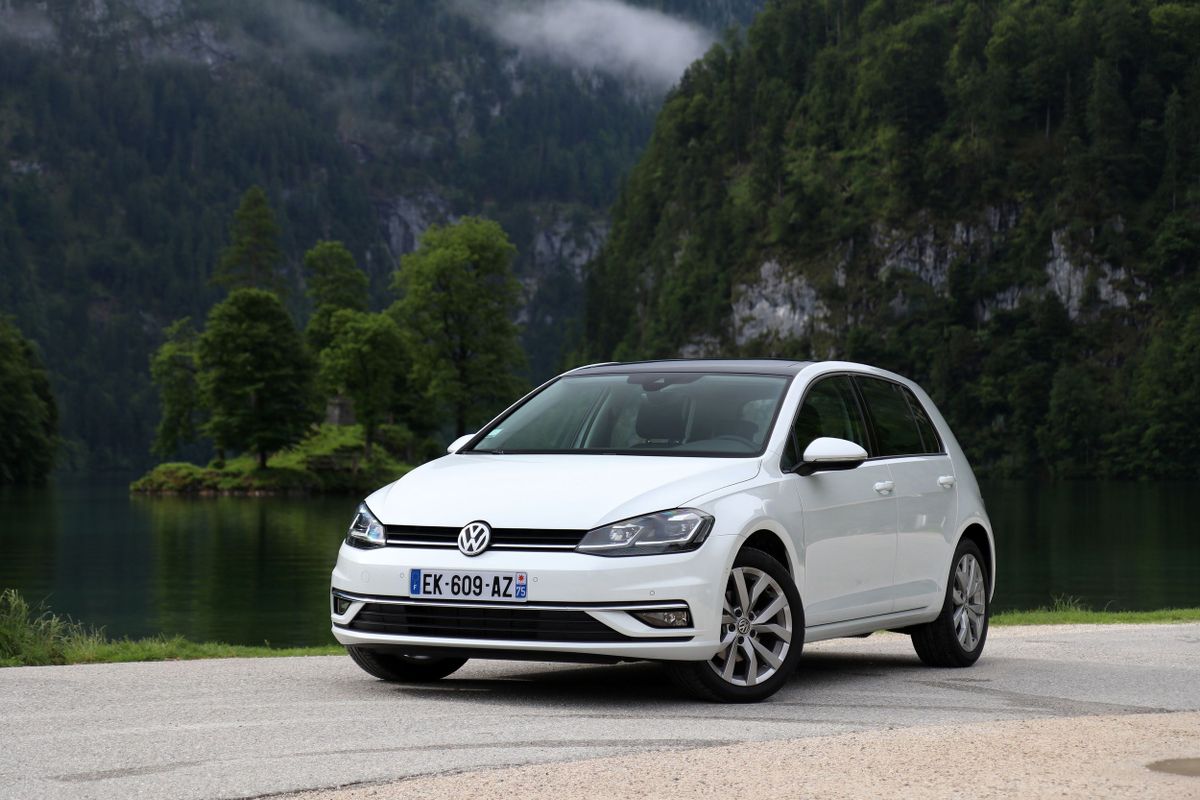
Volkswagen Golf, seventh generation, factory photo
Factory color shown

2012–2020 Golf hatchback, wagon (seventh generation)

2012–2020hatchback, wagon (3 or 5 doors)167.5 in (4,255 mm) to 179.8 in (4,567 mm)

The seventh generation Golf covers 2012 to 2020, but the eighth generation began in 2019. The owner of a car from those overlapping years checks which body it is before ordering film. The seventh generation has a tailgate with the rear glass in it, and the film ends at the edge of the glass. Some trims have a sunroof, parking sensors, cameras, or fog lamps that need cut-outs.

A tailgate with the rear glass in it: the film ends at the edge of the glass.

Some trims have a sunroof: the roof film is cut around its opening.

Some trims have parking sensors in the bumpers: the film is cut around each sensor.

Some trims have cameras in the body: the film is cut around each lens.

Some trims have fog lamps in the front bumper: cut-outs in the bumper film.

Plug-in and electric versions: the charge port door is wrapped as a small piece of its own.

Film: about 49 ft (15 m) for the hatchback to 62 ft (19 m) for the wagon, 60-inch (1.52 m) cast film; chrome or patterned film: up to about 70 ft (21.5 m).

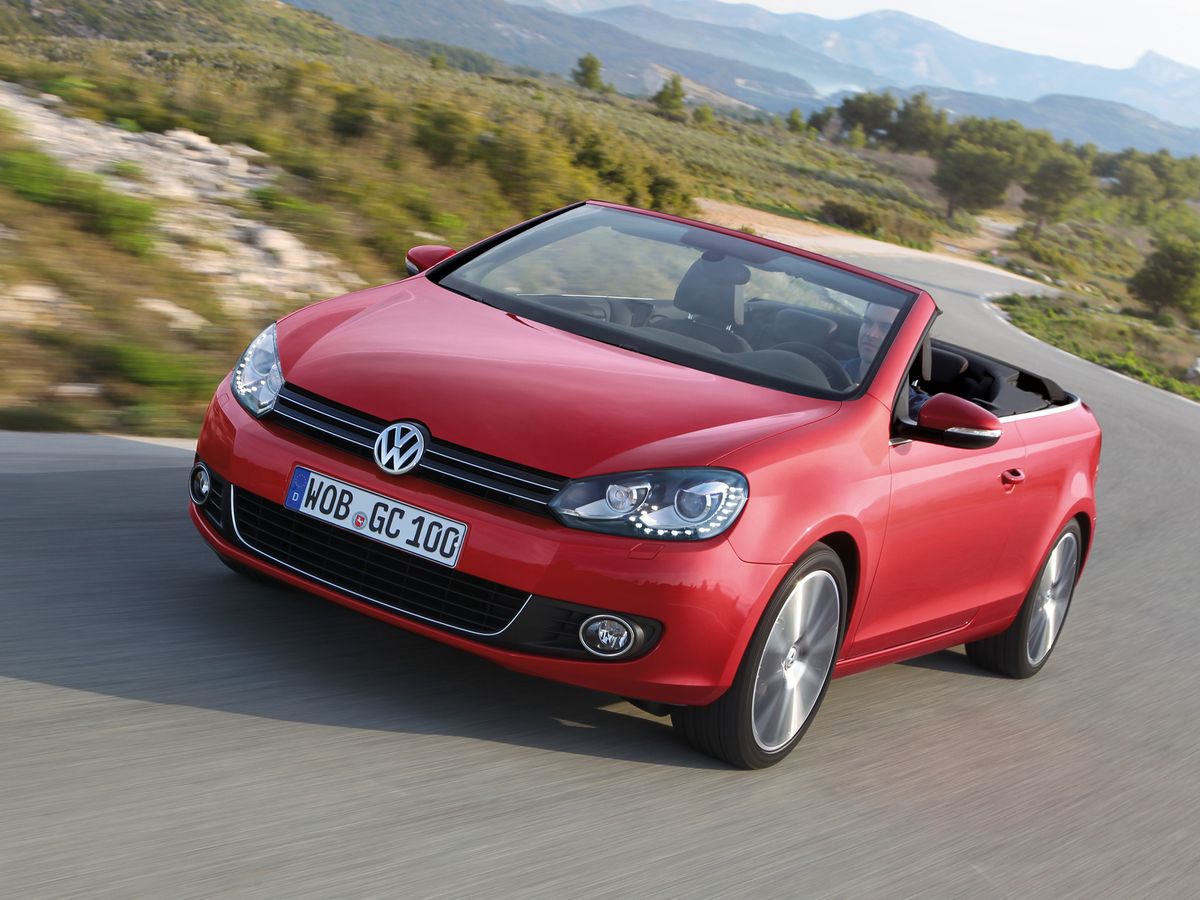
Volkswagen Golf, sixth generation, factory photo
Factory color shown

2008–2016 Golf convertible, hatchback, wagon (sixth generation)

2008–2016convertible, hatchback, wagon (2 or 3 or 5 doors)165.3 in (4,199 mm) to 178.5 in (4,534 mm)

The sixth generation Golf from 2008 includes a convertible body with a fabric top. The fabric top is not wrapped, and the film ends where the top begins. A folding hard top is wrapped as panels of its own. The hatchback and wagon take more film, up to 62 ft (19 m) for the wagon.

Convertible body: a fabric top is not wrapped and the film ends where it begins; a folding hard top is wrapped as panels of its own.

A tailgate with the rear glass in it: the film ends at the edge of the glass.

Some trims have a sunroof: the roof film is cut around its opening.

Some trims have fog lamps in the front bumper: cut-outs in the bumper film.

Film: about 44 ft (13.5 m) for the convertible to 62 ft (19 m) for the wagon, 60-inch (1.52 m) cast film; chrome or patterned film: up to about 70 ft (21.5 m).

Volkswagen Golf, fifth generation, factory photo
Factory color shown

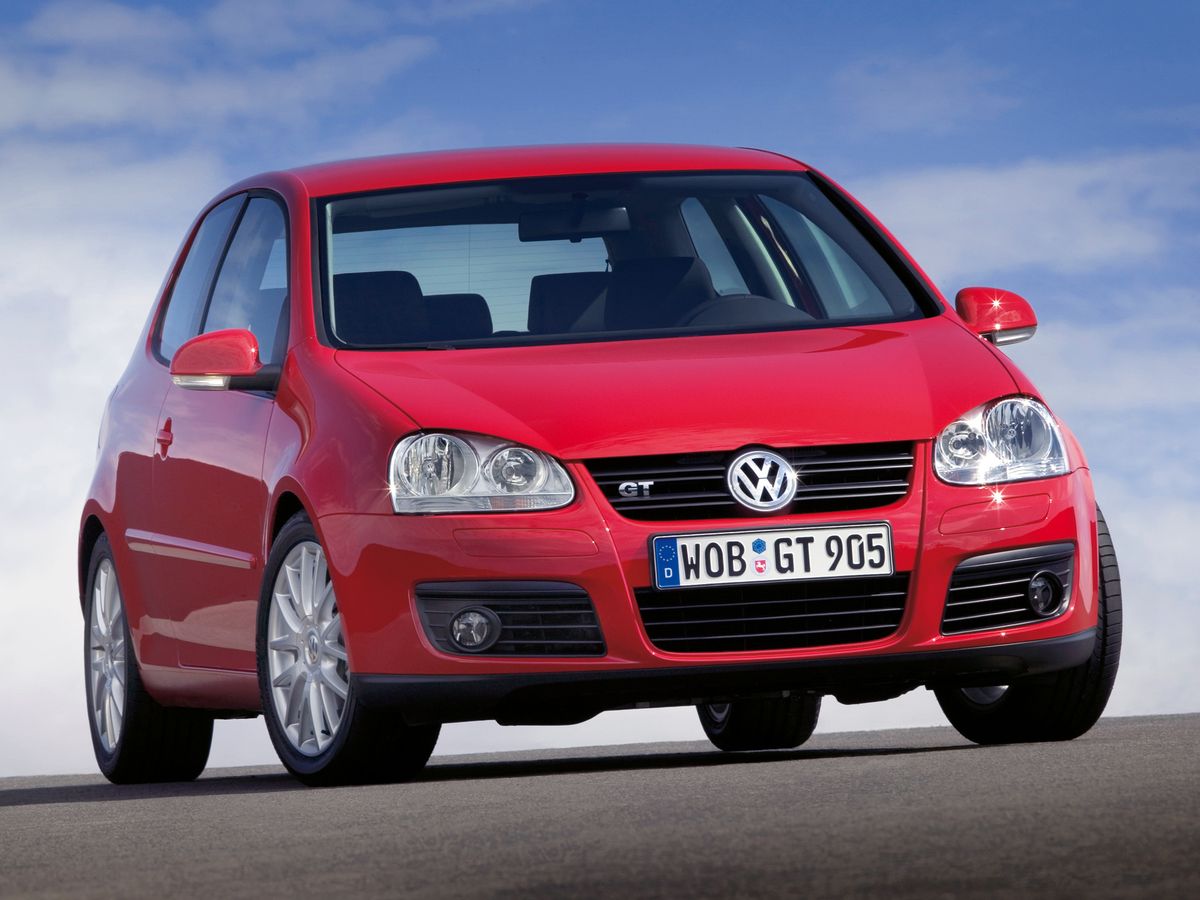
2003–2009 Golf hatchback, wagon (fifth generation)

2003–2009hatchback, wagon (3 or 5 doors)165.5 in (4,204 mm) to 179.4 in (4,556 mm)

The fifth generation Golf from 2003 comes as a hatchback or wagon, and the body style decides the panel plan and film amount. The hatchback takes about 54 ft (16.5 m) of 60-inch (1.52 m) cast film, and the wagon takes up to 62 ft (19 m). The tailgate has the rear glass in it, so the film ends at the edge of the glass.

A tailgate with the rear glass in it: the film ends at the edge of the glass.

Some trims have a sunroof: the roof film is cut around its opening.

Film: about 54 ft (16.5 m) for the hatchback to 62 ft (19 m) for the wagon, 60-inch (1.52 m) cast film; chrome or patterned film: up to about 70 ft (21.5 m).

Volkswagen Golf, fourth generation, factory photo
Factory color shown

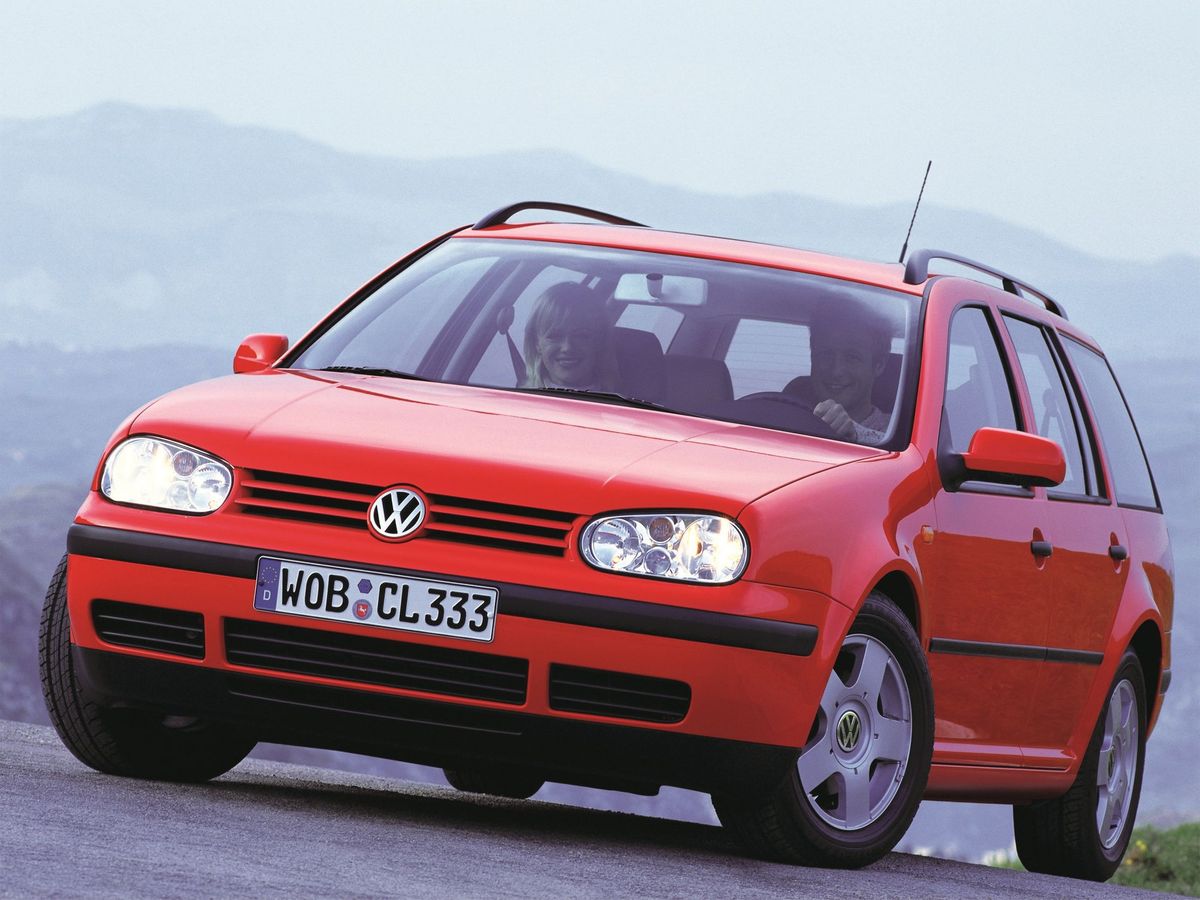
1997–2007 Golf convertible, hatchback, wagon (fourth generation)

1997–2007convertible, hatchback, wagon (2 or 3 or 5 doors)160.7 in (4,081 mm) to 173.1 in (4,397 mm)

The fourth generation Golf from 1997 has paint that may be original or repainted by now. A test spot on the panel comes before a full wrap on these cars. The convertible top is not wrapped, and the film ends where it begins. The wagon takes about 57 ft (17.5 m) of film.

Convertible body: a fabric top is not wrapped and the film ends where it begins; a folding hard top is wrapped as panels of its own.

A tailgate with the rear glass in it: the film ends at the edge of the glass.

Some trims have a sunroof: the roof film is cut around its opening.

Film: about 43 ft (13 m) for the convertible to 57 ft (17.5 m) for the wagon, 60-inch (1.52 m) cast film; chrome or patterned film: up to about 67 ft (20.5 m).

Volkswagen Golf, third generation, factory photo
Factory color shown

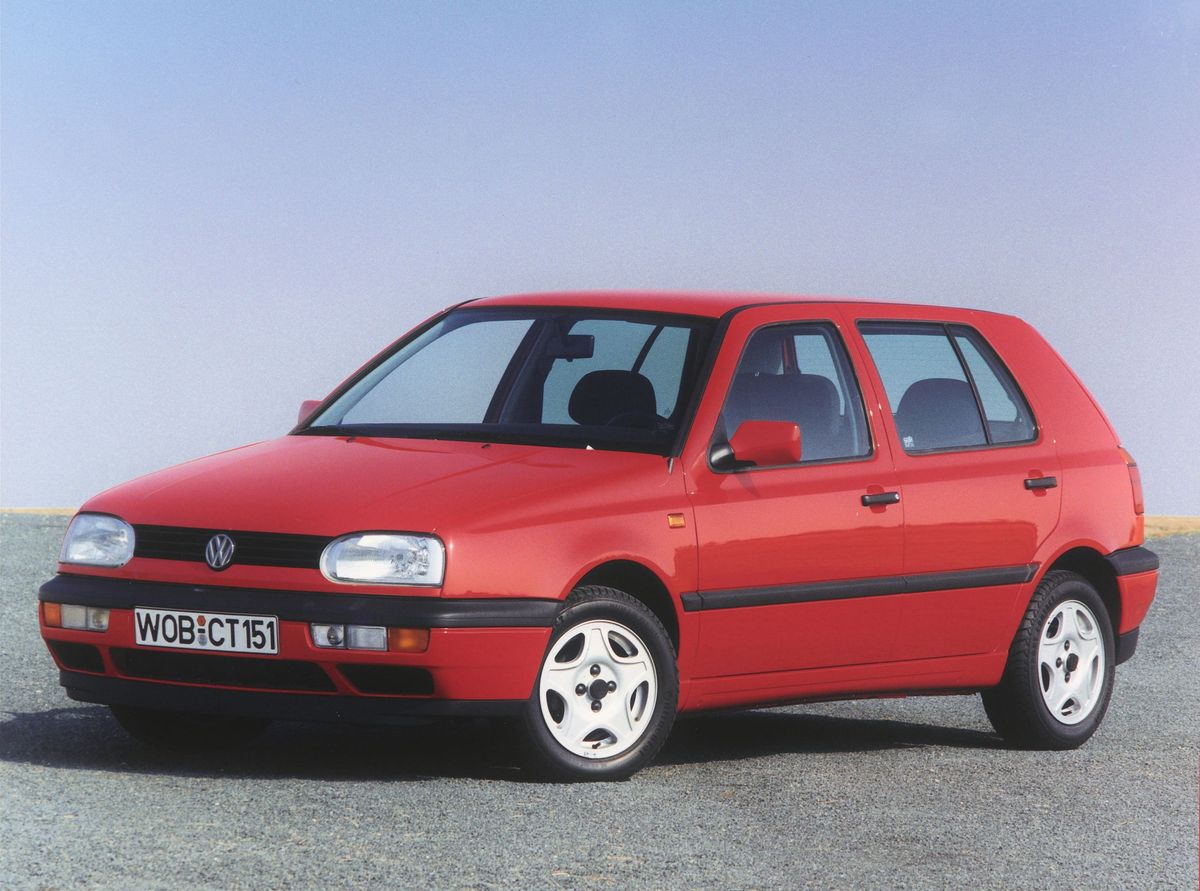
1991–1999 Golf convertible, hatchback, wagon (third generation)

1991–1999convertible, hatchback, wagon (2 or 3 or 5 doors)158.3 in (4,020 mm) to 170.9 in (4,340 mm)

Convertible body: a fabric top is not wrapped and the film ends where it begins; a folding hard top is wrapped as panels of its own.

A tailgate with the rear glass in it: the film ends at the edge of the glass.

Film: about 43 ft (13 m) for the convertible to 59 ft (18 m) for the wagon, 60-inch (1.52 m) cast film; chrome or patterned film: up to about 67 ft (20.5 m).

Volkswagen Golf, second generation, factory photo
Factory color shown

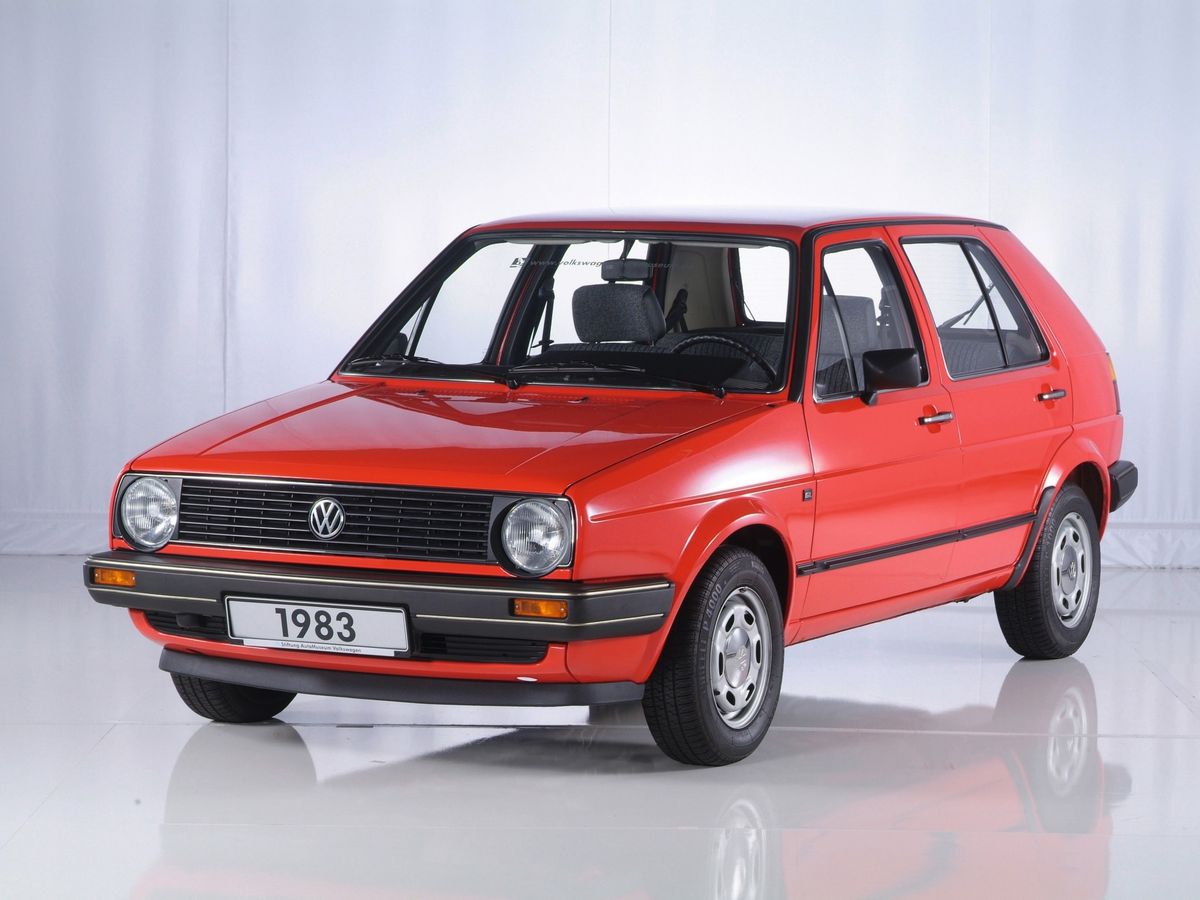
1983–1992 Golf hatchback (second generation)

1983–1992hatchback (3 or 5 doors)159.6 in (4,053 mm) to 167.5 in (4,255 mm)

A tailgate with the rear glass in it: the film ends at the edge of the glass.

Film: about 54 ft (16.5 m) of 60-inch (1.52 m) cast film; chrome or patterned film: about 62 ft (19 m).

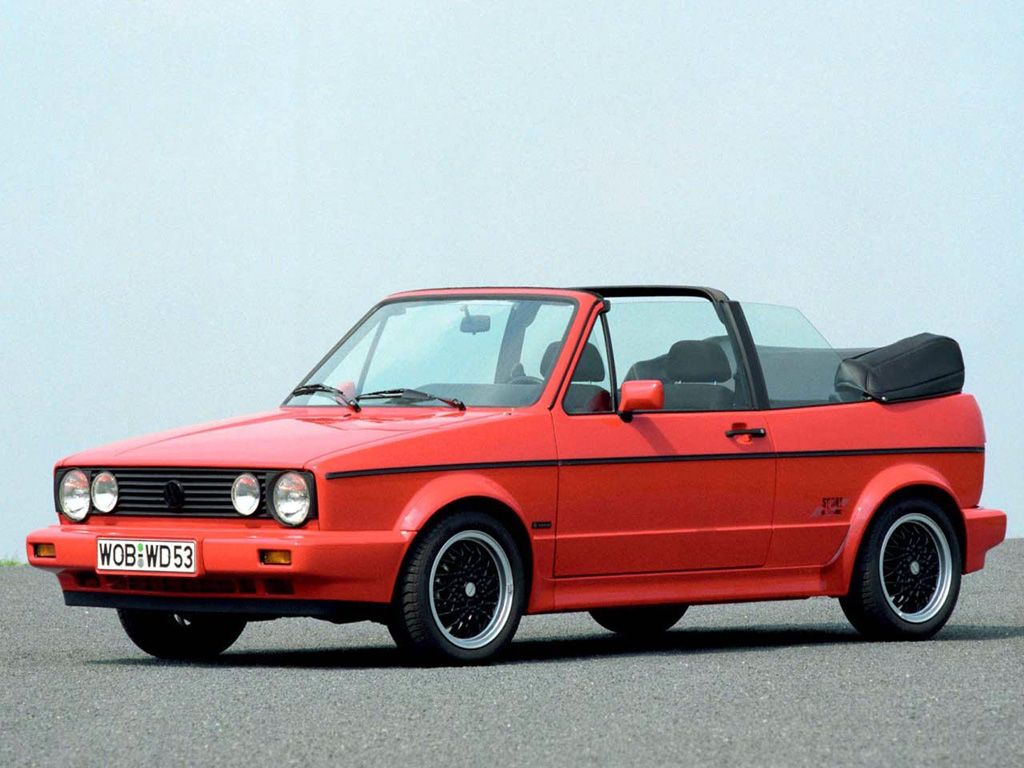
Volkswagen Golf, first generation, factory photo
Factory color shown

1974–1993 Golf convertible, hatchback (first generation)

1974–1993convertible, hatchback (2 or 3 or 5 doors)150.4 in (3,820 mm) to 155.3 in (3,945 mm)

Convertible body: a fabric top is not wrapped and the film ends where it begins; a folding hard top is wrapped as panels of its own.

A tailgate with the rear glass in it: the film ends at the edge of the glass.

Film: about 41 ft (12.5 m) for the convertible to 44 ft (13.5 m) for the hatchback, 60-inch (1.52 m) cast film; chrome or patterned film: up to about 56 ft (17 m).

Roof, hood, chrome delete and PPF on a Golf

A partial wrap on a Golf covers the hood, mirror caps, or the roof on cars without the glass panel. Golf chrome delete covers the window trim and badges with black film. Paint protection film (PPF) is clear film on the front end for a mark you do not see. These jobs use less film than a full color change wrap.

  • Partial wrap: hood, mirror caps, roof on cars without the glass panel.
  • Chrome delete: window trim and badges.
  • Paint protection film: clear film on the front end, also over a wrap.

Wrapping a Volkswagen Golf: body, cut-outs and film

A Volkswagen Golf vinyl wrap starts with the body style and its size. The eighth generation spans 167.6 in (4,258 mm) to 182.4 in (4,633 mm), and the wagon is longer than the hatchback. A hatchback takes about 49 ft (15 m) of 60-inch (1.52 m) cast film, while the wagon takes up to 62 ft (19 m). The compact class means the side panels are simpler than on a van or SUV.

Golf wrap ideas that look clean keep the film away from glass and sensors. Every generation has a tailgate with the rear glass in it, so the film ends at the edge of the glass. Some trims have a sunroof, and the roof film is cut around its opening. Some trims have parking sensors in the bumpers and cameras in the body, each needing a cut-out in the film. On plug-in and electric versions the charge port door is wrapped as a small piece of its own.

How much vinyl to wrap a Golf changes by generation and body style. The fifth generation hatchback from 2003 needs about 54 ft (16.5 m), while the sixth generation convertible needs only about 44 ft (13.5 m). The eighth generation wagon takes the most film at about 62 ft (19 m). When you count film, the wagon always takes more than the hatchback of the same generation.

Questions about wrapping a Volkswagen Golf

How much vinyl does it take to wrap a Volkswagen Golf?

It takes about 49 ft (15 m) to wrap a Volkswagen Golf hatchback of the newest body, and up to 62 ft (19 m) for the wagon. That is with 60-inch (1.52 m) cast film. Chrome or patterned film takes up to about 72 ft (22 m).

Can the roof of a Golf be wrapped?

Yes, the roof of a Golf can be wrapped unless the car has a glass panel. A steel roof is a standard panel for a color change wrap or a gloss black roof. A sunroof is not wrapped, and the film is cut around its opening.

Which years of the Golf take the same film cuts?

The years that take the same film cuts are the production years of each body, and a restyling year within a body may change the cuts. The fifth generation runs 2003 to 2009, the sixth 2008 to 2016, the seventh 2012 to 2020, and the eighth 2019 to now. The eighth generation was restyled in 2024, so its later cars may have different bumper or light shapes.

Which Golf body takes more film?

The wagon body of the Golf takes more film than the hatchback or convertible in every generation. A wagon from the fifth generation takes about 62 ft (19 m), while the same generation hatchback takes about 54 ft (16.5 m). The convertible of the sixth generation takes the least film at about 44 ft (13.5 m).