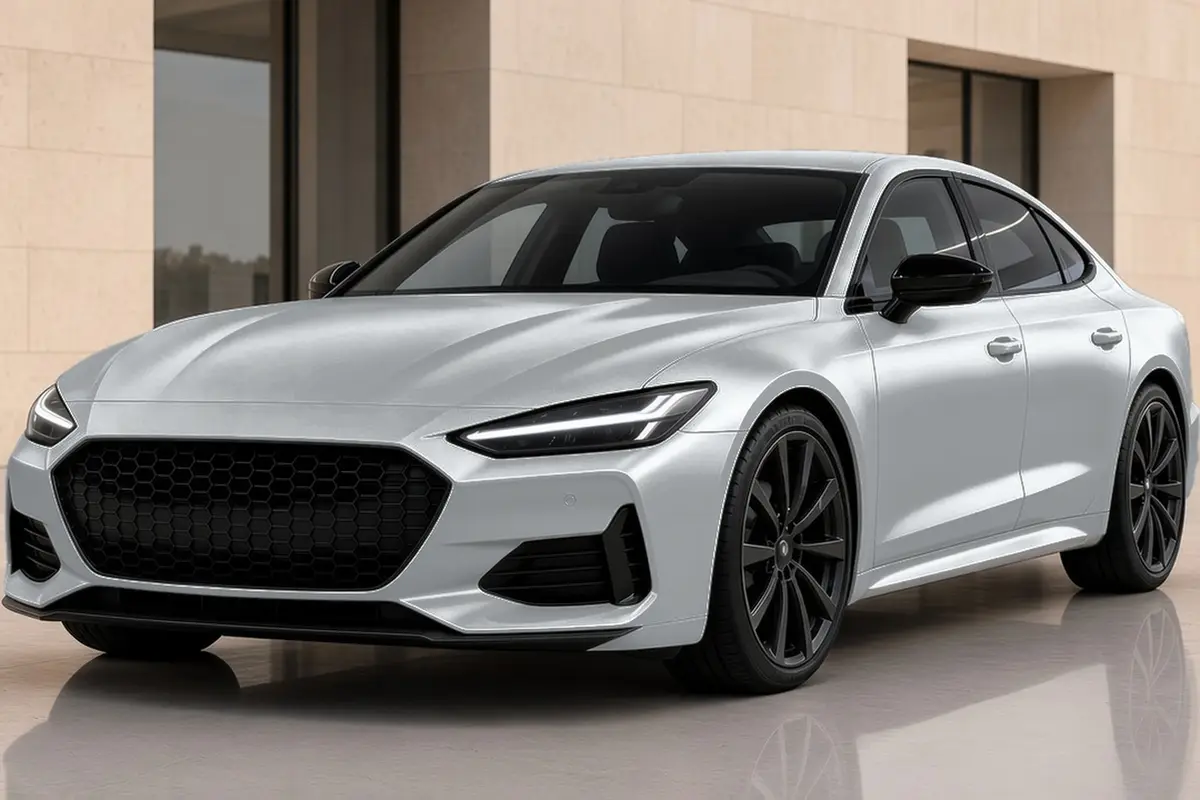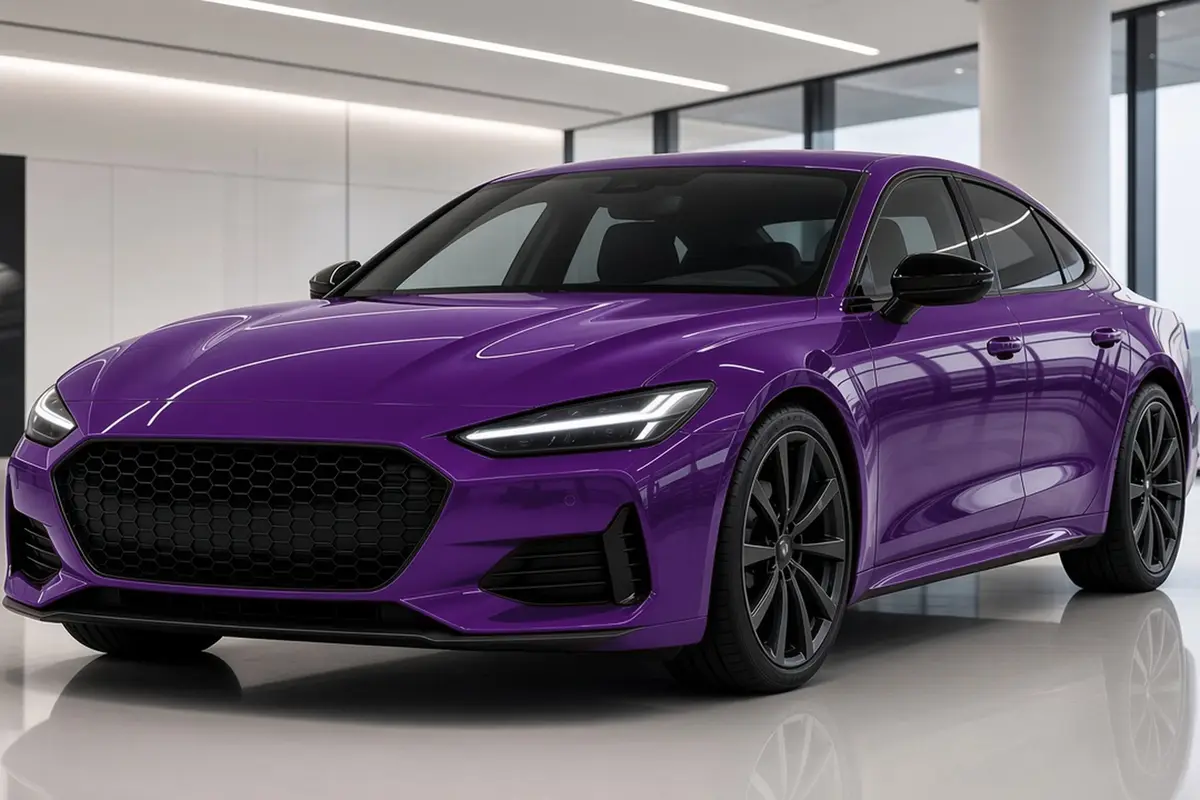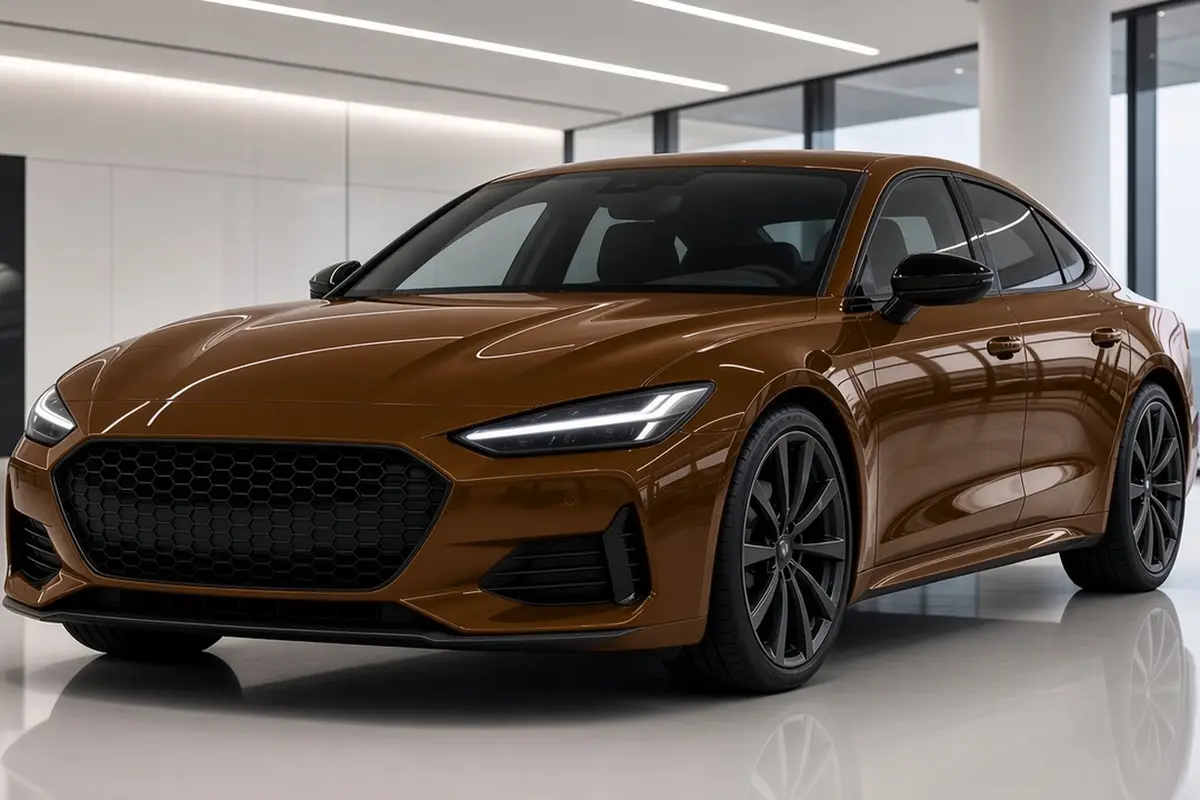
To wrap a car with chipped paint, repair the chips first, because vinyl shows every dip. Peeling clear coat is harder, since film sticks to the flaking layer and pulls it off later. A wrap hides color, not damage, so the surface must be smooth and sound.
Key facts
- Wrap film copies the surface under it, so chips and flaking edges show through.
- Film bonds to the top layer, so peeling clear coat can tear away during removal.
- Sanding failing clear coat back to a firm edge, then sealing it, gives film a sound base.
- A tape test on a hidden spot shows whether paint will survive under film.
Why chips and peeling clear coat show through
Vinyl wrap is thin and follows every contour of the surface beneath it. A chip leaves a crater that appears as a small dent once film covers it. Air also collects in chips, forming bubbles that the squeegee cannot push out.
Gloss and metallic films reveal surface flaws more than matte films do. Light reflecting off a glossy face picks out every dip and ridge. Matte and textured films hide minor marks better, though deep chips still show.
How to wrap a car with chipped paint
Small stone chips can be filled before wrapping so the surface is level. Clean each chip, fill it with touch-up paint or filler, and sand it flush once cured. Feel the panel with a flat hand, since any edge you feel will show through film.
Rust in a chip must be treated before filling, since film traps moisture over it. Deep chips down to bare metal are a job for a body shop, not a wrap installer. Check the repaired panel under raking light before the film goes on.
- Wash and clay the panel to find every chip.
- Remove loose paint around each chip with a fine abrasive.
- Fill the chip and let it cure as the product directs.
- Sand the repair level with the surrounding paint.
- Degrease the panel before any film goes on.
How to wrap a car with peeling clear coat
Peeling clear coat is unsafe to wrap directly, because the film bonds to a failing layer. When the wrap comes off, the loose clear coat comes with it in patches. Film over a lifting edge can also bubble as the clear coat keeps flaking underneath.
The fix is to remove the loose clear coat back to a firm, well-bonded edge. Feather that edge with fine sandpaper so no step remains between layers. Sealing the area with a primer or fresh clear coat gives the film a stable surface. A body shop is the right place for that work on large areas.
Testing whether paint is sound enough
A tape test shows whether paint will survive under film and during removal. Press a strip of masking tape on a hidden area, then pull it off sharply. Paint flakes on the tape mean the surface is too weak for wrap film.
Repainted panels deserve the same test, especially when the repaint is recent. Fresh paint must cure fully before film goes on, as the paint maker directs. Old single-stage paint that chalks on a cloth needs polishing and sealing first.
Wrap or paint for damaged panels
Wrapping makes sense when the damage is small and repairable before the film goes on. Wide areas of failed clear coat need repainting anyway, so a wrap adds a second step. Some owners repaint only the damaged panels in any color, then wrap the whole car.
Gloss and high gloss films come nearest to a painted finish on a flawless base. The catalog lists 1,996 gloss and 579 high gloss films for that look.
PPF and ceramic coating on repaired paint
Clear paint protection film (PPF) guards repaired paint from new chips but does not fix old ones. The clear layer shows existing chips as plainly as bare paint does. Repair first, then apply PPF to panels that face stones, such as the hood and bumper.
A ceramic coating goes on after any film, never under it, since it stops adhesion. Check that the coating maker approves it for the film on the car.
Questions
Can you put a clear coat over vinyl wrap?
No, a sprayed clear coat over vinyl wrap causes more problems than it solves. Its solvents can attack the film, and the hard layer cracks as vinyl flexes. Removing the wrap later would mean stripping the clear coat as well.
Do wraps look as good as paint?
On sound, smooth paint, a well-installed wrap looks close to paint at normal distance. Edges, seams and recesses are where the difference from paint shows. Over chips or peeling clear coat, no wrap looks as good as fresh paint.
Can I ceramic coat matte PPF?
Yes, you can ceramic coat matte PPF with a coating made for matte finishes. Standard gloss coatings can add shine and spoil the flat look of the film. Apply the coating only after the film has fully settled on the paint.
Can you wrap a car with peeling clear coat?
Not directly, because the film bonds to the loose clear coat and pulls it off later. Sand the failing layer back to a firm edge and seal it first. Large areas of failure are a body shop job before any wrap.
Films from this guide