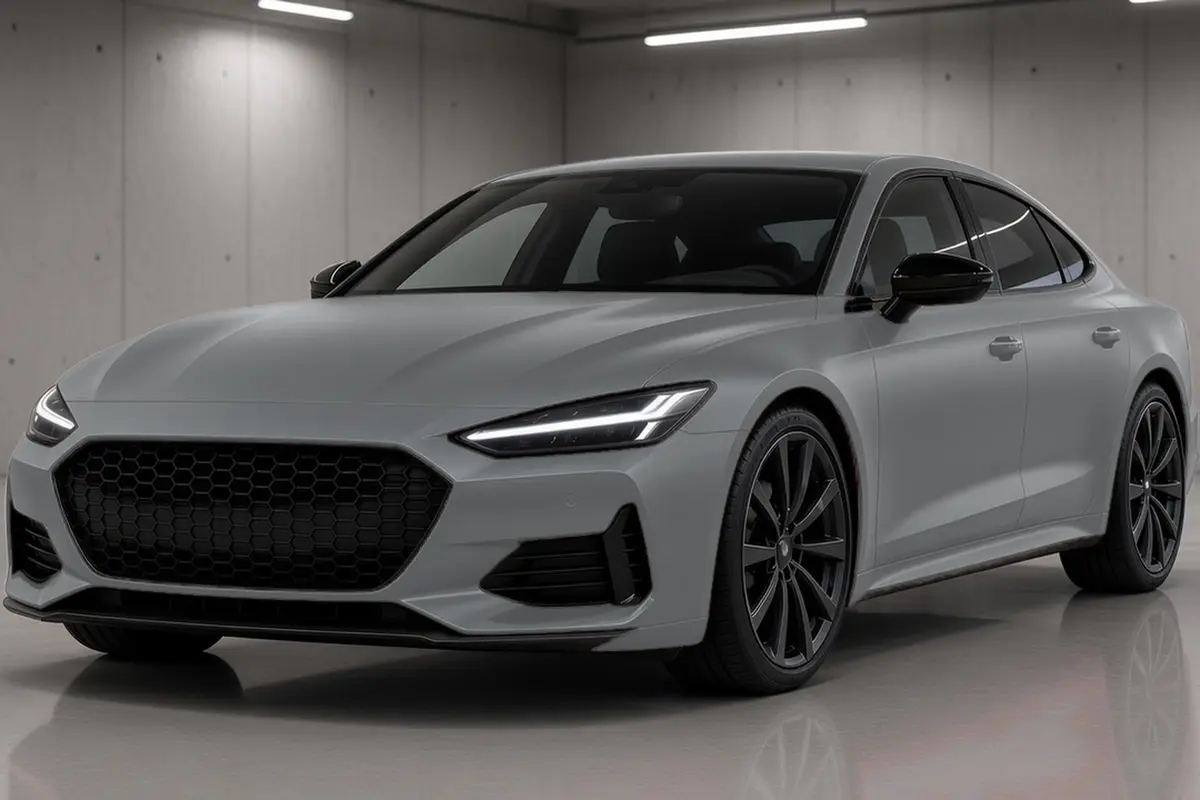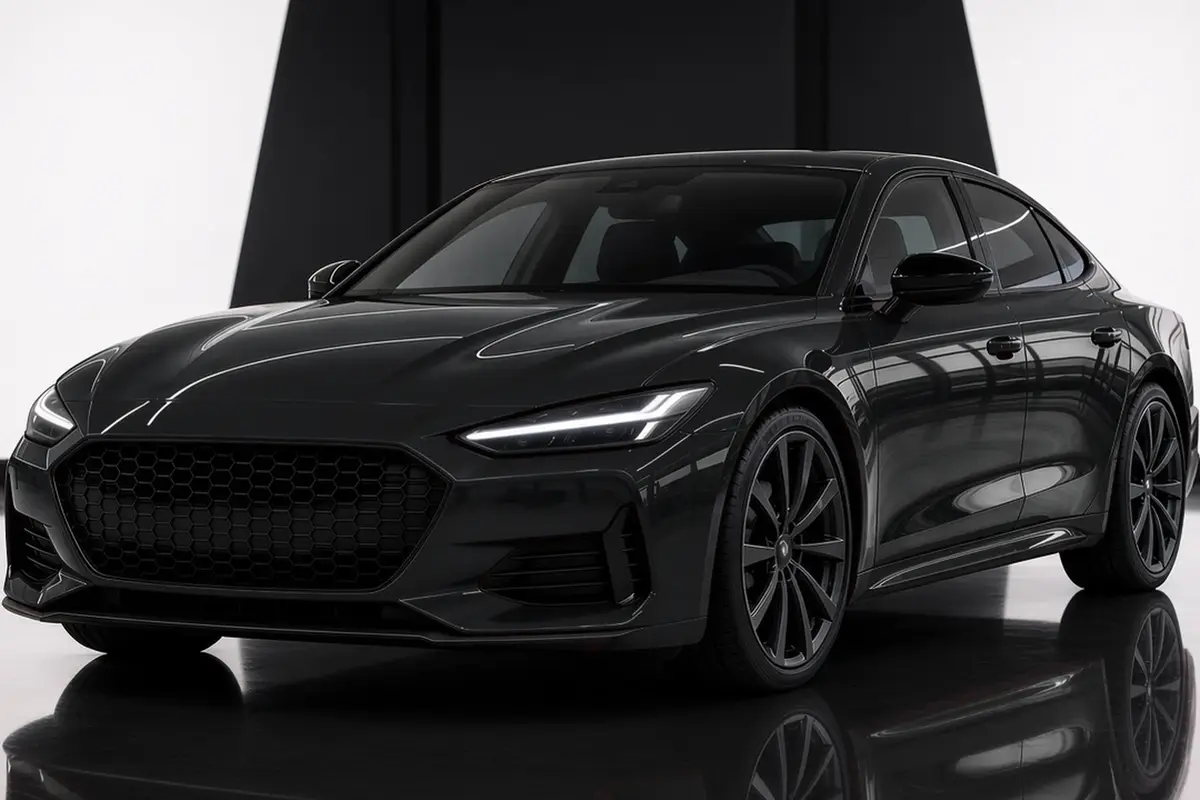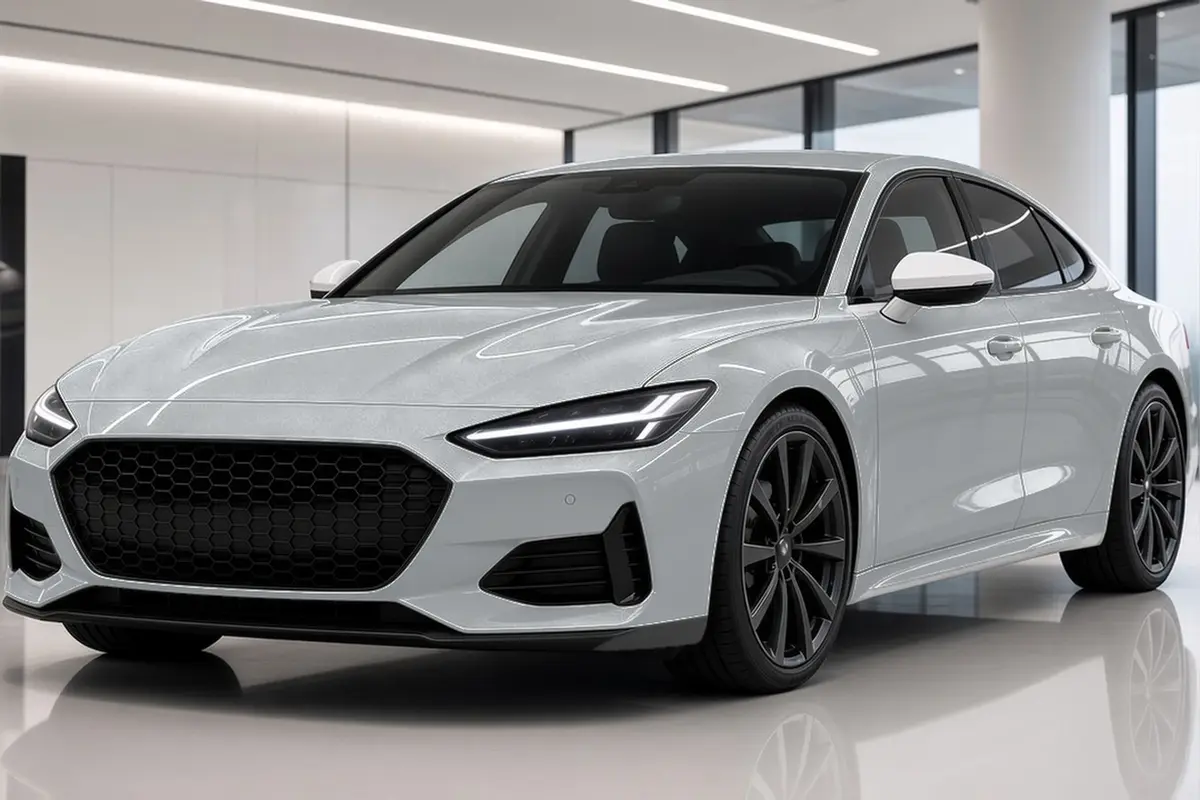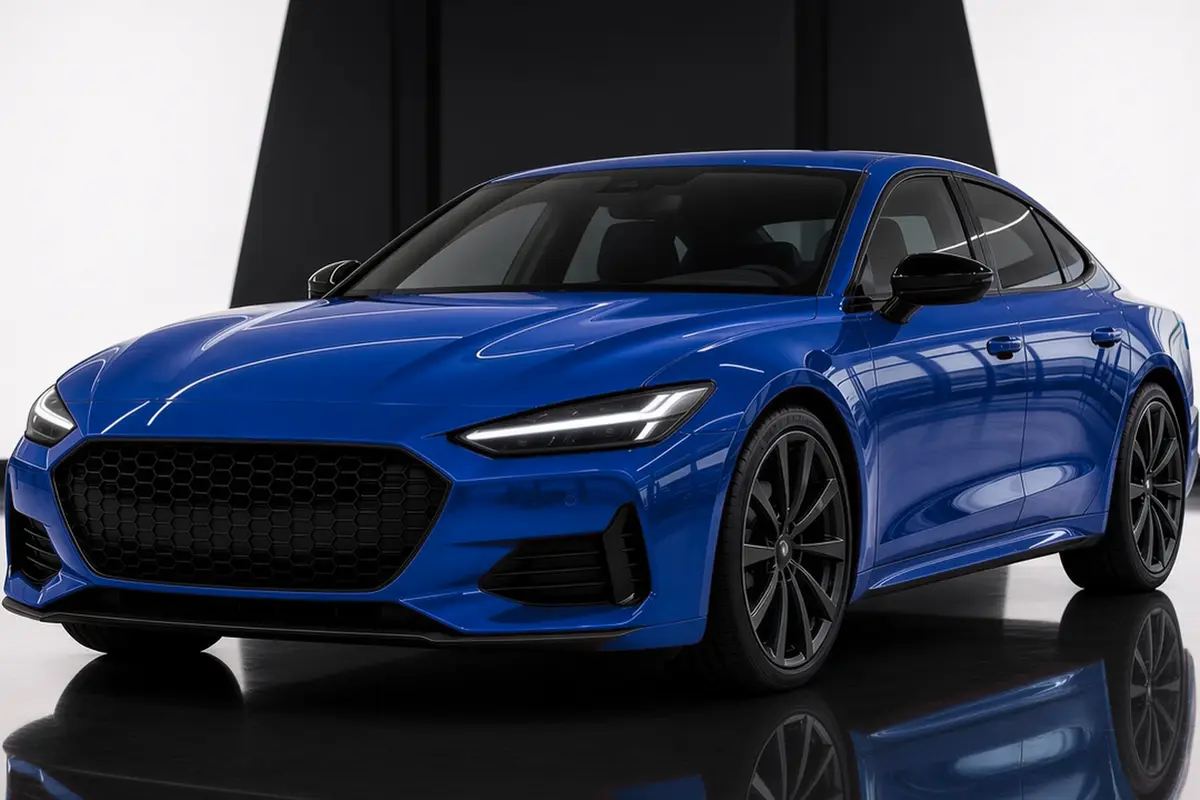
In PPF vs ceramic coating, paint protection film (PPF) stops chips while a coating makes cleaning easier. Film absorbs impacts, and a ceramic coating is a thin hard layer that repels grime. When you use both, the film goes on first and the coating goes over it.
Key facts
- Paint protection film absorbs stone chips, while a ceramic coating does not stop them.
- A ceramic coating makes water bead and dirt release, which eases washing of paint or film.
- PPF goes on bare, clean paint first, and the coating is applied over the film afterward.
- Matte paint and matte film need a coating made for matte surfaces to keep their flat look.
- The site catalog lists 64 clear and 1,047 color paint protection films that can carry a coating.
What PPF and a ceramic coating each do
PPF and a ceramic coating protect paint in different ways, so they are not direct rivals. PPF is a thick, soft film that takes the force of gravel and sand. A ceramic coating is a liquid that cures into a very thin, hard and slick layer.
The coating guards against bird droppings, bug remains and water spots by keeping them on the surface. Dirt rinses off more easily, and the paint keeps its gloss between washes.
A coating is far too thin to stop a stone at highway speed. Only film, or a fresh panel of paint, deals with that kind of damage.
PPF vs ceramic coating pros and cons
Each product wins on a different point, and the short list below sets them side by side. Read it against the way you drive and park the car.
Neither product replaces careful washing and sensible parking for the car. Both give their full effect only on paint that was corrected and cleaned first.
- PPF absorbs stone chips, scuffs and light scratches on the panels it covers.
- PPF can show edges and seams, and it covers only the panels you pay for.
- A ceramic coating covers every surface it is applied to, including wheels and glass.
- A ceramic coating adds gloss and easy cleaning but no impact protection.
- Both need correct prep, and both are hard to undo if applied badly.
Can you do both PPF and ceramic coating
You can do both PPF and ceramic coating, and the pair covers each other's gaps. Film guards the high-impact areas, and the coating makes the whole car easier to wash.
One sound layout puts film on the front end and coating over the film and bare paint. The coating then gives one even surface across filmed and unfilmed panels.
Ask the film maker or installer which coatings suit the film top coat. Some films carry their own slick top coat, and the data sheet says what may go over it.
Which goes first: film, then coating
Should you apply PPF or ceramic coating first is answered the same way by installers: film first. Film adhesive needs bare, clean paint to grip, and a coating underneath would block it.
Coated paint also repels the slip solution that installers use to position the film. Film laid over a coating can lift at edges because the adhesive never bonds fully.
After fitting, the film needs time to settle before the coating goes on. Your installer will set that gap for the film used, so follow it rather than a general rule.
Coating matte paint and matte film
PPF vs ceramic coating for matte paint follows the same order, with one extra rule. Use a coating made for matte surfaces, because an ordinary gloss coating can add shine.
Matte PPF over gloss paint can take a matte coating in the same way. The guide on matte PPF covers its look and daily care in more detail.
Test any coating on a hidden spot before you treat the whole car. Sheen changes on a matte surface are hard to reverse once the coating cures.
UV protection and graphene coating claims
PPF vs ceramic coating for UV protection depends on the products, not on the category. Film and coating makers both describe UV resistance, so compare their data sheets directly.
Graphene coating is a variation of the coating idea and sits in the same place in the order. Film goes on first, and any coating, graphene or ceramic, goes over it.
Keep marketing claims in perspective when you compare two products side by side. A coating of any kind still offers no protection against a direct stone strike.
What PPF and coating cost depends on
PPF vs ceramic coating cost depends on area, prep and labor more than on the label. Film needs exact cutting and fitting, so area covered drives its cost strongly.
Coating cost depends on how much paint correction comes first, since the coating locks in whatever is underneath. Swirls and marks under a coating stay visible until the next correction.
For film area, the film calculator on this site estimates amounts by body type. A full sedan in PPF takes about 15 m (49 ft) of 1.52 m wide film.
Questions
Which is better, PPF or ceramic coating?
PPF is better against chips, and a ceramic coating is better for easy washing and gloss. They solve different problems, so the right answer depends on what damages your paint. Film on the front and coating everywhere is a pairing that covers both needs.
Is it worth putting ceramic coating on PPF?
A coating on PPF is worth it if you want the film to stay clean with less effort. Water beads off, grime rinses away, and bug remains release more easily. Check first that the coating suits the top coat of your film.
Does wrap need ceramic coating?
A vinyl wrap does not need a ceramic coating, but a coating made for film can help. The coating eases washing and keeps stains off the vinyl surface. Matte and satin wraps need a coating that keeps their sheen unchanged.
Is there a downside to ceramic coating?
The main downside is that a coating stops no chips and locks in any flaw beneath it. Paint must be corrected before coating, which adds hours of skilled labor. Removing a coating later takes machine polishing, which a trained detailer should do.
Films from this guide