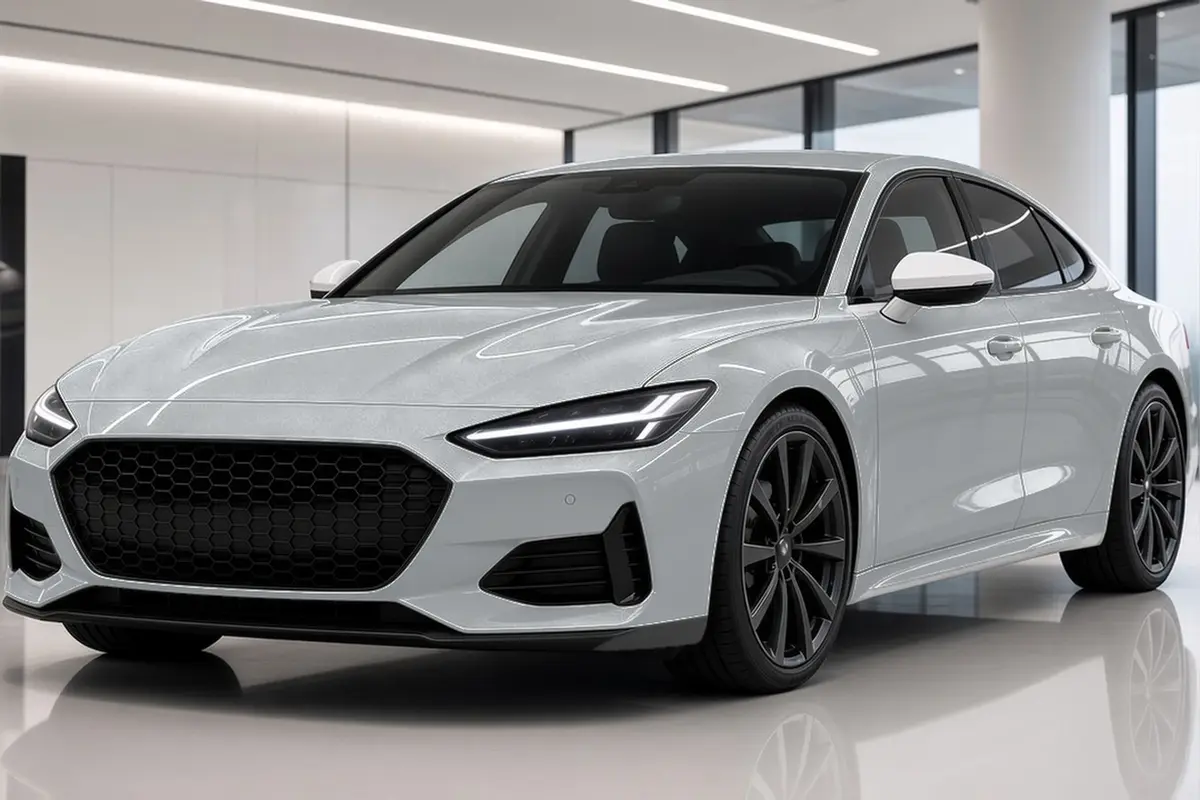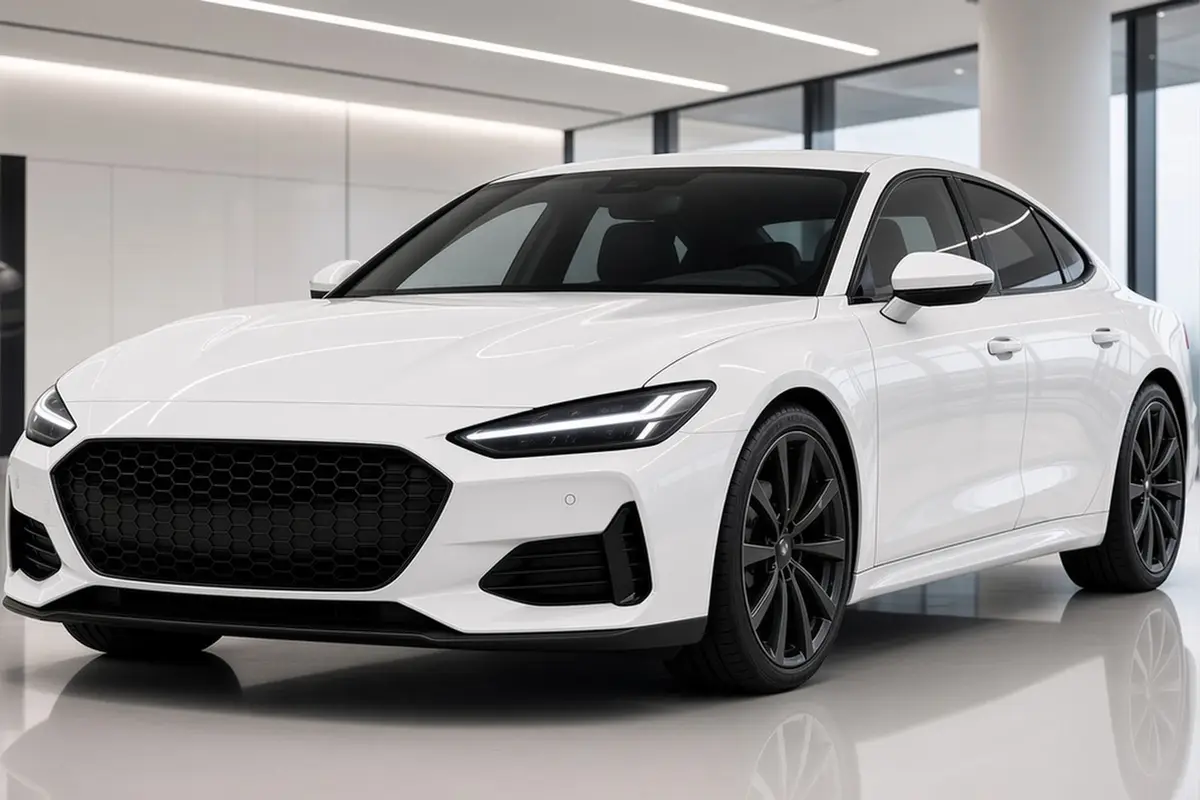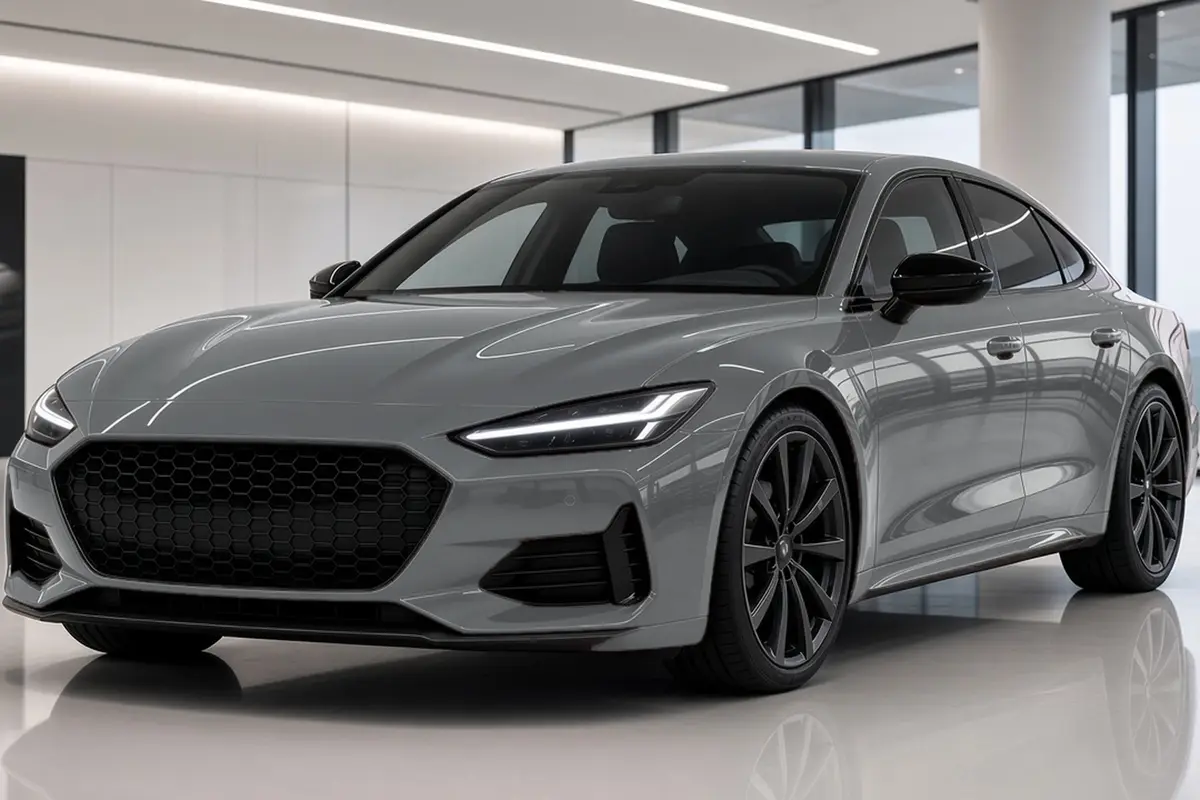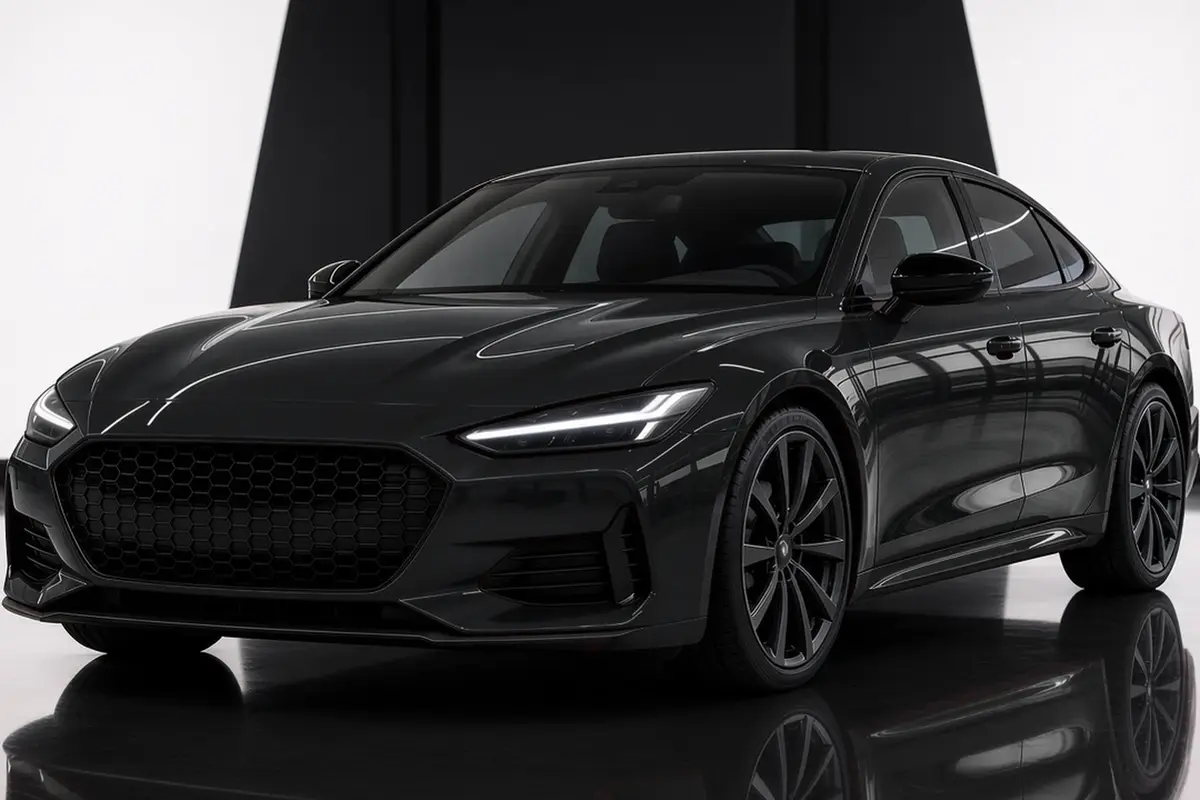
Self-healing PPF is paint protection film (PPF) whose top coat flows back after light scratches. Gentle heat from the sun or warm water helps fine marks fade from the surface. The healing works only in the top coat, so deep cuts and chips through the film stay.
Key facts
- Self-healing works in the top coat of the film and closes fine scratches and wash swirls.
- Gentle heat from sunlight or warm water helps the top coat flow back into shape.
- Cuts, chips and tears that go through the film do not heal and need the panel re-covered.
- The site catalog lists 64 clear and 1,047 color paint protection films from 20 makers.
- A data sheet, not a product name, tells you whether a given film has a self-healing top coat.
What self-healing means on paint protection film
Self-healing paint protection film carries an elastic top coat over a thermoplastic base. A light scratch only dents that top coat instead of cutting it open.
With gentle heat, the top coat relaxes and the dent levels out again. Fine swirls from washing and light marks from bags or keys can fade this way.
Self-healing is a property of the film surface, not a form of armor. The base film still absorbs the impact, and the top coat only cleans up the marks it leaves.
What heals and what does not
The healing effect has clear limits, and knowing them saves disappointment. Marks that stay in the top coat can recover, while damage through the film cannot.
When in doubt, wait for a warm day and look again. A mark that remains after gentle warmth has gone deeper than the top coat.
- Fine wash swirls and light hairline scratches can fade.
- Light scuffs from clothing, bags and fingernails around handles can fade.
- Deep scratches that cut the film stay visible.
- Stone chips that pierce the film need the piece replaced.
- Etching from bird droppings left too long may stay in the top coat.
Self-healing TPU film and other films
Self-healing TPU film is built on thermoplastic urethane (TPU), the base of modern paint protection film. That base is elastic enough to absorb impacts and carry a healing top coat.
Color vinyl wrap is a different film made from PVC, and it is not built around self-healing. A deep mark in vinyl stays there until the panel is wrapped again.
Color PPF can carry the same kind of top coat as clear film. Check the data sheet of each film, since product names do not always say it.
PPF makers listed in the catalog
Self-healing PPF brands are judged by their own data sheets, and the catalog shows who makes PPF. The table lists makers that offer only paint protection film on this site.
Larger makers such as Aura Vinyl, RAXTiFY and Tinybot also carry PPF next to vinyl. Ask for a sample and test the healing yourself with a fingernail and warm water.
| Manufacturer | PPF films in the catalog | Series named in the catalog |
|---|---|---|
| FlexiShield | 99 | Color PPF |
| GSWF | 53 | Infused Color PPF, Clear PPF |
| LLumar | 16 | Color PPF, Platinum |
| XPEL | 16 | XPEL COLOR PPF |
| UPPF | 10 | Color PPF |
| SunTek | 5 | Ultra, Clear and Matte, Altered Black |
| STEK | 4 | DYNO |
Helping the film heal safely
Gentle heat is all the top coat needs, and stronger heat brings risk. Parking in the sun or rinsing the panel with warm water is enough for fine marks.
A heat gun can scorch the film, lift its edges or harm the paint underneath. Leave that tool to a trained installer who knows the film.
Never polish a self-healing film with an abrasive compound to remove a mark. Abrasives can cut the top coat away and end the healing effect on that spot.
Disadvantages of self-healing PPF on a car
Self-healing does not fix the main disadvantages of PPF on a car. Edges, seams and prep demands stay exactly as they are with any film.
The healing top coat is also only as good as its care. Harsh chemicals and abrasive pads can wear it down and reduce how well it recovers.
Film cannot heal anything in the paint underneath it either. Chips or swirls present before fitting stay visible, so paint correction comes first.
Self-healing film for a car: amount and cost
Self-healing film for a car is counted the same way as any PPF. By the film calculator on this site, a full sedan takes about 15 m (49 ft).
Self-healing PPF cost depends on coverage, body shape, paint correction and the exact film. Quotes compare fairly only when they name the same film and the same panels.
Questions
What does self-healing PPF mean?
Self-healing PPF means the film top coat levels out light scratches on its own. Gentle heat speeds the effect, and deep damage through the film does not heal. The base film still does the main job of absorbing impacts.
Which protective film is right for a car?
The right film depends on what you want to protect and how you want the car to look. Clear PPF keeps the factory color, and color PPF changes it. Vinyl wrap offers the widest range of effects but less impact protection. Compare samples and data sheets rather than product names alone.
How much does it cost to PPF a car?
The cost to PPF a car depends on coverage, body size and shape, paint correction and the film. Front-end coverage and a full body differ greatly in film and labor. The guide on what paint protection film is lists the cost factors in more detail.
Is self-healing PPF worth it?
Self-healing PPF is worth it if fine swirls and light scuffs bother you. The top coat keeps the film looking smooth between washes without polishing. Against stone chips, any well-fitted PPF does the core job with or without it.
Films from this guide