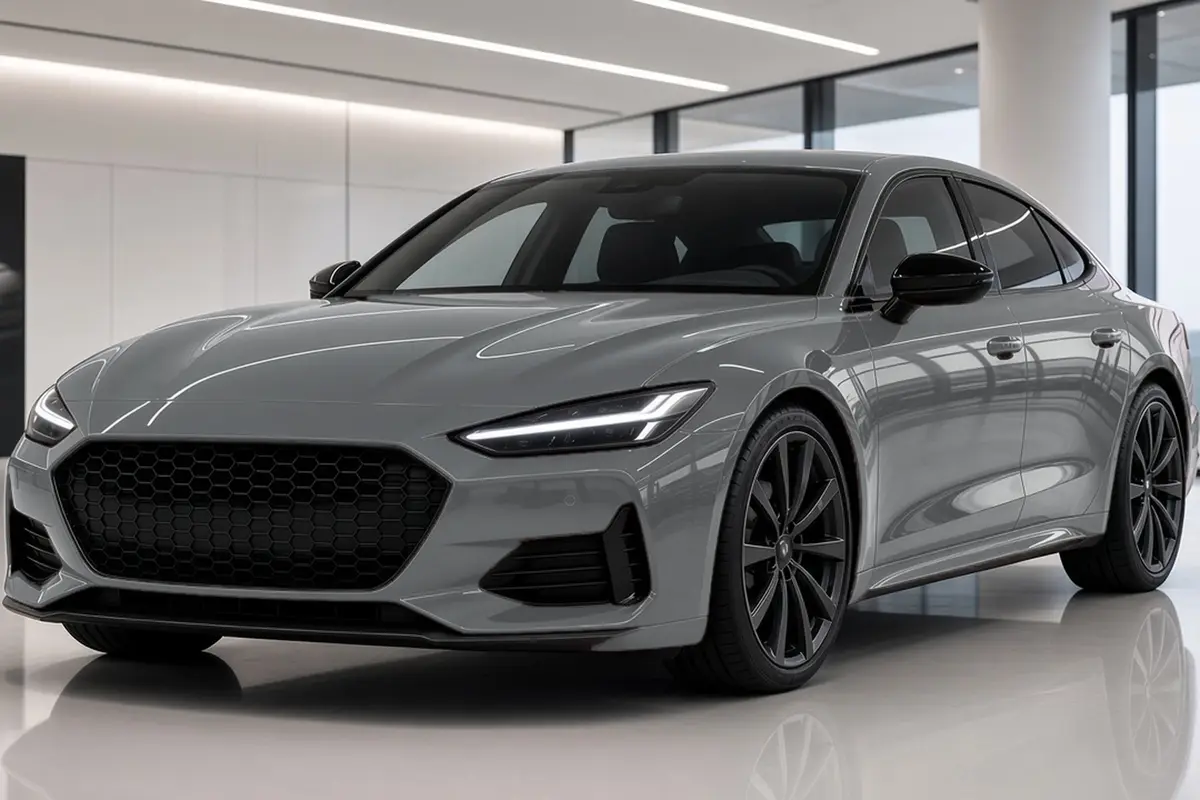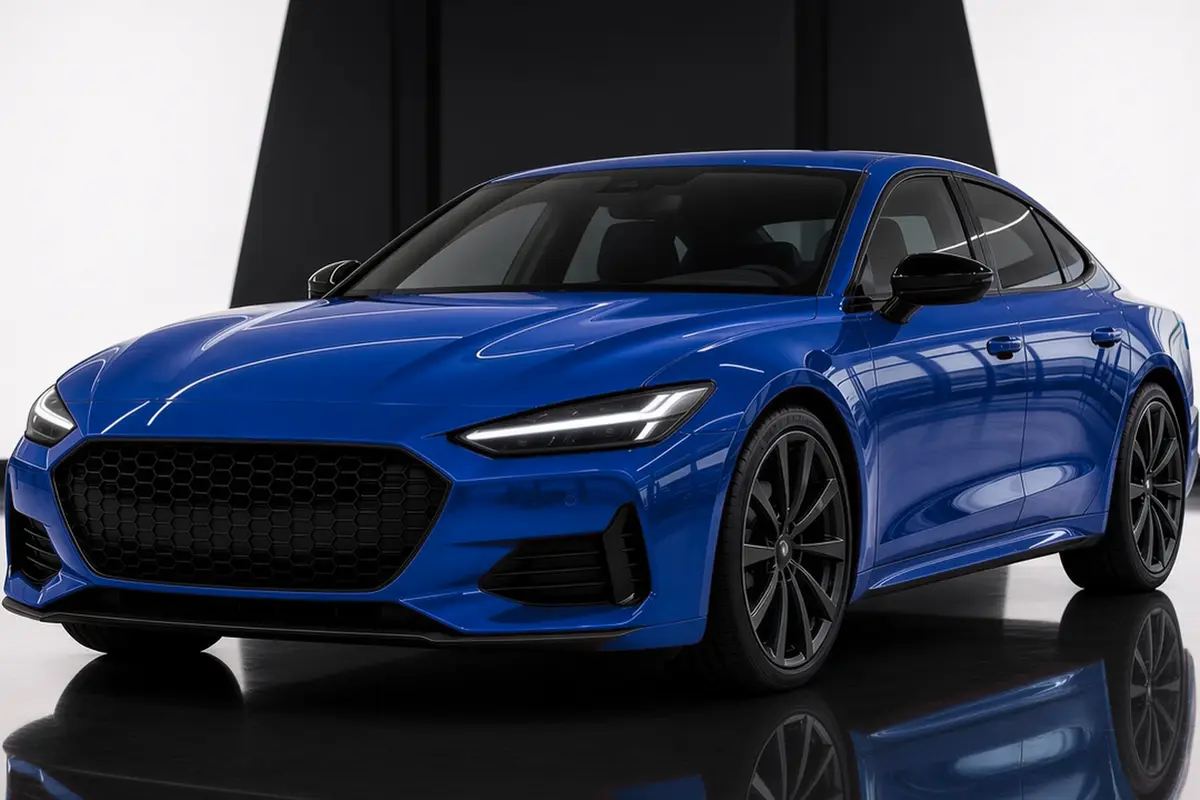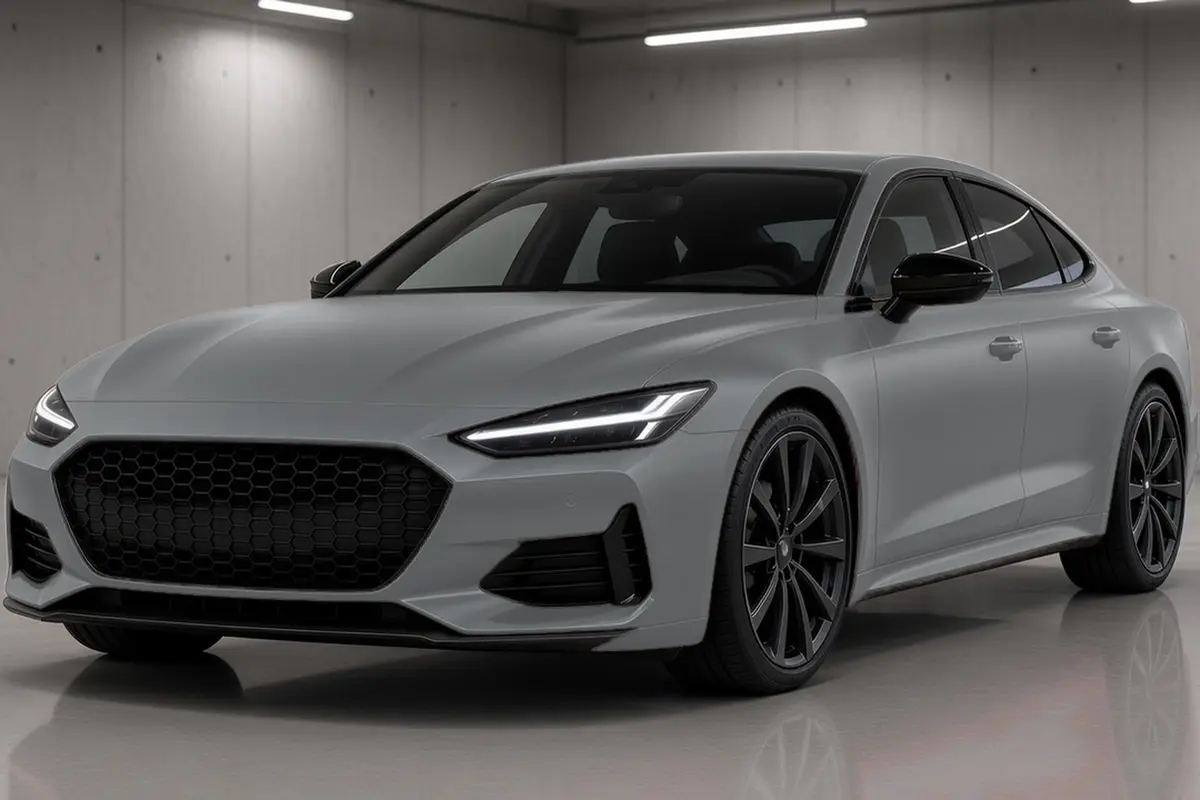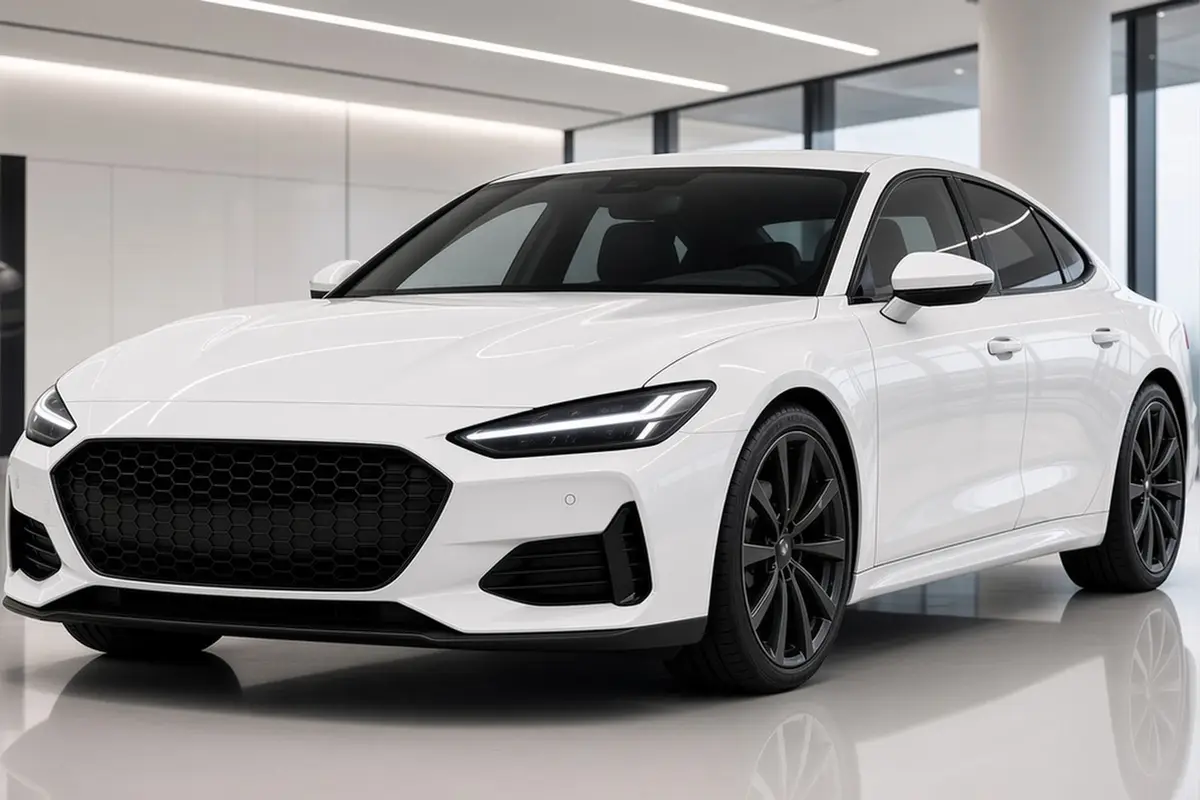
Paint protection film (PPF) is a clear or colored polyurethane layer that shields car paint from chips. The film takes the hits from gravel, sand and parking scuffs so the paint underneath stays intact. The catalog on this site lists 63 clear films and 1,047 color PPF films from many manufacturers.
Key facts
- Paint protection film is a sacrificial polyurethane layer that sits on top of the factory paint.
- The site catalog holds 63 clear paint protection films and 1,047 color paint protection films.
- A full sedan in PPF takes about 15 m (49 ft) of 1.52 m wide film by the site calculator.
- PPF is cut closer to the panel edge than vinyl, so a full job needs less film than a color wrap.
- Film protects sound paint only, so chips and scratches already in the paint stay visible under it.
What PPF in a car actually is
On a car, PPF is a tough thermoplastic polyurethane (TPU) sheet with an adhesive back and a protective top coat. Installers lay it over the paint with a slip solution, squeeze the water out and trim each piece.
Once fitted, the film becomes the outer surface of the car. Stone chips, highway sand, key marks and door dings hit the film first. When the film gets damaged, a panel can be covered again instead of repainted.
Clear film keeps the original color and gloss of the paint fully visible. Color PPF changes the look of the car like a color change wrap. Under the new color, the paint still gets a protective layer.
Clear and color PPF film for cars
PPF film for a car now comes in two families, and the catalog on this site lists both. Clear paint protection film accounts for 63 entries, and color paint protection film accounts for 1,047.
Several makers in the catalog offer PPF next to their vinyl wraps. Aura Vinyl lists 150 PPF films in its Aura PPF series, RAXTiFY lists 144, and Tinybot lists 104. FlexiShield, GSWF and XPEL show only paint protection film in the catalog.
Finishes on PPF in the catalog include gloss, satin and matte. Matte film over gloss paint gives a flat look, a topic covered in the guide on matte PPF.
- Front-end coverage takes in the bumper, hood edge, fenders and mirrors.
- Track coverage adds rocker panels and the lower doors behind the wheels.
- Full-body coverage puts film on every painted panel.
- Spot coverage protects door edges, door cups and the loading lip of the trunk.
How much film a full PPF job takes
A full PPF job needs less film than a color wrap because PPF is cut closer. The figures below come from the film calculator on this site for a 1.52 m (60 in) roll.
Each figure is an estimate for a typical body, rounded up and with spare for one re-cut panel. The calculator also counts film for partial coverage and for narrower rolls.
| Body type | Paint protection film for a full job |
|---|---|
| Coupe | 13.5 m (44 ft) |
| Hatchback | 14.5 m (48 ft) |
| Sedan | 15 m (49 ft) |
| Wagon | 16 m (52 ft) |
| SUV | 18.5 m (61 ft) |
| Pickup | 19 m (62 ft) |
| Minivan | 21.5 m (71 ft) |
| Van | 26 m (85 ft) |
What sets the cost of PPF on a car
The cost of PPF depends first on how much of the car you cover. A front-end kit and a full-body job differ in film used and in hours of skilled labor.
Body shape matters next, since deep bumpers, vents and sharp creases take longer to cover cleanly. Paint condition also counts, because chips and swirls need correction before film goes on.
The film itself plays a part in the cost as well. Color, matte and special finishes differ from clear gloss film. Ask each installer to quote the exact film name from the catalog.
Downsides and limits of paint protection film
PPF has limits you should know before you book an installer. Film edges can show on close inspection, especially on dark colors. Wrapped edges hide better but take more labor than trimmed ones.
Film does not repair the paint it covers in any way. Chips and swirls that are already there stay visible through the film. Repainted panels with weak adhesion can lift with the film at removal.
Clear film also adds its own surface texture to the paint. Look at a finished car in daylight before you choose a film. Ask the installer how seams and edges are handled on large panels.
PPF and other kinds of paint protection
Paint protection film is one of several ways to guard paint, and each works differently. Film is a physical layer that absorbs impacts from stones and grit. A ceramic coating is a hard liquid layer that mainly eases washing.
A car can carry both at once, with the coating applied over the film. The guide on PPF or ceramic coating explains which goes first and why the order matters.
A vinyl wrap is a third option, aimed at changing color more than blocking impacts. The guide on PPF or vinyl wrap compares the two films side by side.
Questions
Is getting paint protection film worth it?
PPF pays off where paint takes regular hits from gravel, sand or tight parking. A car driven on highways or kept for a long time gains most from front-end film. A car that rarely leaves town may need only door edges and the loading lip covered.
How much does a full PPF cost?
The cost of a full PPF job depends on body size, body shape, paint correction and film. A van needs far more film than a coupe, as the calculator table shows. Ask installers to quote the same film and the same coverage so the quotes compare fairly.
Can I do PPF myself?
Small flat parts such as door cups or a loading lip are within reach of a careful amateur. Hoods, bumpers and full-body jobs need a trained installer with proper tools. Stretched film tends to lift, and a trimming blade can cut the paint. Practice on a spare panel before you touch the car.
What is the downside to PPF?
The main downsides are visible edges, demanding prep and a risk to weak paint at removal. Film also hides nothing that is already wrong with the paint. A careful installer and sound factory paint reduce each of these risks.
Do wraps look as good as paint?
A well-fitted wrap or color PPF looks close to paint from normal viewing distance. Up close, edges, seams and relief cuts show where the film ends. The finish depends on the film, the body shape and the skill of the installer.
Films from this guide