Wraps by car

Austin Maxi wrap

The Austin Maxi wrap page covers the Austin Maxi compact hatchback across its two generations. The newest body is the second generation, produced from 1980 to 1982. A full wrap of this body takes about 46 ft (14 m) of 60-inch (1.52 m) cast film. With chrome or patterned film, the estimate is about 57 ft (17.5 m).

2generations14 mof film for a full wrap

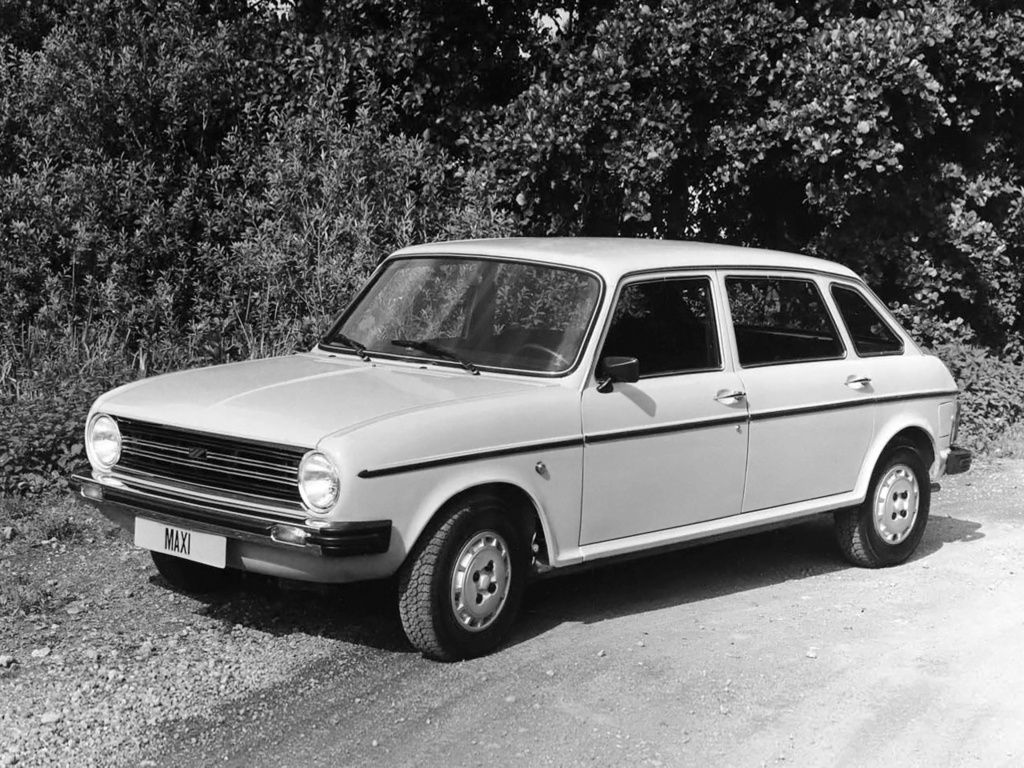
Austin Maxi, second generation, factory photo
Austin Maxi, second generation. Factory color shown.

Austin Maxi wrap colors and ideas

  • Maxi black wrap
  • Maxi white wrap
  • Maxi gray wrap
  • Maxi silver wrap
  • Maxi red wrap
  • Maxi blue wrap
  • Maxi green wrap
  • Maxi yellow wrap
  • Maxi orange wrap
  • Maxi purple wrap
  • Maxi pink wrap
  • Maxi teal wrap
  • Maxi brown wrap
  • Maxi gold wrap
  • Maxi chrome wrap
  • Maxi color shift wrap
  • Maxi carbon fiber wrap
  • Maxi camo and patterned wrap

How much vinyl to wrap an Austin Maxi

Estimates from the body dimensions in the catalog, for a 1.52 m (60 in) roll.

YearsBodyLengthFilm to order
1980–1982hatchback (5 doors)159.0 in (4,039 mm)about 46 ft (14 m) of 60-inch (1.52 m) cast film; chrome or patterned film: about 57 ft (17.5 m)
1969–1980hatchback (5 doors)159.0 in (4,039 mm)about 46 ft (14 m) of 60-inch (1.52 m) cast film; chrome or patterned film: about 57 ft (17.5 m)

Maxi wrap cost factors

Maxi wrap cost depends on the film type, the condition of the paint, and the labor for the tailgate. The Austin Maxi takes about 46 ft (14 m) of cast film, or about 57 ft (17.5 m) of chrome or patterned film. A larger printed design uses more film and adds to the work. The wrap cost changes with the shop's hourly rate and the preparation the body needs.
  • Film for a full wrap: about 46 ft (14 m) of 60-inch (1.52 m) cast film; chrome or patterned film: about 57 ft (17.5 m).
  • Body: hatchback (5 doors).
  • A tailgate with the rear glass in it: the film ends at the edge of the glass.

Maxi wraps by generation

Swipe sideways. Tap a card for the full description.

Austin Maxi, second generation, factory photo
Factory color shown

1980–1982 Maxi hatchback (second generation)

1980–1982hatchback (5 doors)159.0 in (4,039 mm)

The second generation Austin Maxi was made from 1980 to 1982. On a car of these years, panels may be original or repainted, so a test spot comes before a full wrap. The installer checks that the film will bond to the existing paint. The wrap plan includes feathering the film edges at the glass and recesses.

A tailgate with the rear glass in it: the film ends at the edge of the glass.

Film: about 46 ft (14 m) of 60-inch (1.52 m) cast film; chrome or patterned film: about 57 ft (17.5 m).

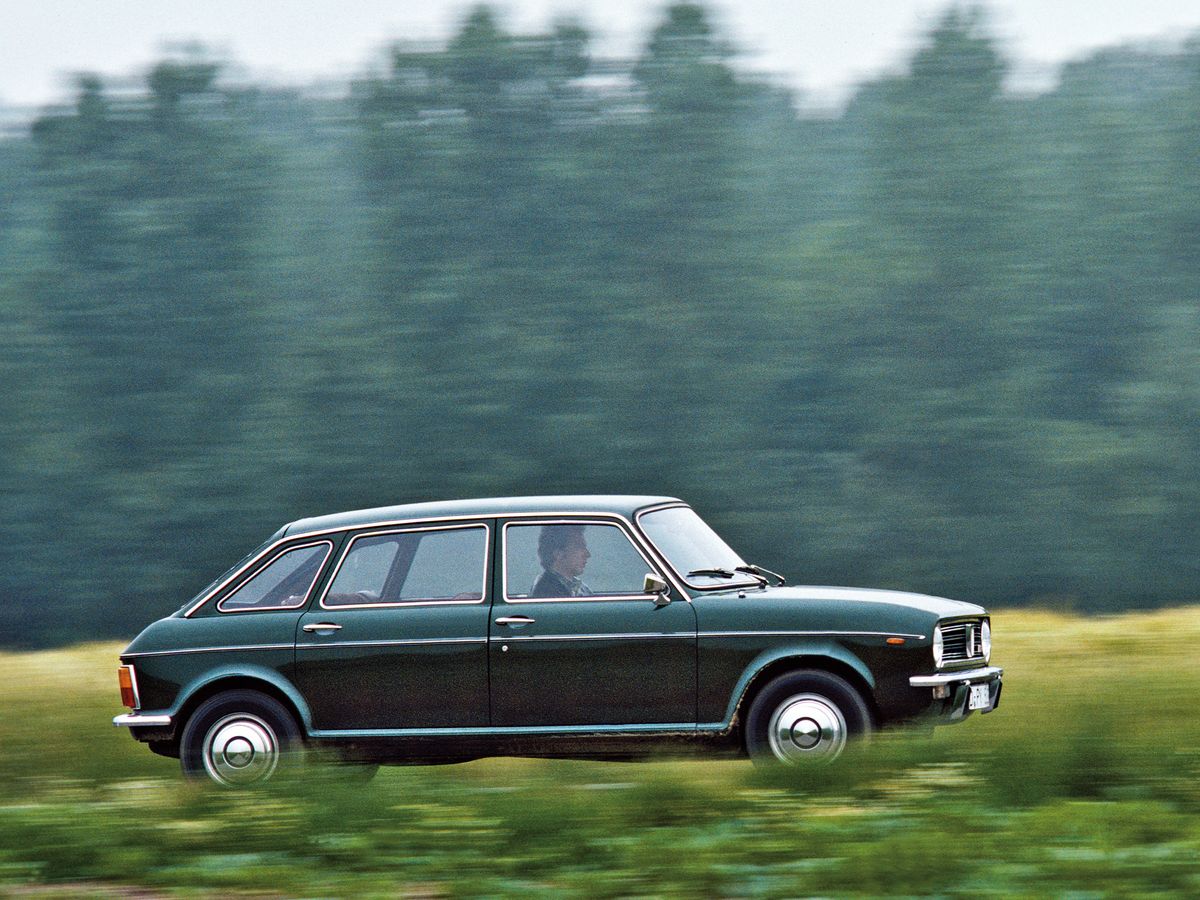
Austin Maxi, first generation, factory photo
Factory color shown

1969–1980 Maxi hatchback (first generation)

1969–1980hatchback (5 doors)159.0 in (4,039 mm)

The first generation Austin Maxi was made from 1969 to 1980. Its size and body style mean a wrapper needs about 46 ft (14 m) of 60-inch (1.52 m) film. The five-door hatchback has a large tailgate panel, and the rear glass is wrapped around not covered. The compact length of 159.0 in (4,039 mm) keeps the panel count manageable.

A tailgate with the rear glass in it: the film ends at the edge of the glass.

Film: about 46 ft (14 m) of 60-inch (1.52 m) cast film; chrome or patterned film: about 57 ft (17.5 m).

Roof, hood, chrome delete and PPF on a Maxi

A partial wrap on an Austin Maxi can cover the roof, hood, and mirror caps. Maxi chrome delete includes the window trim and badges, covering the bright trim with black film. Paint protection film (PPF) as a clear film on the front end guards the hood and bumper. The tailgate can be done alone, with the film ending at the edge of the glass.

  • Partial wrap: roof, hood, mirror caps.
  • Chrome delete: window trim and badges.
  • Paint protection film: clear film for the front end, which can also go over a wrap.

Wrapping an Austin Maxi: body, cut-outs and film

The Austin Maxi vinyl wrap must cover a five-door hatchback body that is 159.0 in (4,039 mm) long. The compact size keeps the wrap area moderate for a car. The single body style means every Austin Maxi has the same number of panels. The tailgate is the largest panel, and its rear glass reduces the vinyl area.

Maxi wrap ideas should account for the tailgate fitting the rear glass inside it. The film ends at the edge of the glass, so the installer cuts around the window. The door handles and mirrors come off for a clean wrap. The badges are removed and can be reinstalled after the wrap.

How much vinyl to wrap a Maxi is the same for both generations. The first generation ran from 1969 to 1980, and the second from 1980 to 1982. Both generations share the same body length of 159.0 in (4,039 mm) and the same five-door hatchback shape. A wrapper counts the same panels and buys the same film length for either generation.

Questions about wrapping an Austin Maxi

How much vinyl does it take to wrap an Austin Maxi?

An Austin Maxi takes about 46 ft (14 m) of 60-inch (1.52 m) cast film for a full wrap. That figure is for the newest body, the second generation from 1980 to 1982. With chrome or patterned film, the estimate is about 57 ft (17.5 m). The amount is the same for the first generation because the body dimensions match.

Can I wrap only the hood or the roof of a Maxi?

Yes, a Maxi can have only the hood or the roof wrapped. Partial wrap jobs include the hood, roof, and mirror caps. A chrome delete covers the window trim and badges with black film. Clear paint protection film (PPF) can go on just the front end.

Is a Maxi hard to wrap?

A Maxi is not hard to wrap, but the tailgate with the rear glass in it adds work. The film ends at the edge of the glass, so the installer cuts and tucks around the window. The compact size of 159.0 in (4,039 mm) keeps the panel count low. The tailgate is the part that needs the most careful fitting.

How many generations of the Maxi does this page cover?

This page covers two generations of the Austin Maxi. The first generation ran from 1969 to 1980. The second generation ran from 1980 to 1982. Both generations share the same five-door hatchback body and size.