Wraps by car

Austin Sprite wrap

The Austin Sprite wrap page covers four generations of this small sports car, from 1958 to 1971. A full wrap of the newest Sprite body takes about 33 ft (10 m) of 60-inch (1.52 m) cast vinyl wrap. Chrome or patterned film needs about 39 ft (12 m) for the same car. The Sprite is a very compact convertible, so its wrap uses less film than larger cars.

4generations10 mof film for a full wrap

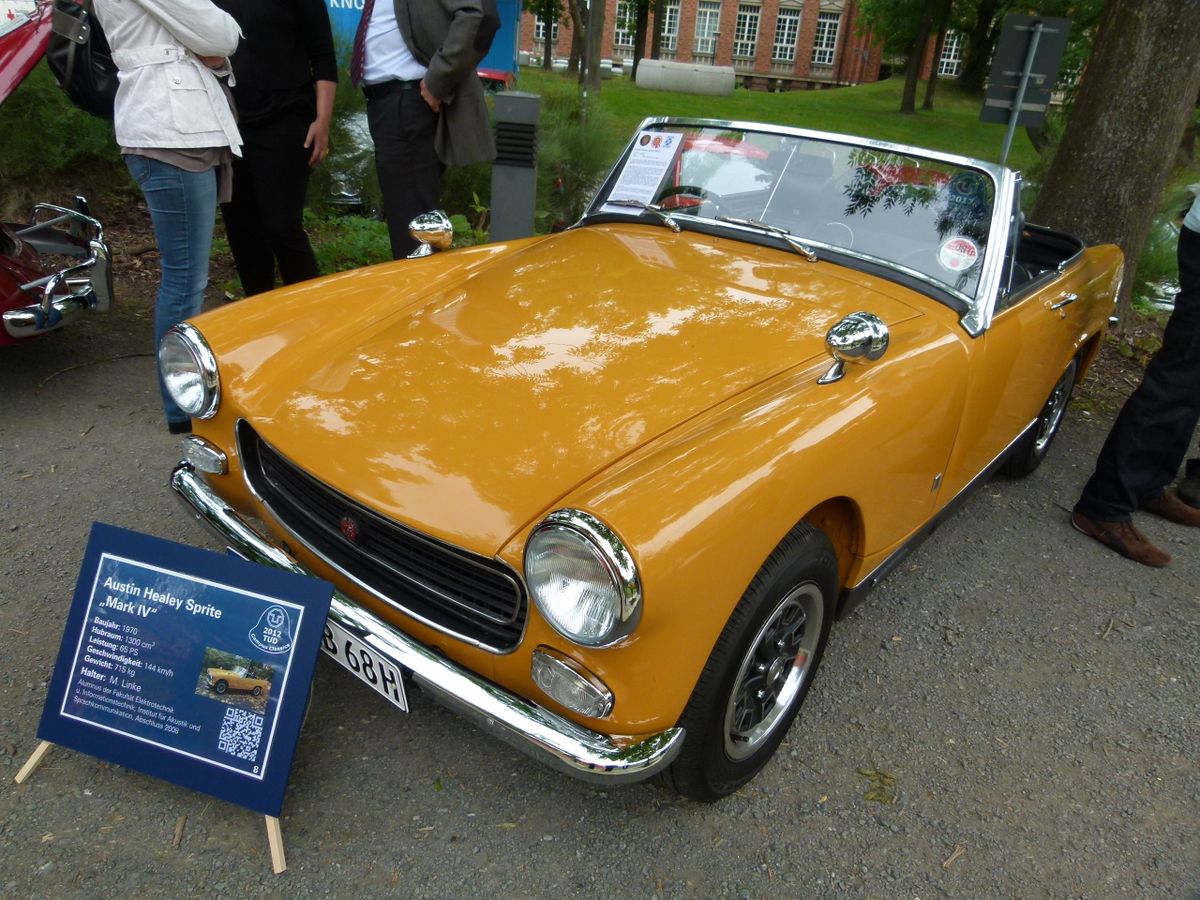
Austin Sprite, fourth generation, factory photo
Austin Sprite, fourth generation. Factory color shown.

Austin Sprite wrap colors and ideas

  • Sprite black wrap
  • Sprite white wrap
  • Sprite gray wrap
  • Sprite silver wrap
  • Sprite red wrap
  • Sprite blue wrap
  • Sprite green wrap
  • Sprite yellow wrap
  • Sprite orange wrap
  • Sprite purple wrap
  • Sprite pink wrap
  • Sprite teal wrap
  • Sprite brown wrap
  • Sprite gold wrap
  • Sprite chrome wrap
  • Sprite color shift wrap
  • Sprite carbon fiber wrap
  • Sprite camo and patterned wrap

How much vinyl to wrap an Austin Sprite

Estimates from the body dimensions in the catalog, for a 1.52 m (60 in) roll.

YearsBodyLengthFilm to order
1966–1971convertible (2 doors)137.5 in (3,493 mm)about 33 ft (10 m) of 60-inch (1.52 m) cast film; chrome or patterned film: about 39 ft (12 m)
1964–1966convertible (2 doors)136.3 in (3,461 mm)about 30 ft (9 m) of 60-inch (1.52 m) cast film; chrome or patterned film: about 38 ft (11.5 m)
1961–1964convertible (2 doors)136.0 in (3,454 mm)about 30 ft (9 m) of 60-inch (1.52 m) cast film; chrome or patterned film: about 38 ft (11.5 m)
1958–1961convertible (2 doors)137.5 in (3,493 mm)about 31 ft (9.5 m) of 60-inch (1.52 m) cast film; chrome or patterned film: about 39 ft (12 m)

Sprite wrap cost factors

The Sprite wrap cost depends mainly on how much film the shop has to order and how many hours the job takes. A first-generation car needs about 31 ft (9.5 m) of cast film, while the newest body uses about 33 ft (10 m). Chrome or patterned film increases the amount to about 39 ft (12 m). The convertible body adds labor for masking the top and finishing the edges around it.
  • Film for a full wrap: about 33 ft (10 m) of 60-inch (1.52 m) cast film; chrome or patterned film: about 39 ft (12 m).
  • Body: convertible (2 doors).
  • Convertible body: a fabric top is not wrapped and the film ends where it begins; a folding hard top is wrapped as panels of its own.

Sprite wraps by generation

Swipe sideways. Tap a card for the full description.

Austin Sprite, fourth generation, factory photo
Factory color shown

1966–1971 Sprite convertible (fourth generation)

1966–1971convertible (2 doors)137.5 in (3,493 mm)

On the fourth generation Austin Sprite, the open top is left unwrapped and the film ends where the soft top begins. A folding hard top, when present, is wrapped as panels of its own. The edges around the top well are trimmed carefully so the film does not interfere with the top mechanism. This approach keeps the wrap clean and avoids damage to the fabric.

Convertible body: a fabric top is not wrapped and the film ends where it begins; a folding hard top is wrapped as panels of its own.

Film: about 33 ft (10 m) of 60-inch (1.52 m) cast film; chrome or patterned film: about 39 ft (12 m).
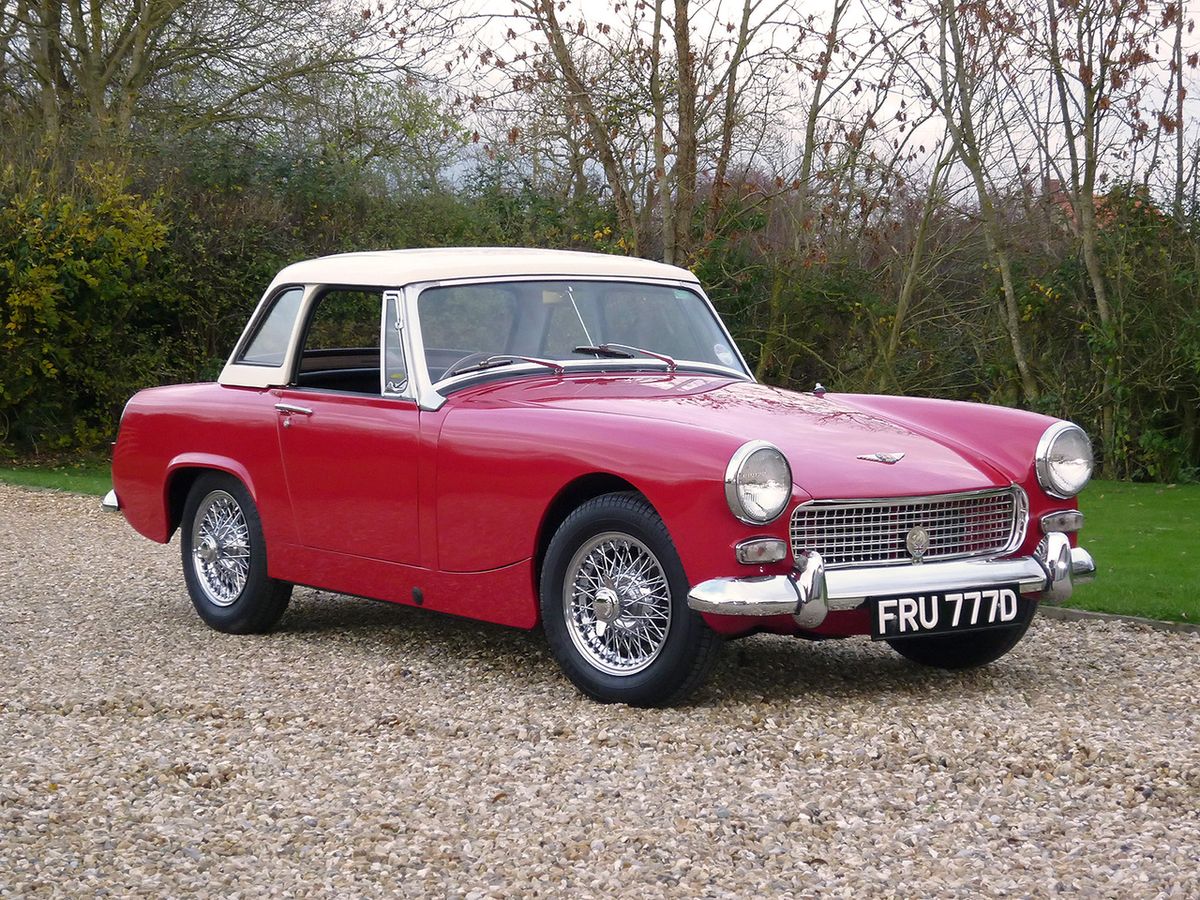
Austin Sprite, third generation, factory photo
Factory color shown

1964–1966 Sprite convertible (third generation)

1964–1966convertible (2 doors)136.3 in (3,461 mm)

On a 1964–1966 Austin Sprite, paint age matters before a wrap: the panels may be original or repainted. A test spot on a hidden area tells the installer whether the film will lift old paint on removal. This is a standard step on a car from these years. It protects both the paint and the wrap.

Convertible body: a fabric top is not wrapped and the film ends where it begins; a folding hard top is wrapped as panels of its own.

Film: about 30 ft (9 m) of 60-inch (1.52 m) cast film; chrome or patterned film: about 38 ft (11.5 m).

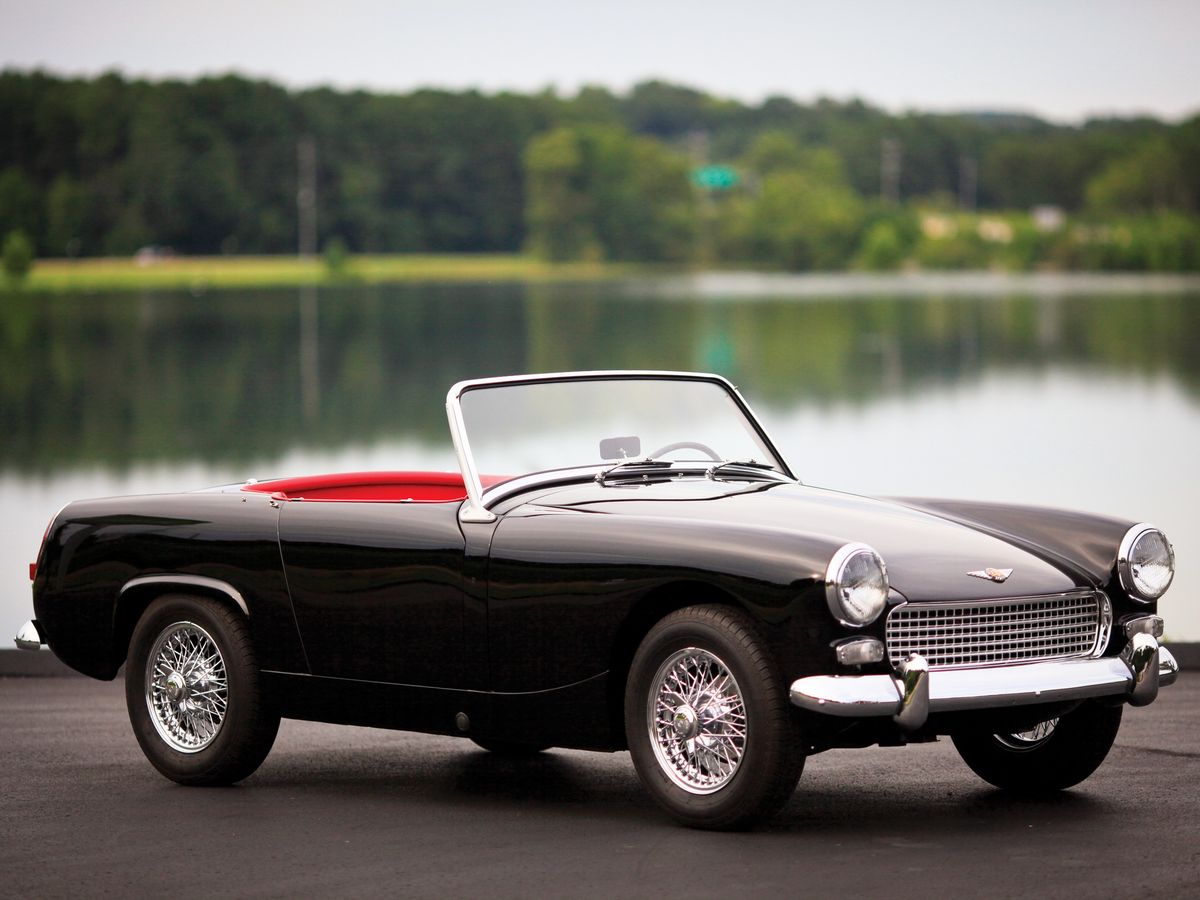
Austin Sprite, second generation, factory photo
Factory color shown

1961–1964 Sprite convertible (second generation)

1961–1964convertible (2 doors)136.0 in (3,454 mm)

The second generation Austin Sprite's size and convertible body keep film use low: about 30 ft (9 m) of 60-inch (1.52 m) cast film for a full wrap. The short 136.0 in (3,454 mm) body has only two doors and no roof to cover. The number of panels is small, which speeds up the job. The main body panels are the hood, doors, fenders, and rear deck.

Convertible body: a fabric top is not wrapped and the film ends where it begins; a folding hard top is wrapped as panels of its own.

Film: about 30 ft (9 m) of 60-inch (1.52 m) cast film; chrome or patterned film: about 38 ft (11.5 m).

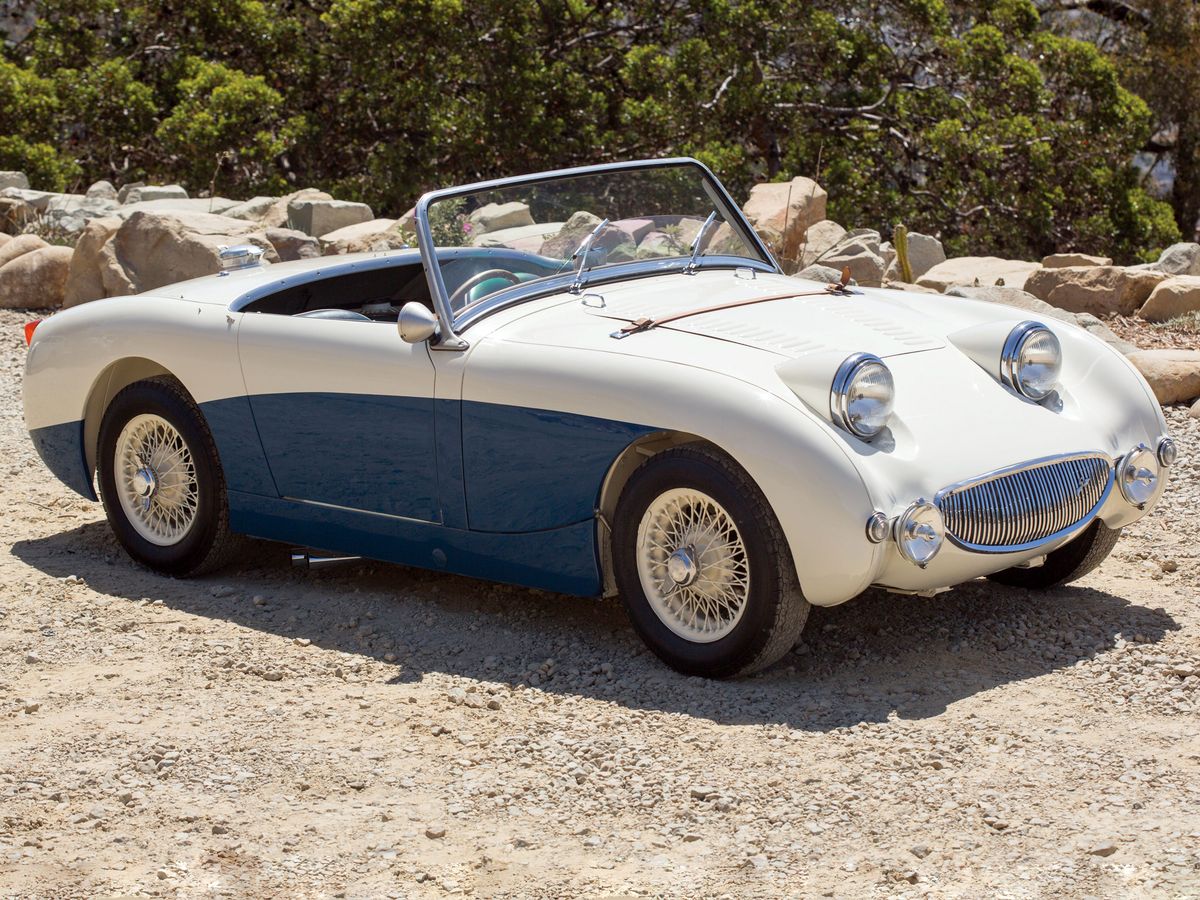
Austin Sprite, first generation, factory photo
Factory color shown

1958–1961 Sprite convertible (first generation)

1958–1961convertible (2 doors)137.5 in (3,493 mm)

The first generation Austin Sprite needs about 31 ft (9.5 m) of 60-inch (1.52 m) cast film for a full wrap. At 137.5 in (3,493 mm) long, it is the same size as the newest Sprite but uses a little less film because its curves are simpler. The convertible body means no roof film, and the two-door layout keeps the panel count low. Installers still plan for the rounded fenders and the small rear deck.

Convertible body: a fabric top is not wrapped and the film ends where it begins; a folding hard top is wrapped as panels of its own.

Film: about 31 ft (9.5 m) of 60-inch (1.52 m) cast film; chrome or patterned film: about 39 ft (12 m).
Roof, hood, chrome delete and PPF on a Sprite

A partial wrap on an Austin Sprite often covers the hood, the mirror caps, or the rear deck. A Sprite chrome delete covers the window trim and badges with black film. Paint protection film (PPF) is a popular choice for the front end of a Sprite. These smaller jobs use less film and can be finished in a shorter time.

  • Partial wrap: hood, mirror caps, rear deck.
  • Chrome delete: window trim and badges.
  • Paint protection film: clear film for the front end, which can also go over a wrap.

Wrapping an Austin Sprite: body, cut-outs and film

The Austin Sprite vinyl wrap is shaped by its single body style, a two-door convertible. The newest Sprite is 137.5 in (3,493 mm) long, and the earlier cars are within 1.5 in (38 mm) of that. This small size means fewer panels and a shorter wrap than on a sedan. The open body also means there are no roof pillars to cover.

Sprite wrap ideas must account for the convertible top: a fabric top is not wrapped, and the film ends where the top begins. A folding hard top, when fitted, is wrapped as panels of its own. The doors are short, but the sills and the area behind the seats need careful trimming. Removing door handles and mirrors gives a cleaner edge, but it is not required.

How much vinyl to wrap a Sprite varies by generation, from about 30 ft (9 m) on the 1961–1964 cars to about 33 ft (10 m) on the 1966–1971 cars. The first generation falls between, at about 31 ft (9.5 m). The difference comes from small changes in body length and shape. All generations use 60-inch (1.52 m) film.

Questions about wrapping an Austin Sprite

How much vinyl does it take to wrap an Austin Sprite?

It takes about 33 ft (10 m) of 60-inch (1.52 m) cast vinyl wrap to cover the newest Austin Sprite body. This figure is for a full wrap of the 1966–1971 convertible. Chrome or patterned film adds about 6 ft (2 m) to that estimate. The earlier generations use slightly less film.

Is the top of a Sprite wrapped?

No, the top of a Sprite is not wrapped. A fabric top is left as it is, and the wrap ends where the top begins. A folding hard top, when fitted, is wrapped as panels of its own. This keeps the top soft and avoids cracking the film on a moving surface.

Can I wrap only the hood or the roof of a Sprite?

Yes, you can wrap only the hood or the rear deck of a Sprite as a partial wrap. A chrome delete on the window trim and badges is another option. Paint protection film (PPF) can be applied to the front end. These smaller jobs need less film and less time than a full wrap.

Is a Sprite hard to wrap?

A Sprite is not hard to wrap, but its convertible body adds some work. The fabric top must be masked off, and the film edges around the top well take extra time. The short panels and small size make the job easier than a large sedan. A folding hard top, when present, is wrapped as separate panels.