Wraps by car

Daewoo Matiz wrap

The Daewoo Matiz wrap page covers the first generation from 1997 to 2015, shown in the catalog as one generation. A full vinyl wrap of the newest body takes about 46 ft (14 m) of 60-inch (1.52 m) cast film. Chrome or patterned film raises the estimate to about 52 ft (16 m).

1generations14 mof film for a full wrap

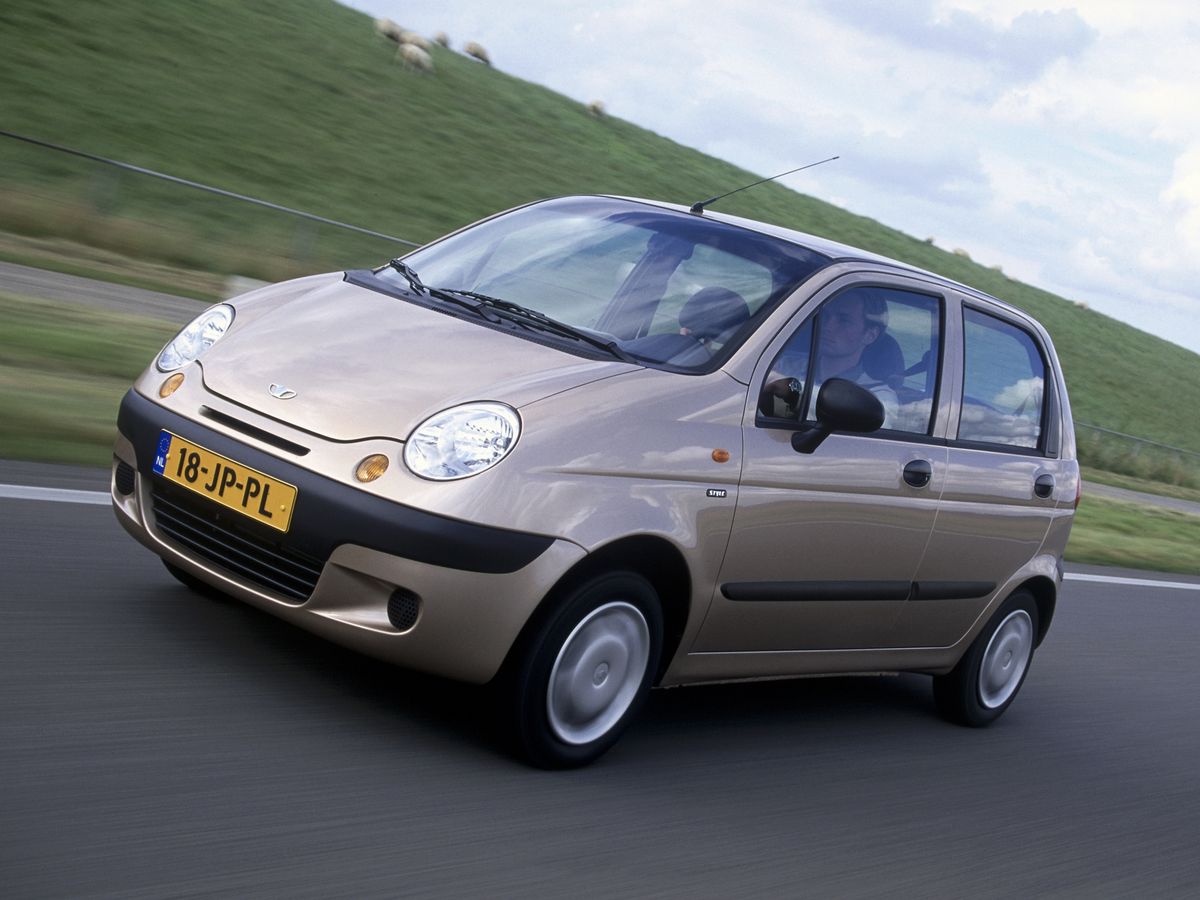
Daewoo Matiz, first generation, factory photo
Daewoo Matiz, first generation. Factory color shown.

Daewoo Matiz wrap colors and ideas

  • Matiz black wrap
  • Matiz white wrap
  • Matiz gray wrap
  • Matiz silver wrap
  • Matiz red wrap
  • Matiz blue wrap
  • Matiz green wrap
  • Matiz yellow wrap
  • Matiz orange wrap
  • Matiz purple wrap
  • Matiz pink wrap
  • Matiz teal wrap
  • Matiz brown wrap
  • Matiz gold wrap
  • Matiz chrome wrap
  • Matiz color shift wrap
  • Matiz carbon fiber wrap
  • Matiz camo and patterned wrap

How much vinyl to wrap a Daewoo Matiz

Estimates from the body dimensions in the catalog, for a 1.52 m (60 in) roll.

YearsBodyLengthFilm to order
1997–2015hatchback (5 doors)137.6 in (3,495 mm) to 137.7 in (3,497 mm)about 46 ft (14 m) of 60-inch (1.52 m) cast film; chrome or patterned film: about 52 ft (16 m)

Matiz wrap cost factors

Matiz wrap cost depends mainly on the film type, the surface area and the labor for small details. The body needs about 46 ft (14 m) of 60-inch (1.52 m) cast film for a full wrap. Chrome or patterned film raises the material estimate to about 52 ft (16 m). Roof rails on some trims and the tailgate glass add extra cutting and finishing work.
  • Film for a full wrap: about 46 ft (14 m) of 60-inch (1.52 m) cast film; chrome or patterned film: about 52 ft (16 m).
  • Body: hatchback (5 doors).
  • A tailgate with the rear glass in it: the film ends at the edge of the glass.
  • Some trims have roof rails: they come off before the roof is wrapped, or the film is cut along them.
  • Restyled in 2000: bumpers and lights differ between the versions, and so do the film cuts.

Matiz wraps by generation

Swipe sideways. Tap a card for the full description.

Daewoo Matiz, first generation, factory photo
Factory color shown

1997–2015 Matiz hatchback (first generation)

1997–2015hatchback (5 doors)137.6 in (3,495 mm) to 137.7 in (3,497 mm)

The first generation Daewoo Matiz ran from 1997 to 2015 with a single five-door hatchback body. A restyling in 2000 changed the bumpers and lights, so film cut for one version does not fit the other. The overall length shifted only slightly, from 137.6 in (3,495 mm) to 137.7 in (3,497 mm). Both versions share the same tailgate design with the rear glass in the tailgate.

A tailgate with the rear glass in it: the film ends at the edge of the glass.

Some trims have roof rails: they come off before the roof is wrapped, or the film is cut along them.

Film: about 46 ft (14 m) of 60-inch (1.52 m) cast film; chrome or patterned film: about 52 ft (16 m).

Roof, hood, chrome delete and PPF on a Matiz

A partial wrap on a Matiz can cover the roof, hood or mirror caps instead of the whole body. Matiz chrome delete covers the window trim and badges with black film for a cleaner look. Paint protection film (PPF) is clear film applied to the front end to guard against stone chips. These smaller jobs use less film and take less time than a full color change wrap.

  • Partial wrap: roof, hood, mirror caps.
  • Chrome delete: window trim and badges.
  • Paint protection film: clear film for the front end, which can also go over a wrap.

Wrapping a Daewoo Matiz: body, cut-outs and film

The Daewoo Matiz vinyl wrap suits a small hatchback with five doors and a body under 138 inches (3,497 mm) long. Compact panels mean fewer joins and less waste on flat areas like the doors. The tailgate with its big rear glass still needs careful trimming at the glass edge. A color change wrap on this mini class car uses less film than larger models.

Matiz wrap ideas need to account for a tailgate with the rear glass in it, where the film ends at the edge of the glass. Some trims have roof rails, which must come off before the roof is wrapped or the film is cut along them. Door handles, mirrors and badges also need cut-outs or removal for a clean finish. Working around these parts adds time but keeps the wrap looking tidy.

How much vinyl to wrap a Matiz changes if you are counting film for different production years. The restyling in 2000 altered bumpers and lights, so film cut for one version does not fit the other. The body length stayed nearly the same, from 137.6 in (3,495 mm) to 137.7 in (3,497 mm). The first generation kept one five-door hatchback shape throughout its run.

Questions about wrapping a Daewoo Matiz

How much vinyl does it take to wrap a Daewoo Matiz?

It takes about 46 ft (14 m) of 60-inch (1.52 m) cast film to wrap a Daewoo Matiz. Chrome or patterned film needs about 52 ft (16 m) because of extra material for matching. These figures are for the newest body of the first generation, which ran to 2015. A color change wrap on this car uses less film than larger models.

Which years of the Matiz take the same film cuts?

The Matiz years 2000 to 2015 share the same film cuts after the restyling, while 1997 to 1999 use the earlier design. The restyling changed bumpers and lights, so film cut for one version does not fit the other. The first generation still has the same five-door hatchback body throughout. All years from 1997 to 2015 are in the catalog as one generation.

Can I wrap only the hood or the roof of a Matiz?

Yes, you can wrap only the hood or the roof of a Matiz as a partial wrap. The partial wrap options include the roof, hood and mirror caps, which use less film than a full body wrap. A roof wrap is also one of the best ways to change the look of a small car. Paint protection film on the front end is another partial job that protects the hood.

Is a Matiz hard to wrap?

A Matiz is not especially hard to wrap, but two details add work: the tailgate glass and the roof rails. The tailgate has the rear glass in it, so the film ends at the edge of the glass and needs careful trimming. Some trims have roof rails, which must come off before the roof is wrapped or the film is cut along them. The small body, under 138 inches (3,497 mm) long, keeps the film area manageable.