Wraps by car

Suzuki XL7 wrap

This page covers the Suzuki XL7 wrap for both generations of the SUV, the first built from 1998 to 2005 and the second from 2006 to 2009. The newest body, a five-door SUV, needs about 66 ft (20 m) of 60-inch (1.52 m) cast film for a full vinyl wrap. A chrome or patterned film adds about 10 ft (3 m) to the estimate because the pattern has to be matched. Each generation has its own film figures and panel notes below.

2generations20 mof film for a full wrap

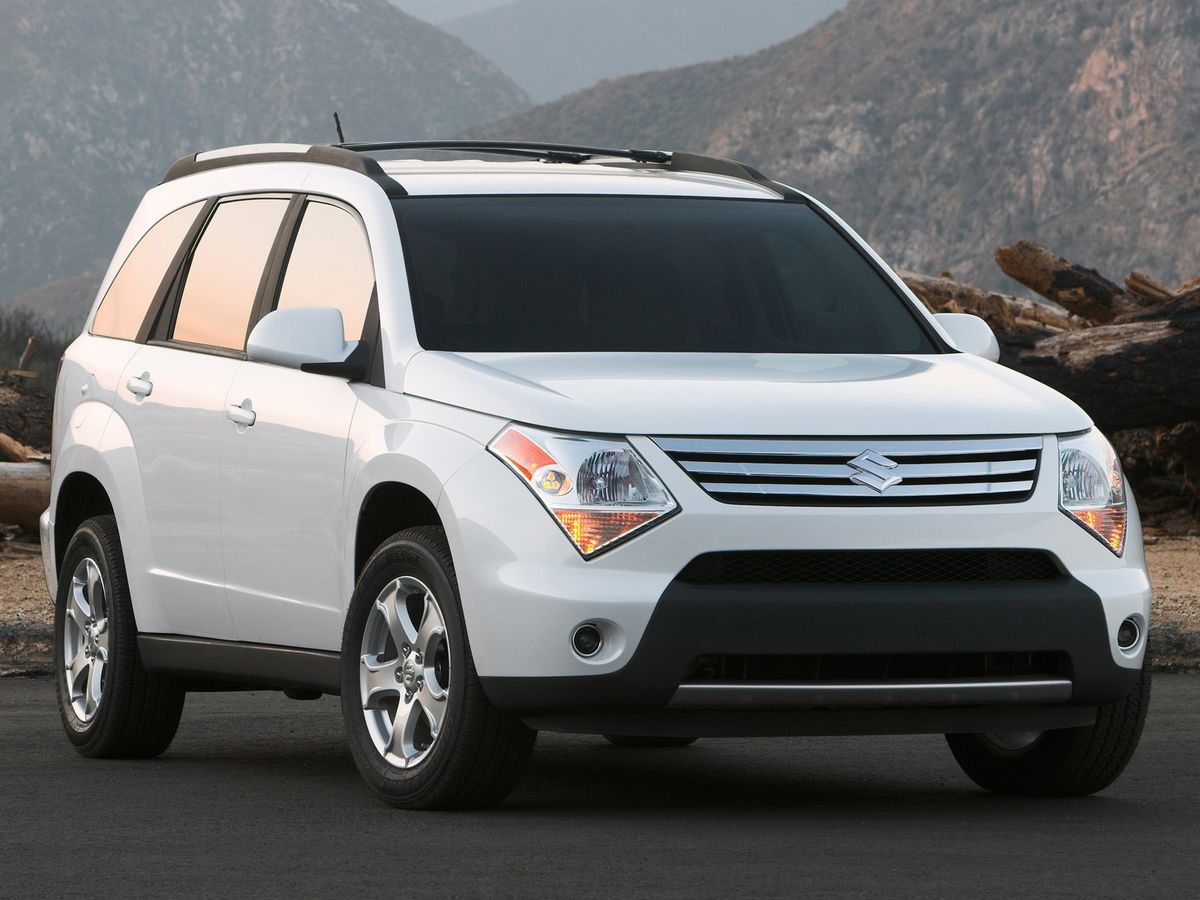
Suzuki XL7, second generation, factory photo
Suzuki XL7, second generation. Factory color shown.

Suzuki XL7 wrap colors and ideas

  • Suzuki XL7 black wrap
  • Suzuki XL7 white wrap
  • Suzuki XL7 gray wrap
  • Suzuki XL7 silver wrap
  • Suzuki XL7 red wrap
  • Suzuki XL7 blue wrap
  • Suzuki XL7 green wrap
  • Suzuki XL7 yellow wrap
  • Suzuki XL7 orange wrap
  • Suzuki XL7 purple wrap
  • Suzuki XL7 pink wrap
  • Suzuki XL7 teal wrap
  • Suzuki XL7 brown wrap
  • Suzuki XL7 gold wrap
  • Suzuki XL7 chrome wrap
  • Suzuki XL7 color shift wrap
  • Suzuki XL7 carbon fiber wrap
  • Suzuki XL7 camo and patterned wrap

How much vinyl to wrap a Suzuki XL7

Estimates from the body dimensions in the catalog, for a 1.52 m (60 in) roll.

YearsBodyLengthFilm to order
2006–2009SUV (5 doors)197.2 in (5,009 mm)about 66 ft (20 m) of 60-inch (1.52 m) cast film; chrome or patterned film: about 76 ft (23 m)
1998–2005SUV (5 doors)185.0 in (4,700 mm)about 62 ft (19 m) of 60-inch (1.52 m) cast film; chrome or patterned film: about 72 ft (22 m)

Suzuki XL7 wrap cost factors

Suzuki XL7 wrap cost depends mainly on the size of the vehicle and the film chosen, not on a fixed price. The second generation is longer and taller than the first, at 197.2 in (5,009 mm) and 68.9 in (1,750 mm), so it takes more labor than the 185.0 in (4,700 mm) first generation. The type of film also changes the cost: a standard cast film uses about 66 ft (20 m) on the second generation, while a chrome or patterned film uses about 76 ft (23 m). Additional work such as a roof wrap from a platform or removing door handles and badges adds time without changing the film area.
  • Film for a full wrap: about 66 ft (20 m) of 60-inch (1.52 m) cast film; chrome or patterned film: about 76 ft (23 m).
  • Body: SUV (5 doors).
  • A tailgate with the rear glass in it: the film ends at the edge of the glass.
  • A tall body (68.9 in (1,750 mm)): the roof is wrapped from a platform.

Suzuki XL7 wraps by generation

Swipe sideways. Tap a card for the full description.

Suzuki XL7, second generation, factory photo
Factory color shown

2006–2009 Suzuki XL7 SUV (second generation)

2006–2009SUV (5 doors)197.2 in (5,009 mm)

The second-generation Suzuki XL7 stands 68.9 in (1,750 mm) tall, so wrapping the roof takes more time and a safe platform. The installer works from a step or platform to reach the center of the roof and keep the film clean. The height also means the sides of the body are taller, so each door panel needs more vertical coverage than on a lower SUV. A full wrap on this body still uses about 66 ft (20 m) of 60-inch (1.52 m) cast film.

A tailgate with the rear glass in it: the film ends at the edge of the glass.

A tall body (68.9 in (1,750 mm)): the roof is wrapped from a platform.

Film: about 66 ft (20 m) of 60-inch (1.52 m) cast film; chrome or patterned film: about 76 ft (23 m).
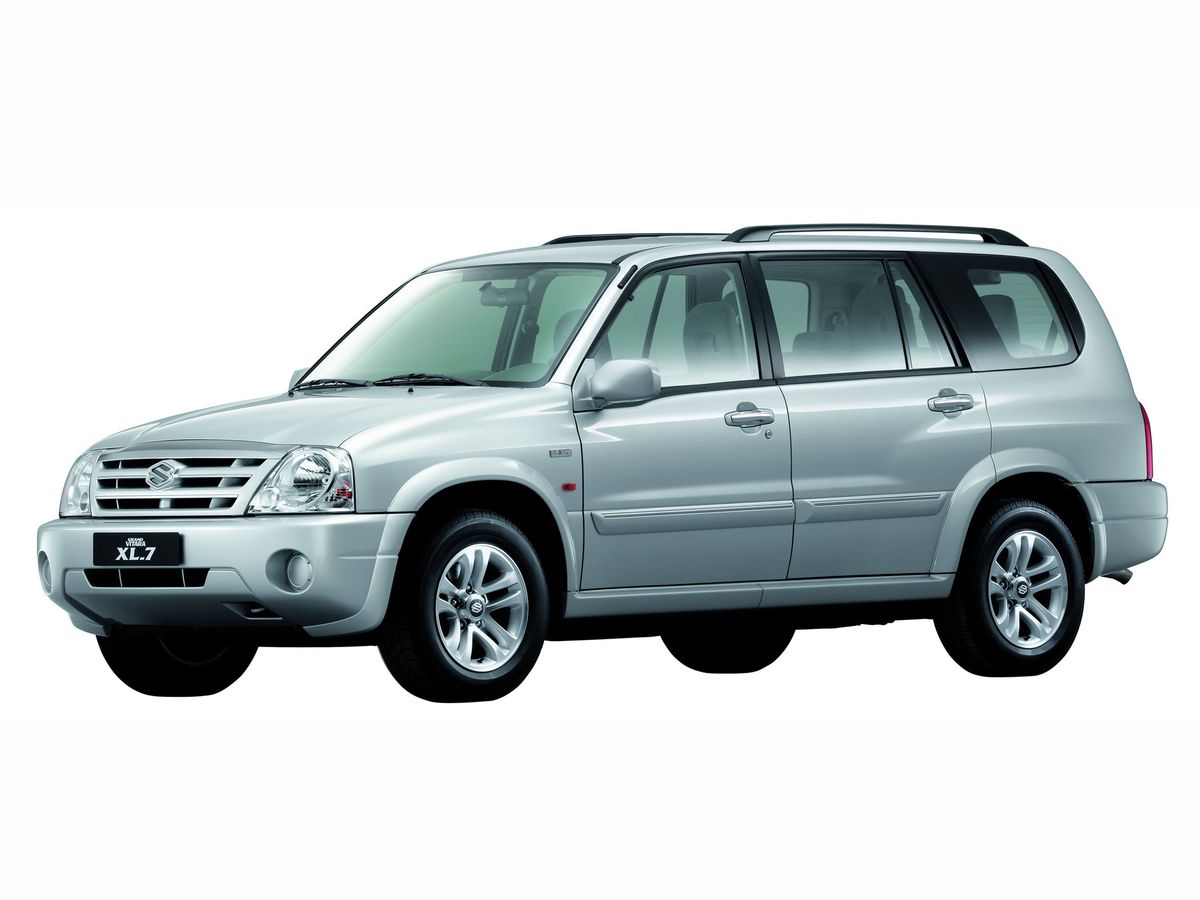
Suzuki XL7, first generation, factory photo
Factory color shown

1998–2005 Suzuki XL7 SUV (first generation)

1998–2005SUV (5 doors)185.0 in (4,700 mm)

The first-generation Suzuki XL7 was built from 1998 to 2005, so paint age is a key point before a full wrap. Some panels may have original paint that is thin or faded, while others may have been repainted, and film does not stick well to failing paint. The installer does a test spot on an inconspicuous area to check adhesion before the wrap begins. This body is 185.0 in (4,700 mm) long and takes about 62 ft (19 m) of 60-inch (1.52 m) cast film.

A tailgate with the rear glass in it: the film ends at the edge of the glass.

Film: about 62 ft (19 m) of 60-inch (1.52 m) cast film; chrome or patterned film: about 72 ft (22 m).

Roof, hood, chrome delete and PPF on a Suzuki XL7

A partial wrap on a Suzuki XL7 can cover the roof, hood, or mirror caps in a contrasting color without a full color change. Chrome delete covers the window trim and badges with black film, and it is a common way to change the look without large panels. Paint protection film (PPF) is a clear film applied to the front end to guard against stone chips on the bumper, hood and fenders. A chrome delete on this car focuses on the trim around the side windows and the tailgate badge.

  • Partial wrap: roof, hood, mirror caps.
  • Chrome delete: window trim and badges.
  • Paint protection film: clear film for the front end, which can also go over a wrap.

Wrapping a Suzuki XL7: body, cut-outs and film

A Suzuki XL7 vinyl wrap covers a five-door SUV body that is 197.2 in (5,009 mm) long on the second generation and 185.0 in (4,700 mm) on the first. The tall sides and large roof mean a full wrap uses more film than a small hatchback, and the installer works from a platform or step to reach the roof. The extra length of the second generation changes the amount of film by only a few feet, but it adds time to every horizontal panel. Both bodies are straightforward shapes for a wrap with no sharp creases in the doors or fenders.

Suzuki XL7 wrap ideas often start with a color change on the large body panels, but the tailgate needs a cut-out for the rear glass. On both generations the glass is set into the tailgate, so the film ends at the edge of the glass and the installer trims carefully around it. The second generation stands 68.9 in (1,750 mm) tall, so the roof is wrapped from a platform or step ladder for safe reach. Door handles, mirrors and badges are removed before the wrap and reinstalled after the film is laid.

How much vinyl to wrap a Suzuki XL7 depends on the generation, and the figures differ by about 4 ft (1 m). The second generation from 2006 to 2009 takes about 66 ft (20 m) of 60-inch (1.52 m) cast film, while the first generation from 1998 to 2005 takes about 62 ft (19 m). A chrome or patterned film needs about 76 ft (23 m) on the second generation and 72 ft (22 m) on the first because the pattern must be matched at the seams. Anyone counting film should measure the exact vehicle first, as roof racks and optional trim change the amount slightly.

Questions about wrapping a Suzuki XL7

How much vinyl does it take to wrap a Suzuki XL7?

About 66 ft (20 m) of 60-inch (1.52 m) cast film is needed to wrap the second-generation Suzuki XL7, the newest body covered on this page. That figure is for a full color change wrap with a standard cast film and includes normal waste from trimming. A chrome or patterned film needs about 76 ft (23 m) on the same body because the pattern must be matched at seams. The first-generation XL7 from 1998 to 2005 uses about 62 ft (19 m) for the same job.

Can I wrap only the hood or the roof of a Suzuki XL7?

Yes, you can wrap only the hood or the roof of a Suzuki XL7, and both are common partial wrap jobs. A roof wrap in a contrasting color covers the large flat panel above the doors, and on the second generation it is installed from a platform because the roof is 68.9 in (1,750 mm) high. A hood wrap protects the front panel or changes its color, and it needs no disassembly beyond the washer nozzles. Mirror caps can also be wrapped in a small amount of film for a subtle change.

Is a Suzuki XL7 hard to wrap?

The Suzuki XL7 is not especially hard to wrap, but the tall body and the tailgate glass add work. On the second generation the roof is high enough that the installer needs a platform or step ladder, and the body length of 197.2 in (5,009 mm) means long panels. The tailgate has the rear glass set into it, so the film must be cut around the glass edge on both generations. The first generation has an extra concern with paint age, because old or repainted panels may need a test spot before the wrap.

How many generations of the Suzuki XL7 does this page cover?

This page covers two generations of the Suzuki XL7: the first from 1998 to 2005 and the second from 2006 to 2009. The film estimates and panel notes are listed separately for each generation. The second generation is longer and taller, so it uses about 66 ft (20 m) of cast film, while the first uses about 62 ft (19 m).