Wraps by car

Land Rover Range Rover wrap

A Land Rover Range Rover wrap covers this five-generation luxury SUV in a full color change using vinyl wrap. The newest body, from 2022, takes about 76 ft (23 m) of 60-inch (1.52 m) cast film for a complete wrap. Chrome or patterned film jobs on that body use about 94 ft (28.5 m).

5generations23 mof film for a full wrap

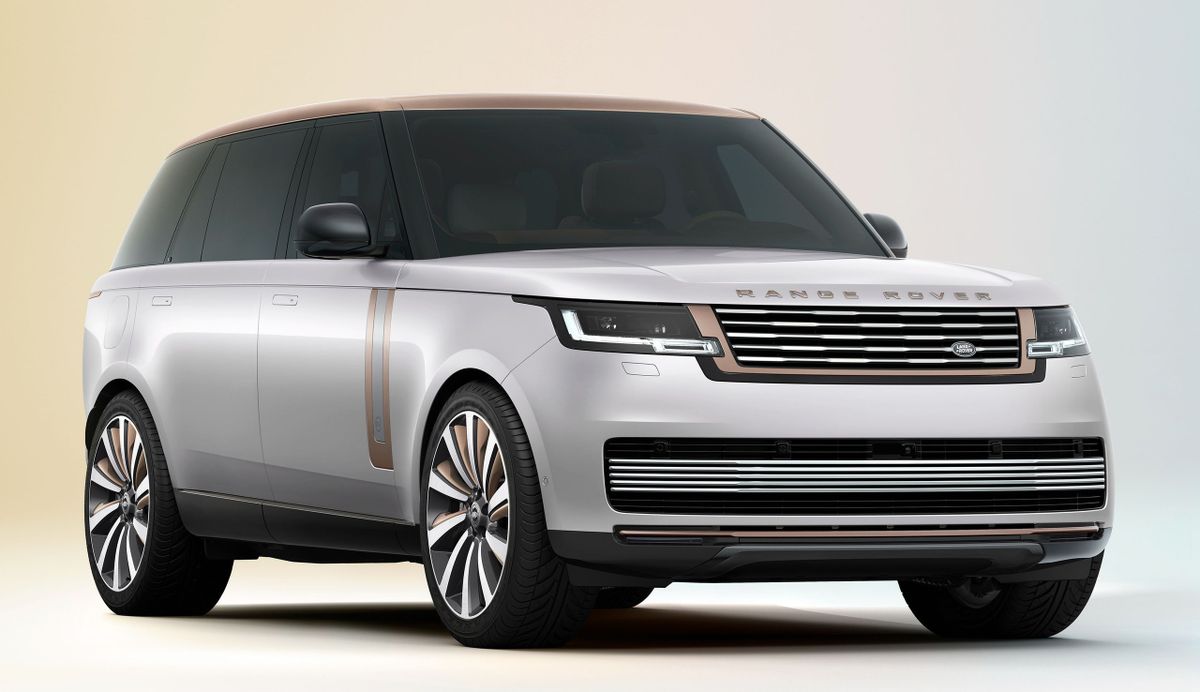
Land Rover Range Rover, fifth generation, factory photo
Land Rover Range Rover, fifth generation. Factory color shown.

Land Rover Range Rover wrap colors and ideas

  • Range Rover black wrap
  • Range Rover white wrap
  • Range Rover gray wrap
  • Range Rover silver wrap
  • Range Rover red wrap
  • Range Rover blue wrap
  • Range Rover green wrap
  • Range Rover yellow wrap
  • Range Rover orange wrap
  • Range Rover purple wrap
  • Range Rover pink wrap
  • Range Rover teal wrap
  • Range Rover brown wrap
  • Range Rover gold wrap
  • Range Rover chrome wrap
  • Range Rover color shift wrap
  • Range Rover carbon fiber wrap
  • Range Rover camo and patterned wrap

How much vinyl to wrap a Land Rover Range Rover

Estimates from the body dimensions in the catalog, for a 1.52 m (60 in) roll.

YearsBodyLengthFilm to order
2022–nowSUV (5 doors)198.9 in (5,052 mm) to 206.8 in (5,252 mm)about 76 ft (23 m) of 60-inch (1.52 m) cast film; chrome or patterned film: about 94 ft (28.5 m)
2012–2022SUV (3 or 5 doors)196.8 in (4,999 mm) to 204.7 in (5,200 mm)about 70 ft (21.5 m) of 60-inch (1.52 m) cast film; chrome or patterned film: about 89 ft (27 m)
2002–2013SUV (5 doors)194.9 in (4,950 mm) to 195.7 in (4,972 mm)about 67 ft (20.5 m) of 60-inch (1.52 m) cast film; chrome or patterned film: about 84 ft (25.5 m)
1994–2002SUV (5 doors)185.6 in (4,713 mm)about 62 ft (19 m) of 60-inch (1.52 m) cast film; chrome or patterned film: about 79 ft (24 m)
1970–1996SUV (3 or 5 doors)175.0 in (4,445 mm) to 175.2 in (4,449 mm)about 59 ft (18 m) of 60-inch (1.52 m) cast film; chrome or patterned film: about 76 ft (23 m)

Range Rover wrap cost factors

A Range Rover wrap cost is set by the size of the SUV, the number of cut-outs, and the film chosen. The fifth generation is up to 206.8 in (5,252 mm) long and 73.6 in (1,870 mm) tall, so it uses more film than older bodies. Chrome or patterned film raises the material amount to about 94 ft (28.5 m) on that body. The wrap also includes door handles, sensors, and roof work from a platform, all of which add labor.
  • Film for a full wrap: about 76 ft (23 m) of 60-inch (1.52 m) cast film; chrome or patterned film: about 94 ft (28.5 m).
  • Body: SUV (5 doors).
  • A tailgate with the rear glass in it: the film ends at the edge of the glass.
  • Some trims have a panoramic glass roof: glass is not wrapped, and the film ends at the roof rails.
  • Some trims have a sunroof: the roof film is cut around its opening.
  • Every trim has flush door handles: each handle is wrapped as a small piece of its own.
  • Every trim has parking sensors in the bumpers: the film is cut around each sensor.
  • Every trim has cameras in the body: the film is cut around each lens.
  • Some trims have fog lamps in the front bumper: cut-outs in the bumper film.
  • Some trims have a tow hitch: a cut-out in the rear bumper film.
  • Plug-in and electric versions: the charge port door is wrapped as a small piece of its own.
  • A tall body (73.6 in (1,870 mm)): the roof is wrapped from a platform.

Range Rover wraps by generation

Swipe sideways. Tap a card for the full description.

Land Rover Range Rover, fifth generation, factory photo
Factory color shown

2022–now Range Rover SUV (fifth generation)

2022–nowSUV (5 doors)198.9 in (5,052 mm) to 206.8 in (5,252 mm)

The fifth generation Land Rover Range Rover runs from 2022 and is the largest body in the catalog. On this model the glass roof is not wrapped, so the roof stays dark whatever the color of the film. Every trim has flush door handles and parking sensors that need separate film pieces and cut-outs. The body is 73.6 in (1,870 mm) tall, so the roof is wrapped from a platform.

A tailgate with the rear glass in it: the film ends at the edge of the glass.

Some trims have a panoramic glass roof: glass is not wrapped, and the film ends at the roof rails.

Some trims have a sunroof: the roof film is cut around its opening.

Every trim has flush door handles: each handle is wrapped as a small piece of its own.

Every trim has parking sensors in the bumpers: the film is cut around each sensor.

Every trim has cameras in the body: the film is cut around each lens.

Some trims have fog lamps in the front bumper: cut-outs in the bumper film.

Some trims have a tow hitch: a cut-out in the rear bumper film.

Plug-in and electric versions: the charge port door is wrapped as a small piece of its own.

A tall body (73.6 in (1,870 mm)): the roof is wrapped from a platform.

Film: about 76 ft (23 m) of 60-inch (1.52 m) cast film; chrome or patterned film: about 94 ft (28.5 m).

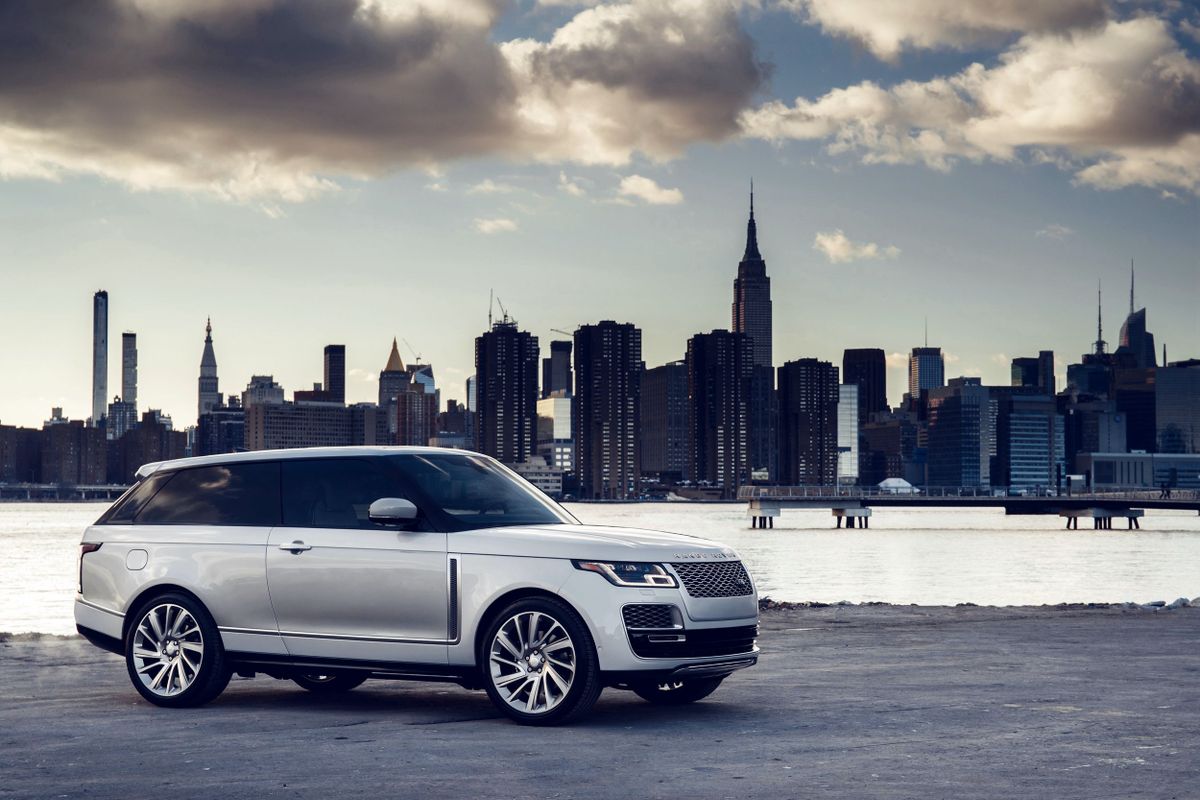
Land Rover Range Rover, fourth generation, factory photo
Factory color shown

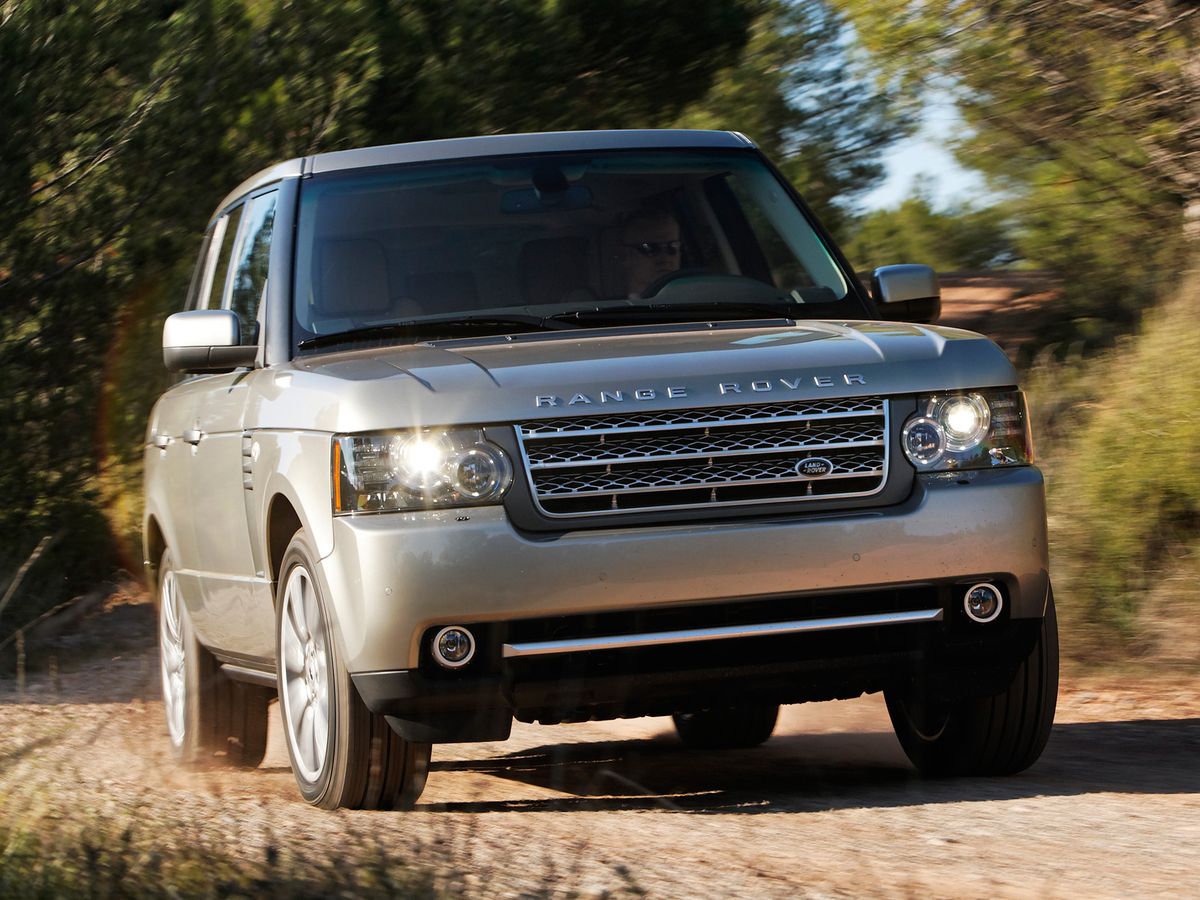
2012–2022 Range Rover SUV (fourth generation)

2012–2022SUV (3 or 5 doors)196.8 in (4,999 mm) to 204.7 in (5,200 mm)

The fourth generation Land Rover Range Rover was built from 2012 to 2022 and was restyled in 2017 and 2018. The restyling changed the bumpers and lights, so film cut for one version does not fit the other. Plug-in and electric versions have a charge port door that is wrapped as its own small piece. Some trims have a styling kit that adds more separate pieces to wrap.

A tailgate with the rear glass in it: the film ends at the edge of the glass.

Some trims have a panoramic glass roof: glass is not wrapped, and the film ends at the roof rails.

Some trims have a sunroof: the roof film is cut around its opening.

Some trims have a styling kit on the bumpers and sills: more separate pieces to wrap.

Some trims have bright decorative moldings: they stay bright next to the film unless a chrome delete covers them.

Every trim has parking sensors in the bumpers: the film is cut around each sensor.

Every trim has cameras in the body: the film is cut around each lens.

Every trim has fog lamps in the front bumper: cut-outs in the bumper film.

Some trims have a tow hitch: a cut-out in the rear bumper film.

Plug-in and electric versions: the charge port door is wrapped as a small piece of its own.

A tall body (73.6 in (1,869 mm)): the roof is wrapped from a platform.

Film: about 70 ft (21.5 m) of 60-inch (1.52 m) cast film; chrome or patterned film: about 89 ft (27 m).

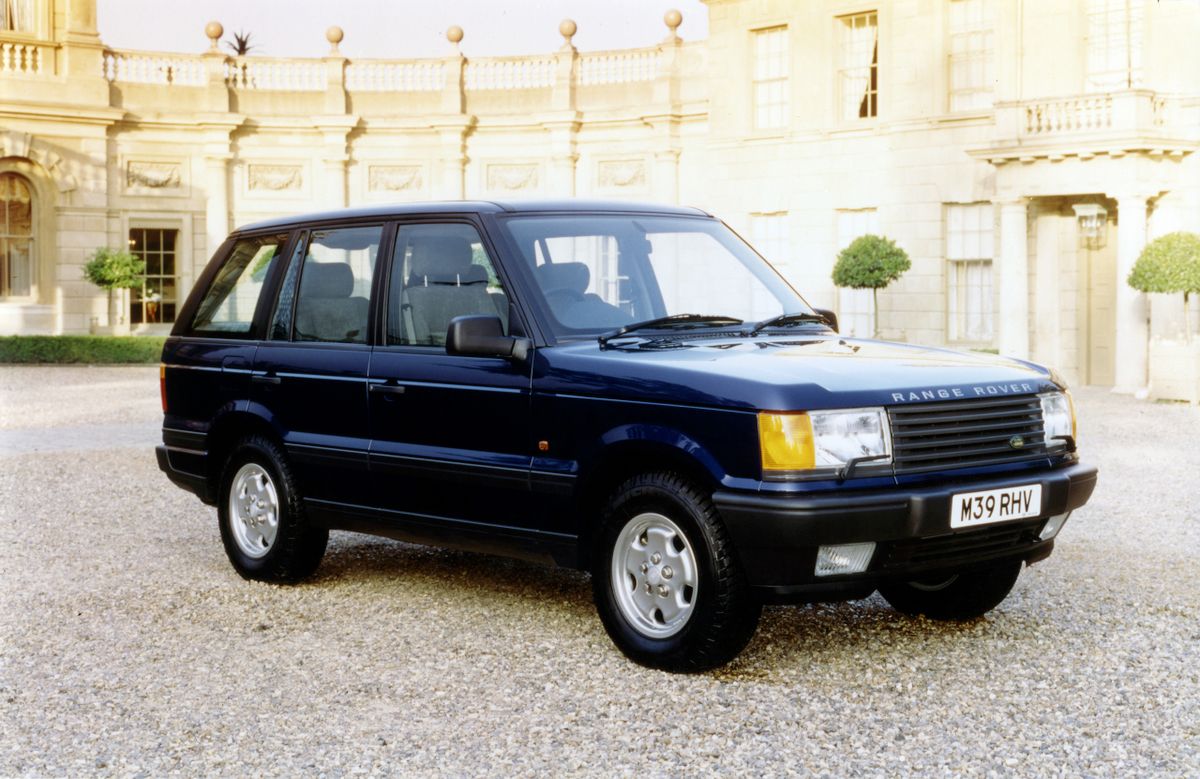
Land Rover Range Rover, third generation, factory photo
Factory color shown

2002–2013 Range Rover SUV (third generation)

2002–2013SUV (5 doors)194.9 in (4,950 mm) to 195.7 in (4,972 mm)

The third generation Land Rover Range Rover covers the years 2002 to 2013, and which cars this body covers can be confusing. Its years overlap with the newer body from 2012 to 2013, so the owner of a car from those years checks which body it is. This generation takes about 67 ft (20.5 m) of cast film for a full wrap. The body is 74.9 in (1,902 mm) tall, so the roof is wrapped from a platform.

A tailgate with the rear glass in it: the film ends at the edge of the glass.

Some trims have a sunroof: the roof film is cut around its opening.

Some trims have parking sensors in the bumpers: the film is cut around each sensor.

Some trims have cameras in the body: the film is cut around each lens.

Every trim has fog lamps in the front bumper: cut-outs in the bumper film.

A tall body (74.9 in (1,902 mm)): the roof is wrapped from a platform.

Film: about 67 ft (20.5 m) of 60-inch (1.52 m) cast film; chrome or patterned film: about 84 ft (25.5 m).

Land Rover Range Rover, second generation, factory photo
Factory color shown

1994–2002 Range Rover SUV (second generation)

1994–2002SUV (5 doors)185.6 in (4,713 mm)

The second generation Land Rover Range Rover was produced from 1994 to 2002 and is a shorter body. The height of the body means the roof is wrapped from a platform and takes more time. This generation measures 185.6 in (4,713 mm) long and takes about 62 ft (19 m) of cast film. The tailgate has the rear glass in it, so the film ends at the edge of the glass.

A tailgate with the rear glass in it: the film ends at the edge of the glass.

A tall body (71.5 in (1,817 mm)): the roof is wrapped from a platform.

Film: about 62 ft (19 m) of 60-inch (1.52 m) cast film; chrome or patterned film: about 79 ft (24 m).

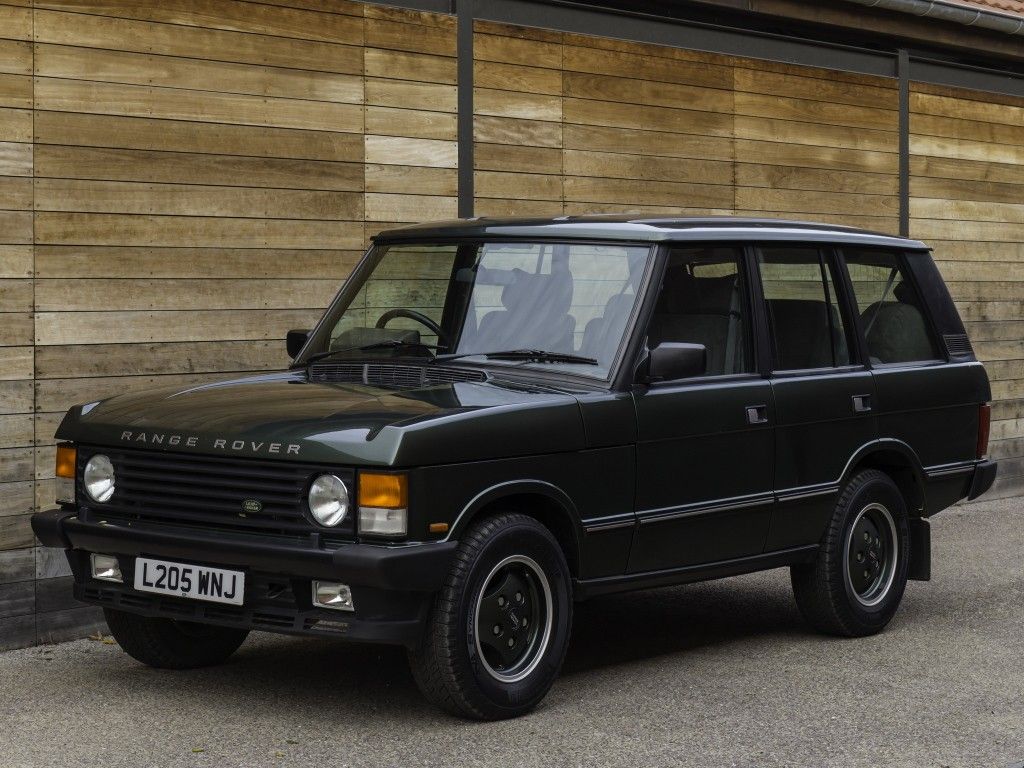
Land Rover Range Rover, first generation, factory photo
Factory color shown

1970–1996 Range Rover SUV (first generation)

1970–1996SUV (3 or 5 doors)175.0 in (4,445 mm) to 175.2 in (4,449 mm)

The first generation Land Rover Range Rover was sold from 1970 to 1996 and is the smallest body in the range. Paint age matters on a car of these years because panels may be original or repainted, and a test spot comes before a full wrap. This body is 175.0 in (4,445 mm) to 175.2 in (4,449 mm) long and takes about 59 ft (18 m) of cast film. The roof is wrapped from a platform because the body is 70.9 in (1,801 mm) tall.

A tailgate with the rear glass in it: the film ends at the edge of the glass.

A tall body (70.9 in (1,801 mm)): the roof is wrapped from a platform.

Film: about 59 ft (18 m) of 60-inch (1.52 m) cast film; chrome or patterned film: about 76 ft (23 m).

Roof, hood, chrome delete and PPF on a Range Rover

A partial wrap on a Land Rover Range Rover covers the hood, mirror caps, and roof on cars without the glass panel. A chrome delete covers the window trim and badges with black film. Paint protection film (PPF) is a clear film installed on the front end. These jobs use less film than a full wrap and are suited to owners who want to change one area.

  • Partial wrap: hood, mirror caps, roof on cars without the glass panel.
  • Chrome delete: window trim and badges.
  • Paint protection film: clear film on the front end, also over a wrap.

Wrapping a Land Rover Range Rover: body, cut-outs and film

Every Land Rover Range Rover vinyl wrap has to account for the tall SUV body and the long roof. The fifth generation measures 198.9 in (5,052 mm) to 206.8 in (2,525 mm) in length, and the body stands 73.6 in (1,870 mm) high. A full wrap covers the roof, the pillars, and the large side panels from the front bumper to the tailgate. The size of the Range Rover means the film is cut from wide rolls and installed in large sections.

Range Rover wrap ideas work best when the installer plans for the glass and sensors first. The tailgate has the rear glass in it, so the film ends at the edge of the glass before it wraps the rear bumper. Every trim has flush door handles that are wrapped as a small piece of their own, and parking sensors in the bumpers need a cut-out around each one. Some trims add a panoramic glass roof, which is not wrapped, or fog lamps that need cut-outs in the front bumper film.

How much vinyl to wrap a Range Rover depends on the generation and the length of the body. The first generation used about 59 ft (18 m) of cast film, while the second generation takes about 62 ft (19 m). The third generation needs about 67 ft (20.5 m), and the fourth generation about 70 ft (21.5 m). The current fifth generation is the longest and takes about 76 ft (23 m).

Questions about wrapping a Land Rover Range Rover

How much vinyl does it take to wrap a Land Rover Range Rover?

It takes about 76 ft (23 m) of 60-inch (1.52 m) cast film to wrap a Land Rover Range Rover of the newest body. For chrome or patterned film the amount is about 94 ft (28.5 m). The figure applies to the fifth generation, from 2022, and older bodies need slightly less.

Can the roof of a Range Rover be wrapped?

Yes, the roof of a Range Rover can be wrapped if it is not glass. On the fifth generation some trims have a panoramic glass roof, which is not wrapped, and the film ends at the roof rails. If the roof is metal, the installer wraps it from a platform because the body is 73.6 in (1,870 mm) tall.

Can I wrap only the hood or the roof of a Range Rover?

Yes, you can wrap only the hood or the roof of a Range Rover. A partial wrap includes the hood, mirror caps, and roof on cars without the glass panel. A chrome delete covers the window trim and badges. These smaller jobs use less film than a full wrap.

Is a Range Rover hard to wrap?

A Range Rover is hard to wrap because of its size, glass, and sensors. Every trim has flush door handles that need separate pieces, and parking sensors in the bumpers require cut-outs. The body is tall, so the roof is wrapped from a platform. The glass roof on some trims is not wrapped, and the film ends at the roof rails.