Wraps by car

Hyundai i40 wrap

The Hyundai i40 wrap is a vinyl wrap for a mid-size car with one generation in the catalog. The first generation spans 2011–2019 and was offered as a sedan and a wagon with four or five doors. A full wrap of the newest body uses about 57 ft (17.5 m) of 60-inch (1.52 m) cast film.

1generations17.5 mof film for a full wrap

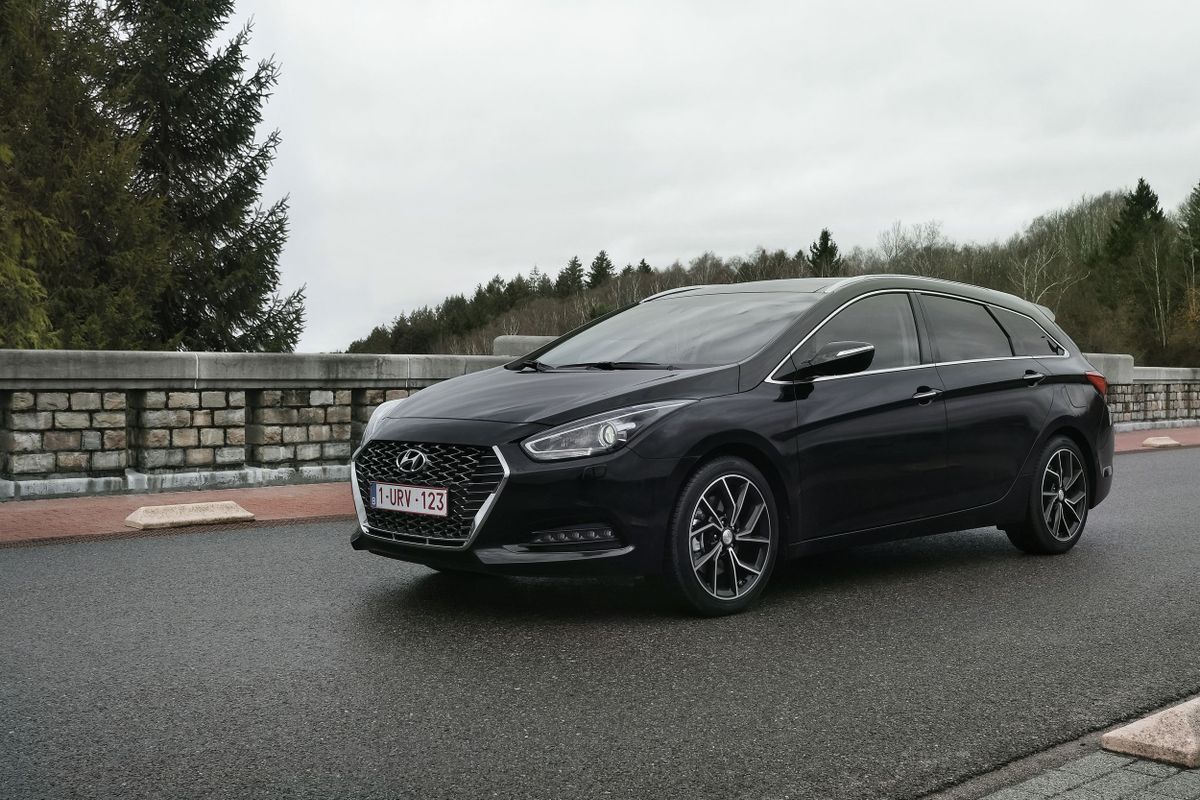
Hyundai i40, first generation, factory photo
Hyundai i40, first generation. Factory color shown.

Hyundai i40 wrap colors and ideas

  • Hyundai i40 black wrap
  • Hyundai i40 white wrap
  • Hyundai i40 gray wrap
  • Hyundai i40 silver wrap
  • Hyundai i40 red wrap
  • Hyundai i40 blue wrap
  • Hyundai i40 green wrap
  • Hyundai i40 yellow wrap
  • Hyundai i40 orange wrap
  • Hyundai i40 purple wrap
  • Hyundai i40 pink wrap
  • Hyundai i40 teal wrap
  • Hyundai i40 brown wrap
  • Hyundai i40 gold wrap
  • Hyundai i40 chrome wrap
  • Hyundai i40 color shift wrap
  • Hyundai i40 carbon fiber wrap
  • Hyundai i40 camo and patterned wrap

How much vinyl to wrap a Hyundai i40

Estimates from the body dimensions in the catalog, for a 1.52 m (60 in) roll.

YearsBodyLengthFilm to order
2011–2019sedan, wagon (4 or 5 doors)186.6 in (4,740 mm) to 188.0 in (4,775 mm)about 57 ft (17.5 m) of 60-inch (1.52 m) cast film; chrome or patterned film: about 67 ft (20.5 m)

Hyundai i40 wrap cost factors

Hyundai i40 wrap cost depends on the body style: the wagon has more paintable surface than the sedan. Cost changes with film type, such as solid color cast film or patterned film, and with extras like chrome delete or paint protection film. The number of cut-outs and removable parts on your trim also affects the labor needed.
  • Film for a full wrap: about 57 ft (17.5 m) of 60-inch (1.52 m) cast film; chrome or patterned film: about 67 ft (20.5 m).
  • Body: sedan, wagon (4 or 5 doors).
  • A tailgate with the rear glass in it: the film ends at the edge of the glass.
  • Some trims have a panoramic glass roof: glass is not wrapped, and the film ends at the roof rails.
  • Some trims have roof rails: they come off before the roof is wrapped, or the film is cut along them.
  • Some trims have parking sensors in the bumpers: the film is cut around each sensor.
  • Some trims have cameras in the body: the film is cut around each lens.
  • Some trims have fog lamps in the front bumper: cut-outs in the bumper film.
  • Restyled in 2015, 2018: bumpers and lights differ between the versions, and so do the film cuts.

Hyundai i40 wraps by generation

Swipe sideways. Tap a card for the full description.

Hyundai i40, first generation, factory photo
Factory color shown

2011–2019 Hyundai i40 sedan, wagon (first generation)

2011–2019sedan, wagon (4 or 5 doors)186.6 in (4,740 mm) to 188.0 in (4,775 mm)

The glass roof on some 2011–2019 Hyundai i40 trims is not wrapped, so the roof stays dark whatever the color of the film. Wrappers leave the glass panel uncovered and run the vinyl up to its edges. This saves a small amount of film but creates a clean two-tone look.

A tailgate with the rear glass in it: the film ends at the edge of the glass.

Some trims have a panoramic glass roof: glass is not wrapped, and the film ends at the roof rails.

Some trims have roof rails: they come off before the roof is wrapped, or the film is cut along them.

Some trims have parking sensors in the bumpers: the film is cut around each sensor.

Some trims have cameras in the body: the film is cut around each lens.

Some trims have fog lamps in the front bumper: cut-outs in the bumper film.

Film: about 57 ft (17.5 m) of 60-inch (1.52 m) cast film; chrome or patterned film: about 67 ft (20.5 m).

Roof, hood, chrome delete and PPF on a Hyundai i40

A partial wrap on a Hyundai i40 can cover the hood, mirror caps, or the roof on cars without the glass panel. Chrome delete covers the window trim and badges with black vinyl. Paint protection film (PPF) is a clear film applied to the front end to protect against stone chips.

  • Partial wrap: hood, mirror caps, roof on cars without the glass panel.
  • Chrome delete: window trim and badges.
  • Paint protection film: clear film on the front end, also over a wrap.

Wrapping a Hyundai i40: body, cut-outs and film

A Hyundai i40 vinyl wrap follows the mid-size sedan or wagon shape, measuring 186.6 in (4,740 mm) to 188.0 in (4,775 mm) long. Sedans have four doors and a trunk lid, while wagons have five doors and a longer roof. The extra rear side glass and tailgate on the wagon mean cutting more panels and using slightly more material.

Hyundai i40 wrap ideas start with the areas that need cut-outs or removal. Some trims have a panoramic glass roof, and glass is not wrapped, with film ending at the roof rails. Roof rails, parking sensors, cameras, and fog lamps on some trims require either removing the part or cutting the film around it.

To calculate how much vinyl to wrap a Hyundai i40, use the single generation's estimate. All 2011–2019 cars share the same body measurements, so the film estimate stays the same across the years. A wagon may take slightly more material than a sedan because of the larger rear panels.

Questions about wrapping a Hyundai i40

How much vinyl does it take to wrap a Hyundai i40?

It takes about 57 ft (17.5 m) of 60-inch (1.52 m) cast film to wrap a Hyundai i40. With chrome or patterned film, the estimate rises to about 67 ft (20.5 m). These figures apply to the newest body, which is the only generation in the catalog.

Can the roof of a Hyundai i40 be wrapped?

Yes, the roof of a Hyundai i40 can be wrapped if the car does not have a panoramic glass roof. On models with the glass panel, the roof is not wrapped and stays dark. The film ends at the glass edges or roof rails.

Which years of the Hyundai i40 take the same film cuts?

All years from 2011 to 2019 of the Hyundai i40 take the same film cuts. The first generation was restyled in 2015 and 2018, but those changes do not alter the wrap patterns. One set of templates covers the entire production run.

Which Hyundai i40 body takes more film?

The wagon takes more film than the sedan because it has a larger rear body area. The film estimate for both is close: a sedan uses about 57 ft (17.5 m) and a wagon may need slightly more. Exact usage depends on trim features like roof rails and sensors.