Wraps by car

Hyundai Trajet wrap

The Hyundai Trajet wrap is a vinyl wrap job on a single-generation minivan sold from 1999 to 2008. The Trajet has one body style: a five-door van with sliding rear doors. A full wrap of this body takes about 69 ft (21 m) of 60-inch (1.52 m) cast film. Chrome or patterned film requires about 80 ft (24.5 m).

1generations21 mof film for a full wrap

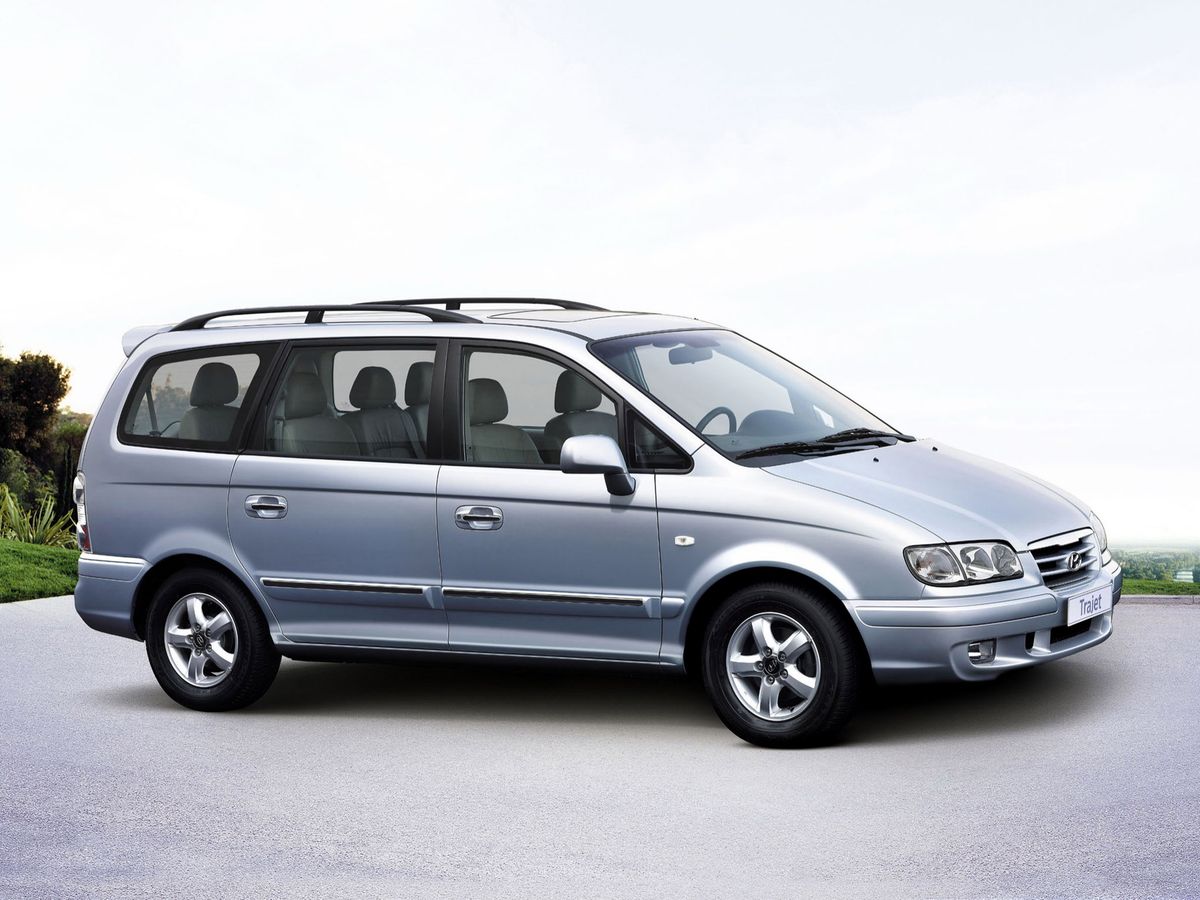
Hyundai Trajet, first generation, factory photo
Hyundai Trajet, first generation. Factory color shown.

Hyundai Trajet wrap colors and ideas

  • Trajet black wrap
  • Trajet white wrap
  • Trajet gray wrap
  • Trajet silver wrap
  • Trajet red wrap
  • Trajet blue wrap
  • Trajet green wrap
  • Trajet yellow wrap
  • Trajet orange wrap
  • Trajet purple wrap
  • Trajet pink wrap
  • Trajet teal wrap
  • Trajet brown wrap
  • Trajet gold wrap
  • Trajet chrome wrap
  • Trajet color shift wrap
  • Trajet carbon fiber wrap
  • Trajet camo and patterned wrap

How much vinyl to wrap a Hyundai Trajet

Estimates from the body dimensions in the catalog, for a 1.52 m (60 in) roll.

YearsBodyLengthFilm to order
1999–2008van (5 doors)184.8 in (4,695 mm) to 185.0 in (4,699 mm)about 69 ft (21 m) of 60-inch (1.52 m) cast film; chrome or patterned film: about 80 ft (24.5 m)

Trajet wrap cost factors

Trajet wrap cost depends on the size of the van: the body is 184.8 in (4,695 mm) to 185.0 in (4,699 mm) long and 69.3 in (1,760 mm) high, so a full wrap uses about 69 ft (21 m) of film. The sliding doors and roof rails add labor because the tracks stay bare and the rails come off. A color change wrap costs less in material than a chrome or patterned film, which needs about 80 ft (24.5 m). The condition of the paint and the number of cut-outs on the doors and hatch also affect the final cost.
  • Film for a full wrap: about 69 ft (21 m) of 60-inch (1.52 m) cast film; chrome or patterned film: about 80 ft (24.5 m).
  • Body: van (5 doors).
  • Sliding side doors: the door tracks stay bare, and the film is cut along them.
  • Some trims have roof rails: they come off before the roof is wrapped, or the film is cut along them.
  • A tall body (69.3 in (1,760 mm)): the roof is wrapped from a platform.
  • Restyled in 2004: bumpers and lights differ between the versions, and so do the film cuts.

Trajet wraps by generation

Swipe sideways. Tap a card for the full description.

Hyundai Trajet, first generation, factory photo
Factory color shown

1999–2008 Trajet van (first generation)

1999–2008van (5 doors)184.8 in (4,695 mm) to 185.0 in (4,699 mm)

The first generation Hyundai Trajet, sold from 1999 to 2008, has sliding side doors where the tracks stay bare and decide where the film is cut. The body was restyled in 2004, so the front and rear bumpers may differ slightly. The length is 184.8 in (4,695 mm) to 185.0 in (4,699 mm), and a full wrap takes about 69 ft (21 m) of 60-inch (1.52 m) cast film. Some trims have roof rails that come off before wrapping the roof.

Sliding side doors: the door tracks stay bare, and the film is cut along them.

Some trims have roof rails: they come off before the roof is wrapped, or the film is cut along them.

A tall body (69.3 in (1,760 mm)): the roof is wrapped from a platform.

Film: about 69 ft (21 m) of 60-inch (1.52 m) cast film; chrome or patterned film: about 80 ft (24.5 m).

Roof, hood, chrome delete and PPF on a Trajet

Partial wrap jobs on a Trajet include the roof, hood, and mirror caps in a contrasting film. A Trajet chrome delete covers the window trim and badges with black film to change the brightwork. Paint protection film (PPF) is a clear film applied to the front end to guard against stone chips. These smaller jobs use less film than a full wrap and can be done without removing the sliding doors.

  • Partial wrap: roof, hood, mirror caps.
  • Chrome delete: window trim and badges.
  • Paint protection film: clear film on the front end, also over a wrap.

Wrapping a Hyundai Trajet: body, cut-outs and film

The Hyundai Trajet vinyl wrap covers a tall van body that is 184.8 in (4,695 mm) to 185.0 in (4,699 mm) long and 69.3 in (1,760 mm) high. A tall roof and large side panels mean the installer works from a platform for the roof. The sliding door tracks stay bare and decide where the film is cut. The five-door shape is straightforward, but the rear hatch and side doors add seams.

Trajet wrap ideas begin with the sliding side doors, because the door tracks stay bare and the film is cut along them. Some trims have roof rails that come off before the roof is wrapped, or the film is cut along them. The tall body means the roof is wrapped from a platform. The door handles, mirrors, and badges need cut-outs, and the rear wiper and antenna are removed.

How much vinyl to wrap a Trajet depends on the body length, which is 184.8 in (4,695 mm) to 185.0 in (4,699 mm) across the generation. The Trajet was restyled in 2004, so earlier and later examples may have different bumper shapes. The film estimate is about 69 ft (21 m) of 60-inch (1.52 m) cast film for a full wrap. Chrome or patterned film raises the amount to about 80 ft (24.5 m).

Questions about wrapping a Hyundai Trajet

How much vinyl does it take to wrap a Hyundai Trajet?

It takes about 69 ft (21 m) of 60-inch (1.52 m) cast film to wrap a Hyundai Trajet. For chrome or patterned film, the amount is about 80 ft (24.5 m). These figures cover the full exterior of the five-door van body.

Are the sliding doors of a Trajet wrapped?

Yes, the sliding doors of a Trajet are wrapped, but the door tracks stay bare. The film is cut along the tracks so the doors can still slide freely. The installer works around the track edges for a clean finish.

Which years of the Trajet take the same film cuts?

All years of the Trajet from 1999 to 2008 take the same film cuts except for the 2004 restyling. The sliding door tracks and roof rails are the same, but the bumpers changed slightly in 2004. The body length is 184.8 in (4,695 mm) to 185.0 in (4,699 mm) for every year.

Can I wrap only the hood or the roof of a Trajet?

Yes, you can wrap only the hood or the roof of a Trajet. A partial wrap can include the roof, hood, and mirror caps. This uses less film than a full wrap and is a way to change the look without covering the whole van.