Wraps by car

Alfa Romeo 166 wrap

This page covers the Alfa Romeo 166 wrap for the single generation sold from 1998 to 2007. The full-size sedan takes about 52 ft (16 m) of 60-inch (1.52 m) cast film for a complete color change vinyl wrap. The 166 is a four-door sedan with a length of 185.8 in (4,720 mm).

1generations16 mof film for a full wrap

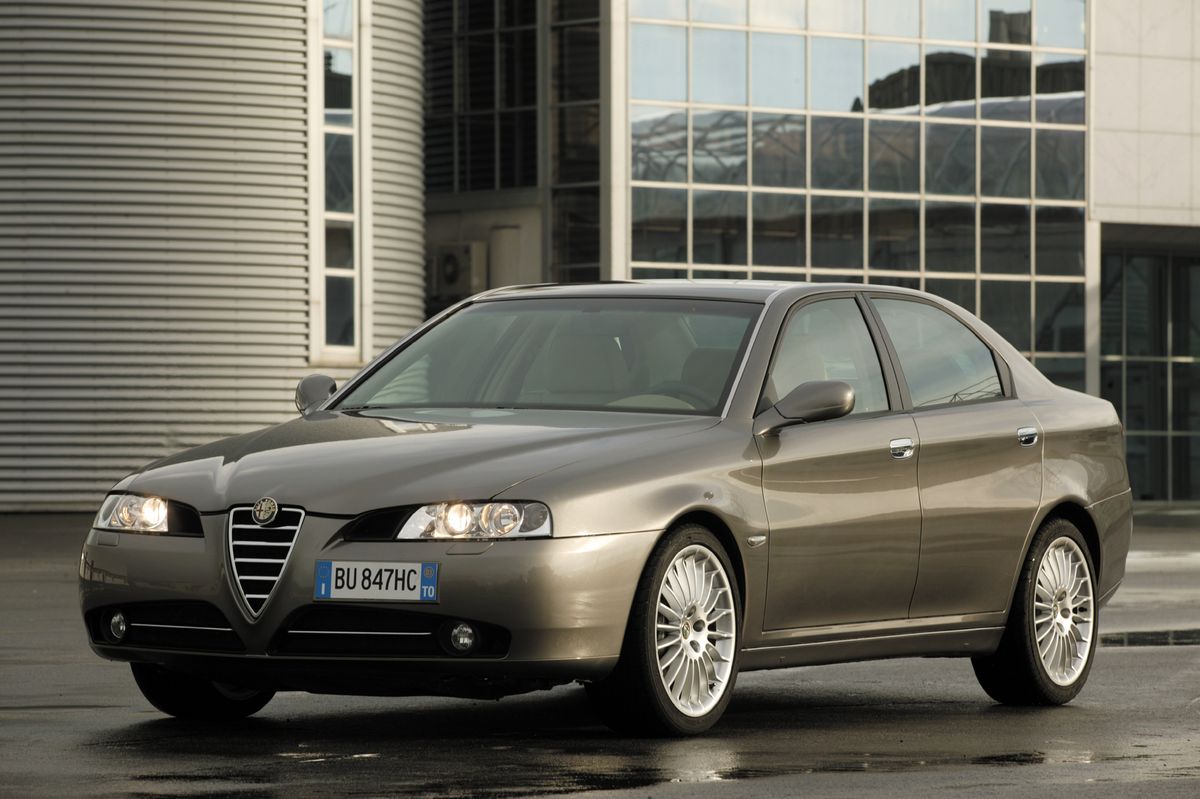
Alfa Romeo 166, first generation, factory photo
Alfa Romeo 166, first generation. Factory color shown.

Alfa Romeo 166 wrap colors and ideas

  • Alfa Romeo 166 black wrap
  • Alfa Romeo 166 white wrap
  • Alfa Romeo 166 gray wrap
  • Alfa Romeo 166 silver wrap
  • Alfa Romeo 166 red wrap
  • Alfa Romeo 166 blue wrap
  • Alfa Romeo 166 green wrap
  • Alfa Romeo 166 yellow wrap
  • Alfa Romeo 166 orange wrap
  • Alfa Romeo 166 purple wrap
  • Alfa Romeo 166 pink wrap
  • Alfa Romeo 166 teal wrap
  • Alfa Romeo 166 brown wrap
  • Alfa Romeo 166 gold wrap
  • Alfa Romeo 166 chrome wrap
  • Alfa Romeo 166 color shift wrap
  • Alfa Romeo 166 carbon fiber wrap
  • Alfa Romeo 166 camo and patterned wrap

How much vinyl to wrap an Alfa Romeo 166

Estimates from the body dimensions in the catalog, for a 1.52 m (60 in) roll.

YearsBodyLengthFilm to order
1998–2007sedan (4 doors)185.8 in (4,720 mm)about 52 ft (16 m) of 60-inch (1.52 m) cast film; chrome or patterned film: about 66 ft (20 m)

Alfa Romeo 166 wrap cost factors

The Alfa Romeo 166 wrap cost depends on the size of the car, the film chosen, and the amount of disassembly required. At 185.8 in (4,720 mm) long, the 166 is a full-size sedan, so it uses more film than a smaller car. A color change in a standard film takes about 52 ft (16 m), while a chrome or patterned film needs about 66 ft (20 m). If extra work is needed, such as wrapping door jambs or removing many parts, the cost increases.
  • Film for a full wrap: about 52 ft (16 m) of 60-inch (1.52 m) cast film; chrome or patterned film: about 66 ft (20 m).
  • Body: sedan (4 doors).
  • Restyled in 2003: bumpers and lights differ between the versions, and so do the film cuts.

Alfa Romeo 166 wraps by generation

Swipe sideways. Tap a card for the full description.

Alfa Romeo 166, first generation, factory photo
Factory color shown

1998–2007 Alfa Romeo 166 sedan (first generation)

1998–2007sedan (4 doors)185.8 in (4,720 mm)

The first generation Alfa Romeo 166 was produced from 1998 to 2007 as a four-door sedan. It received a restyling in 2003 that changed the front and rear bumpers and lights. Because of this, a wrap kit for a 1998–2002 car will not fit a 2003–2007 car without modification to the bumper pieces. The rest of the body panels are the same, so only the bumper film patterns differ between the two versions.

Film: about 52 ft (16 m) of 60-inch (1.52 m) cast film; chrome or patterned film: about 66 ft (20 m).

Roof, hood, chrome delete and PPF on an Alfa Romeo 166

A partial wrap on an Alfa Romeo 166 can cover the roof, hood, or mirror caps. A chrome delete covers bright trim such as window surrounds and badges with black film. Paint protection film (PPF) is a clear film applied to the front end to guard against stone chips. These smaller jobs use less vinyl than a full wrap and allow a custom look without covering the entire car.

  • Partial wrap: roof, hood, mirror caps.
  • Chrome delete: window trim and badges.
  • Paint protection film: clear film on the front end, also over a wrap.

Wrapping an Alfa Romeo 166: body, cut-outs and film

An Alfa Romeo 166 vinyl wrap involves covering the sedan’s four doors, hood, roof, trunk and both bumpers. The car is 185.8 in (4,720 mm) long, so a full wrap needs about 52 ft (16 m) of film. The body has large, relatively flat panels, which makes installation more straightforward than on many compact cars. The 2003 restyling changed the front and rear bumpers, so film patterns differ between early and late cars.

The Alfa Romeo 166 wrap ideas often include accent colors on the roof, hood, or mirror caps. When wrapping the car, door handles, badges, and trim pieces are removed for a clean finish. The front bumper has several openings and fog light recesses that require careful cutting and trimming. The rear bumper also has cutouts for parking sensors on some trims, so extra time is needed to wrap around them cleanly.

How much vinyl to wrap an Alfa Romeo 166 depends on the production year because of the 2003 restyling. The bumpers and lights changed, so film cut for a pre-2003 car does not fit a later one and vice versa. Other body panels remained the same, so only bumper patterns differ between the two versions. Anyone counting film should order the same total amount for either version, but the bumper kits must match the year.

Questions about wrapping an Alfa Romeo 166

How much vinyl does it take to wrap an Alfa Romeo 166?

A full wrap of an Alfa Romeo 166 takes about 52 ft (16 m) of 60-inch (1.52 m) cast film. This estimate covers the entire exterior of the four-door sedan. If you choose a chrome or patterned film, you need about 66 ft (20 m) because of pattern matching and extra waste. The car is 185.8 in (4,720 mm) long, which is typical for a full-size sedan.

Which years of the Alfa Romeo 166 take the same film cuts?

The 1998–2002 and 2003–2007 Alfa Romeo 166 models take different film cuts for the bumpers. The 2003 restyling changed the front and rear bumpers and lights, so those pieces are not interchangeable. The rest of the body, including the doors, hood, roof, and trunk, remained the same. If you order a pre-cut kit, make sure it matches the production year of your car.

Can I wrap only the hood or the roof of an Alfa Romeo 166?

Yes, you can wrap only the hood or the roof of an Alfa Romeo 166. A partial wrap can cover the roof, hood, or mirror caps. This is a good option if you want a different color on those panels without a full wrap. The hood and roof are large, flat areas that are relatively easy to wrap.

Is an Alfa Romeo 166 hard to wrap?

An Alfa Romeo 166 is moderately difficult to wrap because of its size and some trim details. The car is 185.8 in (4,720 mm) long, so large panels require careful handling. The front and rear bumpers have recesses and openings that add time. However, the body has few sharp curves, and the doors and fenders are straightforward, so an experienced installer can manage it well.