Wraps by car

Aston Martin DBS wrap

The Aston Martin DBS wrap page covers the 1967–1972 first generation, the 2007–2012 second generation, and the 2018–now third generation. A full vinyl wrap of the newest convertible takes about 51 ft (15.5 m) of 60-inch (1.52 m) cast film. The coupe of the same generation needs about 52 ft (16 m).

3generations16 mof film for a full wrap

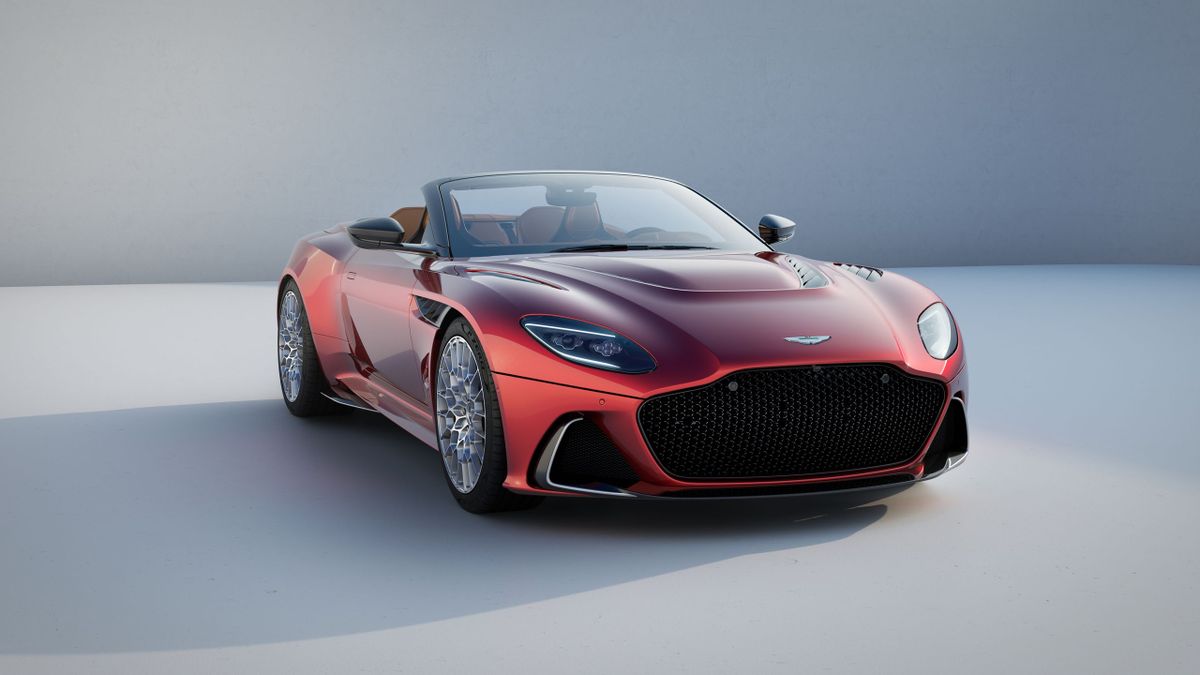
Aston Martin DBS, third generation, factory photo
Aston Martin DBS, third generation. Factory color shown.

Aston Martin DBS wrap colors and ideas

  • Aston Martin DBS black wrap
  • Aston Martin DBS white wrap
  • Aston Martin DBS gray wrap
  • Aston Martin DBS silver wrap
  • Aston Martin DBS red wrap
  • Aston Martin DBS blue wrap
  • Aston Martin DBS green wrap
  • Aston Martin DBS yellow wrap
  • Aston Martin DBS orange wrap
  • Aston Martin DBS purple wrap
  • Aston Martin DBS pink wrap
  • Aston Martin DBS teal wrap
  • Aston Martin DBS brown wrap
  • Aston Martin DBS gold wrap
  • Aston Martin DBS chrome wrap
  • Aston Martin DBS color shift wrap
  • Aston Martin DBS carbon fiber wrap
  • Aston Martin DBS camo and patterned wrap

How much vinyl to wrap an Aston Martin DBS

Estimates from the body dimensions in the catalog, for a 1.52 m (60 in) roll.

YearsBodyLengthFilm to order
2018–nowconvertible, coupe (2 doors)185.5 in (4,712 mm)about 51 ft (15.5 m) for the convertible to 52 ft (16 m) for the coupe, 60-inch (1.52 m) cast film; chrome or patterned film: up to about 59 ft (18 m)
2007–2012convertible, coupe (2 doors)185.8 in (4,720 mm)about 49 ft (15 m) for the convertible to 52 ft (16 m) for the coupe, 60-inch (1.52 m) cast film; chrome or patterned film: up to about 59 ft (18 m)
1967–1972coupe (2 doors)180.5 in (4,585 mm)about 51 ft (15.5 m) of 60-inch (1.52 m) cast film; chrome or patterned film: about 57 ft (17.5 m)

Aston Martin DBS wrap cost factors

The Aston Martin DBS wrap cost is set by the film amount, the body style, and the extra work on details. The full wrap requires about 49 to 52 ft (15 to 16 m) of cast film depending on the generation and body style. Chrome or patterned film raises the amount needed to about 57 to 59 ft (17.5 to 18 m). Cut-outs around parking sensors and cameras add labor time on every trim.
  • Film for a full wrap: about 51 ft (15.5 m) for the convertible to 52 ft (16 m) for the coupe, 60-inch (1.52 m) cast film; chrome or patterned film: up to about 59 ft (18 m).
  • Body: convertible, coupe (2 doors).
  • Convertible body: a fabric top is not wrapped and the film ends where it begins; a folding hard top is wrapped as panels of its own.
  • Two long side doors: each door is one large piece of film.
  • Every trim has parking sensors in the bumpers: the film is cut around each sensor.
  • Some trims have cameras in the body: the film is cut around each lens.

Aston Martin DBS wraps by generation

Swipe sideways. Tap a card for the full description.

Aston Martin DBS, third generation, factory photo
Factory color shown

2018–now Aston Martin DBS convertible, coupe (third generation)

2018–nowconvertible, coupe (2 doors)185.5 in (4,712 mm)

The fabric top of the third-generation convertible is not wrapped. The film ends where the top begins, following the line of the roof opening. The body panels below that line, including the doors and bumpers, are wrapped normally.

Convertible body: a fabric top is not wrapped and the film ends where it begins; a folding hard top is wrapped as panels of its own.

Two long side doors: each door is one large piece of film.

Every trim has parking sensors in the bumpers: the film is cut around each sensor.

Some trims have cameras in the body: the film is cut around each lens.

Film: about 51 ft (15.5 m) for the convertible to 52 ft (16 m) for the coupe, 60-inch (1.52 m) cast film; chrome or patterned film: up to about 59 ft (18 m).

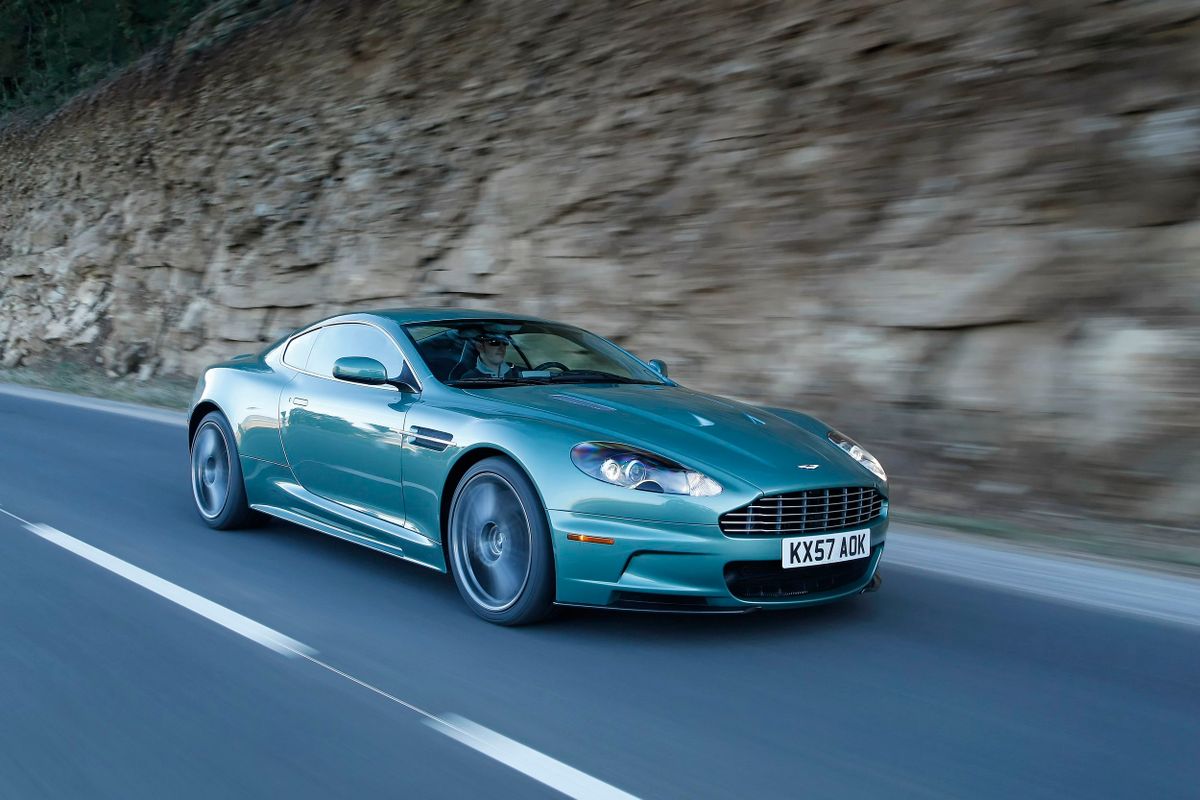
Aston Martin DBS, second generation, factory photo
Factory color shown

2007–2012 Aston Martin DBS convertible, coupe (second generation)

2007–2012convertible, coupe (2 doors)185.8 in (4,720 mm)

The coupe and convertible bodies of the second generation use different panel plans and film amounts. The convertible takes about 49 ft (15 m) of 60-inch (1.52 m) cast film, while the coupe takes about 52 ft (16 m). The convertible's fabric top is left unwrapped and the film ends at its edge. The coupe's roof is wrapped with the rest of the body.

Convertible body: a fabric top is not wrapped and the film ends where it begins; a folding hard top is wrapped as panels of its own.

Two long side doors: each door is one large piece of film.

Every trim has parking sensors in the bumpers: the film is cut around each sensor.

Film: about 49 ft (15 m) for the convertible to 52 ft (16 m) for the coupe, 60-inch (1.52 m) cast film; chrome or patterned film: up to about 59 ft (18 m).

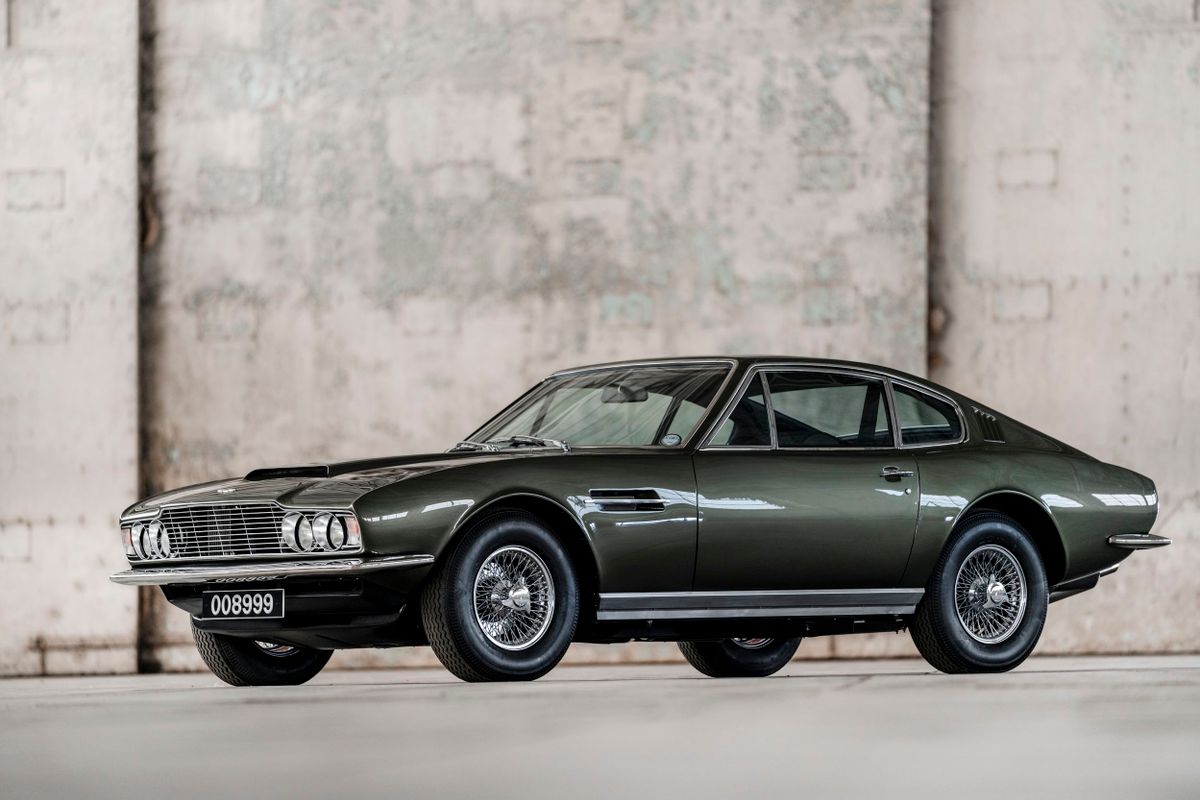
Aston Martin DBS, first generation, factory photo
Factory color shown

1967–1972 Aston Martin DBS coupe (first generation)

1967–1972coupe (2 doors)180.5 in (4,585 mm)

The first-generation DBS from 1967–1972 may have original or repainted panels. Paint condition varies on a car of this age, so a test adhesion spot should be done before a full wrap. The coupe body takes about 51 ft (15.5 m) of 60-inch (1.52 m) cast film. Wrapping over old paint requires careful surface preparation.

Two long side doors: each door is one large piece of film.

Film: about 51 ft (15.5 m) of 60-inch (1.52 m) cast film; chrome or patterned film: about 57 ft (17.5 m).

Roof, hood, chrome delete and PPF on an Aston Martin DBS

You can choose an Aston Martin DBS chrome delete or a smaller partial wrap instead of the full body. A partial wrap covers the roof, hood, and mirror caps. Chrome delete covers the window trim and badges with black film. Paint protection film (PPF) is another option, clear film applied to the front end.

  • Partial wrap: roof, hood, mirror caps.
  • Chrome delete: window trim and badges.
  • Paint protection film: clear film on the front end, also over a wrap.

Wrapping an Aston Martin DBS: body, cut-outs and film

The Aston Martin DBS vinyl wrap is planned around two body styles and the length of each generation. The third generation measures 185.5 in (4,712 mm), the second 185.8 in (4,720 mm), and the first 180.5 in (4,585 mm). The coupe and convertible are both two-door cars, so the doors are long and each one is wrapped as a single piece. A professional installer divides the body into panels to match the film size and the car's curves.

Aston Martin DBS wrap ideas start with the details that need special attention. Every trim has parking sensors in the bumpers, and the film is cut around each sensor. Some trims have cameras in the body, and the film is cut around each lens. The long side doors are wrapped with one large piece of film per door.

How much vinyl to wrap an Aston Martin DBS depends on the generation and body style. The third-generation convertible needs about 51 ft (15.5 m) and the coupe about 52 ft (16 m) of 60-inch (1.52 m) cast film. The second generation ranges from about 49 ft (15 m) for the convertible to 52 ft (16 m) for the coupe. The first-generation coupe takes about 51 ft (15.5 m) of the same film.

Questions about wrapping an Aston Martin DBS

How much vinyl does it take to wrap an Aston Martin DBS?

The third-generation Aston Martin DBS takes about 51 ft (15.5 m) of 60-inch (1.52 m) cast film for the convertible and 52 ft (16 m) for the coupe. Chrome or patterned film can raise the amount to about 59 ft (18 m).

Is the top of an Aston Martin DBS wrapped?

No, the fabric top of the convertible is not wrapped. The film ends where the top begins on the body. The coupe roof is wrapped as part of the normal body panels.

Which Aston Martin DBS body takes more film?

The coupe takes more film than the convertible in the third generation: 52 ft (16 m) versus 51 ft (15.5 m). In the second generation, the coupe also takes more: 52 ft (16 m) versus 49 ft (15 m).

Can I wrap only the hood or the roof of an Aston Martin DBS?

Yes, a partial wrap can cover just the hood, the roof, or the mirror caps. Chrome delete is also available for the window trim and badges. Paint protection film (PPF) can be applied to the front end only.