Wraps by car

Kia Pride wrap

The Kia Pride wrap guide covers three generations of this subcompact car. A vinyl wrap on the newest Pride body takes about 48 ft (14.5 m) of film for the hatchback. The sedan uses about 54 ft (16.5 m) of 60-inch (1.52 m) cast film. The earliest Pride needs slightly less film than the later cars.

3generations16.5 mof film for a full wrap

Kia Pride, third generation, factory photo
Kia Pride, third generation. Factory color shown.

Kia Pride wrap colors and ideas

  • Pride black wrap
  • Pride white wrap
  • Pride gray wrap
  • Pride silver wrap
  • Pride red wrap
  • Pride blue wrap
  • Pride green wrap
  • Pride yellow wrap
  • Pride orange wrap
  • Pride purple wrap
  • Pride pink wrap
  • Pride teal wrap
  • Pride brown wrap
  • Pride gold wrap
  • Pride chrome wrap
  • Pride color shift wrap
  • Pride carbon fiber wrap
  • Pride camo and patterned wrap

How much vinyl to wrap a Kia Pride

Estimates from the body dimensions in the catalog, for a 1.52 m (60 in) roll.

YearsBodyLengthFilm to order
2011–2017hatchback, sedan (3 or 4 or 5 doors)159.3 in (4,045 mm) to 171.9 in (4,365 mm)about 48 ft (14.5 m) for the hatchback to 54 ft (16.5 m) for the sedan, 60-inch (1.52 m) cast film; chrome or patterned film: up to about 62 ft (19 m)
2005–2011hatchback, sedan (4 or 5 doors)157.1 in (3,990 mm) to 166.9 in (4,240 mm)about 51 ft (15.5 m) for the hatchback to 52 ft (16 m) for the sedan, 60-inch (1.52 m) cast film; chrome or patterned film: up to about 61 ft (18.5 m)
1987–2000hatchback, wagon (3 or 5 doors)140.4 in (3,565 mm) to 155.1 in (3,940 mm)about 43 ft (13 m) for the hatchback to 48 ft (14.5 m) for the wagon, 60-inch (1.52 m) cast film; chrome or patterned film: up to about 61 ft (18.5 m)

Pride wrap cost factors

Pride wrap cost is driven by the amount of film, the body style, and the condition of the paint. The third generation sedan uses about 54 ft (16.5 m) of film, while the first generation hatchback uses about 43 ft (13 m). A car with original paint from 1987–2000 may need more prep work before the film goes on. The number of cut-outs on the tailgate and the choice of chrome or patterned film also change the labor.
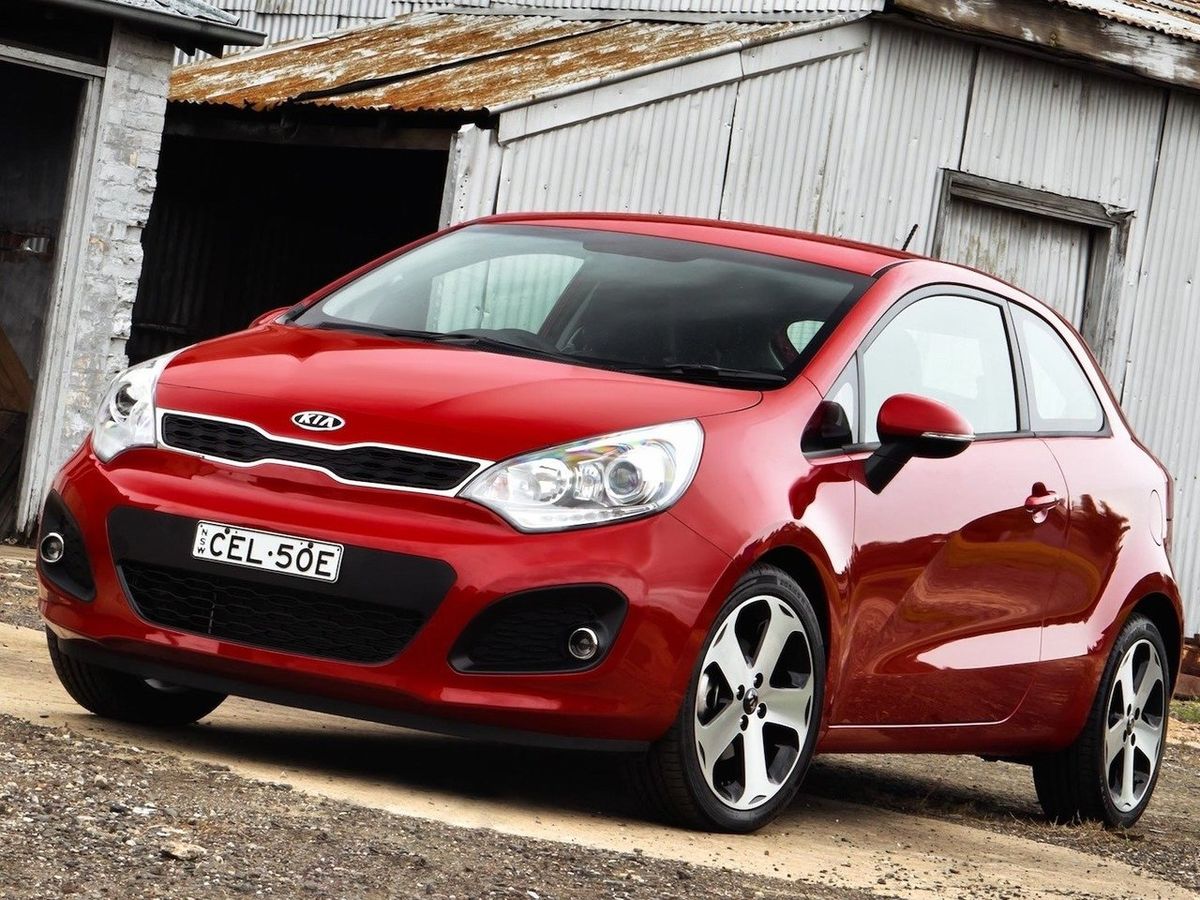
  • Film for a full wrap: about 48 ft (14.5 m) for the hatchback to 54 ft (16.5 m) for the sedan, 60-inch (1.52 m) cast film; chrome or patterned film: up to about 62 ft (19 m).
  • Body: hatchback, sedan (3 or 4 or 5 doors).
  • A tailgate with the rear glass in it: the film ends at the edge of the glass.

Pride wraps by generation

Swipe sideways. Tap a card for the full description.

Kia Pride, third generation, factory photo
Factory color shown

2011–2017 Pride hatchback, sedan (third generation)

2011–2017hatchback, sedan (3 or 4 or 5 doors)159.3 in (4,045 mm) to 171.9 in (4,365 mm)

The third generation Kia Pride comes as a hatchback or a sedan in three, four, or five doors. The hatchback uses about 48 ft (14.5 m) of 60-inch (1.52 m) cast film, while the sedan uses about 54 ft (16.5 m). The sedan's extra length comes from the separate trunk, which adds two more panels to the wrap. The panel plan for the hatchback is simpler because the tailgate is one large piece.

A tailgate with the rear glass in it: the film ends at the edge of the glass.

Film: about 48 ft (14.5 m) for the hatchback to 54 ft (16.5 m) for the sedan, 60-inch (1.52 m) cast film; chrome or patterned film: up to about 62 ft (19 m).

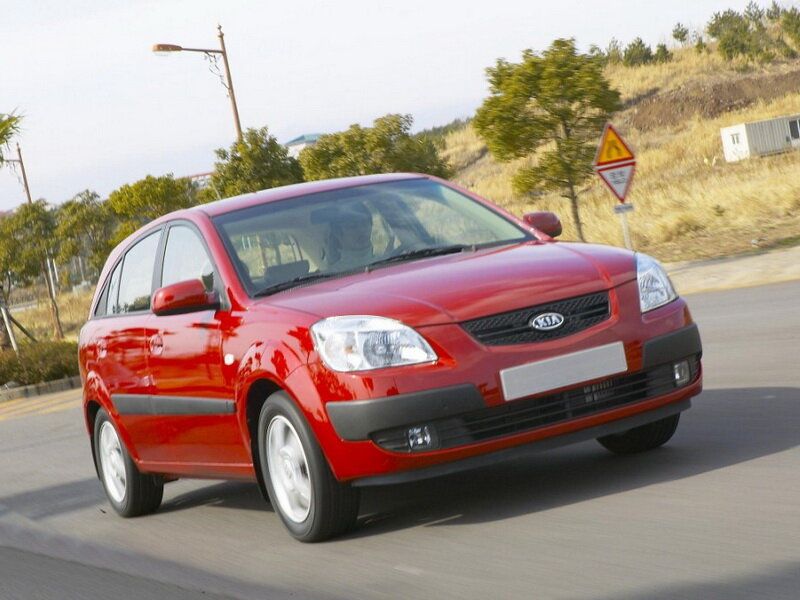
Kia Pride, second generation, factory photo
Factory color shown

2005–2011 Pride hatchback, sedan (second generation)

2005–2011hatchback, sedan (4 or 5 doors)157.1 in (3,990 mm) to 166.9 in (4,240 mm)

The second generation Kia Pride was built from 2005 to 2011, so the paint may be original or repainted. A test spot on the panel before a full wrap shows whether the film will lift old clear coat. The hatchback uses about 51 ft (15.5 m) of 60-inch (1.52 m) cast film, and the sedan uses about 52 ft (16 m). Older paint often needs a deep clean and clay bar treatment before the vinyl goes down.

A tailgate with the rear glass in it: the film ends at the edge of the glass.

Film: about 51 ft (15.5 m) for the hatchback to 52 ft (16 m) for the sedan, 60-inch (1.52 m) cast film; chrome or patterned film: up to about 61 ft (18.5 m).

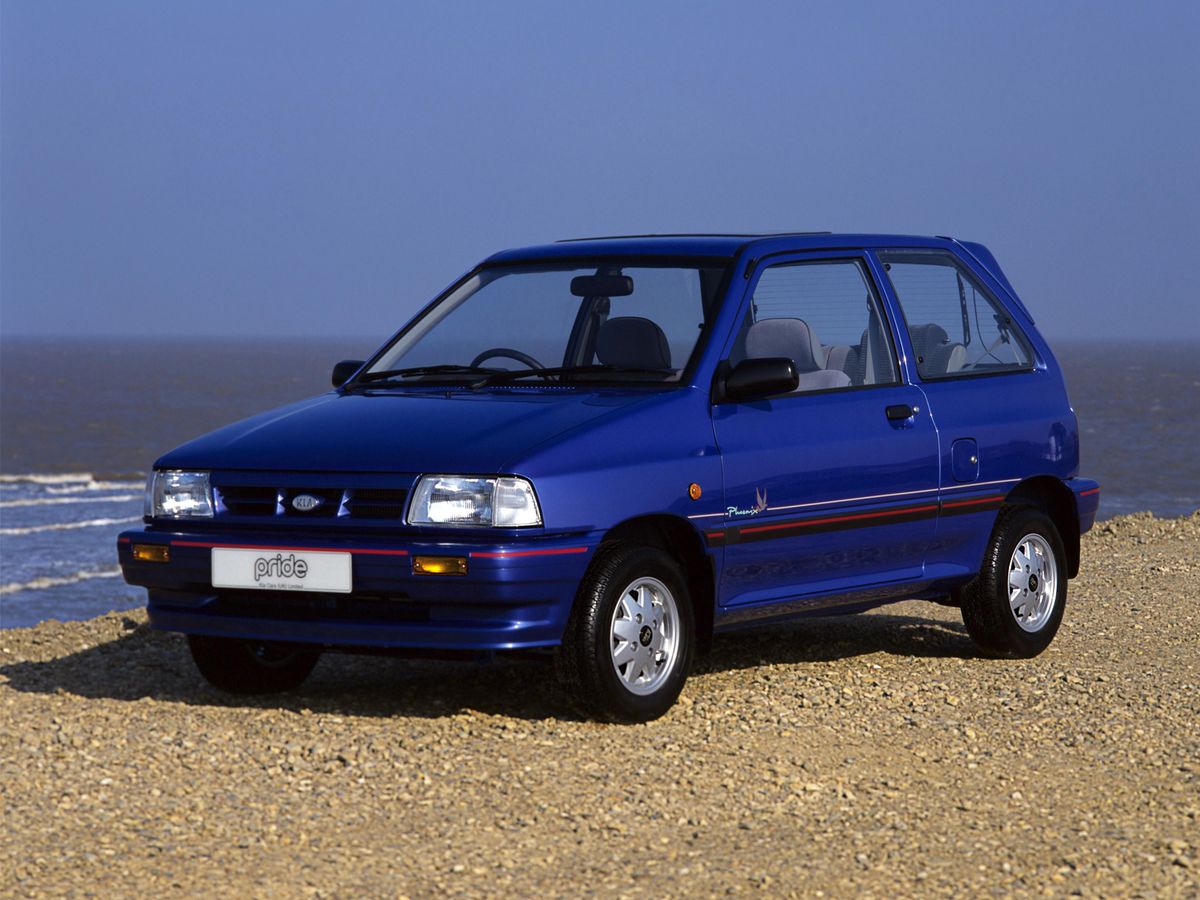
Kia Pride, first generation, factory photo
Factory color shown

1987–2000 Pride hatchback, wagon (first generation)

1987–2000hatchback, wagon (3 or 5 doors)140.4 in (3,565 mm) to 155.1 in (3,940 mm)

The first generation Kia Pride is the smallest of the three, with a hatchback or wagon body. The hatchback length is 140.4 in (3,565 mm), and the wagon is 155.1 in (3,940 mm). The hatchback uses about 43 ft (13 m) of 60-inch (1.52 m) cast film, while the wagon uses about 48 ft (14.5 m). Fewer panels on this small body make the wrap faster than on the later sedans.

A tailgate with the rear glass in it: the film ends at the edge of the glass.

Film: about 43 ft (13 m) for the hatchback to 48 ft (14.5 m) for the wagon, 60-inch (1.52 m) cast film; chrome or patterned film: up to about 61 ft (18.5 m).

Roof, hood, chrome delete and PPF on a Pride

A partial wrap on a Kia Pride can cover the roof, the hood, or the mirror caps. A chrome delete turns the window trim and badges black with a narrow strip of film. Paint protection film (PPF) is a clear film applied to the front end to guard against stone chips. These smaller jobs use less vinyl and can be finished in one day.

  • Partial wrap: roof, hood, mirror caps.
  • Chrome delete: window trim and badges.
  • Paint protection film: clear film for the front end, which can also go over a wrap.

Wrapping a Kia Pride: body, cut-outs and film

A Kia Pride vinyl wrap is shaped by the body style and size of the car. The hatchback and sedan lengths range from 159.3 in (4,045 mm) to 171.9 in (4,365 mm) on the third generation. The first generation wagon is only 155.1 in (3,940 mm) long, which means fewer panels and less film. A subcompact body keeps the wrap project small enough for one installer to manage.

Pride wrap ideas start with the tailgate, which has the rear glass set into it. The film must end cleanly at the edge of the glass, so the tailgate takes a careful cut-out. Door handles, mirrors, and badges come off for a clean installation. The roof and pillars are simple flat areas that work well with gloss or matte film.

How much vinyl to wrap a Pride depends on the generation and body style. The first generation hatchback uses about 43 ft (13 m) of 60-inch (1.52 m) cast film, while the wagon uses about 48 ft (14.5 m). The second generation hatchback needs about 51 ft (15.5 m), and the sedan needs about 52 ft (16 m). The third generation hatchback uses about 48 ft (14.5 m), and the sedan uses about 54 ft (16.5 m).

Questions about wrapping a Kia Pride

How much vinyl does it take to wrap a Kia Pride?

How much vinyl does it take to wrap a Kia Pride? A full wrap of the newest third generation hatchback takes about 48 ft (14.5 m) of 60-inch (1.52 m) cast film. The sedan takes about 54 ft (16.5 m) of the same film. The first generation hatchback uses about 43 ft (13 m), and the wagon uses about 48 ft (14.5 m).

Which Pride body takes more film?

Which Pride body takes more film? The sedan takes more film than the hatchback in every generation. The third generation sedan uses about 54 ft (16.5 m) of 60-inch (1.52 m) cast film, while the hatchback uses about 48 ft (14.5 m). The second generation sedan uses about 52 ft (16 m), compared to 51 ft (15.5 m) for the hatchback. The first generation wagon uses about 48 ft (14.5 m), which is more than the hatchback's 43 ft (13 m).

Can I wrap only the hood or the roof of a Pride?

Can I wrap only the hood or the roof of a Pride? Yes, a partial wrap can cover just the hood, the roof, or the mirror caps. A chrome delete covers the window trim and badges with black film. Paint protection film (PPF) is applied to the front end as a clear shield. These smaller jobs use less vinyl than a full wrap.

Is a Pride hard to wrap?

Is a Pride hard to wrap? The Kia Pride is not hard to wrap, but the tailgate needs extra care because the rear glass is set into it. The film must end at the edge of the glass, so the installer makes a precise cut-out. The small size of the car means there are fewer panels to cover. The first generation hatchback uses about 43 ft (13 m) of film, which is a manageable amount.