Wraps by car

Mazda 616 wrap

The Mazda 616 wrap page covers the single generation of this mid-size car from 1970 to 1978. A full vinyl wrap of the newest body takes about 44 to 46 feet (13.5 to 14 meters) of 60-inch (1.52 m) cast film. The coupe needs slightly less film than the sedan because of its shorter roof and trunk.

1generations13.5 mof film for a full wrap

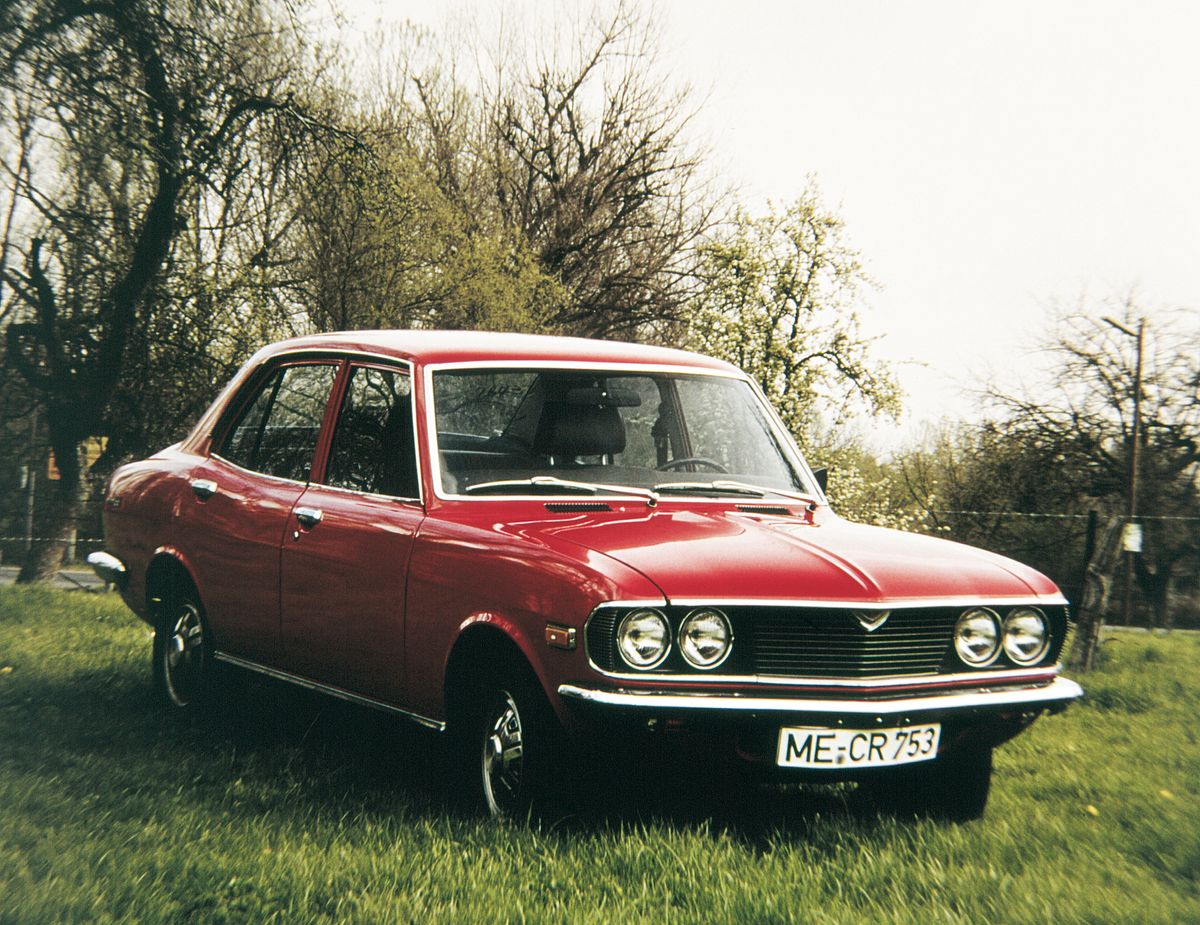
Mazda 616, first generation, factory photo
Mazda 616, first generation. Factory color shown.

Mazda 616 wrap colors and ideas

  • Mazda 616 black wrap
  • Mazda 616 white wrap
  • Mazda 616 gray wrap
  • Mazda 616 silver wrap
  • Mazda 616 red wrap
  • Mazda 616 blue wrap
  • Mazda 616 green wrap
  • Mazda 616 yellow wrap
  • Mazda 616 orange wrap
  • Mazda 616 purple wrap
  • Mazda 616 pink wrap
  • Mazda 616 teal wrap
  • Mazda 616 brown wrap
  • Mazda 616 gold wrap
  • Mazda 616 chrome wrap
  • Mazda 616 color shift wrap
  • Mazda 616 carbon fiber wrap
  • Mazda 616 camo and patterned wrap

How much vinyl to wrap a Mazda 616

Estimates from the body dimensions in the catalog, for a 1.52 m (60 in) roll.

YearsBodyLengthFilm to order
1970–1978coupe, sedan (2 or 4 doors)163.0 in (4,140 mm)about 44 ft (13.5 m) for the coupe to 46 ft (14 m) for the sedan, 60-inch (1.52 m) cast film; chrome or patterned film: up to about 57 ft (17.5 m)

Mazda 616 wrap cost factors

Mazda 616 wrap cost depends on the body style, film type, and the amount of surface area. The coupe needs about 44 ft (13.5 m) and the sedan about 46 ft (14 m) of standard color change film. Chrome or patterned film can raise the amount to about 57 ft (17.5 m) because of the extra work to match patterns. Labor for removing trim and wrapping the bumpers also changes the final cost.
  • Film for a full wrap: about 44 ft (13.5 m) for the coupe to 46 ft (14 m) for the sedan, 60-inch (1.52 m) cast film; chrome or patterned film: up to about 57 ft (17.5 m).
  • Body: coupe, sedan (2 or 4 doors).

Mazda 616 wraps by generation

Swipe sideways. Tap a card for the full description.

Mazda 616, first generation, factory photo
Factory color shown

1970–1978 Mazda 616 coupe, sedan (first generation)

1970–1978coupe, sedan (2 or 4 doors)163.0 in (4,140 mm)

The first generation Mazda 616 comes as a coupe or a sedan with two or four doors. The coupe has longer doors and a lower roof, so the installer can use fewer large film pieces. The sedan has four doors and more window trim, which adds cut-outs and a little more film. Panel plan and film amount change between the two styles when you count the roof, pillars, and door sills.

Film: about 44 ft (13.5 m) for the coupe to 46 ft (14 m) for the sedan, 60-inch (1.52 m) cast film; chrome or patterned film: up to about 57 ft (17.5 m).

Roof, hood, chrome delete and PPF on a Mazda 616

A partial wrap on a Mazda 616 can cover the roof, hood, or mirror caps without wrapping the whole car. Chrome delete on the window trim and badges replaces bright metal with black film for a different look. Paint protection film (PPF) on the front end shields the hood, fenders, and bumper from stone chips. Each job uses less film than a full wrap and can be done in stages.

  • Partial wrap: roof, hood, mirror caps.
  • Chrome delete: window trim and badges.
  • Paint protection film: clear film for the front end, which can also go over a wrap.

Wrapping a Mazda 616: body, cut-outs and film

A Mazda 616 vinyl wrap changes with the body style because the coupe and sedan have different panel shapes. The 163.0-inch (4,140 mm) length is modest for a mid-size car, so a full wrap uses 44 to 46 feet (13.5 to 14 meters) of film. The sedan has four doors and a taller roofline, which adds film around the window frames. The coupe has longer doors and a lower roof, so the installer plans fewer but larger pieces.

Mazda 616 wrap ideas start with the trim and badges, which need chrome delete or careful cut-outs. The door handles, side mirrors, and window trim are removed or masked for clean edges. The front grille and bumpers are wrapped only if the owner wants a color change on those parts. The fuel filler door is cut out so it can still open without lifting the film.

How much vinyl to wrap a Mazda 616 depends on the generation, but the catalog lists only the first generation from 1970 to 1978. The body styles carry the same film estimate when measured for the newest body of that generation. A coupe takes about 44 ft (13.5 m) and a sedan about 46 ft (14 m) of 60-inch (1.52 m) cast film. An installer measures each car because door and bumper shapes vary between early and late production.

Questions about wrapping a Mazda 616

How much vinyl does it take to wrap a Mazda 616?

A Mazda 616 full wrap uses about 44 ft (13.5 m) for the coupe and 46 ft (14 m) for the sedan with 60-inch (1.52 m) cast film. Chrome or patterned film can require up to about 57 ft (17.5 m) because of matching and waste. These figures come from the film estimate for the newest body of the generation. An installer will measure the exact car to confirm the amount.

Which Mazda 616 body takes more film?

The sedan takes more film than the coupe because of its larger roof and extra doors. The estimate is about 46 ft (14 m) for the sedan and 44 ft (13.5 m) for the coupe. The sedan's four door frames and longer side panels add surface area. The coupe's longer doors do not make up for the sedan's additional pillars and window trim.

Can I wrap only the hood or the roof of a Mazda 616?

Yes, you can wrap only the hood or the roof of a Mazda 616 as a partial wrap. A partial wrap also includes mirror caps, and a chrome delete covers the window trim and badges. Paint protection film on the front end is another smaller job. These options use less film than a full wrap and can be done without wrapping the doors or fenders.

Is a Mazda 616 hard to wrap?

A Mazda 616 is not hard to wrap, but the chrome trim and door handles add cut-out work. The car's 163-inch length is easier to handle than a modern full-size sedan. The bumpers and grille have many contours, so the installer may need to use a heat gun and relief cuts. The coupe's long doors require careful alignment of the film to avoid stretch marks.