Wraps by car

Mitsuoka Ray wrap

The Mitsuoka Ray wrap page covers both generations of this small hatchback built on the Daihatsu Move. A full vinyl wrap of the newer 1999–2005 body takes about 41 ft (12.5 m) of 60-inch (1.52 m) cast film. Chrome or patterned film adds roughly 10 ft (3 m) to the total.

2generations12.5 mof film for a full wrap

Mitsuoka Ray, second generation, factory photo
Mitsuoka Ray, second generation. Factory color shown.

Mitsuoka Ray wrap colors and ideas

  • Ray black wrap
  • Ray white wrap
  • Ray gray wrap
  • Ray silver wrap
  • Ray red wrap
  • Ray blue wrap
  • Ray green wrap
  • Ray yellow wrap
  • Ray orange wrap
  • Ray purple wrap
  • Ray pink wrap
  • Ray teal wrap
  • Ray brown wrap
  • Ray gold wrap
  • Ray chrome wrap
  • Ray color shift wrap
  • Ray carbon fiber wrap
  • Ray camo and patterned wrap

How much vinyl to wrap a Mitsuoka Ray

Estimates from the body dimensions in the catalog, for a 1.52 m (60 in) roll.

YearsBodyLengthFilm to order
1999–2005hatchback (5 doors)138.2 in (3,510 mm)about 41 ft (12.5 m) of 60-inch (1.52 m) cast film; chrome or patterned film: about 51 ft (15.5 m)
1996–1999hatchback (3 or 5 doors)131.9 in (3,350 mm)about 38 ft (11.5 m) of 60-inch (1.52 m) cast film; chrome or patterned film: about 49 ft (15 m)

Ray wrap cost factors

Ray wrap cost depends on the car's condition, the film type, and the labor involved. The second generation's five doors and tailgate glass add more trimming time than the three-door first generation. Paint age matters because panels may be original or repainted on a car from these years. A full wrap of the newest body uses about 41 ft of film, so material cost scales with film choice.
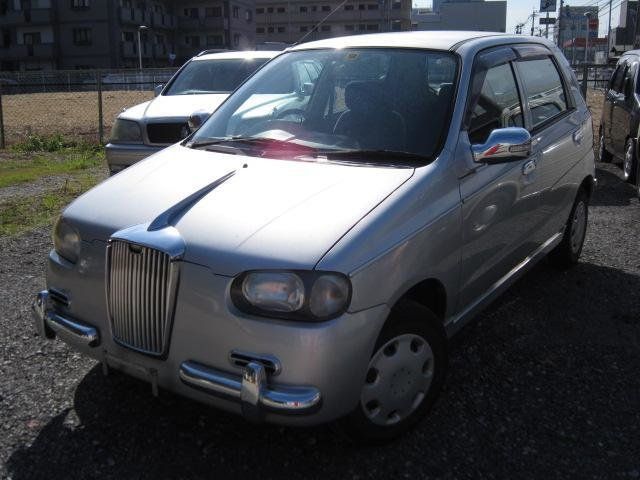
  • Film for a full wrap: about 41 ft (12.5 m) of 60-inch (1.52 m) cast film; chrome or patterned film: about 51 ft (15.5 m).
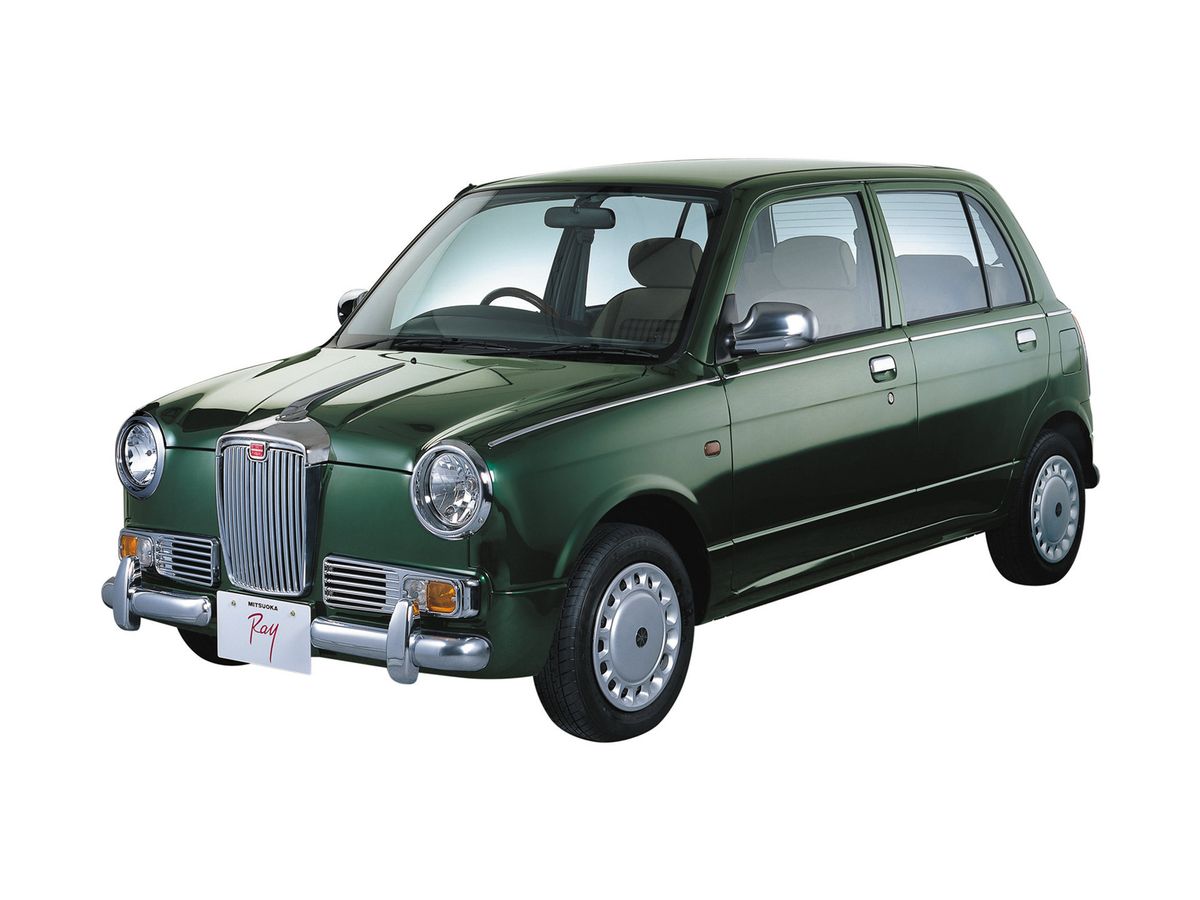
  • Body: hatchback (5 doors).
  • A tailgate with the rear glass in it: the film ends at the edge of the glass.

Ray wraps by generation

Swipe sideways. Tap a card for the full description.

Mitsuoka Ray, second generation, factory photo
Factory color shown

1999–2005 Ray hatchback (second generation)

1999–2005hatchback (5 doors)138.2 in (3,510 mm)

The 1999–2005 Ray is the second generation of this mini hatchback. Paint age matters on a car of these years because panels may be original or repainted, and a test spot comes before a full wrap. The film estimate for this five-door body is about 41 ft (12.5 m) of cast film. Installing a wrap on aged paint requires careful surface preparation to avoid adhesion problems.

A tailgate with the rear glass in it: the film ends at the edge of the glass.

Film: about 41 ft (12.5 m) of 60-inch (1.52 m) cast film; chrome or patterned film: about 51 ft (15.5 m).

Mitsuoka Ray, first generation, factory photo
Factory color shown

1996–1999 Ray hatchback (first generation)

1996–1999hatchback (3 or 5 doors)131.9 in (3,350 mm)

The 1996–1999 Ray is the first generation and the smaller of the two. Its 131.9 in (3,350 mm) length and three- or five-door hatchback body mean less film than the newer car. A wrap of this generation uses about 38 ft (11.5 m) of 60-inch film. Fewer panels on the three-door version reduce the number of cuts but not the need for precise trimming.

A tailgate with the rear glass in it: the film ends at the edge of the glass.

Film: about 38 ft (11.5 m) of 60-inch (1.52 m) cast film; chrome or patterned film: about 49 ft (15 m).

Roof, hood, chrome delete and PPF on a Ray

For a Ray chrome delete, the window trim and badges are the main pieces to cover with black film. A partial wrap of the roof, hood, or mirror caps gives a two-tone look without a full color change. Paint protection film (PPF) on the front end guards the hood and bumper from stone chips. These smaller jobs use less film and take less time than a full wrap.

  • Partial wrap: roof, hood, mirror caps.
  • Chrome delete: window trim and badges.
  • Paint protection film: clear film on the front end, also over a wrap.

Wrapping a Mitsuoka Ray: body, cut-outs and film

A Mitsuoka Ray vinyl wrap follows the simple boxy shape but demands attention at the tailgate. The second generation is 138.2 in (3,510 mm) long with five doors, while the first generation is 131.9 in (3,350 mm) and came with three or five doors. The extra length and doors on the newer car increase the number of panels to wrap. Both generations are mini class vehicles, so film is used efficiently on the tall sides.

Ray wrap ideas should account for the tailgate with rear glass in it. The film ends at the edge of the glass, so the installer trims carefully around that window. On a full color change wrap, mirror caps and door handles usually come off for a clean finish. The roof and hood offer large flat areas for a contrasting panel or a partial wrap.

How much vinyl to wrap a Ray depends on which generation you own. The first generation needs about 38 ft (11.5 m) of 60-inch (1.52 m) cast film, while the second generation needs about 41 ft (12.5 m). For chrome or patterned film, add roughly 20% to those amounts. Anyone counting film should also include extra material for test patches and mistakes.

Questions about wrapping a Mitsuoka Ray

How much vinyl does it take to wrap a Mitsuoka Ray?

A full wrap of the newest Mitsuoka Ray takes about 41 ft (12.5 m) of 60-inch (1.52 m) cast film. Chrome or patterned film requires about 51 ft (15.5 m) because the pattern must be matched. The first generation uses slightly less film, about 38 ft (11.5 m).

Can I wrap only the hood or the roof of a Ray?

Yes, you can wrap only the hood or the roof of a Ray. A partial wrap of the roof, hood, or mirror caps is a smaller job that still changes the look. The hood and roof are large flat panels that take film well.

Is a Ray hard to wrap?

A Ray is not the easiest wrap because the tailgate has the rear glass in it. The film must end at the edge of the glass, which adds trimming time. The mini class size means more film is needed for the tall body sides, but the flat panels help.

How many generations of the Ray does this page cover?

This page covers two generations of the Ray, from 1996 to 2005. The first generation ran from 1996 to 1999 and the second from 1999 to 2005. They share the same tailgate design but differ in size and door count.